
Museu de Mallorca: A Practical Guide to Palma's History Museum
The Museu de Mallorca is a state-run archaeology and art museum in the centre of Palma, housed in the Baroque palace known as Ca la Gran Cristiana, or Can Aiamans. Its collection walks you through the island's story from prehistory to the 19th century, room by room, in chronological order.
Go for the building as much as the exhibits: a town palace with Gothic traces under later Baroque work, and excavated remains from the Islamic period in its basement. It suits travellers who want context on Mallorca before or after the cathedral and the beaches, rather than a quick photo stop.
What the Museu de Mallorca is
The museum was created in 1961 from the collections of the former Provincial Museum of Fine Arts, the Marroig collection, state-owned archaeological material and deposits from the Societat Arqueològica Lul·liana and the Prado. The state acquired the Ca la Gran Cristiana building in 1971 to house it, and the first rooms opened to the public in 1976.
The permanent collection occupies the ground, first and second floors and is arranged chronologically: Prehistory, Rome, Late Antiquity, Islam, Gothic, Renaissance and Baroque, and the Contemporary Age. That sequence is the key to pacing a visit, because you can stop at whichever period interests you most instead of covering every room.
Where it is in Palma's old town
The address is Carrer de la Portella, 5, in the historic centre of Palma de Mallorca. The palace was built on the base of two Gothic palaces for Miquel Lluís Ballester de Togores i Salas, who held the title of Count of Aiamans from 1634; in 1775 it passed to the Villalonga-Desbrull family.
Because it sits in the old town rather than on the waterfront, it slots naturally into a walking day between the cathedral and the shopping streets. Treat the address as your anchor and approach on foot from the surrounding lanes, which is how most of central Palma is best seen.
The building: a Baroque palace with Gothic traces
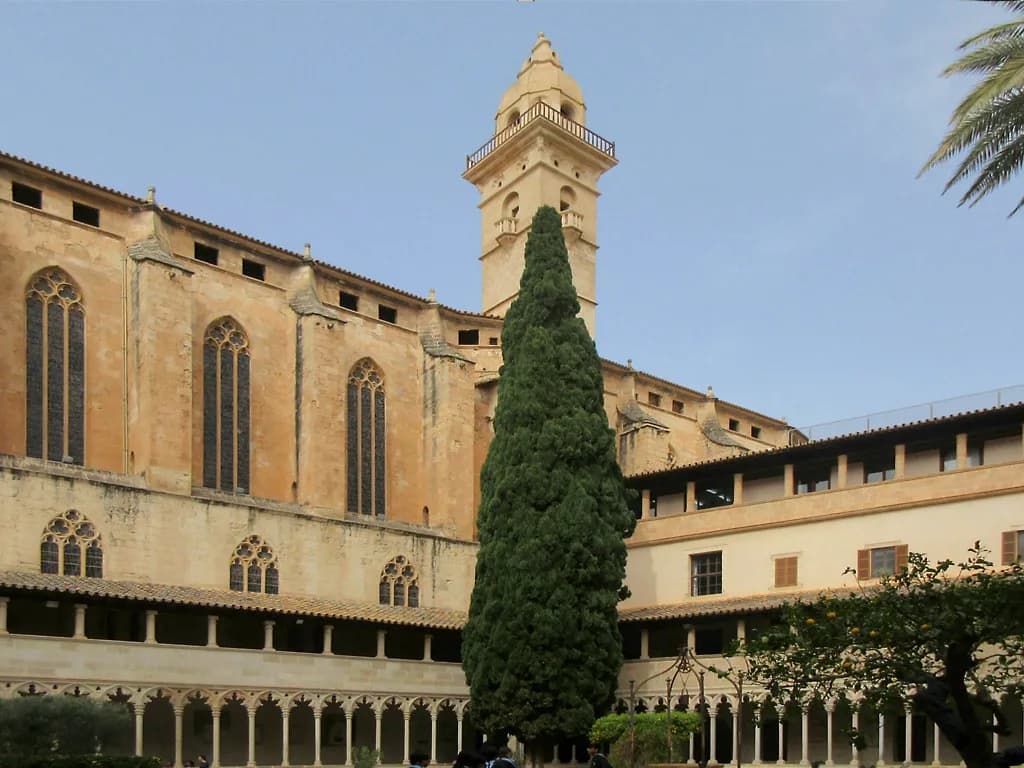
Ca la Gran Cristiana keeps much of its pentagonal Baroque layout, altered in the 19th century but still showing Gothic lines. The facade runs over three levels, with a round-arched doorway, balconies with Baroque iron railings, Gothic-style windows with ogee arches on the porch, and an 18th-century coat of arms of the Count of Aiamans at the centre.
Below ground, architectural structures from the Islamic period have been uncovered, along with other remains. That layering of Gothic, Baroque and Islamic fabric is the reason to look up from the display cases: the palace is part of the exhibit.
What to see on a chronological route
Start on the ground floor and work upwards. The Prehistory and Rome rooms set out the Talayotic and Roman phases, Late Antiquity and Islam follow, and the upper floors move through Gothic painting and sculpture into Renaissance and Baroque work before the modern period.
The Gothic painting and sculpture room is the strongest section for most visitors, and the ceramics run across several periods rather than sitting in one place. If you have limited time, read the room labels in sequence and let the collection carry you forward rather than doubling back.
Standout pieces: ceramics, the columbarium and mosaics
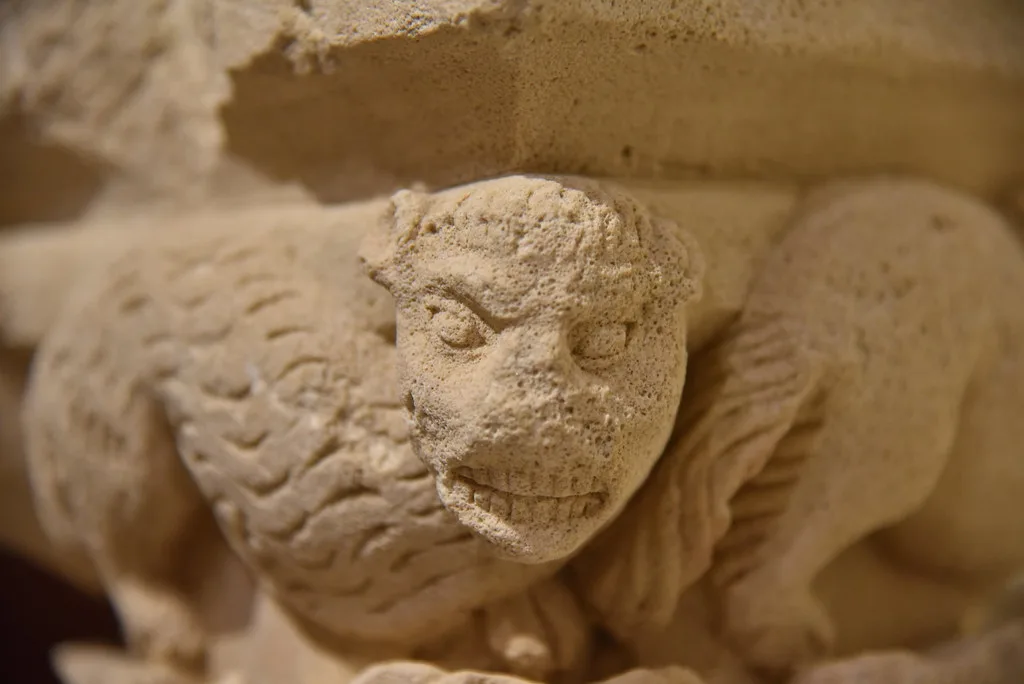
Three things deserve priority. The museum holds an outstanding ceramics collection spanning different historical periods, a late-Roman columbarium, and paleo-Christian mosaics.
The room devoted to modernist ceramics from La Roqueta is worth lingering in, both for the local craft story and as a change of pace from the archaeological material. After that, check whether temporary exhibitions are running, since the museum also programmes them alongside educational activities.
How long to allow
Plan around two hours for the permanent collection at an unhurried pace, and less if you concentrate on the Gothic rooms, the ceramics and the columbarium. It is a compact palace museum rather than a sprawling one, so the chronological layout keeps you moving without long transitions. If two hours settles it, see how many days in palma you want to give the city overall, and if you are weighing which quarter to base the rest of your time in, compare Palma Neighborhoods: 4 Area Guides.
If you are combining it with the cathedral and the royal palace nearby, put the museum first or last and leave the middle of the day free. Spanish lunch service runs from about 1:30pm to 4pm, so a mid-morning start leaves you clear for a proper meal afterwards.
Tickets, opening days and temporary exhibitions
The museum's own listing, reached through the Illes Balears tourism site, is the place to confirm ticket prices, opening days and temporary exhibition dates before you travel. Hours and admission can change with the season and with exhibition programming.
The museum has two outposts on the island, the Museu Monogràfic de Pollentia in Alcúdia and the Museu Etnològic de Muro, so check which sites are open if you plan to visit more than one.
Nearby sights within a short walk
The Royal Palace of Almudaina sits on Carrer de Palau Reial a few minutes away, a Roman-origin building remodelled as a Muslim fortress between 1281 and 1343 under Jaime II, Sancho I and Jaime III. Inside are tapestries, paintings and Gothic and Islamic architectural elements, so pair it with the museum for a morning of palaces.
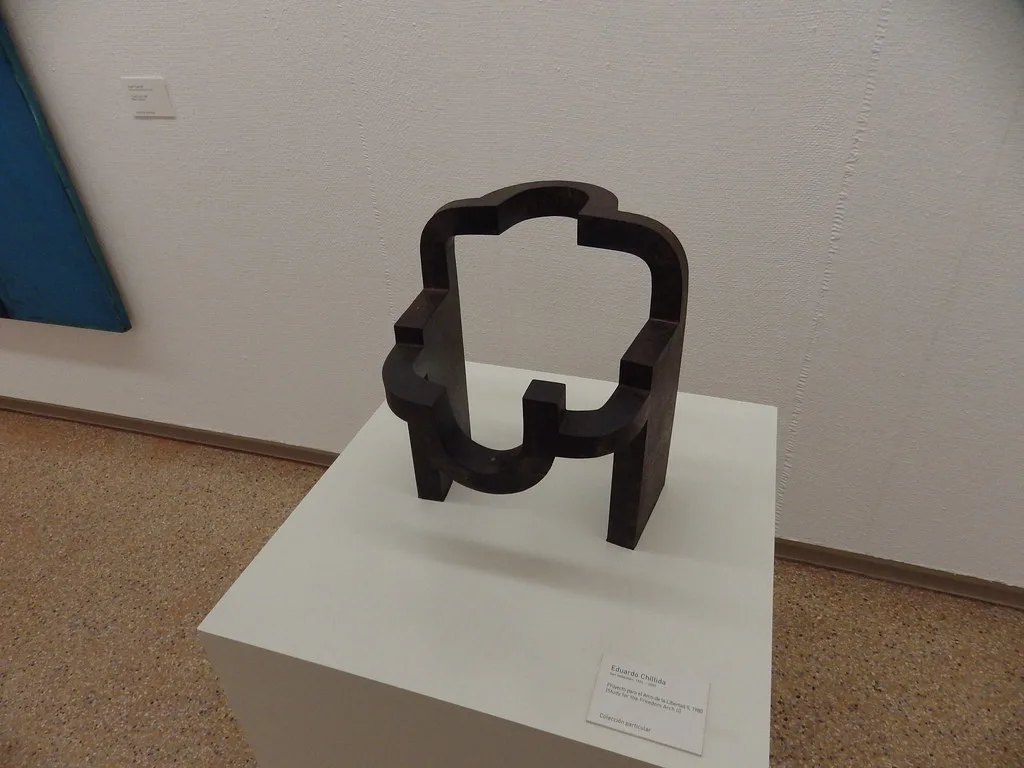
The Juan March Foundation Museum on Carrer Sant Miquel holds 20th-century Spanish art by Picasso, Juan Gris, Miró and Dalí, and Es Baluard Museu d'Art Modern i Contemporani on Plaça de la Porta de Santa Catalina adds a modern counterpoint with more than 700 works. Both are within walking distance of the old town centre.
For a broader plan of the city, our Palma Attractions: 6 Visitor Guides covers the cathedral, the castle and the waterfront in one place. If you want the religious architecture first, start with Palma Cathedral (La Seu), and for the city's other museums and quarters see Palma Neighborhoods: 3 Area Guides.
Who should skip it
With a single day in Palma and good weather, the museum is a weak trade against the cathedral, the seafront and a long lunch. It rewards travellers who already know they like archaeology and religious art, and it is easy to underestimate how much the chronological rooms ask of you.
History-minded visitors should instead give it a proper two-hour slot and treat the neighbouring palaces as a separate outing. Anyone in the city mainly for the Serra de Tramuntana or the coast should look at the Castell de Bellver for a short, high-view stop and keep the museum for a return trip.
Plan Your Visit
Build the Museu de Mallorca into an old-town morning: the palace, the chronological rooms and the ceramics first, then the cathedral and Almudaina while you are still nearby. Confirm current opening days and admission with the museum before you set out.
If you want to widen the day, add the seafront around Parc de la Mar, Palma, or walk to the Mercat de l'Olivar, Palma, for a late lunch after 1:30pm. Either keeps the museum as the anchor rather than the whole outing.
Explore more Palma guides
Frequently Asked Questions
What can you see inside the Museu de Mallorca?
The permanent collection covers Mallorca from prehistory to the 19th century, arranged chronologically across the ground, first and second floors: Prehistory, Rome, Late Antiquity, Islam, Gothic, Renaissance and Baroque, and the Contemporary Age. The ceramics collection, the late-Roman columbarium and the paleo-Christian mosaics are the highlights to prioritise.
Where is the Museu de Mallorca in Palma?
It is at Carrer de la Portella, 5, in Palma's old town, inside the Baroque palace known as Ca la Gran Cristiana or Can Aiamans.
How long does a visit to the Museu de Mallorca take?
Allow about two hours for the permanent collection at an unhurried pace. A shorter visit of an hour or so works if you concentrate on the Gothic rooms, the ceramics and the columbarium.
Is the Museu de Mallorca worth visiting?
It suits travellers who want the island's history and archaeology in context, and the palace itself is part of the appeal. With only one day in Palma and good weather, the cathedral and seafront are the stronger draw.
What is nearby the Museu de Mallorca?
The Royal Palace of Almudaina and Palma Cathedral are a short walk away, as are the Juan March Foundation Museum and Es Baluard Museu d'Art Modern i Contemporani.
How do I confirm opening days and ticket prices?
Check the museum's own listing, linked from the Illes Balears tourism pages, before you travel, as opening days and admission can change with the season and with temporary exhibitions.