Things to Do in Ibiza: Beaches, Old Town and Boat Trips
Plan days in Ibiza with beaches, Dalt Vila's old town, boat trips to Formentera and sunset spots, plus where to eat and the honest trade-offs.
On this page
The best way to see Ibiza is to organise your days by coast and by hour rather than chasing a list of sights. The island is one of the Balearic Islands, and its variety is what makes it work for different holidays: white sand and calm water in some coves, a UNESCO-listed old town at Eivissa, rural villages inland and a nightlife reputation that sits alongside quiet family beaches.
Plan around Spanish meal times and the island's rhythms. Lunch runs roughly 1:30–4pm and dinner starts from 8:30–9pm, so a beach morning followed by a long lunch leaves the hottest hours for shade and the late afternoon for Dalt Vila or a boat. Build one anchor per day — a cove, the old town, a boat trip — and let the rest of the day fill in around it.
What Ibiza Is Actually Like
Ibiza has a hedonistic reputation, but the island also caters to families, couples and travellers who never set foot in a club. The same trip can combine a quiet northern cove, a hippy market and a fortified old town, and the contrast is part of the appeal. Treat the nightlife as one option among several rather than the defining feature of your holiday.
The island splits broadly into the south and west around Eivissa, San Antonio and the big beaches, the relaxed east around Santa Eulalia, and the greener, quieter north. Choose a base that matches your priorities: San Antonio suits travellers who want the nightlife close by, while Santa Eulalia offers a calmer atmosphere for families. That decision shapes how much driving you do each day.
Season matters as much as area. Ibiza is busiest in the summer holidays but has its own character across the year, from quieter shoulder-season beach days to winter sun, so there is no single wrong time to come. If crowds and heat are your main concern, aim for the edges of the season and check what is open locally before booking.
Where to Stay: Matching the Area to Your Holiday
Where you sleep determines your days more than any itinerary. Staying near Eivissa puts Dalt Vila, the port and the Formentera ferries within easy reach, which suits a short break built around the old town and a boat day. Staying in the north means longer drives but quieter mornings and closer access to the coves around Portinatx.
For a family trip, the east and the larger sandy beaches make life easier, with shallow water and amenities close at hand. Couples and friend groups often prefer the west for sunsets and the buzz around San Antonio. If you plan to move around the island rather than stay put, a car broadens your options considerably.
Beaches: Which Cove Suits You
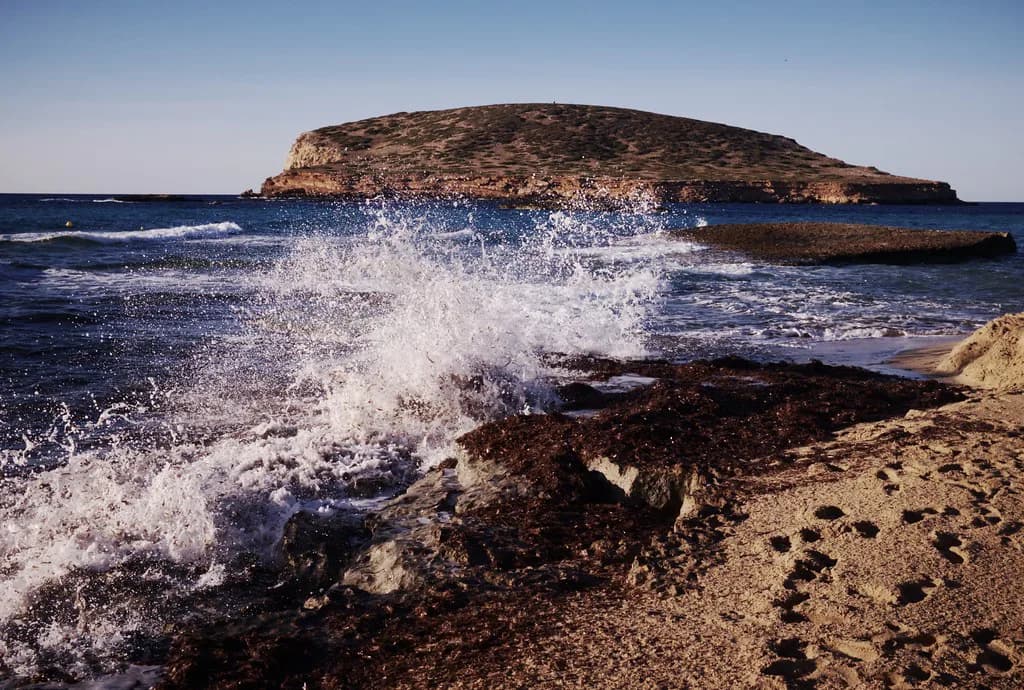
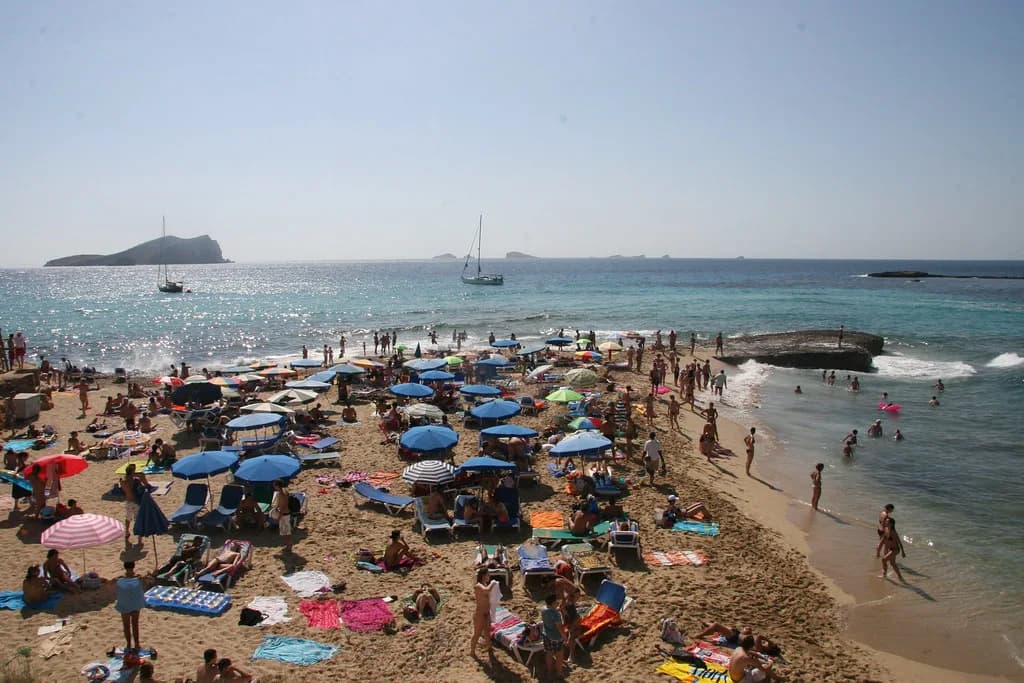
Cala Comte is the postcard beach on the north-west coast, with clear water and views out to the islets, and Cala Bassa nearby is the family favourite thanks to shallow water and good amenities. Both are popular, so arrive early in high summer if you want space and parking without a fight. Cala Tarida, on the west coast, is another strong family choice with a wide range of services and good sunsets.
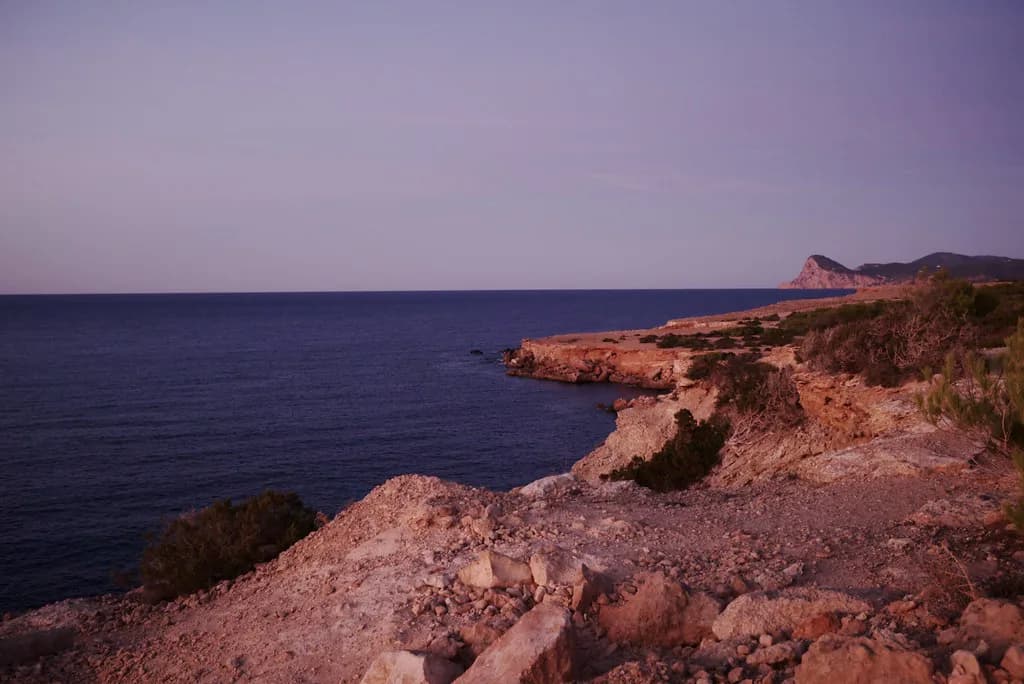
If you want to escape the crowds, head north to Cala Xarraca, one of the more isolated beaches on the island and a good spot for snorkelling. Cala Salada, on the west coast, is a more natural, relaxed alternative to the busier beaches elsewhere in the Mediterranean. The trade-off is fewer facilities, so carry water and shade.
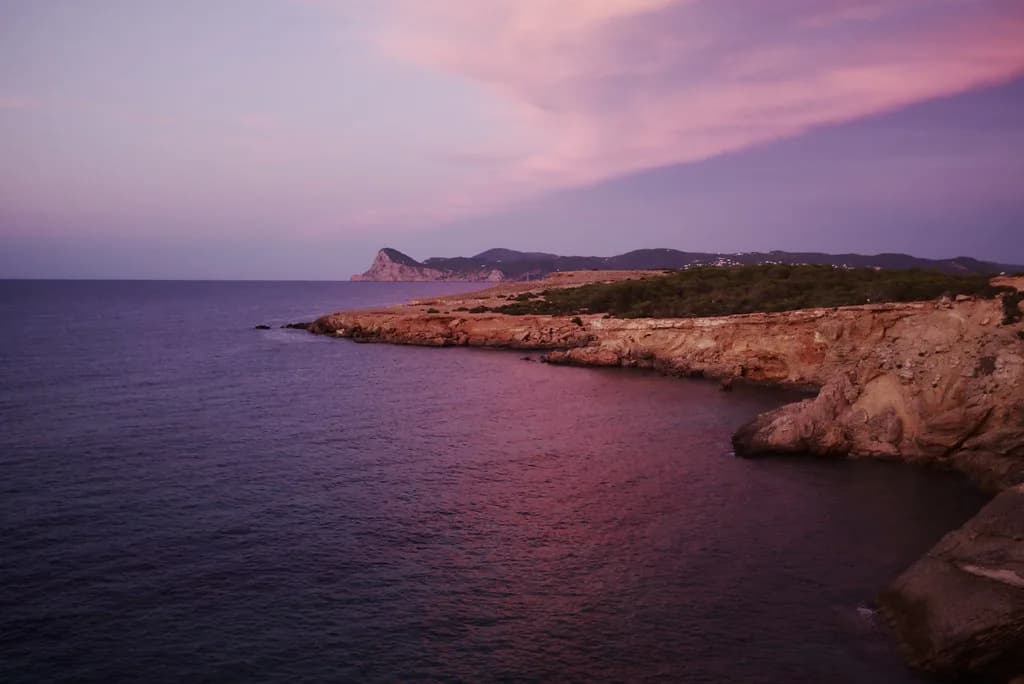
Cala d'Hort deserves its own slot because the setting does the work: the beach looks across to the islet of Es Vedrà, and the natural surroundings make it one of the island's not-to-be-missed stops. Come for a swim and stay for the light, but expect the small car park and access road to be busy at sunset in summer.
Dalt Vila and the Old Town
Dalt Vila is the fortified old town of Eivissa and a UNESCO-listed site, and it rewards slow walking rather than a checklist. Cobbled streets climb towards the Cathedral of Santa Maria at the top of the hill, with views over the harbour and the modern town below. Wear proper shoes, carry water, and go early or late to avoid the midday heat on the climb.
The Archaeological Museum of Ibiza fills in the island's long history and pairs naturally with a walk around the walls. Afterwards, drop down into the old town for a late lunch or an early dinner; our guide to restaurants in Ibiza Old Town covers where to sit inside the walls. Between sights, the port area and the modern town give you a change of scene and easier access to transport.
For food beyond the old town, Ibiza Town and the wider island have restaurants for every taste, from high-end dining to seafood lunches by the water. For a broader shortlist, start with the best restaurants in Ibiza and then match the area to your day. Book ahead for dinner in summer, when the good tables fill early.
Es Vedrà and Cala d'Hort: Timing the View
Es Vedrà is the mysterious rocky islet about two kilometres off the south-east coast, and it draws locals and visitors alike for the beauty and the legends attached to it. You do not need to get close to appreciate it: the classic view is from the coast around Cala d'Hort, where the beach and the islet frame each other.
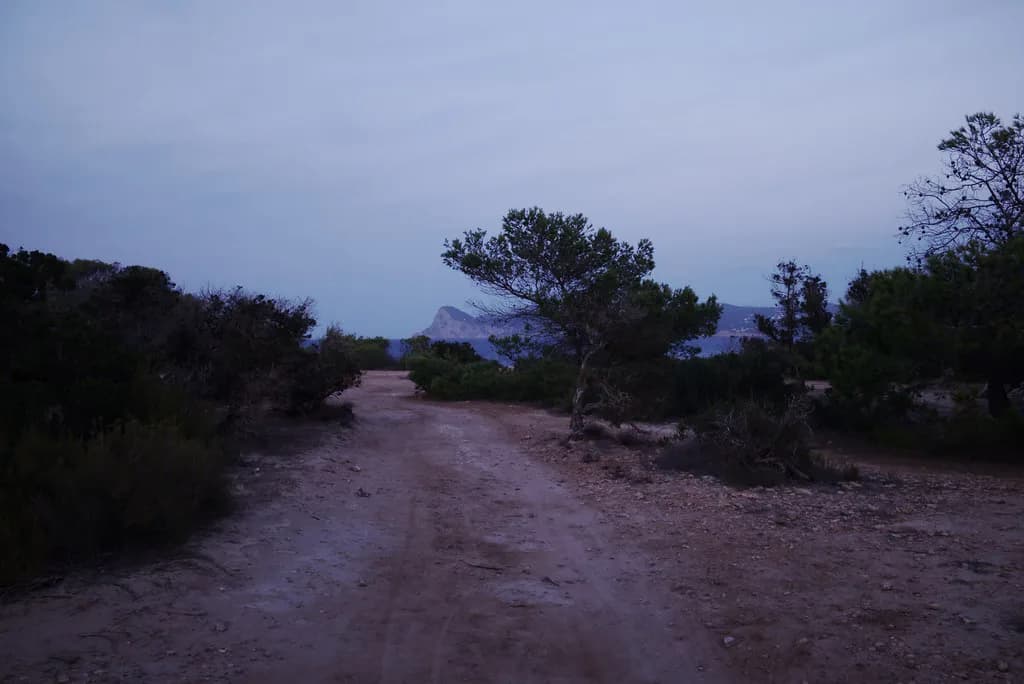
Time your visit around sunset if you want the full effect, but treat it as a proper outing rather than a quick stop. The access roads and viewpoints are narrow and busy at that hour in summer, so arrive with time to spare and plan your return in the dark. For an easier evening, watch the sun go down from a west-coast beach instead and save Es Vedrà for a daytime walk.
Boat Trips and Being on the Water
Seeing Ibiza from the sea gives you the coves and coastline you cannot reach by road. Excursions range from party cruises and sunset sails to family-friendly glass-bottom boats that show you marine life, and speedboat trips along the rugged coast for something faster. Choose by the mood of your group rather than by the longest itinerary.
Kayaking is the low-key alternative: guided trips get you into caves, hidden coves and quiet beaches that larger boats skip. A sunset kayak through the coves around Portinatx is one of the clearer examples of a trip that suits both adventurous and cautious travellers. Compare what is included, how long you are actually on the water and whether transfers are covered before you commit.

Formentera as a Day Trip
Formentera, Ibiza's smaller neighbour, is a short boat ride from Eivissa and famous for sandy beaches and turquoise water. It is one of the island's classic day trips, and many boat excursions include a stop there, so you can combine the crossing with snorkelling or paddleboarding and free time ashore. The trade-off is time: a full day out means no beach morning and no old-town afternoon, so give it its own day.
Ibiza itself is small, but do not try to see all of it between ferry times. Pick one beach and one lunch stop, and note the return crossing time before you settle in. Ferries and excursion prices vary by company and season, so compare options locally or ask the ferry company directly rather than counting on a fixed fare.
Northern Ibiza and the Rural Villages
The north is where Ibiza feels green and unhurried, with protected coastline, quiet coves and small villages inland. Portinatx and its surrounding coves make a good base for a slow day of swimming and kayaking, while the winding roads reward drivers who are not in a hurry. Bring cash and patience: services thin out the further you go.
The inland villages are worth a morning in their own right. Santa Gertrudis has galleries, boutiques and cafés for a leisurely afternoon, while Sant Joan de Labritja, Santa Agnès, Sant Miquel de Balansat and Sant Mateu d'Albarca are among the picturesque spots with a church, a small square and flowery streets. Pair a village stop with a nearby beach rather than driving back and forth across the island.
Markets: Las Dalias and Punta Arabí
Ibiza's hippy markets carry the island's bohemian reputation into something you can actually do. Las Dalias and Punta Arabí are the best known, with stalls of handmade jewellery, clothing, local produce and souvenirs, and they often host live music. They are a good half-day out for families and for anyone shopping for something less generic than airport gifts.
Market days and evening editions change through the season, so check the current schedule with the market or your accommodation before you build a day around one. Go early for a calmer browse and be prepared to queue for food stalls at peak times. Cash is useful for smaller stalls, though many now take cards.
Sunset Spots: Café del Mar, Café Mambo and Sunset Ashram
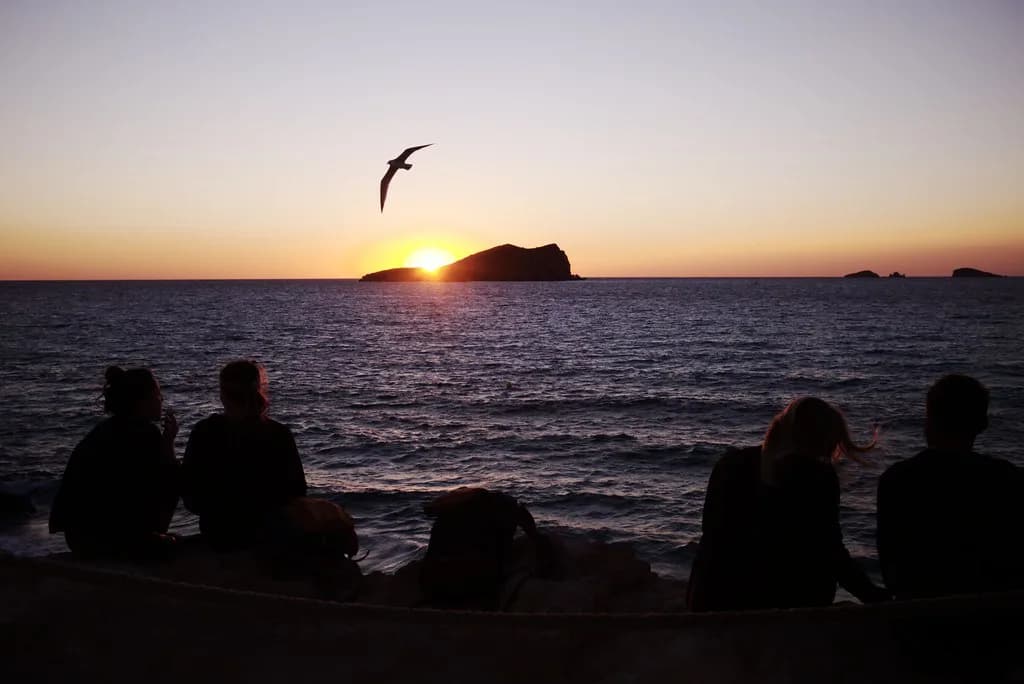
The sunset is the island's shared evening ritual, and the west coast has the famous names: Café del Mar, Café Mambo and Sunset Ashram are all known for it. The atmosphere is part of the appeal, with music and crowds building as the sun drops. Expect to pay for the position, arrive early for a good spot and book if you want a table rather than a patch of rock.
If the crowd is the thing you want to avoid, choose a quieter west-facing beach or a clifftop viewpoint and bring your own drinks. The light is the same; the noise is not. Families should note that the busiest sunset bars are not the most relaxing place for young children at that hour.

Family Options
Ibiza works well for children once you pick the right beaches and activities. Cala Tarida and Cala Bassa both offer shallow water and services, the Cap Blanc Aquarium sits inside a cave and makes a short, memorable stop, and Acrobosc Ibiza climbing park burns off energy in the trees. Mix one active outing with a beach afternoon rather than scheduling both.
For rainy days, the island has indoor options, and the old town and museums fill a wet morning better than a beach ever will. Check opening days for smaller attractions such as the aquarium and climbing park before you travel.
Eating in Ibiza: Meal Times and What to Order
Spanish meal times shape your day more than any guidebook. Lunch is roughly 1:30–4pm and dinner starts from 8:30–9pm, so a late breakfast and a long lunch suit beach days better than a strict three-meal schedule. If you want an early dinner, look for places that open before the local rush.
Seafood is the obvious order on an island, and the range runs from simple grilled fish to more elaborate rice dishes. Our guides to Ibiza food and Ibiza seafood restaurants cover dishes and places to try them without guessing at menus. For lighter daytime stops, brunch and Ibiza cafés fill the gap between beach and dinner.
If you want tapas or a rice lunch, plan the meal around the kitchen rather than the clock. The best tapas in Ibiza and the best paella choices reward booking ahead in summer, and they fit naturally into an old-town afternoon. Prices vary widely by area, so check the menu before you sit down.
Getting Around, How Long to Stay and When to Go
A car gives you the freedom to link coves, villages and sunset spots on your own schedule, and it is the practical choice if you are staying outside the main towns. Buses and taxis cover the busier routes, but they constrain a day built around a remote beach or a late sunset. If you only have a weekend, stay close to one area and skip the cross-island hops.
Three days covers a beach, the old town and a boat day without rushing; longer stays let you add the north and Formentera. Outside peak summer, expect quieter beaches and easier parking, but confirm what is open before you commit to a remote base. If you want another Spanish city break to compare, our guide to things to do in Alicante shows how a compact historic centre changes the rhythm of a trip.
A Sample Two-Day Plan
Day one: start at Cala Comte or Cala Bassa early, swim before the crowds, then have a long lunch and spend the late afternoon climbing Dalt Vila to the Cathedral of Santa Maria. Eat dinner in Ibiza Town or the old town, and finish with a drink by the port rather than a club if you want an early start tomorrow.
Day two: take a boat trip to Formentera or a kayak along the coast in the morning, then head west for a sunset at Cala d'Hort or one of the sunset bars. If you have a third day, give it to the north: Portinatx for a swim and Santa Gertrudis for a late lunch on the way back. This plan keeps driving manageable and leaves room for weather changes.
Plan Your Visit
Ibiza works best when you pick one area per day and let Spanish meal times set the pace. Beach in the morning, a long lunch, old town or boat in the afternoon, sunset in the west: that rhythm covers most of what the island offers without turning the holiday into a driving marathon.
Check ferry times, tour departures and opening days directly with operators and venues before you book, particularly outside peak summer. Build in a spare afternoon for weather or a change of plan, and the island rewards you with the quieter coves and villages that most visitors miss.
Explore more Ibiza guides
Frequently Asked Questions
What are some unique experiences I can have in Ibiza?
A sunset kayak through the coves around Portinatx, a glass-bottom boat trip that shows you marine life, or a day on Formentera with snorkelling and free time ashore. Inland, the hippy markets at Las Dalias and Punta Arabí and the rural villages around Santa Gertrudis and Sant Joan de Labritja give a different side of the island.
Is Ibiza fun if you don't want to party?
Yes. The island has quiet coves such as Cala Xarraca and Cala Salada, a UNESCO-listed old town at Dalt Vila, family beaches at Cala Bassa and Cala Tarida, and rural villages in the north. You can build a full trip around beaches, walking and food without going near a club.
What is the food like in Ibiza?
Seafood is the obvious order, from simple grilled fish to rice dishes, and the island has restaurants for every taste, including high-end dining. Meal times are Spanish: lunch roughly 1:30–4pm and dinner from 8:30–9pm. Book ahead in summer for the places you most want.
Which Ibiza beaches are best for families?
Cala Bassa and Cala Tarida are the strongest family choices, with shallow water and good amenities including services for children. Cala Comte is beautiful but busier, and Cala Salada and Cala Xarraca are quieter with fewer facilities, so carry water and shade.
Is a day trip to Formentera worth it?
It is one of the island's classic days out, with sandy beaches and turquoise water a short boat ride from Eivissa. Give it a full day rather than squeezing it between other plans, and check the return crossing before you settle on a beach. Many boat excursions include a stop there with water activities.
Where can you see the sunset in Ibiza?
The west coast is the classic choice, with Café del Mar, Café Mambo and Sunset Ashram among the known spots. Cala d'Hort offers a different setting with views to Es Vedrà, and quieter west-facing beaches give you the same light without the crowds.
Do you need a car in Ibiza?
A car makes it much easier to link remote coves, villages and sunset spots on your own schedule, especially if you stay outside the main towns. Buses and taxis cover the busier routes but constrain a day built around a quiet beach. For a short break, staying close to one area can remove the need entirely.
Sources
Notes for eating well in Spain
Optional updates to our guides.
You might also like
Continue reading
More guides you'll find useful