
Passeig del Born, Palma: A Visitor's Guide to the City's Elegant Avenue

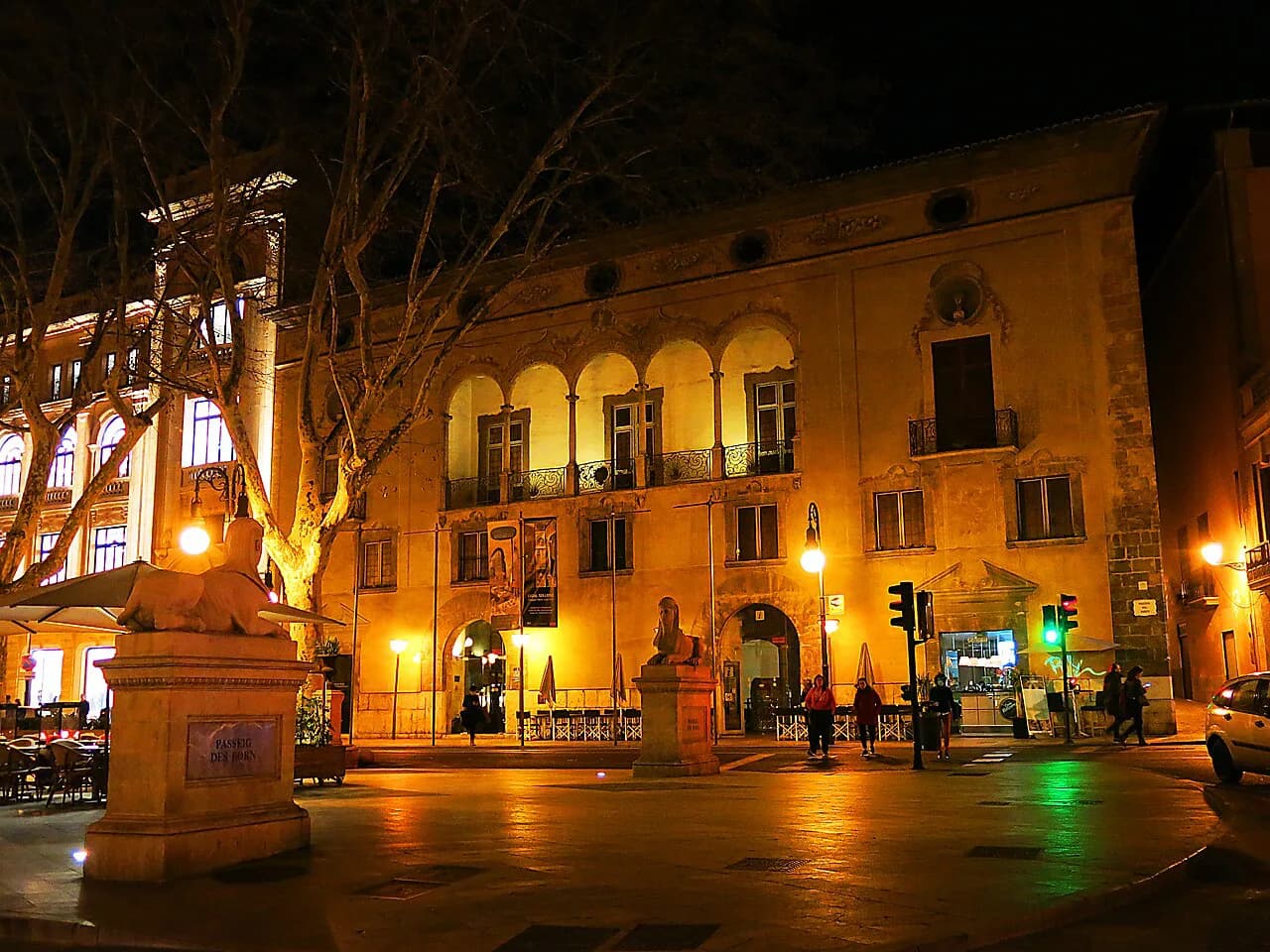
Passeig del Born is Palma's elegant central promenade, a short, tree-lined avenue that has anchored city life for more than a century. It works best as a 30–60 minute stroll with a café stop, slotted in either side of a cathedral visit rather than treated as a standalone sight. Shop windows and benches line the middle, and a fountain, lofty trees and decorative street lamps give it the feel of a promenade rather than a shopping street.
What Passeig del Born Is
The Born is a compact promenade at the centre of Palma, and for more than a century it has hosted fiestas, demonstrations and generations of families on an evening stroll. During the Franco era it was officially renamed after the dictator, but locals went on calling it 'the Born', a detail that says a lot about how the avenue belongs to the city rather than to officialdom. As See Mallorca's guide to Passeig des Born puts it, the promenade has witnessed fiestas, demonstrations and countless generations of families enjoying an evening stroll.
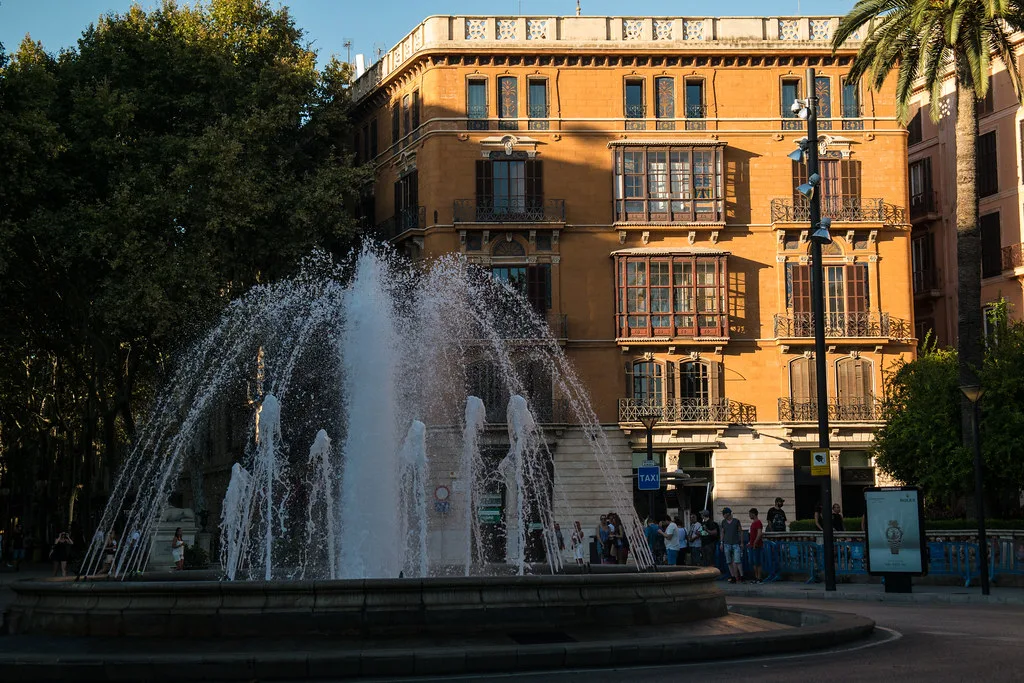
It reads as the closest thing Palma has to Barcelona's La Rambla: a place to wander rather than to tick off a sight. Lofty trees, ornamental lamps and a central fountain soften the stone, and the benches invite a pause. It is also a working part of daily life, so you will share it with shoppers and locals rather than seeing a museum piece.
Think of it as a connector between the cathedral quarter and the modern shopping streets rather than a destination with a turnstile. That framing helps you plan: if you have already allowed an hour for La Seu, the Born fits naturally before or after it. For the full set of city sights, use the Palma Attractions: 6 Visitor Guides hub as your overview.
Where It Sits in Palma
The avenue runs between two anchors you can name without a map: La Seu Cathedral and Almudaina Palace at one end, and Avinguda Jaume III at the other. That means one end feels historic and the other modern, and the promenade itself is the seam between them. If you arrive from the cathedral side, you walk the Born in the direction of the shopping streets without needing to consult anything.
Being so close to the cathedral and palace means there is a steady flow of passers-by, and luxury boutiques and familiar chains pull people in either direction toward Avinguda Jaume III. The effect is busy but not stressful: the street is short enough that you can walk it twice in one go if you are waiting for a table. If you want the details of the cathedral itself, the guide to Palma Cathedral (La Seu) covers visiting practicalities.
How to Get There
Walk. The Born is roughly ten minutes on foot from the cathedral area, and the palace sits beside the cathedral, so you can approach from either without needing transport. Use the fountain in the middle of the promenade or the palace as your landmark reference if you are coming from the old town's smaller streets. If you are already in the centre shopping streets, head toward La Seu and you will meet the avenue on the way.
What to See Along the Avenue
The essentials are simple: a wide central promenade with stone benches, tall trees that shade the walk in summer, decorative street lamps and a central fountain. It is a place to look at the people, the shop fronts and the buildings framing the avenue rather than to search for exhibits. The benches are the best practical feature, giving you somewhere to rest between the cathedral and the shops.
A visitor description sums the Born up as a pedestrian-only street and the closest Palma gets to La Rambla, which matters for planning: you will be on foot, so leave the car or scooter behind for this stretch and enjoy the freedom from traffic. Allow time to walk each side and the central promenade, since the stone benches invite you to sit and watch. If you are travelling with children, the open central space makes it easy to keep track of them without worrying about crossings.
Shopping on and Around the Born
The shopping mix runs from mid-range and high-street chains to luxury boutiques, with the central promenade flanked by shop fronts along its length. It is not a market and not a single department store; it is a street where you browse as you walk toward Avinguda Jaume III or back toward the cathedral. Palma more broadly offers markets and smaller boutiques, so treat the Born as the mainstream half of a shopping day.
Because the promenade is short, you will not spend an afternoon shopping here unless you are seriously set on specific labels. Pair it with the streets around Avinguda Jaume III or with the smaller lanes of the old town for a fuller shopping session. If shops are your main aim, work out what you want before arriving and use the Born as the spine rather than the whole trip.
Eating and Drinking: Pavement Cafés
Bars and restaurants line the avenue with outdoor seating, and a seat at a pavement café is the best way to feel the city's pulse without joining the crowds on their feet. The terrace is the point here rather than a specific kitchen; come for a coffee, a cold drink or a light lunch and watch the promenade. If the stone benches are full, an outdoor table gives you the same view with service.
Time your stop to Spanish meal rhythms. Lunch service generally runs from about 1.30pm to 4pm, while dinner starts around 8.30pm to 9pm, so the middle of the afternoon is better for a drink than a full meal. If you are in the cathedral area around midday, walk the Born first and eat after 1.30pm, when kitchens are properly open.
Fiestas and Events on the Promenade
During Palma's fiestas, the central promenade hosts music and dancing, turning the avenue into a stage and dance floor for the city's celebrations. The Born has a long history of public gatherings, from fiestas to demonstrations, so you may find a programme of activity rather than a quiet stroll around festival time. Even outside fiestas, the promenade is where the city gathers for an evening walk.
There is no fixed schedule to plan around from the outside, so treat any music or dancing as a bonus rather than the reason for your visit. If you are in Palma during a major festival, ask at your accommodation or check the city's own festival programme for what is on. For the wider context of what to see nearby, the Palma Neighborhoods: 3 Area Guides set out how the old town and the shopping districts fit together.
How Long to Allow
Budget 30 to 60 minutes: half an hour to walk the promenade and take a few photographs, an hour if you add a coffee at an outdoor table or a bench stop. It is short enough that adding it to a cathedral visit barely changes your day, and long enough that it deserves more than a hurried pass. If you are shopping seriously, add another hour for the surrounding streets. If you are weighing how much of the city to cover overall, how many days in palma is worth settling before you lock in this slot, and the Palma Neighborhoods: 3 Area Guides help you see how this central stretch fits with the rest of the city.
Come early in the morning or in the early evening for a quieter stroll, when the promenade is less about shopping and more about walking. The middle of the day is busiest, especially when the weather is good and the café terraces fill. The evening paseo, when locals come out to walk, is the liveliest and most characteristic time to see the Born as it is used.
Nearby Sights and Where to Go Next
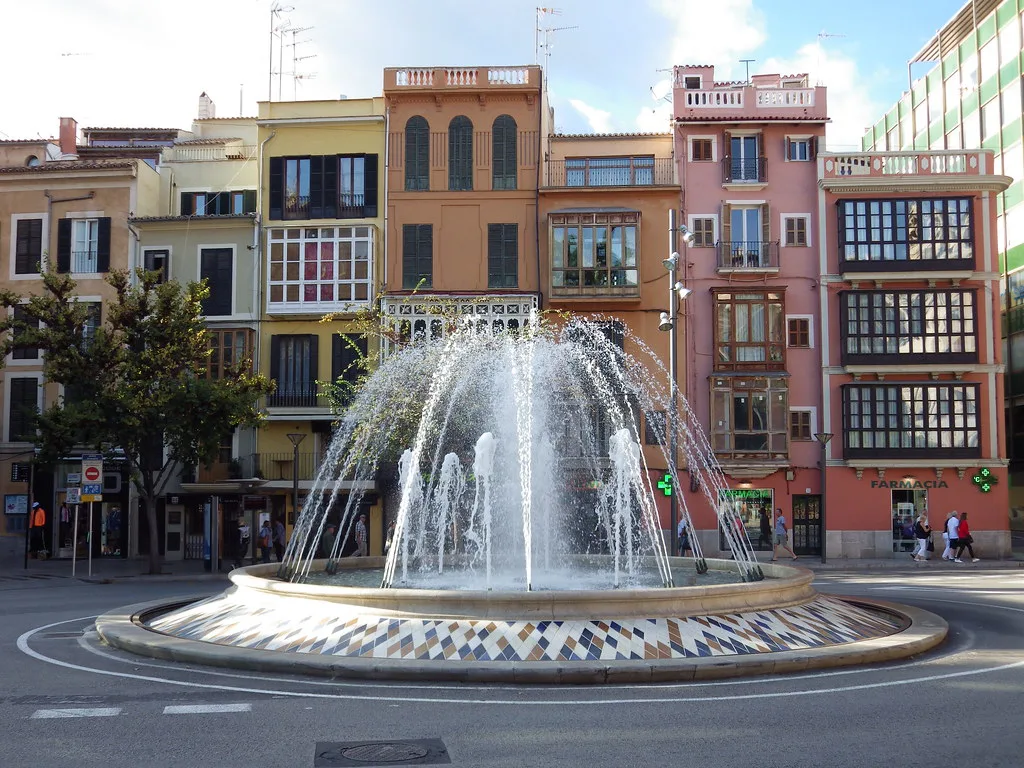
La Seu Cathedral and Almudaina Palace sit at one end, so combine the Born with a cathedral visit and cross into the palace square afterwards. At the other end, Avinguda Jaume III leads into the modern shopping area. For a longer walk, the Parc de la Mar, Palma lies below the cathedral along the waterfront, giving you a natural continuation after the Born.
If you have a second day in Palma, the Castell de Bellver offers a contrasting view from its hill, looking over Palma Bay and toward the Serra de Tramuntana. It is a different kind of sight, so pair it with a morning rather than squeezing it after the Born, and if you are still deciding how to split your time, how many days in palma will help you give the castle a proper slot.
For food beyond the promenade's cafés, the Mercat de l'Olivar, Palma is a market option a short walk from Plaça d'Espanya, useful if you want market produce or a food hall rather than a pavement table. If you prefer smaller museums, the Museu de Mallorca occupies a city-centre palace and makes a quiet counterpoint to the crowds around the cathedral.
The Museu de Mallorca is worth knowing about if you want to understand the island's history after walking its central avenue; keep it as an alternative for a rainy hour rather than a compulsory stop.
Practical Points Before You Go
The Born is a pedestrian stretch, so plan to arrive on foot and avoid driving into the middle of the centre. Benches line the promenade, so you can rest without buying anything, and the fountain makes a straightforward meeting point. Wear comfortable shoes, since the surrounding old-town streets are cobbled and you will probably walk further than the avenue itself.
Opening times for individual shops and cafés vary, so check current details on the day rather than relying on a planned schedule. The promenade itself is an open public space, and any exhibition or festival activity is worth confirming locally before you build a day around it. If you are visiting in high summer, come early or late to avoid the strongest heat.
Plan Your Visit
Passeig del Born is a short, central avenue that earns its place in a Palma day by linking the cathedral quarter with the shopping streets. Walk it in half an hour, or give it an hour with a pavement coffee timed after 1.30pm. Start at La Seu, stroll toward Avinguda Jaume III, and let the Born be the hinge of your day rather than the whole of it.
Frequently Asked Questions
What is Passeig del Born in Palma known for?
It is known as Palma's central tree-lined avenue, with a long history as a place for fiestas, gatherings and the evening stroll. It has a central fountain, decorative street lamps and stone benches, and is flanked by shops and cafés.
How long does it take to walk Passeig del Born?
The avenue is short, so allow around 30 to 60 minutes including a pause on a bench or a stop at a pavement café. Add more time if you plan to shop in the surrounding streets.
Is Passeig del Born pedestrian only?
One description of the avenue describes it as pedestrian only, which fits a promenade built for walking. Plan to explore it on foot, especially the central stretch with the benches and fountain.
Where is Passeig del Born in relation to Palma Cathedral?
The avenue runs between La Seu Cathedral and Almudaina Palace at one end and Avinguda Jaume III at the other. That makes it an easy add-on before or after a cathedral visit.
Are there cafés and restaurants on Passeig del Born?
Yes. Bars and restaurants along the avenue set out outdoor seating, so you can take a pavement table and watch the promenade. Terrace life is the main draw rather than a particular menu.
What is near Passeig del Born?
La Seu Cathedral, Almudaina Palace and Avinguda Jaume III are at either end, with the Parc de la Mar below the cathedral. Further afield, Castell de Bellver and the Mercat de l'Olivar make useful additions to a Palma day.
When is the quietest time to stroll Passeig del Born?
Early morning and early evening are generally calmer, while the middle of the day brings shoppers and café crowds. Spanish meal times matter too: lunch runs from about 1.30pm to 4pm and dinner starts around 8.30pm to 9pm.