How Many Days in Palma de Mallorca? 1, 2 or 3 Days
Two days covers Palma's cathedral, old town and tapas without rushing. One day is a taster; three days adds a coast trip or a slow market morning.
On this page
Two days in Palma de Mallorca is the right answer for most visitors. That covers the cathedral, a proper wander through the old town and one unhurried evening of tapas, with lunch sitting where it should in the middle of the day. One day is a taster that works for cruise passengers and short-stay flyers; three days only pays off if you want a half-day out of the city or a deliberately slow morning at a market.
The city rewards a slower rhythm than most people plan for. Shops and sights fill the late morning, lunch runs from about 1:30pm to 4pm and dinner rarely starts before 8:30pm or 9pm, so a day built around a monument-and-tapas sequence works better than a tightly stacked checklist. Palma's compact old town means you can walk between most of it rather than paying for taxis.
Quick answer: two days in Palma is the sweet spot
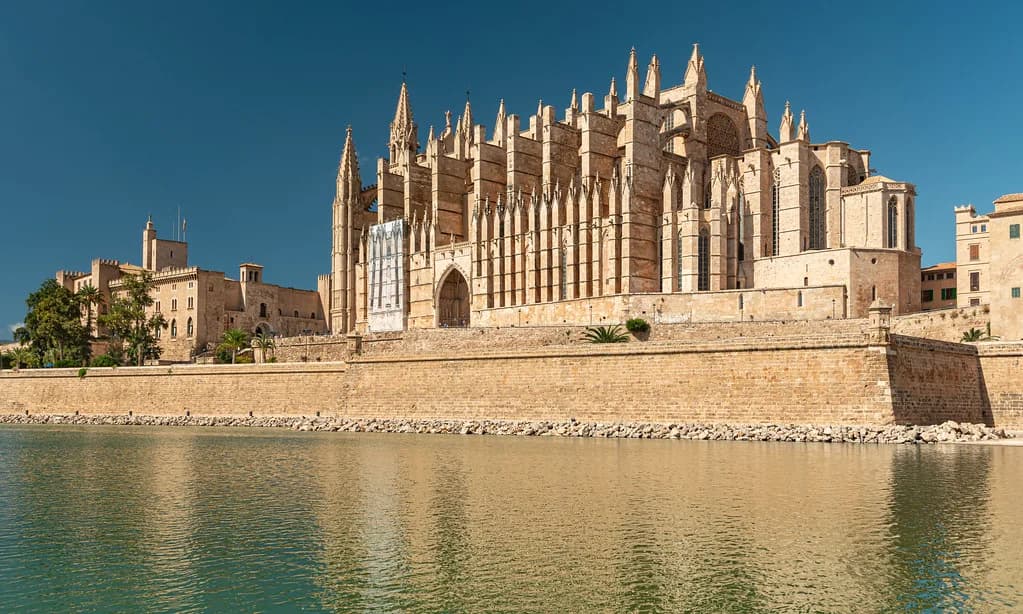
Book two nights and you get one full day for the cathedral and old town and a second for the parts people skip: the market, the waterfront and a long lunch. The Catedral-Basílica de Santa María de Mallorca anchors the sightseeing, and the streets around it reward aimless walking more than a route. If you are choosing between cities on a longer Spain trip, the same one-two-three-day logic applies in our guide to how many days in girona.
Three days suits anyone who wants a half-day out of the city, a beach afternoon or a repeat visit to a favourite tapas bar. Beyond three days, Palma becomes a base rather than a destination, which is a different kind of holiday. Anyone weighing Palma against a smaller Catalan city can compare with how many days in alicante.
What one day in Palma covers, and what you skip
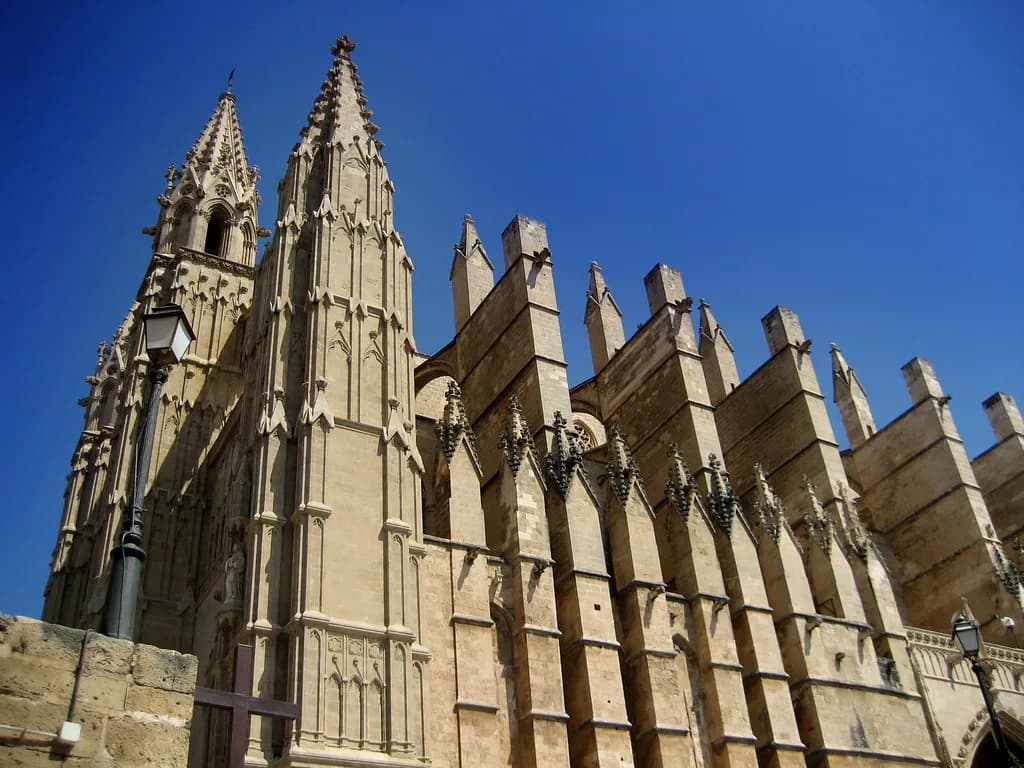
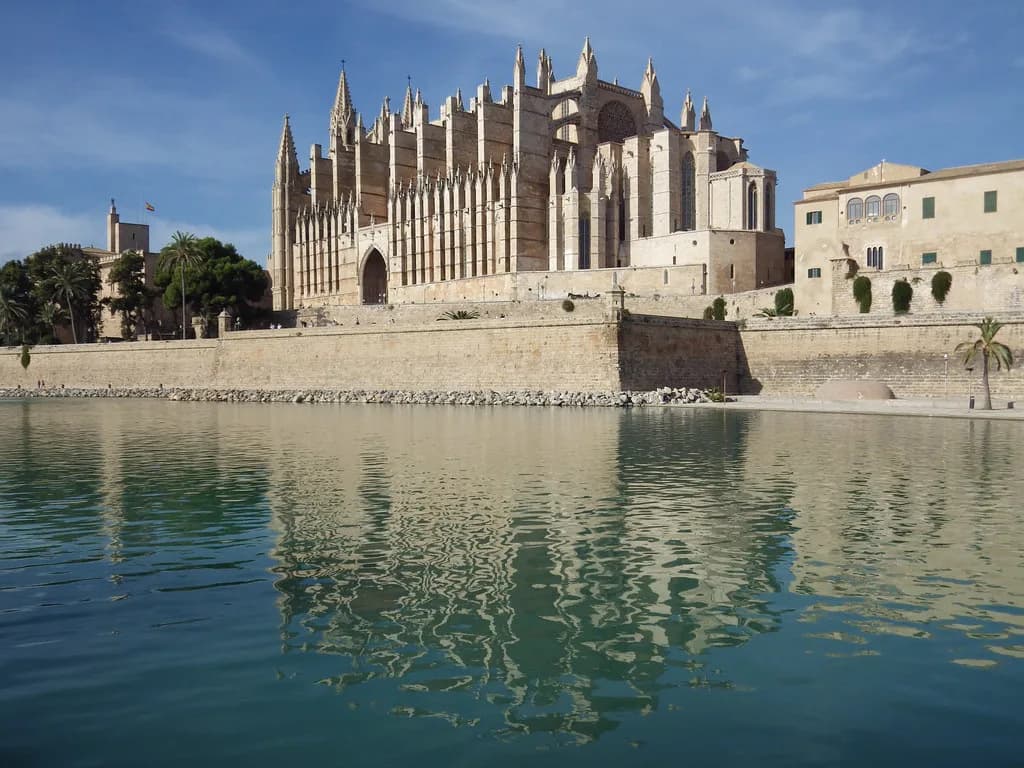
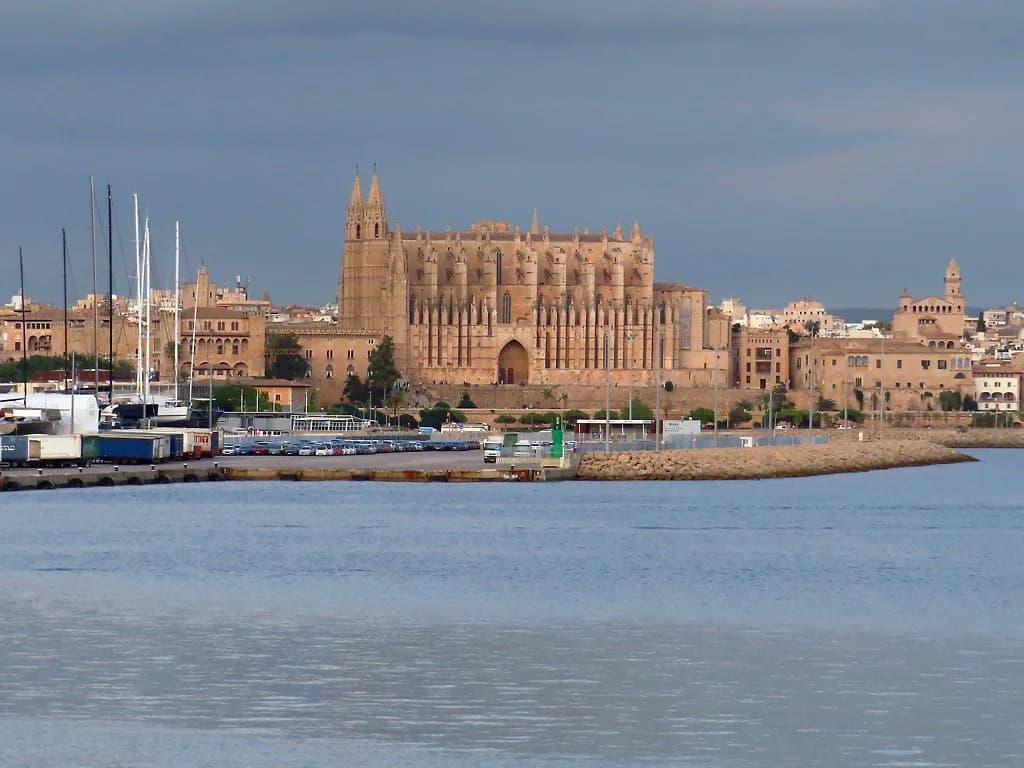
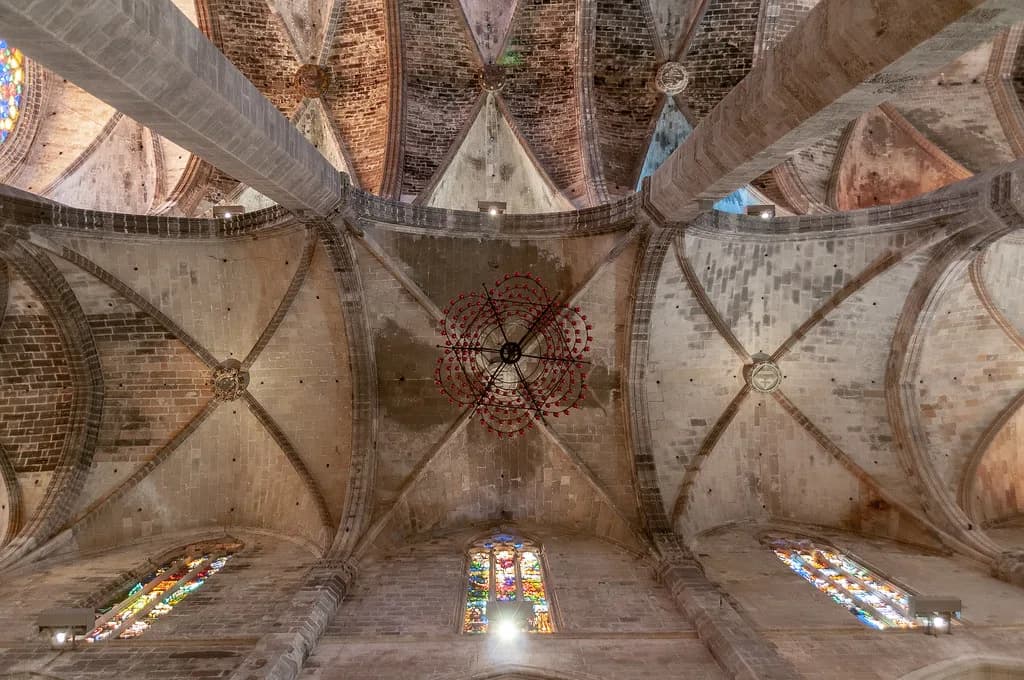
A single day in Palma realistically covers the cathedral exterior and interior, a loop through the old town and one sit-down meal. It does not cover a museum, a beach trip and a long lunch all at once; pick two and do them properly. The cathedral, Basílica de Santa María de Mallorca, is the natural centre of the day, with the surrounding lanes of the old town filling the hours either side.
One-day visitors arriving from a cruise ship should treat the old town as the whole day and skip any plan involving a bus to a beach. Eating earlier than instinct suggests is the practical trick: aim for a 1:30pm lunch and you will find tables and calmer kitchens. The full set of city sights, from the cathedral to the waterfront, is mapped out in our Palma Attractions collection.
Snacking is a reasonable strategy when time is tight. A stop for ice cream at Sa Gelateria, pastries at Fornet de la Soca or a drink at Ombu covers the gap between sights without committing to a full menu del día.
Two days in Palma: cathedral, old town and an evening of tapas
Day one belongs to the old town. Start at the cathedral in the morning, walk the lanes behind it through the middle of the day and take a late lunch rather than a rushed sandwich. The Basílica de Santa María de Mallorca sits at the heart of this and is the one building worth building the morning around.
Day two adds the market and the water. A morning at Palma's main market, followed by a slow lunch, then an afternoon on the waterfront or back in the old town for a last look, gives the city a second dimension that a single day misses. Keep dinner late, from 8:30pm or 9pm, and the evening stretches properly.
The trade-off on a two-day visit is beach versus city. Squeezing in a beach morning means losing the market and a long lunch, and the beaches near Palma are not the island's best. Treat two days as a city break and save the coast for a return.
Three days in Palma: add a half-day out or a slower morning
The third day is where Palma trips split. One option is a half-day out along the coast, and the classic version is the run north to Port de Sóller, with a tram connecting the port to Sóller itself. The port sits roughly 6km from the town, so the tram is a link rather than a walk, and the scenic road along the cliffs is part of the day.
Sóller sits in the Valley of Oranges, and its Plaza de la Constitución is the natural pause, with the Church of Saint Bartholomew at its edge and a Saturday market filling the square. It is a half-day, not a full one, which leaves the evening free back in Palma.
The other third-day option is to stay put and go slower: a market morning, a long lunch, an afternoon without a plan. This suits anyone travelling in high summer, when the middle of the day is better spent indoors. Our guide to palma in july covers what that heat does to a sightseeing day.
Where to base yourself in Palma
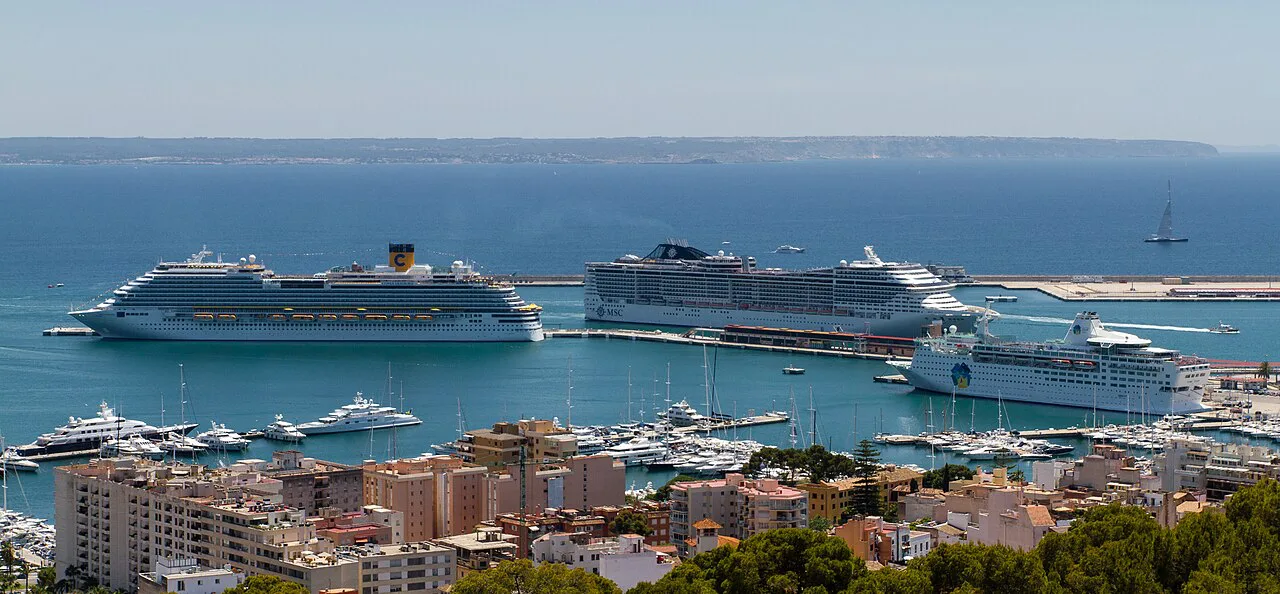
The old town is the right base for a two- or three-day city visit. You can walk to the cathedral, the market and most restaurants, and the atmosphere in the evenings is the reason people come. It is also the busiest and priciest part of the city, which is a real cost for anyone staying a week.
Staying outside Palma and driving in changes the shape of the trip. Campos, a small agricultural town in the south, puts Es Trenc beach about ten minutes away and works as a base for the island's beaches rather than the city. The trade-off is that Palma becomes a day trip rather than somewhere you wander after dinner.
Eating on Spanish time: lunch 1:30–4pm, dinner from 8:30–9pm
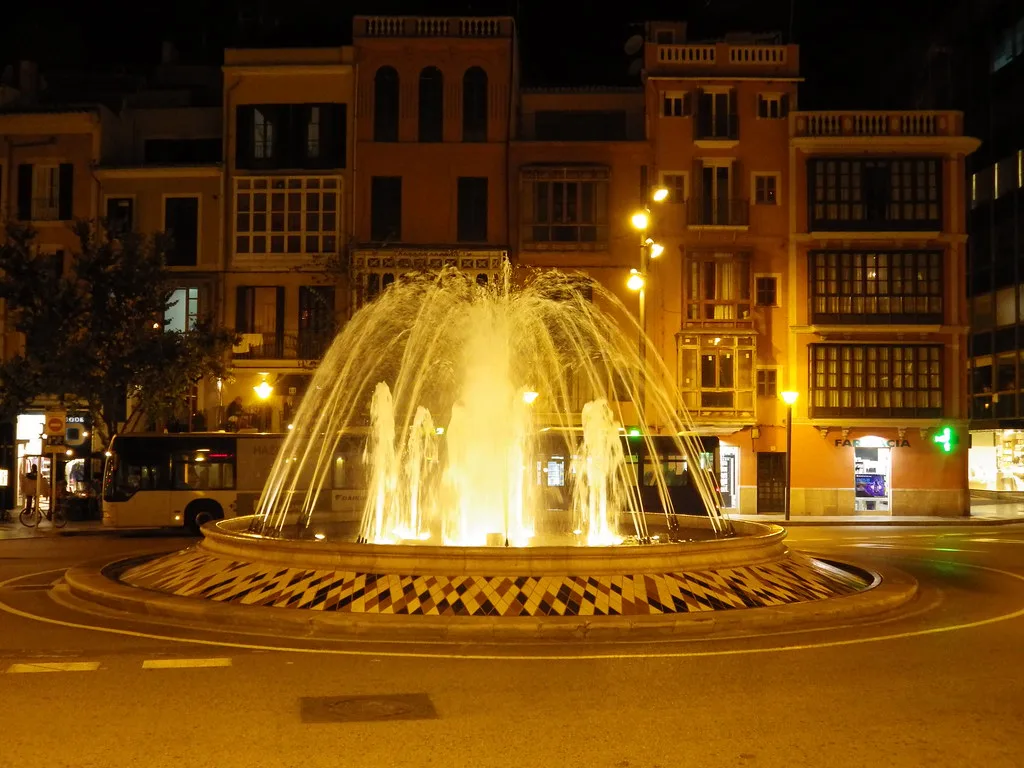
Spanish meal times are the single biggest planning constraint in Palma. Lunch runs from about 1:30pm to 4pm; dinner starts at 8:30pm or 9pm. Turning up hungry at 6pm means a snack, not a meal, and the same applies at 4:30pm, when kitchens wind down.
Build the day around those hours instead of fighting them. A late breakfast, a 2pm lunch and an evening drink before a late dinner leaves proper gaps for sightseeing, and it is how the city actually runs. A market morning followed by lunch at 2pm is a better day than an early lunch and an empty afternoon.
If a restaurant you want does not open when you are ready to eat, have a fallback rather than a plan. Ice cream at Sa Gelateria or pastries from Fornet de la Soca fill a gap, and a drink at Ombu covers the pre-dinner hour.
Who should stay longer than three days
Stay four or five days in Palma if you want the city plus a proper beach day and a mountain day without rushing either. The Serra de Tramuntana inland and the southern beaches around Es Trenc are two different trips, and one day cannot hold both. Adding nights is the only way to slow down rather than tick off.
Longer stays also suit travellers who are working or travelling off-season and want a base rather than an itinerary. In September the island quiets down and the city becomes easier to enjoy without heat or queues. Our palma in september guide covers what changes.
Anyone who wants the coast in earnest should consider splitting the trip: two nights in Palma and two near the beaches. That avoids hours of driving each way and puts you by the water when the day is at its best.
Who should keep Palma to a day and see the island instead
If your holiday is primarily about beaches, coves and swimming, give Palma one day and spend the rest of the time on the coast. The island's calas and long sandy beaches are the reason many people come, and the city is a fine change of scene rather than the main event.
A day in the city fits neatly into a beach-based trip before a flight or after landing. It also works for cruise passengers whose ship is in port for a single day.
Anyone travelling in August should plan around the crowds rather than against them. Our palma in august guide covers what the city feels like that month and how to time a visit.
What to do in Palma de Mallorca in 3 days
A workable three-day shape: day one cathedral and old town; day two market, waterfront and a slow lunch; day three a half-day out to Sóller or Port de Sóller, or a repeat of whatever you liked most. That sequence keeps the sightseeing front-loaded and leaves the last day flexible.
Meal times anchor the plan. Lunch at 2pm and dinner at 9pm leave room for an evening paseo and a drink before eating. The full set of city sightseeing notes is in Palma Attractions: 6 Visitor Guides, which covers the old town and waterfront in more detail.
How to Plan Your Palma Trip
Two days is the answer for most people: cathedral, old town, market and one good evening of tapas at Spanish hours. Add a third only if you want a half-day out to Sóller or Port de Sóller, or a slower day with a long lunch at its centre.
If you are here mainly for beaches, make Palma a day and put the rest of your trip on the coast; if you are here for the city, base yourself in the old town and walk. Check opening days for restaurants before you build a day around one, since many close one or two days a week.
Explore more Palma guides
Frequently Asked Questions
How many days do you need in Palma de Mallorca?
Two days is enough for most visitors: the cathedral, the old town, the market and one long evening of tapas. One day covers the cathedral and old town but little else, and a third day is best used for a half-day trip out of the city rather than more sightseeing.
Is 2 days enough for Palma?
Yes, two days is the sweet spot. Day one covers the cathedral and the old town lanes; day two adds the market, the waterfront and a slow lunch. Plan around Spanish meal times, with lunch from about 1:30pm to 4pm and dinner from 8:30pm or 9pm, and the day will flow.
What can you do in Palma in 3 days?
Day one is the cathedral and old town, day two the market and waterfront with a long lunch, and day three a half-day out towards Sóller or Port de Sóller. Keep evenings for a late dinner. A third day also suits anyone who wants a deliberately slow morning rather than another museum.
Is Palma worth visiting for a day from a cruise ship?
Yes. From a cruise ship, walk the old town around the cathedral and take a late lunch rather than trying to reach a beach. One day gives you the city's core and no more, which is the right trade for a port stop.
How long does it take to drive around Mallorca?
The island is large enough that a full circuit is a long day of driving, and Palma to the northern coast around Port de Sóller is a half-day each way. Treat the island as several separate trips rather than one loop, and plan to stay overnight if you want both the city and the coast.
Sources
Notes for eating well in Spain
Optional updates to our guides.
You might also like
Continue reading
More guides you'll find useful