Things to Do in Málaga: What's Worth It and What to Skip
Plan your days in Málaga by area and time of day, from the Alcazaba and cathedral to Atarazanas market and La Malagueta, with honest trade-offs.
On this page
Málaga works best in short, walkable blocks: a morning on the hill at the Alcazaba and Gibralfaro, a cathedral and museum stretch before lunch, then the market, harbour and beach once the day cools. Almost everything sits inside or beside the Centro Histórico, so you rarely need transport between sights. The trade-off is that the centre is busy and heavily geared to visitors, and a few headline stops eat more time than you expect.
Build the day around Spanish timing rather than a flat list. Lunch runs roughly 1:30–4pm and dinner starts around 8:30–9pm, which leaves a long afternoon for museums, the port or the sand at La Malagueta. Two full days covers the centre comfortably; add a third for a day trip or a slower morning.
The short answer: what to prioritise with one, two or three days
With one day, take the Alcazaba and Teatro Romano first thing, see the cathedral, eat lunch late, then walk Calle Larios and finish at the harbour or the beach. With two days, add the Museo Picasso Málaga and Mercado Central de Atarazanas, and use the second evening for flamenco or a rooftop drink. A third day is best spent outside the centre altogether.
The centre is compact enough to cross on foot, which makes over-scheduling the main risk. Pick one paid interior per half-day rather than three, and leave the market and Calle Larios for the hours when you want to be outdoors and moving.
How the city fits together: Centro histórico, Soho, Muelle Uno and La Malagueta
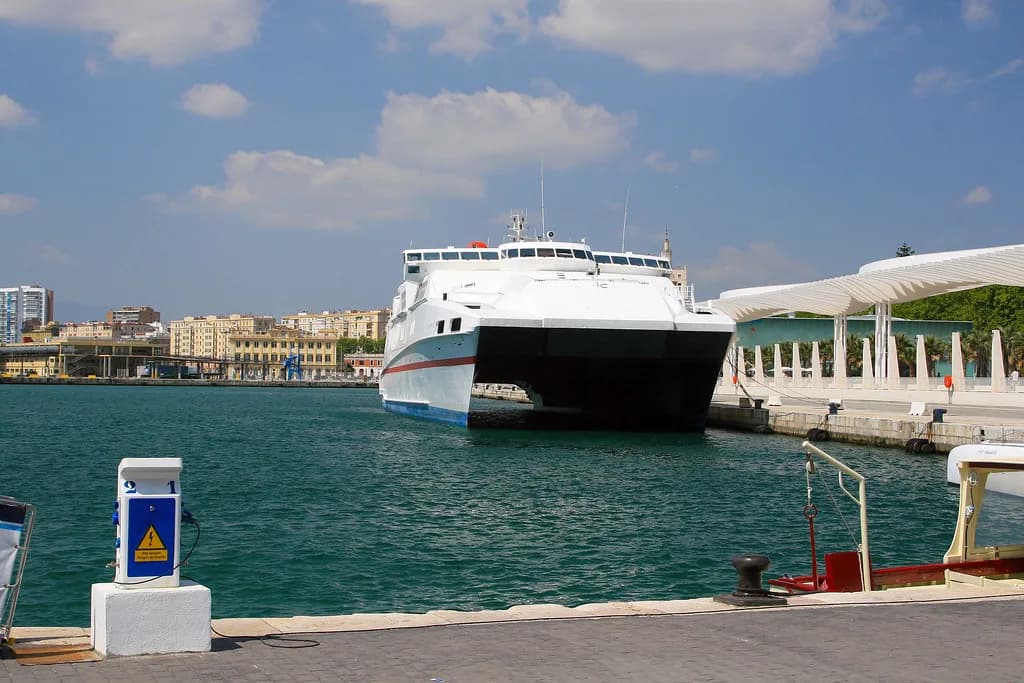
The Centro Histórico holds the Alcazaba, Roman Theatre, cathedral, Picasso Museum and Carmen Thyssen within a few minutes of each other. East of it, Soho Málaga is the arts quarter north of the port, filled with large street murals, cafés and galleries in a former industrial area. Beyond that, Muelle Uno is the modern harbour development, and Playa la Malagueta is the city beach a short walk from the old town.
The harbour and beach sit in a straight line east of the centre, so you can walk from the cathedral gardens past Muelle Uno and onto the sand without doubling back. Soho fits naturally between the two, which makes it a sensible late-afternoon route.
Morning: the Alcazaba, Teatro Romano and Castillo de Gibralfaro
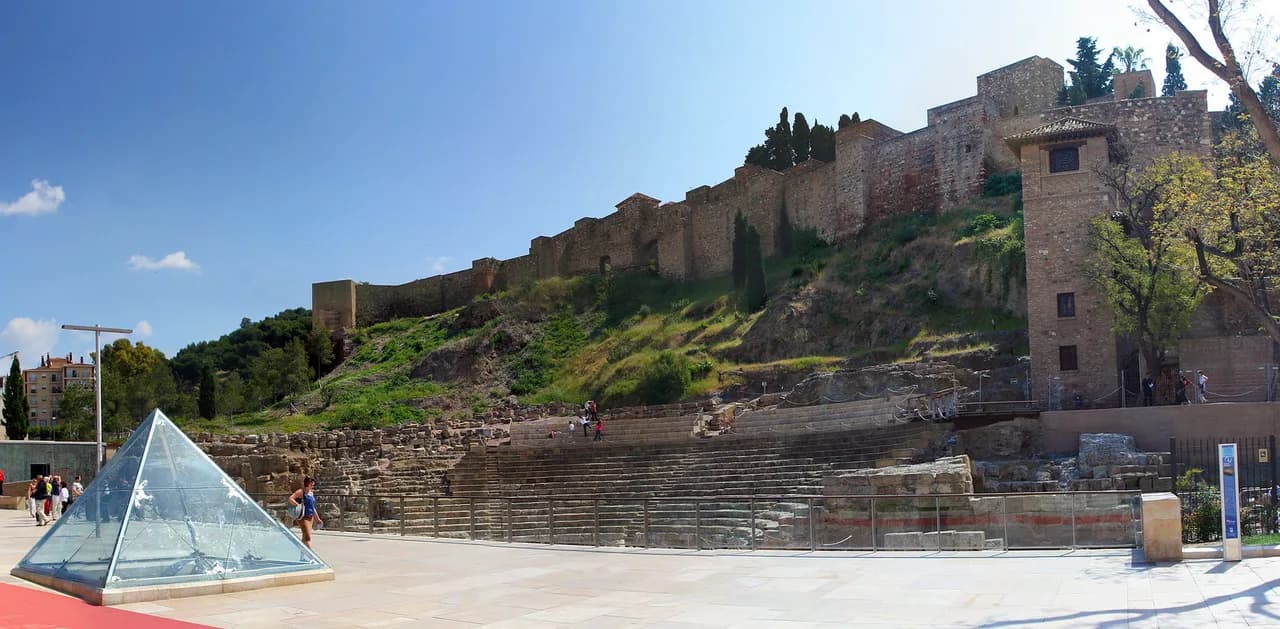
The Alcazaba is the city's showpiece: a Moorish fortress-palace on a hill above the port, with jasmine-scented patios, fountains, gardens and long views over the city. It is free to enter on Sundays from 2pm, though a street parade shut it on the day one visitor turned up. The Teatro Romano sits directly below, free to view from the street, with a glass cube nearby showing the basins of an old fish-sauce factory.
Castillo de Gibralfaro is higher again, reached by a narrow, steep road that takes fifteen to twenty minutes on foot and is not suitable for wheelchairs or pushchairs. The reward is the best view of the harbour and the bullring, and a combination ticket with the Alcazaba trims the entry cost. If the climb sounds like too much, choose the Alcazaba and skip the castle.
Some visitors pair the two with a guided tour covering entry, but doing it yourself is straightforward and lets you linger over the gardens. Start early in summer, when the climb is cooler and the terraces are quieter.
Mid-morning: Málaga Cathedral and the unfinished-tower story
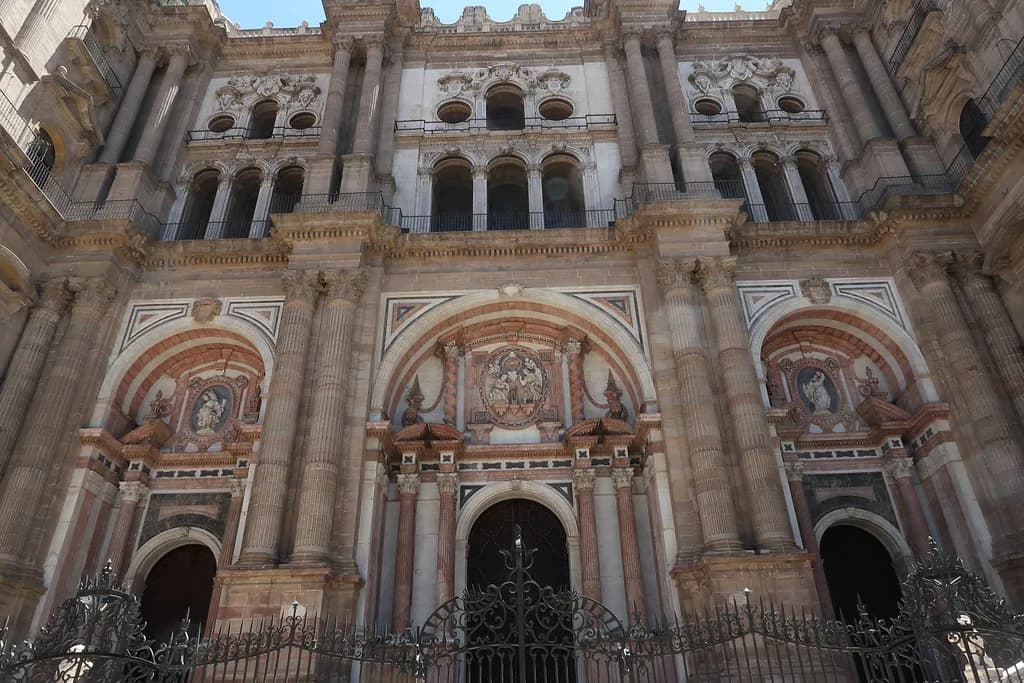
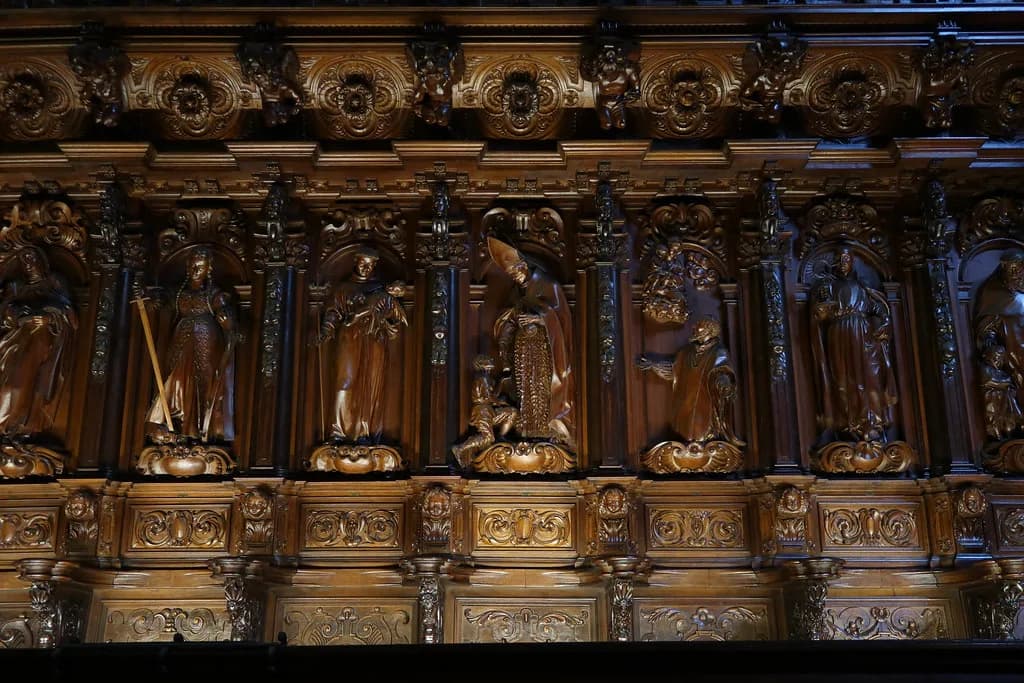
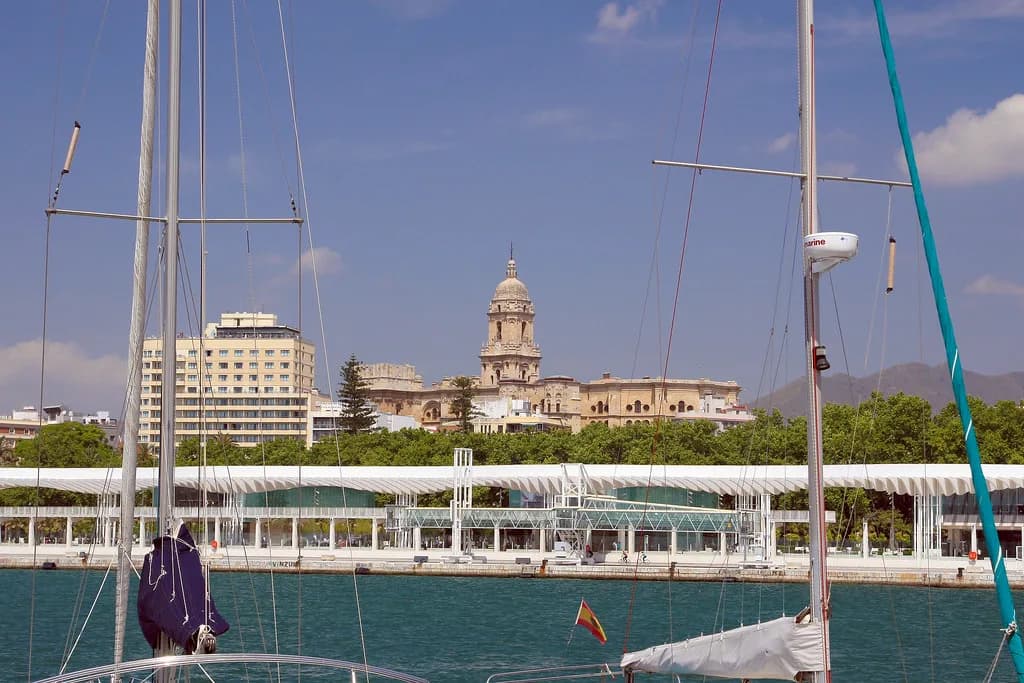
The Catedral de la Encarnación, built on the site of a former mosque, mixes Renaissance, Gothic and Baroque elements, and locals call it La Manquita — the one-armed lady — because its right tower was never finished. Inside you get soaring vaulted ceilings, ornate chapels and two large pipe organs.
There is a free window early in the morning, before 9am, and on Sundays slightly later, though that visit excludes the audio guide that comes with a paid ticket. Rooftop access and evening summer openings are also offered, so price up the combination you actually want on the cathedral's own ticket page before queueing.
Art stop one: Museo Picasso Málaga, booking and crowds
Picasso was born in Málaga, and the Museo Picasso Málaga in the Buenavista Palace holds more than two hundred of his works, donated by his family, across three floors. Early sketches, Cubist paintings and ceramics sit alongside rotating exhibitions.
Crowds are the real cost here: one visitor found the galleries so busy that reading the texts and studying works in peace was hard. Booking ahead is sensible because queues form, though not always. A free Sunday slot described as two hours before closing draws interest, so arrive early if you take it.
Art stop two: Museo Carmen Thyssen and why it suits a shorter visit
The Museo Carmen Thyssen, founded in 2011, holds over 280 paintings tracing Spanish art from Romanticism to the early twentieth century, with a strong Andalusian thread. It is smaller and calmer than the Picasso, which makes it a good choice if you want one art stop rather than a full afternoon indoors.
Sunday afternoons are free there, but arrive a little ahead because that slot fills quickly. If you are choosing between the two museums on a tight schedule, take Thyssen for speed and Picasso for depth.
Food stop: Mercado Central de Atarazanas — market first, tapas second
Atarazanas is Málaga's central food market, housed in a nineteenth-century shipyard building with a Moorish arch and a huge stained-glass window showing the old port. Stalls carry fish, meat, fruit, spices, olives and cheese, and it stays a working market where locals shop rather than a museum piece.
Come for the shopping first and the eating second: tapas are served at outdoor tables and the hall is smaller than Barcelona's La Boqueria. A Málaga food tour commonly stops here for almonds and olives, which is a useful shortcut if you want context with your shopping.
Lunch timing: why 1:30–4pm matters
Spanish lunch runs about 1:30–4pm, and the centre's restaurants fill accordingly, so an early sit-down at 12:30 often means eating alone in an empty room. Plan your museum or climb for late morning, then sit down when the kitchens are fully open. Dinner starts around 8:30–9pm, which leaves the late afternoon free for the harbour, beach or a rooftop drink.
At El Pimpi, a sprawling bodega with a terrace facing the Alcazaba, the dish to order is fritura malagueña, a platter of fried fish and seafood. It is popular with visitors and locals alike, and the indoor rooms, wine barrels and celebrity photos are part of the appeal.
Afternoon: Calle Larios, Plaza de la Constitución and the old-town back streets
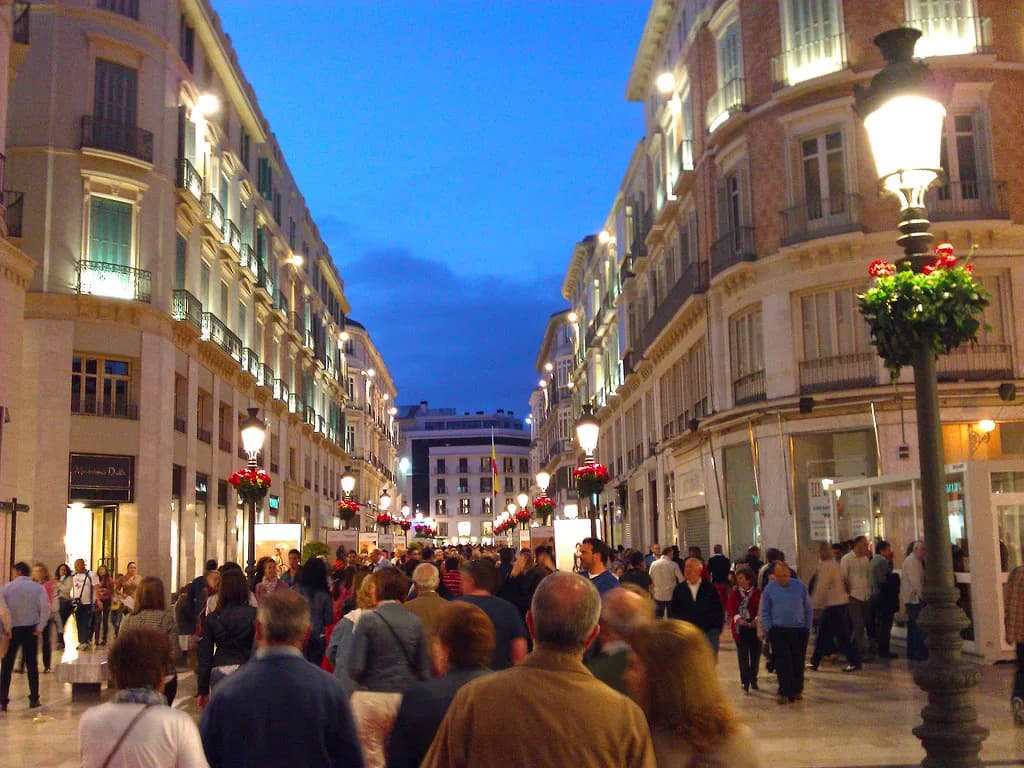
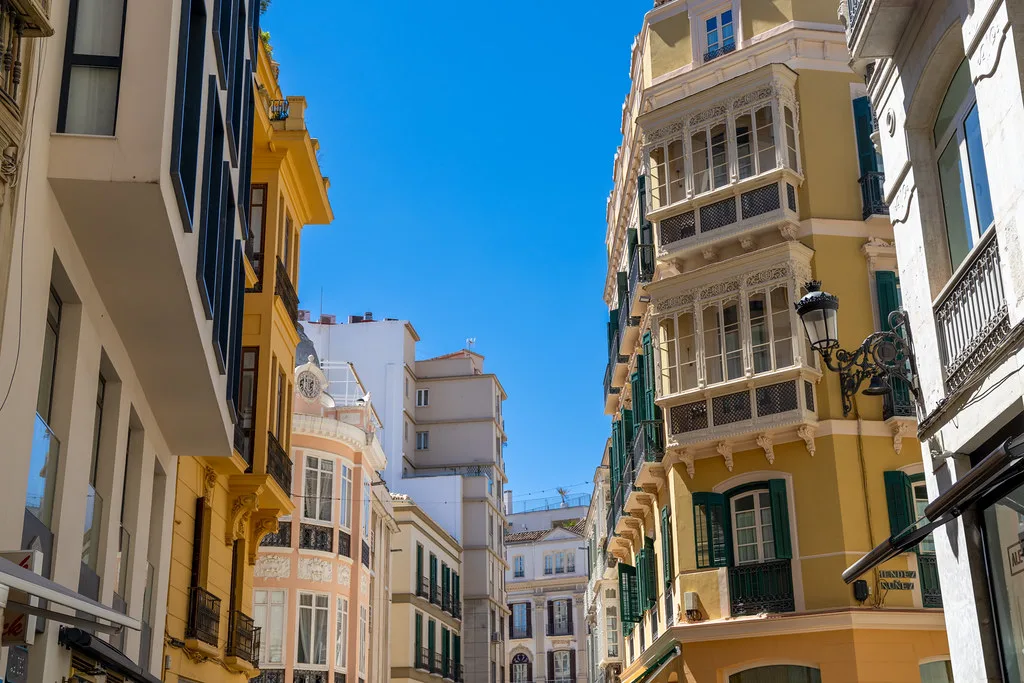
Calle Larios is Málaga's main shopping street and the spine of the historic centre, lively year-round and the stage for Christmas lights from late November to early January and Easter processions. It leads towards Plaza de la Constitución, but the real pleasure is in the side alleys off it, where small shops and cafés sit in near silence.
Plaza de la Merced, a square lined with restaurants, holds the Picasso statue — a bench with the artist seated on it, so you can sit beside him for a photo. It is a natural pause between the Picasso Museum and the streets heading north.
If you want to eat your way through these streets rather than just walk them, our guide to the best restaurants in malaga old town picks out the tables worth planning around.
Soho and Muelle Uno: street art, the Pompidou cube and the harbour walk
Soho Málaga, north of the port, is the city's arts district: large murals by well-known street artists, plus modern galleries, theatres and hip cafés on streets that were once industrial. A self-guided walk costs nothing and takes under an hour if you keep moving.
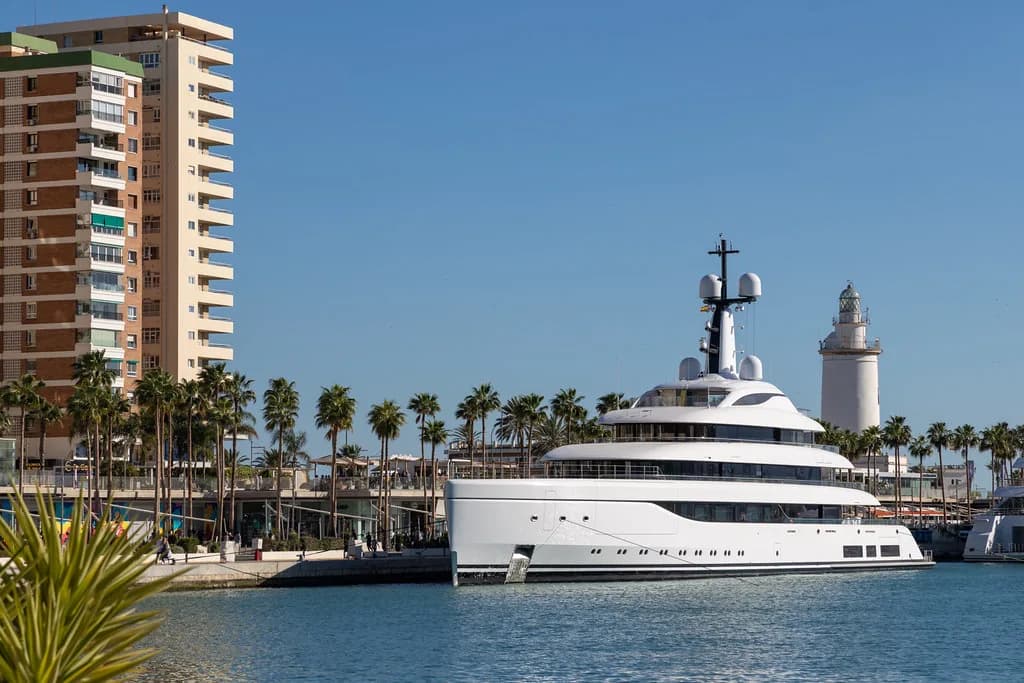
Muelle Uno is the modern harbour development, with terraces, restaurants, shops and the glass cube of Centre Pompidou Málaga, whose coloured panels are visible from outside. One visitor found it too busy and short on character, and the lighthouse at the end cannot be entered, so treat it as a walk-through rather than a destination.
The Pompidou branch holds mainly modern art, and entry is free on Sundays from 4pm. The stroll from the centre through the Parque de Málaga to Muelle Uno and on to the beach is the better reason to come.
Beach break: Playa la Malagueta and the espeto question
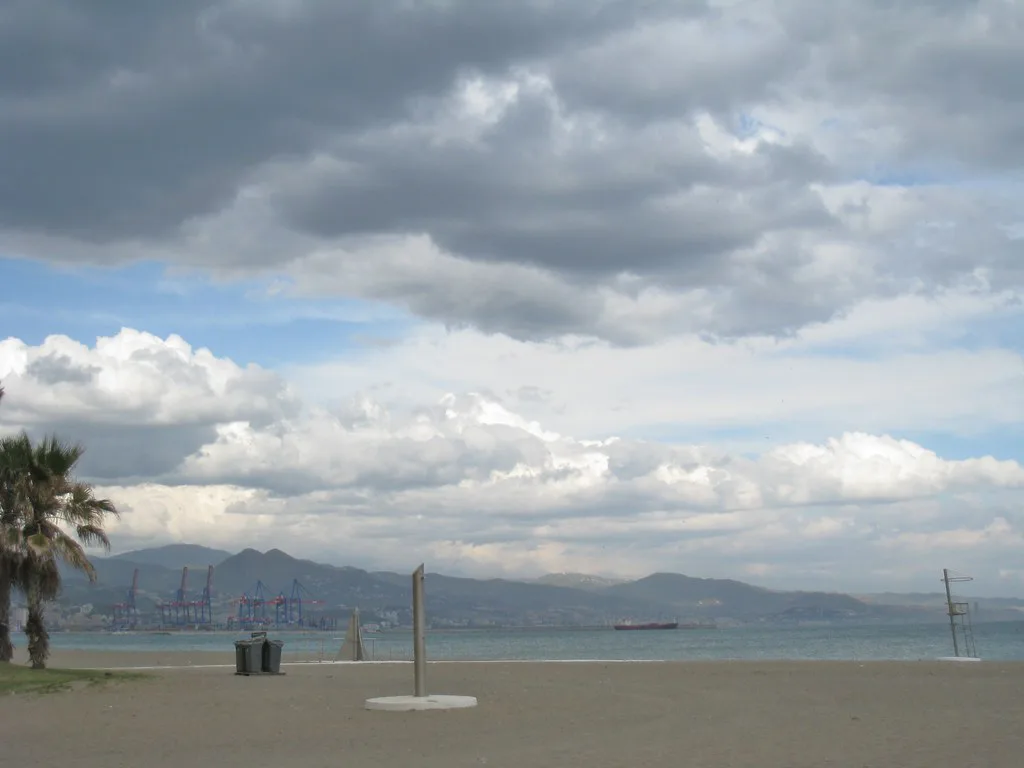
La Malagueta is the city beach, a short walk from the old town and easy to reach straight from Muelle Uno. It is not the most beautiful sand in Andalusia, but the convenience is the point: you can swim in the afternoon and be back in the centre for a late dinner. Sunbeds disappear outside the warmer months, and beach sellers are constant in season.
The dish to try here is espeto de sardinas, sardines skewered and grilled over open flames at the chiringuitos. At Tropicana they are roasted on a boat right in the sand, while El Balneario is the smarter, pricier option with sea views.
Drinks and sweet things: Antigua Casa de Guardia, churros and ice cream
Antigua Casa de Guardia is Málaga's oldest bar, pouring sherries, vermouths and sweet local wines straight from the barrel. Order a pajarete, the sweet liqueur wine typical of the region, if the list means nothing to you. The waiter chalks your running total on the bar and wipes it off when you settle up.
For churros, Casa Aranda is the local benchmark for a traditional breakfast or merienda, while Tejeringos Coffee offers sauces such as caramel and white chocolate alongside the usual thick chocolate. Casa Mira is the oldest ice-cream shop in the centre, and Capricho, outside the historic centre, is where to find flavours like Málaga wine and raisin or tomato.
Evening: flamenco, tapas dinners and rooftop views
Restaurante Alegría stages flamenco every day and takes bookings, which is the safer route in high season; the Andalusian and tapas menus both work before the show. Museo Peña Juan Breva, a flamenco museum with more than sixty years behind it, hosts performances on Tuesdays and Fridays.
For dinner, wait until 8:30–9pm so kitchens are in full swing, and book ahead at weekends. Afterwards, head up to a rooftop: AC Palacio Málaga for sea views, Terraza la Alcazaba for the fortress, or La Terraza de Valeria just outside the centre for port views. Expect to pay more than at street level, and accept that as the price of the view.
Free and cheap options: when entry is free and when to pay anyway
Free windows exist but they come with compromises. The cathedral opens free early morning, the Alcazaba and Gibralfaro on Sundays from 2pm, the Centre Pompidou on Sundays from 4pm and the Carmen Thyssen on Sunday afternoons. The cathedral free slot excludes the audio guide, and Sunday crowds can be heavy.
Plenty costs nothing at all: the Teatro Romano from the street, the Parque de Málaga with its exotic trees and statues, the street art in Soho, the market hall and the Roman Theatre area beside the Alcazaba. The cathedral gardens and the Malaga sign by the Roman Theatre are also free photo stops.
Honest trade-offs: queues, tourist-heavy streets and whether Málaga is worth more than two days
Málaga's centre can feel like a chain-heavy tourist strip in places, and one repeat Andalusia traveller found the modern side winning over the authentic one and the city short on sights beyond the centre. That verdict is fair if you have already spent time in Cádiz or Córdoba. If you have flown in from a cold, wet week and want sun, tapas and terraces, it delivers.
Two days covers the centre at a relaxed pace, and a week in the city alone would drag. Beyond that, use Málaga as a base: the Caminito del Rey, Antequera, Ronda and Setenil de las Bodegas each justify a day out, and the airport sits twenty minutes from the centre by direct metro.
What to skip or save for another trip
Skip the Gibralfaro climb if your knees are doubtful, the bullring interior if the idea does not appeal, and Muelle Uno if you want character rather than shops — the lighthouse cannot be entered anyway. Save the Caminito del Rey, the Caves of Nerja and the white towns for a separate day, because each needs a full day and advance booking.
A tapas cooking workshop is a good rainy-day substitute for a day trip, but it eats an afternoon you might rather spend outdoors; compare current class listings and prices before committing.
Practical points: Sundays, August heat and lunchtime closures
Sunday changes the city: free-entry windows open at the Alcazaba, Gibralfaro, cathedral and museums, so expect company at each. Some sights close for events without notice, as one visitor found when a parade shut the Alcazaba on a Sunday afternoon. Have a backup and check the day before.
August heat makes the middle of the day unpleasant in the city, so shift sightseeing to early morning and evening and use the beach or a museum at peak heat. Many small restaurants keep Spanish lunch and dinner hours and close between services, so plan meals around 1:30–4pm and from 8:30pm rather than grazing all afternoon.
If you want one table to anchor the trip, start with the best restaurants in malaga and shortlist two or three near your route.
Where to go next
Lock the backbone first: Alcazaba and Roman Theatre in the morning, cathedral and one museum before a late lunch, market and Calle Larios in the afternoon, harbour or beach before a late dinner. That sequence respects both the city's geography and its meal times, and leaves room for flamenco or a rooftop at the end.
For food, move from the broad picture to specifics: browse the best tapas in malaga for bar-hopping, then check what to eat in malaga for dishes such as fritura malagueña, espeto and pajarete. Our food tour guide covers market tastings if you want the market explained as you eat.
Beyond the centre, Málaga's appeal depends on your appetite for day trips and on how much of Andalusia you have already seen. Two well-planned days is enough for the city; add the province only when you have a third day to spare.
Explore more Málaga guides
- Best Restaurants in Málaga
- Best paella in Málaga
- Best Restaurants in Málaga Old Town
- Málaga Food Tours
- The Best Tapas in Málaga
- What to Eat in Málaga
- Best Cafés in Málaga for Breakfast, Brunch and Proper Coffee
- Best Churros in Málaga
- Cheap Eats in Málaga
- Michelin-Recognised Restaurants in Málaga
- Málaga Cooking Classes
- Málaga Rooftop Bars
- Málaga Seafood Restaurants
Frequently Asked Questions
How many days do you need in Málaga?
Two full days covers the historic centre at a relaxed pace: the Alcazaba and Roman Theatre, the cathedral, one art museum, Atarazanas market, Calle Larios and the harbour or La Malagueta beach. Add a third day if you want a day trip to the Caminito del Rey, Antequera, Ronda or Setenil de las Bodegas, or a slower morning with a long lunch.
What are the best things to see in Málaga old town?
Prioritise the Alcazaba fortress-palace and the Roman Theatre below it, the unfinished cathedral known as La Manquita, and the Museo Picasso Málaga in the Buenavista Palace. Add Mercado Central de Atarazanas for the market hall and tapas, Calle Larios for the main shopping street, and Plaza de la Merced for the Picasso statue. The Museo Carmen Thyssen suits a shorter art stop.
Are things open in Málaga on a Sunday?
Yes, and Sunday brings free-entry windows at several sights, including the Alcazaba and Gibralfaro from 2pm, the Centre Pompidou from 4pm and the Carmen Thyssen in the afternoon. Expect more company at each, and note that sights occasionally close for parades or events, so have a backup plan. The cathedral also has an early free slot on Sundays. Confirm times on each venue's own site before you go.
What food should you try in Málaga?
Order fritura malagueña, a platter of fried fish and seafood, at a bodega such as El Pimpi, and espeto de sardinas grilled over open flames at the chiringuitos along La Malagueta. For drinks, try pajarete or vino de Málaga at Antigua Casa de Guardia, poured straight from the barrel. Churros with thick chocolate make a proper breakfast, and the ice-cream shops sell local flavours.
Is Málaga worth visiting if you have already seen Andalusia?
It still works well as a short sun-and-tapas break with genuinely good sights packed into a walkable centre. If you have already spent time in Cádiz or Córdoba, the chain-heavy streets and busy harbour can feel less distinctive, and two days is usually enough. Treat the city as a base and add a day trip into the province for a fuller trip.
When is entry free at Málaga's main sights?
Free windows include the cathedral early in the morning, the Alcazaba and Castillo de Gibralfaro on Sundays from 2pm, the Centre Pompidou on Sundays from 4pm and the Carmen Thyssen on Sunday afternoons. The free cathedral visit does not include the audio guide. These arrangements can change, so check the venue's own ticket page before planning your day around one.
Sources
Notes for eating well in Spain
Optional updates to our guides.
You might also like
Continue reading
More guides you'll find useful