Things to Do in Tenerife: Where to Go and When
Plan Tenerife by area and time of day: Teide and the cable car, Masca, Los Gigantes boat trips, Anaga, Santa Cruz, and the south's beaches and promenades.
On this page
Tenerife rewards planning by area rather than by list. The southern resorts, the north-east towns and the Teide crater sit far enough apart that trying to combine them in one day means hours in the car rather than time at the sights. Group each day around one region and you get shorter drives, more time on foot and a proper lunch inside Spanish hours, roughly 1:30–4pm.
The island's road network makes this easy: a ring road links most of the island, and the drive from the far south to the capital, Santa Cruz, takes about an hour. The exception is the east, where roads are slower. Renting a car opens up Masca, Anaga and the north coast, but several of the best-known trails and viewpoints need permits or advance tickets, so decide those before you fly.
Quick Answer: What to Prioritise on a First Trip
Three days to four days covers the highlights: one full day on Teide, one in the north-east around Anaga and Santa Cruz, and one on the coast at Los Gigantes or the southern beaches. Five to seven days lets you add Masca, Icod de los Vinos and a slower day at a water park or on the promenade. More than that and you can start fitting walks around the weather rather than rushing between viewpoints. If you are weighing this island against another Canary Island, our things to do in fuerteventura guide shows the same beach-and-dunes decisions in a flatter, drier setting.
Base yourself according to what you want from the trip. Costa Adeje in the south is the most practical base for combining sightseeing with beach time, and the south has the most reliable weather in the resorts. The north around Puerto de la Cruz and La Orotava feels more Canarian and puts Anaga, Icod and Garachico within easy reach, but you will drive further to reach the southern beaches.
Start With Teide National Park: Height, Cable Car and the Summit Permit
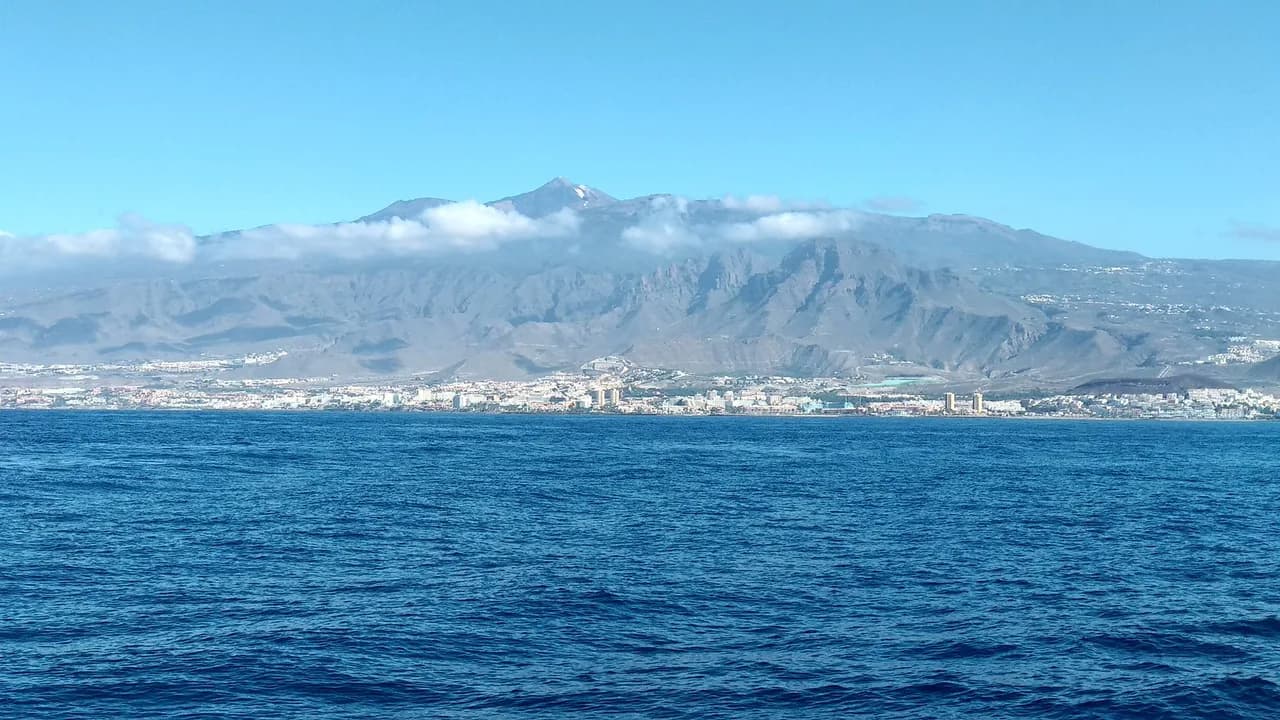
Pico del Teide rises to 3,718 m and sits in the middle of a caldera roughly 30 km wide, so you can see the volcano from much of the island. A cable car carries you almost to the top, where the views stretch across the island on a clear day. Give the national park itself two hours or so: the rock formations around the Mirador de la Rueta are the postcard shot, but the flatter trails away from the main stops are quieter.
Two things trip people up. First, the final stretch to the crater needs a separate permit, and those are often booked out months ahead, so reserve as soon as your dates are fixed. Second, the cable car and the park roads sometimes close in bad weather; booking transport, cable car and permit as one guided package makes rescheduling far simpler if the mountain shuts down.
Altitude is the third consideration. Shortness of breath and headaches are common at this height, and even the level walkways at the top station demand reasonable fitness. Dress in layers and take sturdy shoes, because the park can be cold and snowy in winter and chilly even in summer. Sunrise, sunset and the stargazing tours make the most of the clear skies, but only when cloud stays away.
Masca and the Teno Mountains: Narrow Roads and a Two-Hour Parking Limit
The Teno mountains in the west are quieter than the rest of the island, and the winding road delivers one viewpoint after another. Masca is the famous stop, a cluster of houses along a mountain ridge with cobbled paths, a café and little else beyond the scenery. The drive in is beautiful but genuinely narrow and full of hairpins, so go early in the morning if you want any chance of a parking space.
Parking in the village is limited to two hours, which rules out leaving the car there for a hike. The Masca gorge trail down to the sea opens only several days a week and tickets are very limited, so book well ahead if that walk is the point of your day. Guided tours bundle the permit, the boat and transfers, which saves a lot of arranging and gives you a fallback hike if the gorge closes at short notice.
Los Gigantes: Cliff Viewpoints and Whale-Watching Boats
The cliffs of Los Gigantes drop into the Atlantic and dominate the west coast. Two viewpoints are worth seeking out: Mirador Archipenque above the village and Mirador el Trio Divina along the clifftop path in town. The cliffs are the draw, but the water below is the real reason to spend an afternoon here.
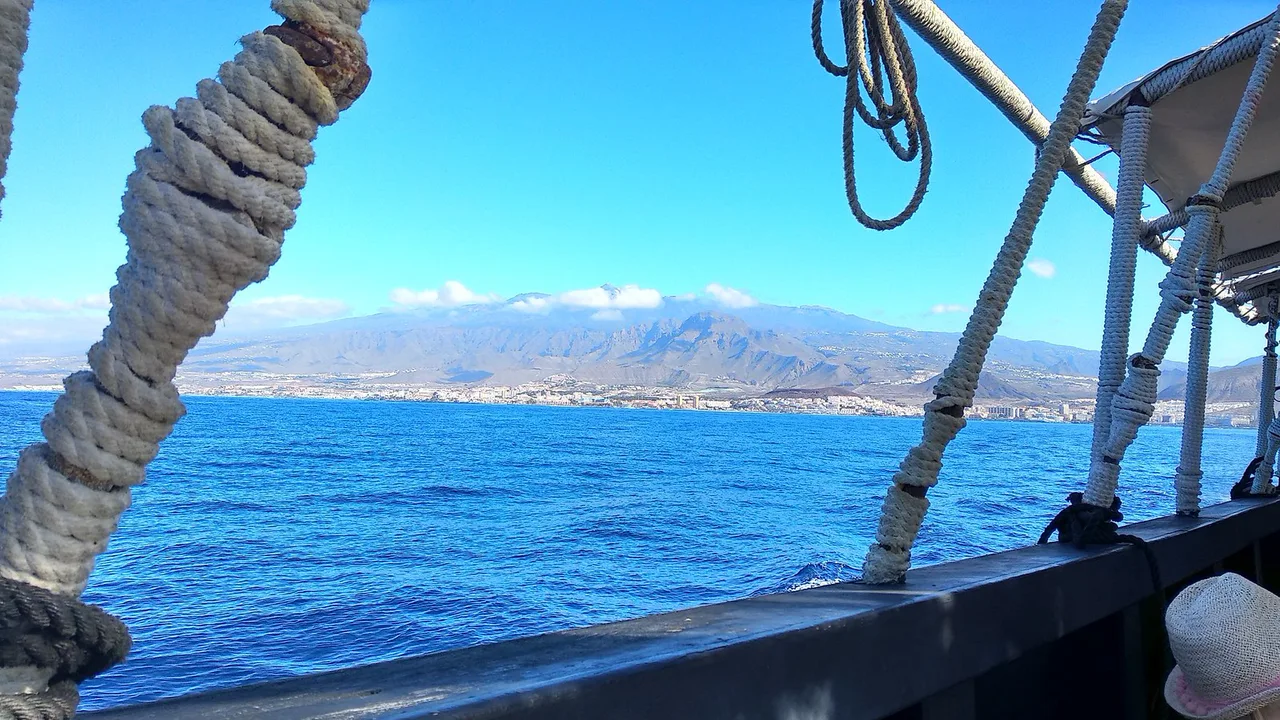
Boat tours leave Los Gigantes harbour year-round and combine the cliffs and Masca gorge with a good chance of short-finned pilot whales and bottlenose dolphins, both resident in these waters. Trips run from two to five hours, and some include a swim stop, drinks or lunch. Sunset departures are popular, so compare what each Los Gigantes tour company actually includes, since itineraries and inclusions differ from one boat to the next.
If you would rather stay on land, walking the harbour and the clifftop path fills a half-day. Pair it with a late lunch rather than an early dinner; kitchens in resort areas tend to run lunch from about 1:30pm and dinner from 8:30–9pm, so a boat trip finishing mid-afternoon fits the rhythm neatly.
Anaga Rural Park: Laurel Forest, Fog and Tight Parking
Anaga in the north-east is Tenerife's greenest corner, with laurel forest, remote villages and misty trails a world away from the southern resorts. The Mirador Cruz del Carmen and Mirador De Jardina viewpoints are the easiest wins, while the Enchanted Forest trail requires a permit. It is a superb area for hikers and a difficult one for drivers: the roads are narrow and winding, fog is common and parking is extremely limited.
Choose one hike and arrive early, then treat any further stop as a bonus or leave it until late afternoon when day trippers head back. Public transport here is limited, so a car or a guided tour is the realistic way in. Cloud in the mountains does not necessarily mean a wasted day, because the coast below can be sunny; just accept that moving between areas takes time.

Santa Cruz de Tenerife and La Laguna: A City Half-Day
The capital is often skipped by visitors who stay in the south, which is a shame, because Santa Cruz packs the Auditorio de Tenerife, the Palmetum botanical gardens, the César Manrique Maritime Park and the Mercado de Nuestra Señora de África into a walkable centre. The market is the best place to see regional produce and pick up a picnic or a snack. Allow half a day, then add the beach at Playa de las Teresitas, a ten-minute drive north.
In February or March the Santa Cruz Carnival is worth planning around, and it is often described as second only to Rio among the world's carnivals. Inland, San Cristóbal de La Laguna is about 30 minutes from the capital and a UNESCO World Heritage site, with cobbled streets, cafés and the Casa de los Balcones. La Orotava, in the hills above Puerto de la Cruz, has the same Canarian mansion architecture and a moodier setting.
The South: Playa del Duque, the Coastal Promenade and Resort Beaches
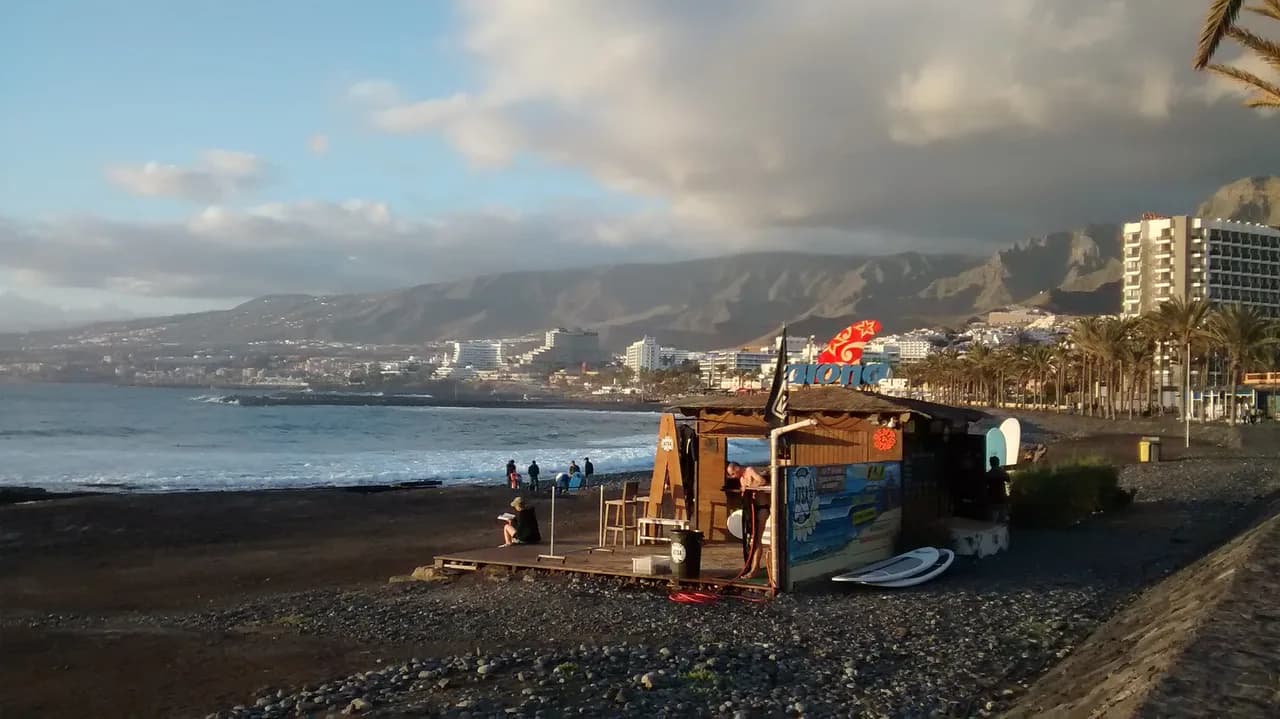
Playa del Duque in Costa Adeje is the most scenic of the southern beaches, with golden sand and an upscale, family-friendly feel. Playa de las Américas next door is livelier, with watersports by day and bars by night. Both are busy, so treat them as convenience beaches rather than escapes, and bring water shoes if you plan to try the darker volcanic sand elsewhere.
The best free activity in the south is the seaside path linking the resorts: 14.2 km of paved, mostly flat walkway from Playa el Callao in Los Cristianos to La Caleta, passing Playa de Fañabé, Playa del Duque and various marinas. Walk it in full in about four hours with a lunch stop, or pick a stretch. Starting from Los Cristianos in the morning means the crowds thin as you head north towards La Caleta.
Both ends are reachable by bus or taxi, so you can walk one way and ride back. The path is flat enough for a pushchair, with one or two short flights of steps. Finish at La Caleta, where the seafood restaurants make a natural end to the day and a good reason to book a table for the 8:30–9pm dinner slot.
Family Days: Siam Park, Loro Parque and the Twin-Park Ticket
Siam Park in Costa Adeje is the headline water park, with Thai-themed design, big slides and a lazy river through dense planting. It is open year-round thanks to the mild climate. Buy tickets online in advance and arrive before opening to beat the queues, and consider the fast-track fares: the fast passes sold inside the park on the day are limited, and without some form of skip-the-line you may spend an hour or two queuing for a single slide.
Loro Parque sits in Puerto de la Cruz in the north and covers gorillas, jaguars, penguins and the largest parrot collection anywhere. It opens daily through the year. If you plan to visit both parks, a discounted twin ticket is valid for two weeks from first use, which spreads the cost and the days out. Loro Parque's animal shows and captive orcas divide opinion, so weigh up beforehand whether that sits comfortably with you. Check current prices and opening times with Loro Parque before you go.
For a cheaper family day, head to the southern promenade or the beaches around El Médano, a laid-back windsurfing town with several beaches close to the airport. The popular beaches have bars and sunbed rental, while the wilder black-sand ones have no facilities, so pack water and shade. Toddlers do best on the sheltered, golden sands near the capital than on the exposed volcanic stretches.
Icod de los Vinos and the North Coast: El Drago Milenario, Garachico and the Coastal Road
In Icod de los Vinos you can see El Drago Milenario, a dracaena tree said to be a thousand years old, set in a verdant park with views of the tree and lovely plants. Adult entry to the park is 5 euros, which is fair value for half an hour among the greenery, and there is a pleasant café at the exit. It slots neatly into a north-coast drive rather than a day of its own.
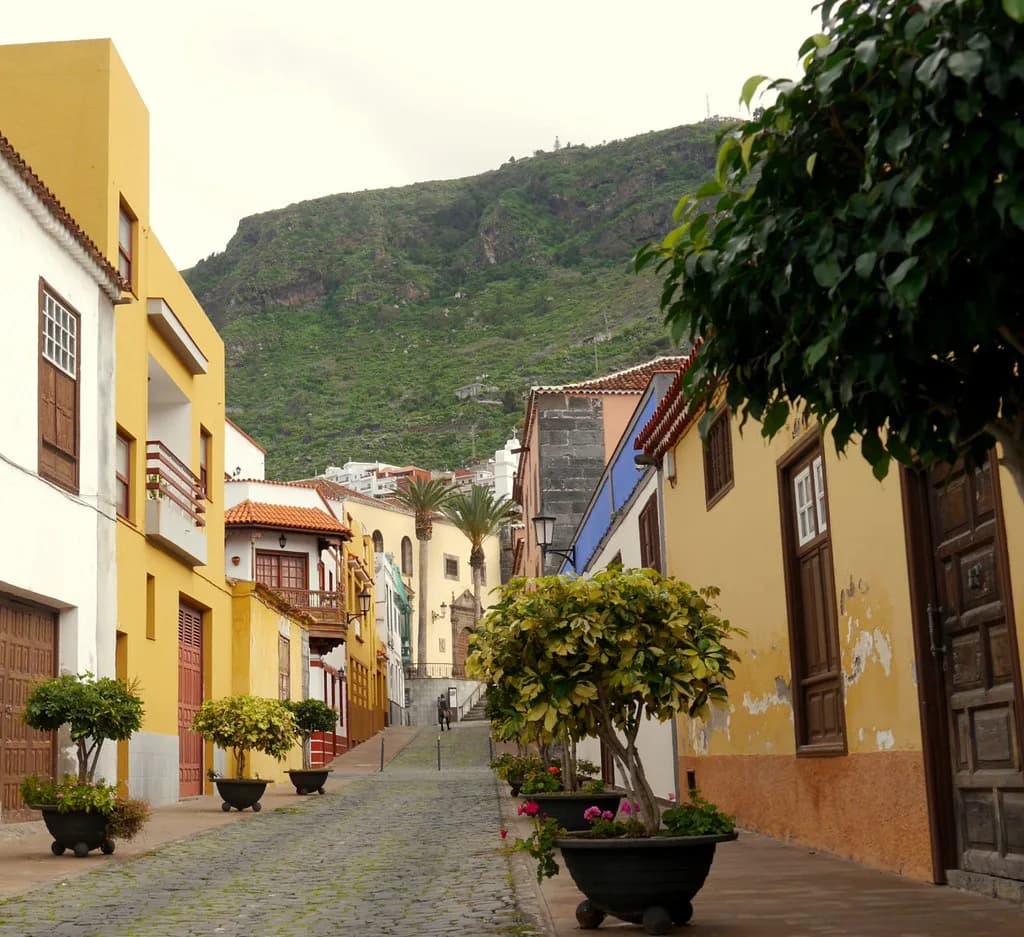
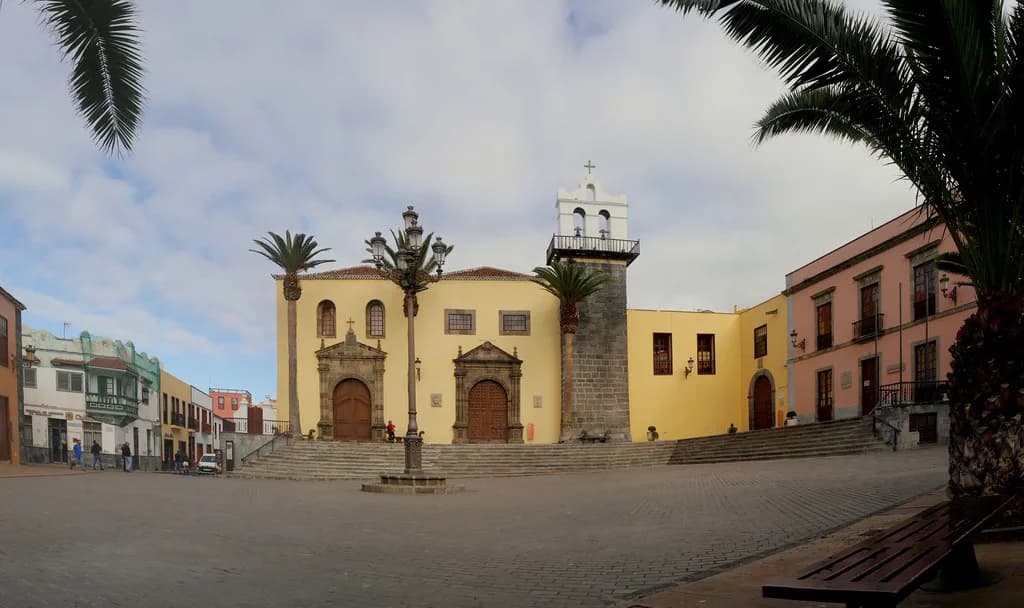
The coastal road between Buenavista del Norte and Icod is the best stretch on the island for stop-and-look driving, with blowholes where the Atlantic explodes through volcanic rock and the old harbour at Garachico along the way. Stop in a village square for a barraquito, the layered coffee-and-liquor drink that is Tenerife's signature order, and ask for the non-alcoholic version if you are driving.
Free and Low-Cost Picks: Viewpoints, Beaches and Two Walks That Need Booking
Plenty of Tenerife's best moments cost nothing: the Teide viewpoints and trails outside the cable car, the clifftop paths at Los Gigantes, the southern promenade, the village squares of the north-west, and the beaches. The Pyramids of Güímar in the east are an inexpensive curiosity rather than a Giza-scale monument, and worth a stop if you are already driving that coast. Whale watching from a boat beats seeing the same species in a pool if your budget stretches.
Barranco del Infierno, just outside Costa Adeje, is a 6.5 km round-trip walk through a green ravine to a small waterfall, taking two to three hours with some up-and-down that feels harder in the heat. Daily visitor numbers are capped and permits must be booked online in advance. Go early, wear proper shoes and carry water, then eat garlic chicken at Otelo Restaurant by the entrance afterwards.
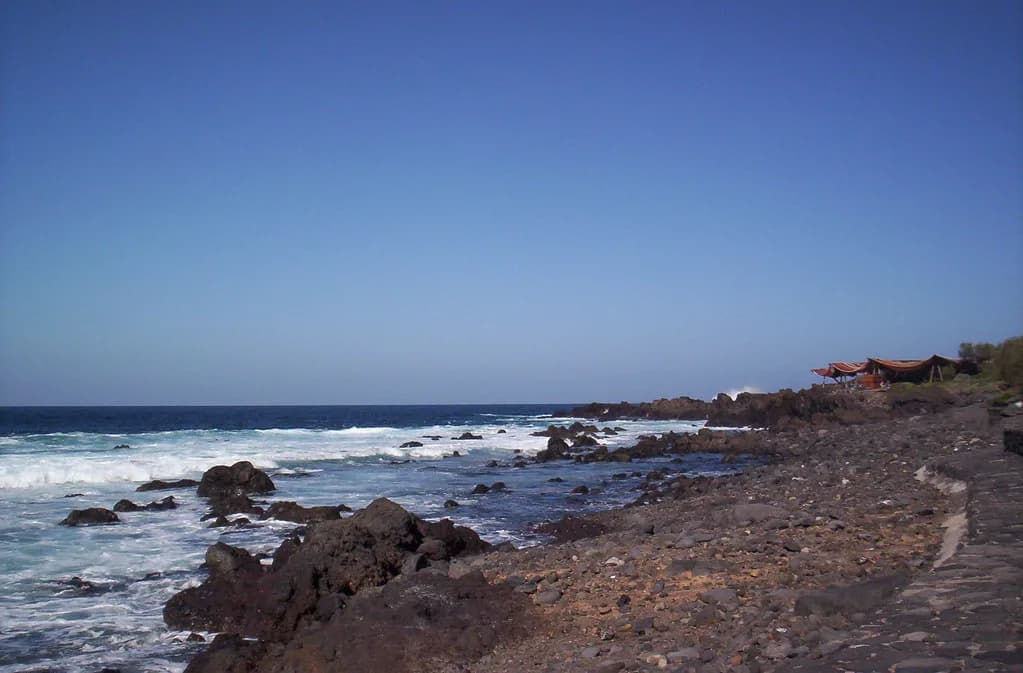
Charco de la Laja near San Juan de la Rambla is a natural rock pool on the wild north coast, clear and quiet compared with the resort beaches. It is a stop rather than a destination, best combined with La Orotava or Garachico. Bring shoes for the rock and check conditions before swimming, since the Atlantic here is not a managed pool.
What to Eat and Drink While Sightseeing
Tenerife's food is simple and good when you eat where locals do: grilled fish, goat cheese, Canarian stews and wrinkled potatoes with mojo. In Santa Cruz, La Hierbita serves rustic Canarian plates, and La Casona del Vino in Tacoronte pairs local wines with goat cheese if you are touring the wine valleys around Tacoronte-Acentejo. Near Los Cristianos, El Cine is a local favourite for seafood by the port.
Order a barraquito in any village café and you get Tenerife's most famous drink, served in layers of coffee, condensed milk and liquor. For the rest of your eating, our guide to tenerife food covers the dishes worth seeking out, from market stalls to seafood counters.
How Many Days You Need
Three to four days covers the main highlights: Teide, Los Gigantes or the southern beaches, and a city half-day in Santa Cruz. Five to seven days suits a balanced trip with a walk, a boat trip and a water park. Ten days lets you build in Anaga, Masca and the north coast at a relaxed pace, with room for weather days. Hikers and wine drinkers will want the longer end of that range.
Practical Trade-Offs: Car Versus Tour, Weather and Crowds
A car gives you flexibility but brings the stress: narrow roads into Masca, fog in Anaga, parking that fills early, and permit schemes at Teide, the Masca gorge and Barranco del Infierno. Tours solve the logistics and give you a fallback if a trail closes, at the cost of moving at group pace. For a week split between a couple of driving days and a couple of lazy ones, a car is usually worth it.
Weather decides more than you might expect: Mount Teide can be cold and snowy in winter, Anaga can be wrapped in cloud while the coast is sunny, and high winds can shut the cable car. Build every driving day with a coast or town alternative, start early for the popular car parks, and keep your itinerary flexible enough to swap days when the mountain closes.
Plan Your Visit
Plan Tenerife in blocks: a volcano day, a western cliffs day, a north-eastern forest and city day, and a southern beach and promenade day. Book the Teide summit permit, the Barranco del Infierno slot and any Masca gorge tickets as soon as your dates are set, and keep a car or a tour option for each. That structure gives you the big sights without spending the holiday driving between them.
Eat on local time, lunch from about 1:30pm and dinner from 8:30–9pm, and build a barraquito stop into every drive through the villages. For the rest of the trip, our best restaurants in tenerife guide and the Tenerife Attractions hub cover the named places worth slotting into each day.
Explore more Tenerife guides
Frequently Asked Questions
Is there much to do in Tenerife?
More than most visitors expect, and the spread is the point. One day goes on Teide National Park and the cable car, another on the western cliffs at Los Gigantes and the boat trips from the harbour, and a third on Santa Cruz, La Laguna and the north-east. Add Masca, Icod de los Vinos and the southern promenade and a week fills without repeating a landscape.
What are the best things to do in the south of Tenerife?
Use the resorts as a base and walk the coastal path from Playa el Callao in Los Cristianos to La Caleta, a paved and mostly flat route that passes Playa de Fañabé and Playa del Duque. Playa del Duque is the most scenic of the southern beaches, Playa de las Américas has the watersports and nightlife, and Siam Park in Costa Adeje takes a full family day.
Is Tenerife good for a week without a car?
Yes, if you base yourself in the south and accept that some sights come as tours. Costa Adeje works for the beaches, the promenade and Siam Park, and coaches or guided trips cover Teide, Masca and Los Gigantes. Anaga is the awkward one, because local buses are limited and the roads are narrow and often foggy.
What can you do for free in Tenerife?
The viewpoints and trails in Teide National Park outside the cable car cost nothing, and so do the clifftop paths at Los Gigantes, the village squares of the north-west and the southern promenade. The beaches are free, though the popular ones charge for sunbeds. Charco de la Laja, a natural rock pool near San Juan de la Rambla, is another no-cost stop on a north-coast drive.
Which Tenerife sights need booking ahead?
Four things catch people out: the separate permit for Teide's summit crater, which sells out months ahead; the Masca gorge trail, open only several days a week with very limited tickets; the Barranco del Infierno walk, where daily numbers are capped and permits are booked online; and Siam Park tickets, best bought in advance to avoid the queue.
How many days do you need in Tenerife?
Three to four days covers Teide, the western cliffs or southern beaches and a city half-day in Santa Cruz. Five to seven days gives a balanced trip with a hike, a boat trip and a water park. Ten days lets you add Anaga, Masca and the north coast at a relaxed pace, with spare days for the weather.
Sources
Notes for eating well in Spain
Optional updates to our guides.
You might also like
Continue reading
More guides you'll find useful