Things to Do in Palma: Where to Go and When
Plan Palma around Spanish meal times: the cathedral and Old Town in the morning, Santa Catalina market at midday and seafood in Portixol at lunch.
On this page
Palma works because the sights, the market and the waterfront sit within walking distance of each other. The Gothic cathedral La Seu anchors the Old Town, the Mercat de Santa Catalina sits a short walk west, and the promenade runs east towards the fishing districts of Portixol and Molinar. Plan the day around those three points and you rarely need a bus or taxi.
The bigger adjustment is the clock. Lunch runs from about 1:30 to 4pm and dinner starts around 8:30 to 9pm, so a late British-style dinner at six will land you in an empty dining room. Build the cathedral and Old Town into the morning, take a long lunch, and leave the evening for a wander and a later dinner in Santa Catalina or La Llonja.
Palma in a Nutshell: Old Town, Waterfront and Food Districts
The city is compact enough to cross on foot, and the historic core clusters around the cathedral, Parc de la Mar and the lanes of the Old Town. Santa Catalina, once a neighbourhood of fishermen and artisans, now mixes independent shops with a food market and a dense run of bars and modern restaurants. To the east, the promenade leads out to Portixol and Molinar, traditional fishing ports known for seafood and paella.
Treat those three zones as your map: cathedral and Old Town for architecture and wandering, Santa Catalina for market browsing and evening eating, and the waterfront for a walk or a long fish lunch. That structure keeps you from criss-crossing the centre and makes it easy to slot in a museum or a coffee without losing an hour to walking.
How Long You Need, and What to Cut With One Day
Two full days covers the cathedral, the royal palace next door, a proper wander through the Old Town and one long lunch in Santa Catalina or Portixol. A week lets you add the Miró foundation west of the city, Bellver Castle on its hill, a beach afternoon and a day trip into the Serra de Tramuntana.
With a single day, start early at La Seu before the queues build, walk the lanes behind it towards Plaça Cort, then head to Santa Catalina for a market browse and a late lunch. Skip Bellver and the Miró foundation — both sit outside the centre and will eat the hours you need for the old town. This is one place where doing less works better.
Start at La Seu: Palma's Gothic Cathedral
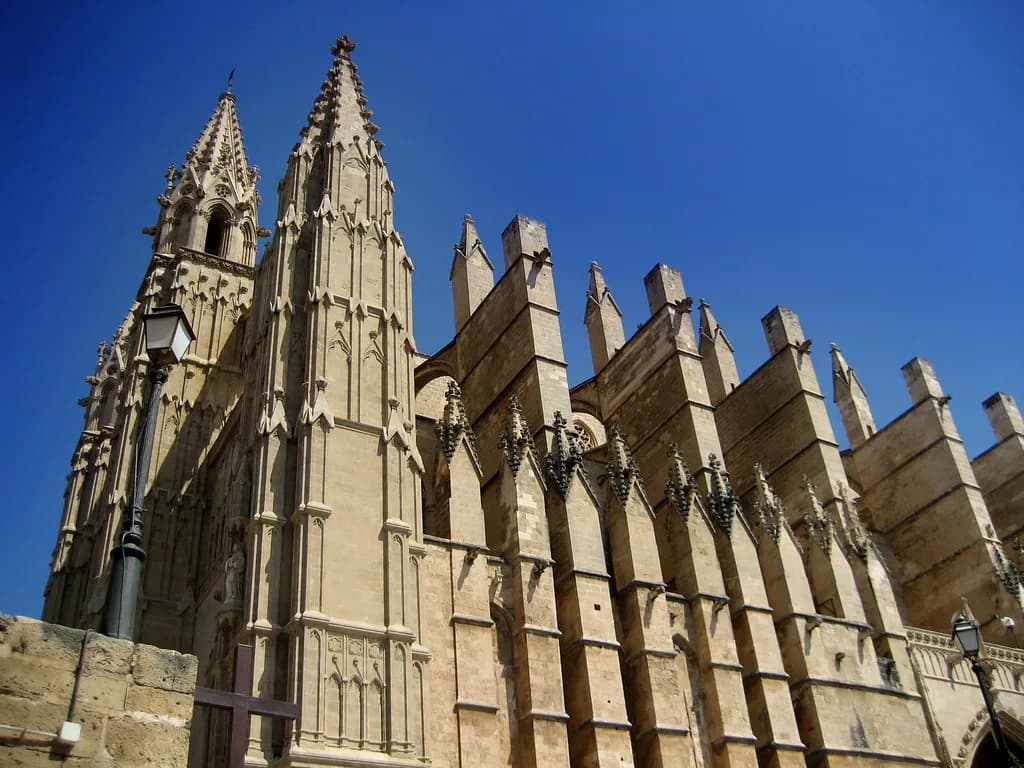
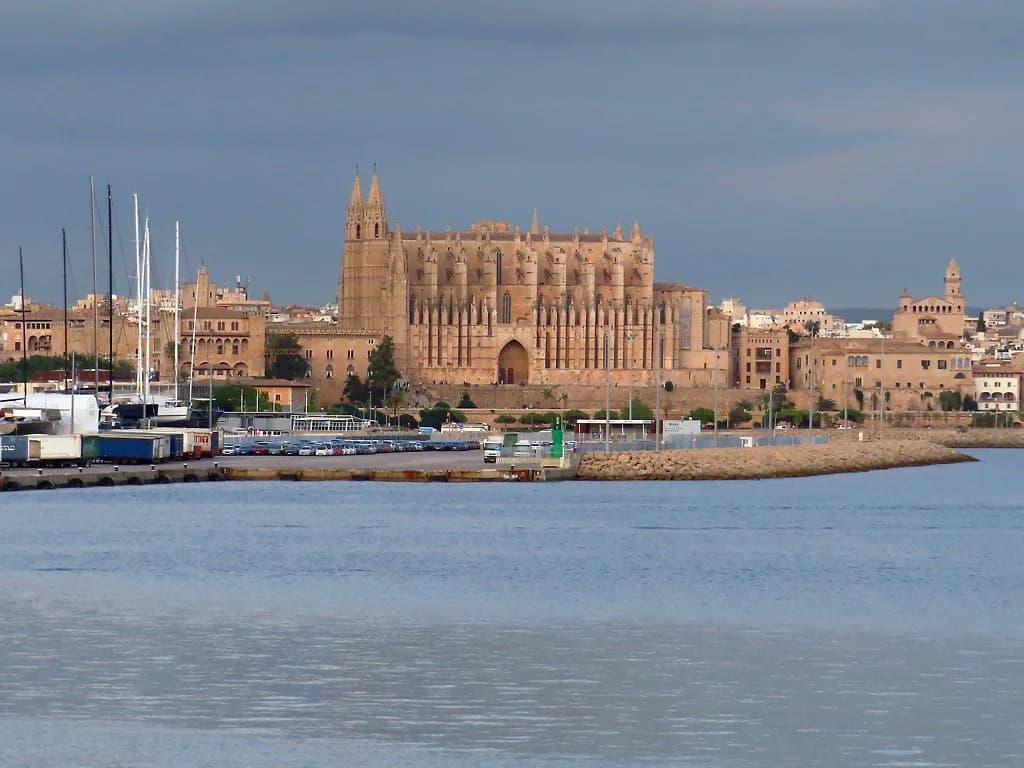
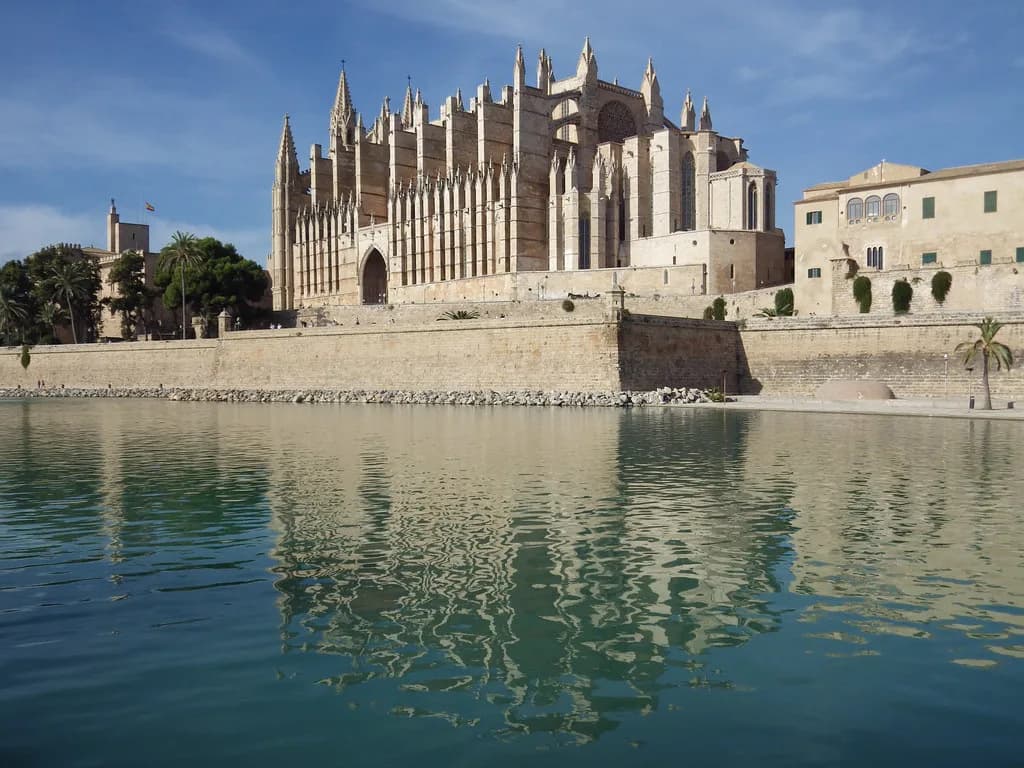
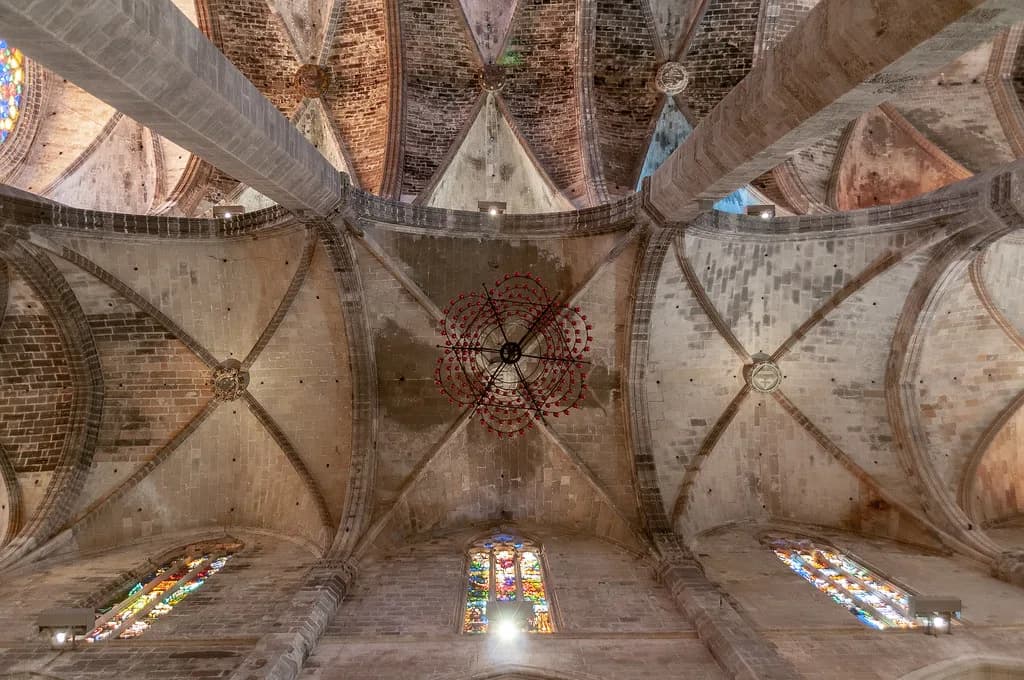
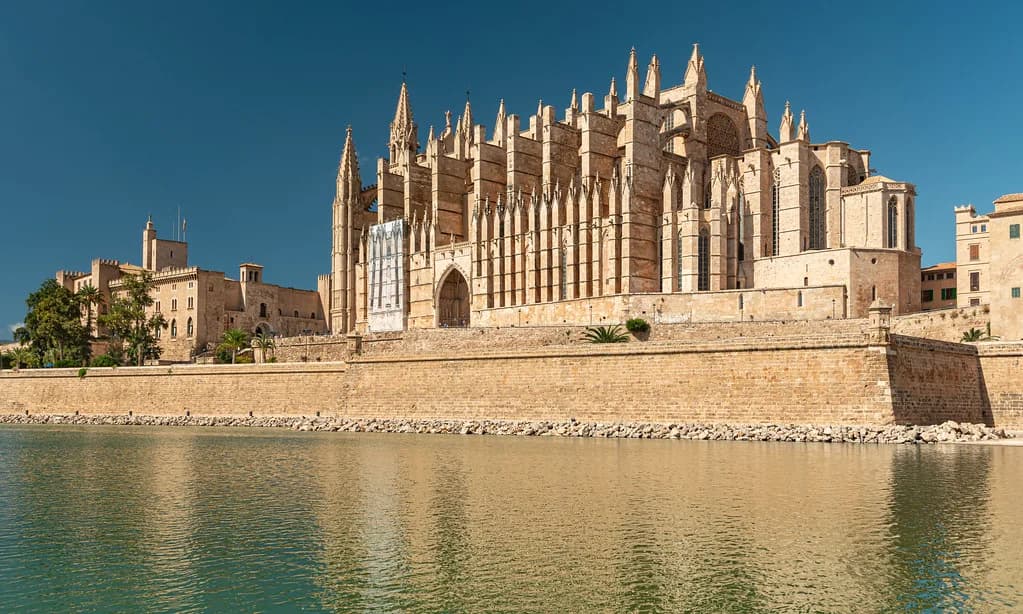
The Catedral-Basílica de Santa María de Mallorca, known simply as La Seu, is the city's most-visited landmark, perched above the old walls with the sea behind it. Inside, the scale comes from the vast pillars holding up the vaulted ceiling and a huge rose window, one of the largest stained-glass windows of its kind. Antoni Gaudí contributed to the interior, and his crown-of-thorns piece above the altar divides opinion sharply.
Entry is ticketed and queues are common, so booking a timed slot ahead is the sensible move if the cathedral is your priority. Prices and opening times change, so confirm them on the cathedral's own site before you travel. Arrive at opening time with a ticket in hand and you will see it in under an hour.
Next Door: La Almudaina and the S'Hort del Rei Gardens
The Royal Palace of La Almudaina stands opposite the cathedral, which makes combining the two straightforward. A fortress has occupied the site since the Muslim governors built their alcazar, and the present palace was rebuilt in the fourteenth century; the Spanish royal family still holds official functions here. Inside, look for sixteenth-century Flemish tapestries and ceilings painted in the traditional Mallorcan black and red.
Below the palace, the Jardines de S'Hort del Rei form a small public garden of fountains, palms and shade that once belonged to the palace grounds. It takes fifteen minutes, which makes it a good breather between the two ticketed buildings. Do the cathedral first, the palace second, and finish in the gardens before walking into the Old Town for lunch.
Wander the Old Town and the Old Arab Quarter
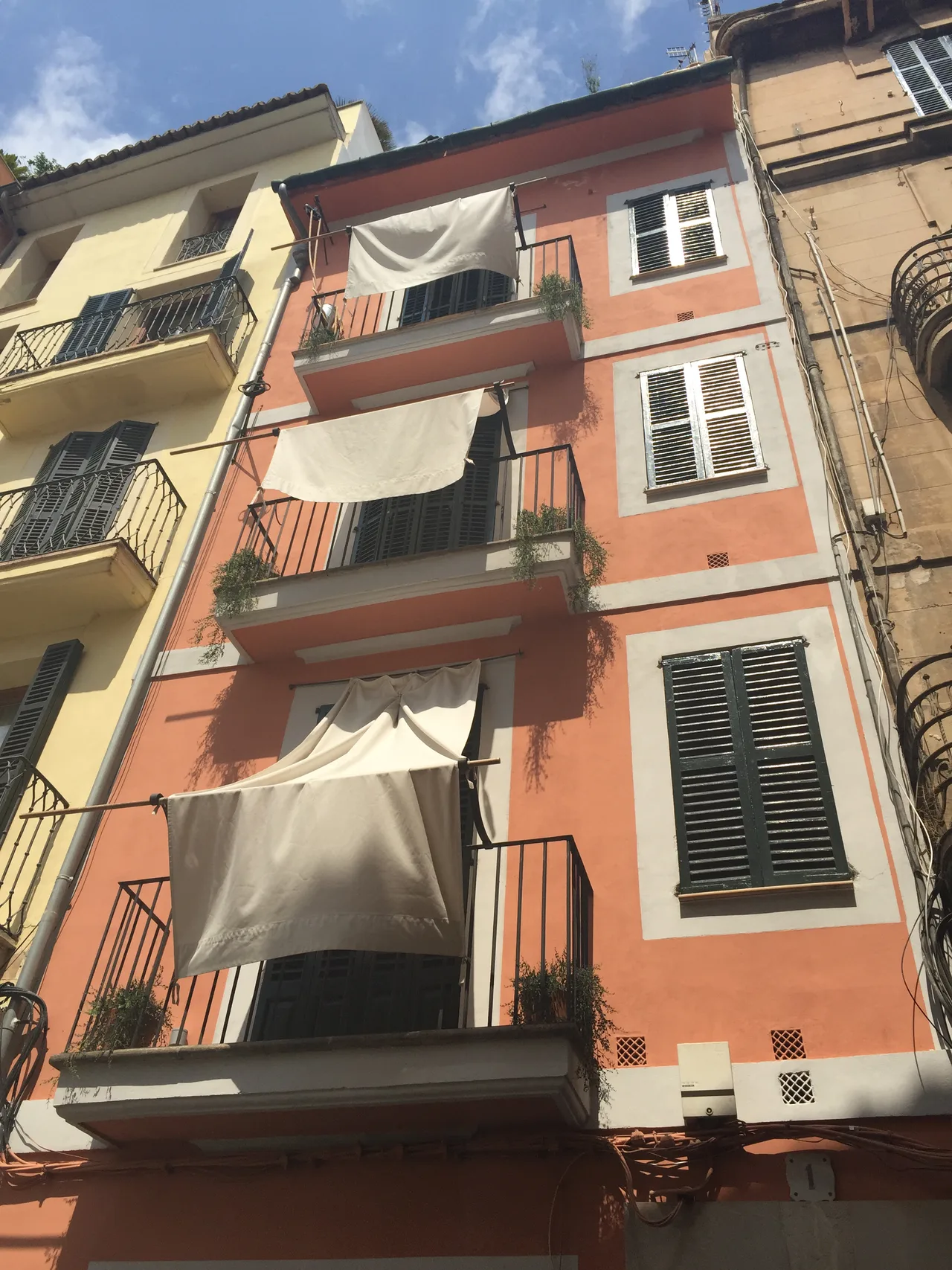
Behind the cathedral, the old Arab quarter is a maze of narrow lanes, hidden courtyards and honey-coloured stone buildings with casement windows and Juliet balconies. Getting mildly lost is part of the experience, and it is largely locals' territory rather than a tourist strip. Wear shoes you can walk in and give yourself an hour without a destination.
Work Plaça Cort into the loop for the Town Hall and the gnarled old olive tree in the square, and Passeig des Born for the grand nineteenth-century avenue with its shops. Further down, Sa Llotja holds one of the city's oldest districts, with the fifteenth-century seafront building of the same name looking half castle, half church. The walk between them strings together most of what people come to Palma to see.
Palma's modernist architecture is easy to miss if you keep your eyes at street level. When Gaudí came to work on the cathedral restoration, the style took hold, and one of the earliest and most famous examples is a grand building by Catalan architect Lluís Domènech i Montaner. Look up as you cross the centre for curving balconies and ornate façades.
Art Stops: Es Baluard, the Miró Foundation and the Small Museums
Es Baluard Museum of Contemporary Art occupies the old fortress and holds a well-regarded collection, with a terrace restaurant that has its own reputation. West of the city, the Fundació Miró Mallorca displays thousands of works in the studio and workshop where Joan Miró settled with his Mallorcan wife Pilar Juncosa. The museum closes on Mondays, so check the day and the current timetable before you set out.
Back in the old quarter, the Museu de Sa Jugueta holds more than 3,000 toys from around the world, and Casal Solleric runs temporary contemporary art and photography exhibitions in an eighteenth-century Baroque building with a fine courtyard. These are small, cheap-to-see stops that fill an hour between meals rather than half a day. They also make a sensible plan when the weather turns.
For a pause between sights, the city has plenty of small coffee stops and pastry counters worth planning around; the good ones fill up at Spanish breakfast and merienda hours rather than mid-afternoon. Our pick of Palma cafés keeps the options short and walkable.
If contemporary galleries are your thing, the city has a strong independent scene alongside the bigger institutions, and September's Nit de l'Art opens galleries and restaurants to the public with canapés and wine. It is a good reason to time a city break for early autumn rather than high summer.
Mercat de Santa Catalina and the Neighbourhood Around It
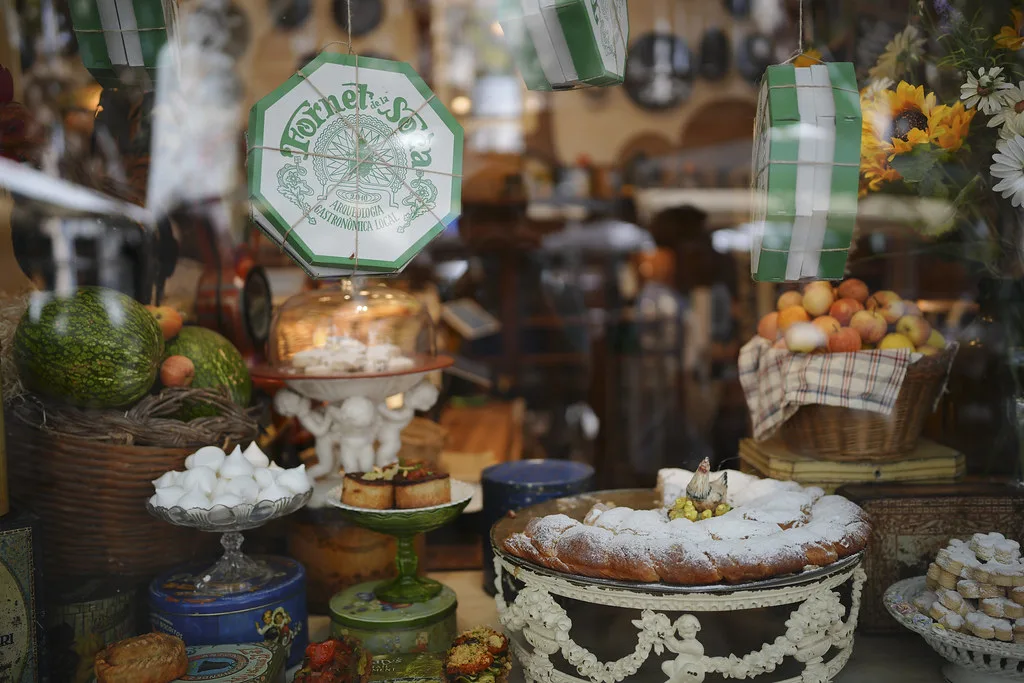
The Mercat de Santa Catalina, established in 1920, is Palma's oldest food market, with dozens of producers selling fruit, vegetables, meat, cheese, seafood, flowers and pastries. Browse in the morning, then take a stool at one of the small bars inside for a tapa and a glass of wine. It is the single best food stop in the city for anyone who wants to see the produce before ordering it.
The streets around it have become Palma's most competitive dining quarter, with modern tapas, Italian, South American and Asian kitchens packed together. Start an evening on Carrer de Argentina and drift through the lanes between Carrer de San Magí and Carrer de la Fàbrica. Because the competition is fierce, quality stays high and prices stay reasonable for a capital city.
For a sit-down meal rather than a crawl, Hostal Cuba in its colonial-style building at the edge of the district has long been a local favourite, with a sky bar and restaurant above the buzz. Book ahead for weekend evenings, when Santa Catalina fills up later than the rest of the city.
If you want the shortlist rather than a district-by-district walk, our guide to the best restaurants in Palma covers the picks across these neighbourhoods.
Where to Eat and What to Order
For tapas, the Old Town is the densest hunting ground, with La Llonja and the lanes off La Rambla holding the classic bars. Among the names worth knowing are Gaudeix, Wineing and Bóveda for casual plates, and Forn when you want something closer to a restaurant meal. Wineing also pours a largely Mallorcan list, which makes it a good first stop if you want to taste local grapes.
On Tuesdays, bars in the Old Town run La Ruta Martiana, offering a small tapa or pintxo with a caña of beer for a modest set price, which is a cheap way to eat your way through the back streets. At the end of October, TaPalma sets up tapas routes with a map of participating bars. Both push you away from the obvious squares and into the bars locals use.
For seafood and paella, head towards the water. The traditional fishing ports of Portixol and Molinar, about three kilometres from the cathedral, serve some of the best paellas on the island, and the walk along the promenade earns your lunch. The seafood paella at Caballito de Mar is made for a minimum of two, so go with company rather than alone.
At the top end, DINS Santi Taura in Sa Calatrava serves contemporary Mallorcan cooking a few metres from the cathedral, and it is the sort of table you book well before you fly. Our round-up of the best restaurants in Palma is the place to start narrowing the shortlist.
If tapas is the whole point of the trip, our guide to the best tapas in Palma covers the bars worth building an evening around.
For a specific plan in the oldest part of the city, our selection of Palma Old Town restaurants keeps the walk between courses short.
Spanish Meal Times and How They Reshape the Day
Lunch in Palma runs from roughly 1:30 to 4pm, and dinner starts around 8:30 to 9pm. That is later than most British and Irish visitors expect, so plan a proper sit-down lunch and treat the early evening as a walk, a drink or a museum slot. Turning up at six expecting dinner will leave you with a plate of olives and an empty room.
Use the gap between 4pm and 8pm for the things that do not need a table: the cathedral, the palace, a gallery or the promenade. The Spanish habit of a late paseo works in your favour, since the streets are at their best as the heat drops and the light softens. Then eat at nine like everyone else.
Free and Low-Cost Palma
The gardens of S'Hort del Rei, the lanes of the Old Town and the Passeig Marítim fill a morning or an afternoon between them. The city beach at Can Pere Antoni, a stretch of golden sand just beyond the cathedral, is the closest swim to the centre. For an indoor stop, Sa Llotja, the fifteenth-century seafront building, opens its arches and often hosts art displays.
Bellver Castle, the circular fourteenth-century fortress on its hill west of the city, has a free-entry day on Sundays and offers some of the best views back over Palma. Confirm the current position before relying on it, since opening arrangements change. Even paid, it earns a visit for the view alone.
Palma Pass bundles public transport, museum entry and discounts on activities and restaurants into one card, which can pay off if you plan several ticketed sights in a short break. Work out the individual entries you actually want first, then compare. The pass is a convenience purchase, not a guaranteed saving.
Bellver Castle and the View Back Over the Bay
Bellver sits on a hill to the west of the centre, and its circular plan makes it one of the more unusual fortresses in Spain. Inside, the castle holds a museum of the city's history; outside, the terraces give you the bay, the cathedral and the rooftops in one frame. Allow an hour for the castle and the view, or a half-day if you walk up and stop on the way.
Getting there on foot is a climb, so many visitors take a taxi or bus up and walk back down through the streets. The summer months host the Bellver Castle Music Festival, which is another reason to check what is on before you pick your dates.
Coastal Escape on Foot: Passeig Marítim to Portixol and Molinar
The Passeig Marítim runs from the cathedral end of the city along the coast, wide and flat, with the harbour and the yacht moorings on one side and the sea on the other. Walk it east and you reach Portixol first, a working fishing village with a small beach, fishermen's houses and a marina, then Molinar beyond. Both are within a few kilometres of the centre.
This is the best half-day in Palma that involves no ticket and no queue. Do it in the morning for the light, eat a long seafood lunch in Portixol or Molinar, and walk back along the water in the afternoon. The seafront restaurants here are where locals go for paella rather than where the tour groups stop.
Palma With Kids or as a Couple
With children, the Museu de Sa Jugueta's toy collection is the obvious indoor hit, and the gardens of S'Hort del Rei give you space to run around. The marina is a free spectacle for boat-mad kids, and the city beach at Can Pere Antoni is a short walk from the cathedral. Keep the day short and build in a long lunch, since Spanish restaurants are welcoming to families at midday.
For couples, the strongest combination is a morning at the cathedral, a late lunch in Santa Catalina and an evening drink on Carrer de Argentina before a nine o'clock dinner. Add a walk out to Portixol for the sunset and you have a day that feels unhurried. Palma rewards slow days over packed ones.
Rainy Day or Too Hot: Indoor Alternatives
When the heat or the rain drives you inside, the museums do the work: Es Baluard in the old fortress, the Fundació Miró to the west, and the small galleries and courtyards of the old quarter. The Mercat de Santa Catalina keeps you dry while you graze, and the San Juan Gastronomic Market, an old hall with its food stalls and bar, is built for a long indoor lunch.
Remember that many sights and restaurants keep Spanish hours, so the mid-afternoon window may be the quietest time to see the cathedral rather than the busiest. The Miró foundation shuts on Mondays, which makes it a poor choice for a Monday downpour.
Money, Transport and Practicalities
Palma is a walking city, and the Old Town, Santa Catalina and the cathedral are all within twenty minutes of each other. For the beaches, buses run regularly between Palma and Playa de Palma, and Cala Major and Illetas to the west are reachable by bus or a short taxi ride. The Passeig Marítim has a cycle path, and bike hire is easy to find along the seafront.
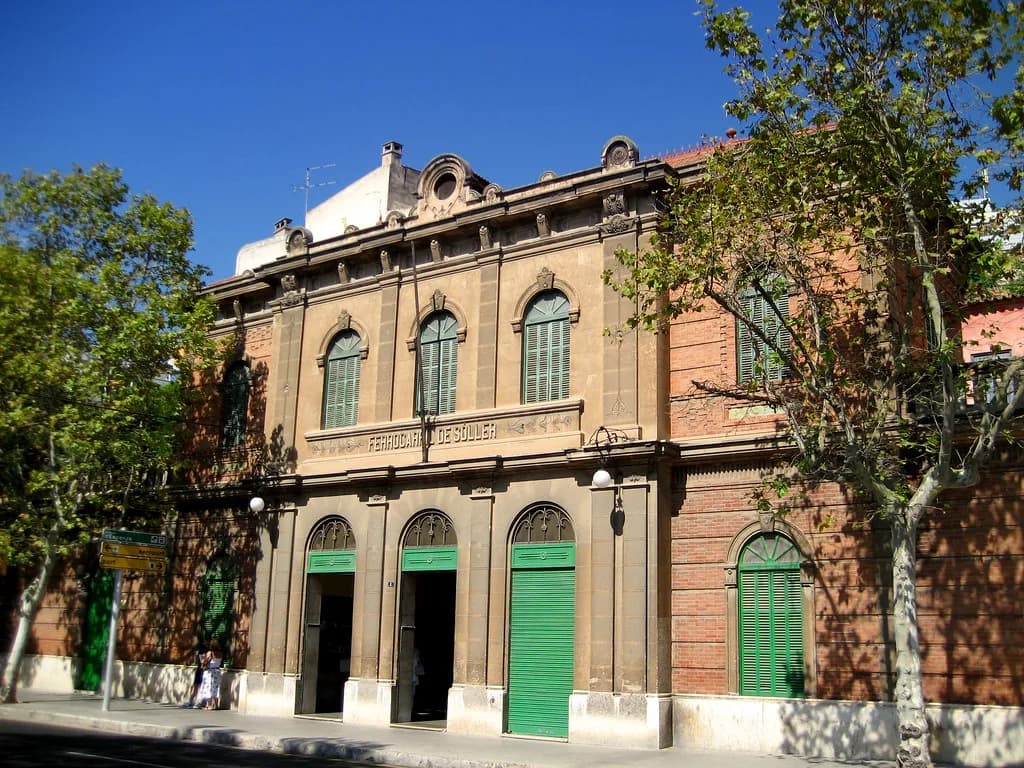
The airport sits within a short taxi ride of the centre, which is why Palma works so well as a city break. For day trips, the vintage narrow-gauge train to Sóller runs through the Serra de Tramuntana and takes about an hour, but the timetable and fare are on the Ferrocarril de Sóller's own site rather than fixed in advance.
Plan your eating budget around lunch rather than dinner: the menú del día at midday is where the value sits, and dinner in Santa Catalina costs more. Carry some cash for market stalls and small bars, and check card acceptance before you order.
Common Mistakes: Over-Scheduling, Missing the Market and Eating Too Early
The classic error is trying to see the cathedral, the palace, Bellver and the Miró foundation in one day. They sit on opposite sides of the city, and the travel between them is what burns the hours. Pick one axis per day: cathedral and Old Town, or Santa Catalina and the waterfront.
Second, do not skip the market. The Mercat de Santa Catalina is open in the morning and early afternoon, and it is where you see what Mallorca actually produces. Third, do not book dinner for six. Restaurants here fill from half eight onwards, and an early table is a quiet table rather than a better one.
Plan Your Visit
Palma rewards a plan built around three anchors and real Spanish hours rather than a checklist. Start at La Seu and the Old Town in the morning, take a long lunch, browse Santa Catalina in the late afternoon and eat dinner at nine. Walk the promenade to Portixol on your second day and you will have seen the city properly without ever feeling rushed.
Before you fly, confirm current entry times and any closure days on the official sites for the cathedral, the palace, Bellver Castle and the Miró foundation, since these are the only places where a small change can disrupt your day. If you are planning other Spanish city breaks, our things to do in Alicante and things to do in Girona guides follow the same area-by-area approach.
Explore more Palma guides
Frequently Asked Questions
How many days do you need in Palma?
Two full days covers the cathedral, La Almudaina, the Old Town and a long lunch in Santa Catalina or Portixol. A week lets you add the Miró foundation, Bellver Castle, a beach afternoon and a day trip into the Serra de Tramuntana.
What are the best free things to do in Palma?
Walk the Old Town lanes and the old Arab quarter behind the cathedral, sit in the S'Hort del Rei gardens, stroll the Passeig Marítim out to Portixol and swim at Can Pere Antoni, the city beach just beyond the cathedral. Bellver Castle has a reported free-entry Sunday, but check before relying on it.
What can you do in Palma in three days?
Day one: cathedral, La Almudaina, the gardens and the Old Town, with lunch in La Llonja. Day two: the Mercat de Santa Catalina in the morning, a museum in the afternoon and dinner on Carrer de Argentina. Day three: walk the promenade to Portixol or Molinar for a seafood lunch, then Bellver Castle for the view.
Which part of Palma is best to stay in?
The Old Town puts the cathedral, the lanes and most of the sights on your doorstep and is the strongest choice for a short break. Santa Catalina suits anyone who wants the market, bars and restaurants on the same street, and the waterfront is quieter but a longer walk from the centre.
What time do people eat dinner in Palma?
Dinner generally starts around 8:30 to 9pm, and restaurants fill from then. Lunch runs from about 1:30 to 4pm, so plan a proper midday meal and treat the early evening as a walk or a drink rather than a dinner slot.
Is Palma worth visiting for a city break?
Yes. Palma packs a Gothic cathedral, a royal palace, a working food market, a contemporary art museum and a seafood waterfront into a compact, walkable centre, with the airport close by. It works as a two- or three-night break as well as a base for the rest of the island.
What is there to do in Palma at night?
Eat late in Santa Catalina or La Llonja, try the Old Town tapas bars on a Tuesday during La Ruta Martiana, or have a cocktail at Abaco in its courtyard setting. In summer, the Nit de Foc on 24 June brings bonfires and fire runs to the streets around Parc de la Mar.
Do you need to book Palma Cathedral tickets in advance?
Entry to La Seu is ticketed and queues are common, so booking a timed slot ahead saves time if the cathedral is a priority. Check current prices and opening hours on the cathedral's official site before you travel.
Sources
Notes for eating well in Spain
Optional updates to our guides.
You might also like
Continue reading
More guides you'll find useful