
Arrecife, Lanzarote: a Practical Guide to the Island's Capital
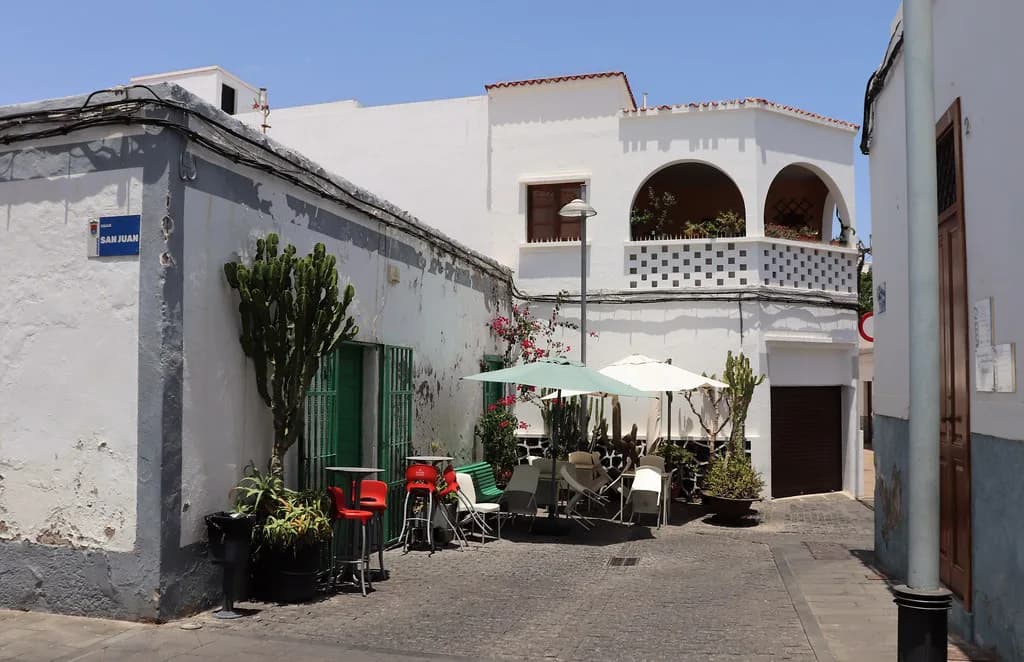
Arrecife is Lanzarote's coastal capital, sitting on the island's east coast beside the international airport and home to around 50,000 residents who, as the city's travel guide puts it, never seem to rush. It is a working city with a lagoon at its heart rather than a purpose-built resort, so you come here for markets, tapas and a genuinely local pace, not for a strip of beach bars.
That shapes how you should plan a visit. The day runs around a morning fish market, breakfast on the main shopping street, a swim at the town beach and an evening around the Charco de San Ginés lagoon, where bars line the promenade. Spanish meal times matter: lunch is typically 1:30–4pm and dinner from about 8:30–9pm, so a late-afternoon swim and a promenade stroll fit neatly before eating.
What Arrecife is, and who it suits
Think of Arrecife as a small city break bolted onto a beach holiday. The centre is compact enough to walk, with Calle León y Castillo, also known as Calle Real, as its main thoroughfare, and the lagoon district of Charco de San Ginés giving the old town its evening focus. Artisanal markets, a pirate-era history and tapas bars by the lagoon are the city's own calling cards. If you would rather spend your days outdoors, weigh the things to do in Lanzarote beyond the capital before committing to a city base.
It suits city breakers, cruise passengers and food-first travellers who want real life rather than a resort. It does not suit anyone whose ideal Lanzarote day is a big package beach with evening entertainment, which is what puts Puerto del Carmen and Costa Teguise in a different bracket. If you want the comparison, the area guides cover Puerto del Carmen and Costa Teguise alongside the capital, so you can weigh them before booking, and the guide to things to do in Lanzarote maps the alternative days out if neither resort base convinces you.
Getting there and getting around
Arrecife sits next to Lanzarote's international airport, which makes it the easiest base on the island if you are arriving by air and want to walk to dinner on your first night. Within the centre, walking is the sensible default: the main street, the lagoon and the town beach are all in the same compact area.
A rented car gives you the island, but parking in town is where the day can go wrong: parking regulations are enforced and police will tow vehicles parked where they should not be. Park once, in a proper space, and explore on foot rather than circling the lagoon.
Calle Real: churros, hot chocolate and a morning wander
Start the day on Calle León y Castillo, known locally as Calle Real, where a hot chocolate with churros is the standard breakfast move. The street also carries the duty-free shops and browsing that most guidebook days skip, so it is worth an unhurried hour rather than a dash through.
Charco de San Ginés: the lagoon, the church and promenade tapas
Charco de San Ginés is a seawater lagoon ringed by the city's old quarter, and it gives Arrecife its evening identity. The Iglesia de San Ginés, the church of St Genesius, stands above it, and the promenade bars around the lagoon are where you settle for tapas and a drink after dark.
Come here for the stroll as much as the food: the San Ginés promenade under warm streetlights is the city's most romantic stretch after sunset, and model sailboat racing sometimes takes place on the lagoon. Keep the Spanish rhythm in mind and plan dinner from about 8:30pm, when the promenade bars get going.
Playa del Reducto: the town beach
Playa del Reducto is Arrecife's main beach, white sand with palm trees and genuinely swimmable water, which makes it the easy dip without leaving town. It is a city beach, not a resort strip: expect an urban shoreline rather than rows of sunbeds and beach clubs, and treat it as the afternoon break between morning shopping and evening tapas.

Castles and art: San Gabriel Fort and Fort San José
Arrecife's history is a pirate story, and the two forts tell it in different ways. San Gabriel Fort, built after a raid by the Berber pirate Morato Arraez, sits at the water's edge and is the one to choose for the city's defences and its raiding past.
Fort San José pairs the same heritage with contemporary art: the International Museum of Contemporary Art fills it, and its position gives views over the main port, the Muelle de los Mármoles. If you only have time for one, pick San Gabriel for history and San José for art plus harbour views.
Markets and local food: La Recova and the morning fish market
La Recova Market is the covered market for artisanal stalls and edible gifts, and on Saturdays it adds a second-hand market worth timing your visit around. That Saturday market is the strongest argument for picking your day in Arrecife rather than treating it as a stopover.
Earlier in the morning, the fish market on Calle Liebre is where swordfish and sama, a local catch, come in from the boats. Go early to see the trade rather than to eat, then head to Calle Real for breakfast and let the fish market inform what you order later.
Where to eat in Arrecife
The honest answer is that the lagoon promenade is where the eating concentrates: tapas bars around Charco de San Ginés give you the city's evening rhythm with more locals than visitors. Breakfast belongs to Calle Real and its churros, and lunch sits inside the Spanish window of roughly 1:30–4pm, so plan your sightseeing around those hours rather than against them.
For a longer list of where to eat across the island, including resort-town options that stay open on a different schedule, the Lanzarote neighbourhood guide broadens the picture. Arrecife is the place to eat with the city, not to chase a particular restaurant name; menus and hours change, so confirm the day's opening on the door or by phone before you build a night around one place.
Where to stay in Arrecife
The centre is where you want to be: staying between Calle Real and the lagoon puts breakfast, the promenade and the beach within a short walk, and it suits short city breaks and cruise departures. Hotel Lancelot, Hostal San Ginés, Arrecife Gran Hotel & Spa and Blue Marina Suites Boutique Apartments are all city addresses to compare, from a simple hostal to a full-service hotel with sea views.
Two trade-offs are worth knowing before you book. The Gran Hotel is Lanzarote's tallest building and offers sea views, but none of its rooms have balconies, which surprises guests expecting one. Apartments such as Plus Fariones Habitat and Blue Marina Suites give you more space and a rooftop terrace, at the cost of the hotel service you would get elsewhere; compare the two styles against how much time you actually plan to spend indoors.
With kids, and when the weather turns
Parque Temático gives families a free-running space with play equipment, skating ramps and manicured gardens, a sensible stop when small legs need a break from sightseeing. When the weather turns, the Atlántida cinema complex shows art films, which keeps an afternoon intact without pretending Arrecife is a rainy-day destination.
Arrecife within a wider Lanzarote trip
Use Arrecife as a base for the island's interior as well as its own streets. Timanfaya National Park is the obvious half-day or full-day outing from the capital, and tour operators sell pick-up trips from the island's resorts, which is easier than driving yourself if you want a guide.
If resort beaches are the priority, Puerto del Carmen's Playa Grande is the long sandy option, and Costa Teguise has Playa Cucharas and Playa de Jablillo for calmer family swimming. Arrecife is the place you sleep, eat and wander in between; the resort towns are the places you swim all day. For volcanic landscapes and cave swimming rather than sand, weigh the things to do in Lanzarote across the island before you settle on a beach base.
Practical points before you go
Arrecife is a working capital, so expect weekday traffic, office hours and a lunchtime pause rather than resort convenience. Parking is the one real trap for drivers: regulations are enforced and towing happens. If you arrive by cruise ship, the port and the lagoon district are close enough that a day on foot covers the old town, the beach and the market.
Museum and church hours, market days and restaurant closing days shift through the year, so check the venue's own listing or phone ahead for the day you plan to visit. The guide's recommended route holds even when one stop is shut: Calle Real, the lagoon, Playa del Reducto and the forts are close enough that you can reorder the day on the spot.
Plan Your Visit
Book Arrecife for the city it is: a compact capital with a lagoon old town, a town beach, two forts and a Saturday market worth planning around. Base yourself near Calle Real or Charco de San Ginés, walk everywhere, eat late, and keep the car for the island's interior.
If what you actually want is a resort beach with sunbeds and evening entertainment, choose Puerto del Carmen or Costa Teguise instead and visit Arrecife for a day. If you want breakfast in a real Spanish city, a morning fish market and a promenade pintxos stop after 8:30pm, the capital offers all of it within a short walk.
Explore more Lanzarote guides
Frequently Asked Questions
What is there to do in Arrecife, Lanzarote?
Arrecife gives you a compact set of things to do in a day: breakfast of churros and hot chocolate on Calle León y Castillo, a walk around the Charco de San Ginés lagoon and the Iglesia de San Ginés, a visit to the pirate-era San Gabriel Fort or the contemporary art museum in Fort San José, a swim at Playa del Reducto, and tapas on the lagoon promenade.
Is Arrecife worth visiting on a Lanzarote holiday?
Yes, if you want a real city rather than a resort. It has a lagoon old town, artisanal markets, a town beach and a working fish market, plus pirate history at its two forts. It is not the place for a big package beach, so treat it as a day or a short city break, or as a base for the island's interior.
Can you walk from the cruise port in Lanzarote?
The cruise berths sit close to the centre, so the old town, the lagoon district, the main shopping street and Playa del Reducto are all reachable on foot in a day. Allow time for the Spanish lunch window, when some kitchens slow down, and keep the walk gentle rather than trying to see the whole island in one call.
Where can you swim in Arrecife?
Playa del Reducto is the main town beach, with white sand and palm trees, and it is the easy swim without leaving the city. It is an urban beach rather than a resort strip, so bring your own towel and treat it as an afternoon break between the market and evening tapas.
What food is Arrecife known for?
Churros with hot chocolate for breakfast on Calle Real, tapas around the lagoon promenade in the evening, and fish from the Calle Liebre market, including swordfish and the local catch sama. Eating late is normal: dinner typically starts from about 8:30–9pm, with lunch around 1:30–4pm.
Is Arrecife good for a city break or just a stopover?
It works as a short city break. The centre is walkable, with hotels and apartments between Calle Real and the lagoon, and enough to fill two or three days between markets, the beach, the forts and the museum. As a pure stopover you would miss the Saturday market and the evening promenade, which are its best moments.