Things to Do in Lanzarote: Volcanoes, Caves and Beaches
Plan Lanzarote's best days out: Timanfaya's lava fields, Manrique's caves and viewpoints, Papagayo's coves and where to eat nearby.
On this page
Lanzarote's best days out sit in three clusters: the lava country around Timanfaya in the centre, the Manrique-built caves and lookouts to the north, and the sheltered coves of the south. Because the island is small, a single base works for all of them, and the drive from top to bottom takes roughly an hour and a half. Hiring a car turns those clusters into realistic days rather than long taxi fares. If you are weighing a Canary Island break against the mainland, the things to do in alicante make the opposite case with a castle, city beaches and a walkable centre.
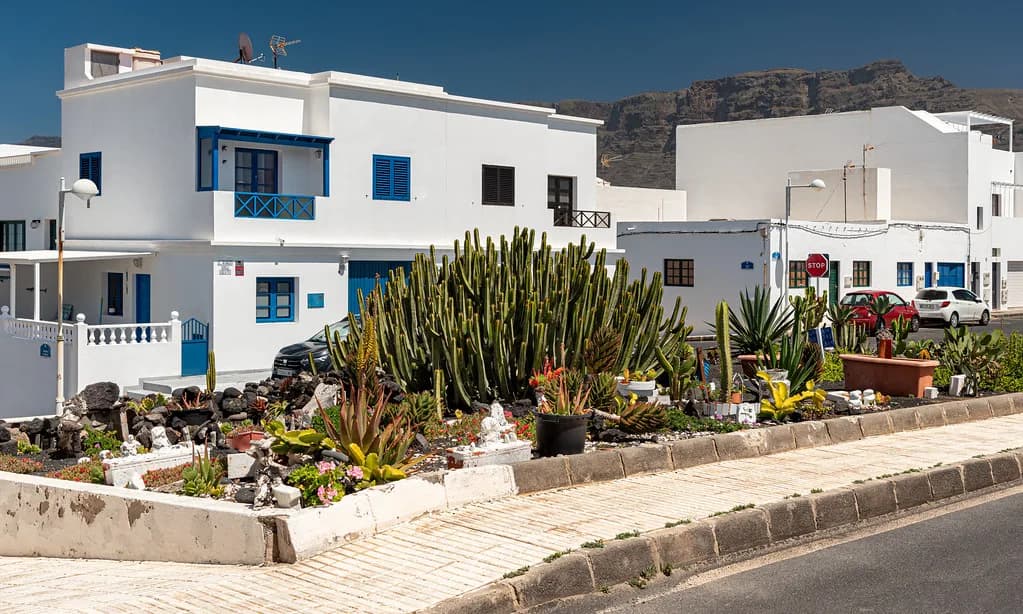
César Manrique is the thread that explains why the island looks as it does. The Lanzarote-born artist and architect argued that development should enhance the volcanic landscape rather than dominate it, and the island's whitewashed, low-rise style traces back to that campaign. His hand is in the viewpoints, the cave venues, the cactus garden and the restaurant inside Timanfaya, so visiting a few of them in sequence tells you more about the place than any single stop.
Timanfaya National Park: the bus route, the heat and El Diablo
The Fire Mountains are the island's headline sight, and you cannot wander them alone. Visitors join an obligatory bus along the Volcano Route, which runs about 40 minutes with commentary in several languages, and photos are taken through the windows. Sit on the opposite side from the driver for the better views, and arrive for opening if you are driving, because the car park fills and cars are then admitted one at a time.
The park entrance covers parking, the geothermal demonstrations and the bus tour, and in the figures published for the park it was €12 per adult. Demonstrations show how hot the ground runs just below the surface, with brushwood igniting and water turning to steam within seconds. Opening runs from 9am to 5.45pm, with the last bus at 5pm, so an early slot leaves the rest of the day free.
Restaurante El Diablo, designed by Manrique, cooks meat over volcanic heat in an open pit, which makes it the obvious lunch stop once you come off the bus. It is a spectacle as much as a meal, so treat it as part of the visit rather than a quiet lunch. Nearby, the Ruta de los Volcanes is a self-guided loop trail for anyone who wants to walk the volcanic history after the coach.
Summer heat makes the middle of the day hard going on exposed lava, and the park is the island's most booked attraction in peak weeks. If your dates fall in late summer, plan the volcano morning early and keep the afternoon for a cave or a beach; the guide to Lanzarote in august covers how the crowds and temperatures behave across the month.
El Golfo and Charco de los Clicos: green lagoon, black beach, seafood
West of Timanfaya, a short walk from the car park leads to a viewpoint over Charco de los Clicos, a crater lagoon turned luminous green by algae and sulphur in its salty water. Below it sits a black sand beach reached by a different, longer path. The stop is quick and busy, but the colour against the dark volcanic rock is unlike anything else on the island.
The fishing village of El Golfo below the car park is where to eat, with several seafood restaurants and a large café with an outdoor terrace above the beach. A 15-minute drive links the lagoon with the national park, so the two fit into one loop. Go early for the viewpoint and late for lunch, when the coach parties have moved on.
Jameos del Agua: blind crabs, a cave auditorium and a restaurant
Jameos del Agua is a collapsed section of a volcanic tunnel that Manrique turned into a restaurant, bar and cultural centre, completed across the late 1960s and 1970s. Inside, a clear saltwater lagoon holds thousands of tiny blind albino crabs found nowhere else, and a 550-seat auditorium carved into the cave still hosts concerts. Allow around two and a half hours if you add the on-site volcano museum.
The cave restaurant is the best lunch stop in the north, a cool, dim space beside the lagoon that makes a welcome change from terrace dining. The site opens every day from 10am to 6pm with last entry at 5.15pm, and the adult ticket was €10 in the published figures. Arrive before midday to see the lagoon before the tour groups build up.
If your trip lands in high summer, the cave is a sensible refuge from the sun, and July on the island mixes hot days with busy coastal resorts. The guide to lanzarote in july sets out what that month feels like before you commit the afternoons of a short break.
Cueva de los Verdes: walking a lava tube in the north
The Cueva de los Verdes is part of a lava tube stretching more than six kilometres, formed by the eruption of Monte Corona thousands of years ago and named after a family who sheltered there. Guided visits cover around two kilometres of passages and chambers, so bring a layer even on a warm day.
Pair it with Jameos del Agua, which sits on the same volcanic tunnel system a short drive away, and you have a natural half-day in the north. Both are indoors, which makes them a good choice when the trade winds make the coast uncomfortable.
Mirador del Río: Manrique's clifftop lookout over La Graciosa
Mirador del Río began as a military lookout and was remodelled by Manrique in 1973 into a building that disappears into the rock at around 400 metres above the sea. Inside are curvy white spaces, a café and a balcony looking across to La Graciosa and the Chinijo Islands. The car park is free and the adult ticket was €5 in the published figures, with opening every day from 10am to 5pm.
This is the north at its most exposed, so pack a windproof layer and take binoculars if you have them. The strait below is the ferry route to La Graciosa, which makes the lookout a useful orientation point before a day trip across the water.
Jardín de Cactus at Guatiza: 4,500 cacti and a café
Manrique's last project before his death in 1992 was built into a disused gravel quarry at Guatiza, and it now holds around 4,500 plants from roughly 450 species. A 240-year-old windmill used for Canarian cornmeal stands on site, and the café looks out over the terraces. The garden opens every day from 10am to 5pm; check current ticket prices before you go, as adult and child rates are published separately and under-sixes normally enter free.
Visit first thing or late afternoon to avoid the middle-of-the-day crowds, and allow around two hours if you want to eat on site. The on-site restaurant serves cactus-themed dishes, including croquettes and prickly pear juice. It sits about a 30-minute drive from Puerto del Carmen, which makes it an easy add-on to a northern loop.
The Manrique houses and museums: Tahíche and the Campesino
The Fundación César Manrique occupies the artist's home at Tahíche, where five volcanic bubbles were sculpted into living spaces linked by tunnels cut through the lava. The upper floor galleries hold his own collection, and the sunken garden with its pool is the calmest corner of the visit. Opening hours and admission prices change by season, so check the official site before you go to confirm times and current adult ticket prices.
The Casa Museo del Campesino, built by Manrique in 1968 in the island's centre, is a tribute to farming life, with a restaurant serving dishes such as goat stew and octopus with mojo, plus artisan workshops. It is free to enter, opens every day from 10am to 5.45pm, and the artisan shops do not open on Sundays. Allow an hour and go on a weekday if the craft demonstrations matter to you.
The giant Monumento al Campesino, made by Manrique in 1969 from old fishing boat tanks, is the landmark you cannot miss on the approach. Between the two sites you get the domestic side of Manrique's work rather than the visitor attractions, which is a useful counterweight to the busier stops.
La Geria: volcanic vineyards and Malvasía Volcánica
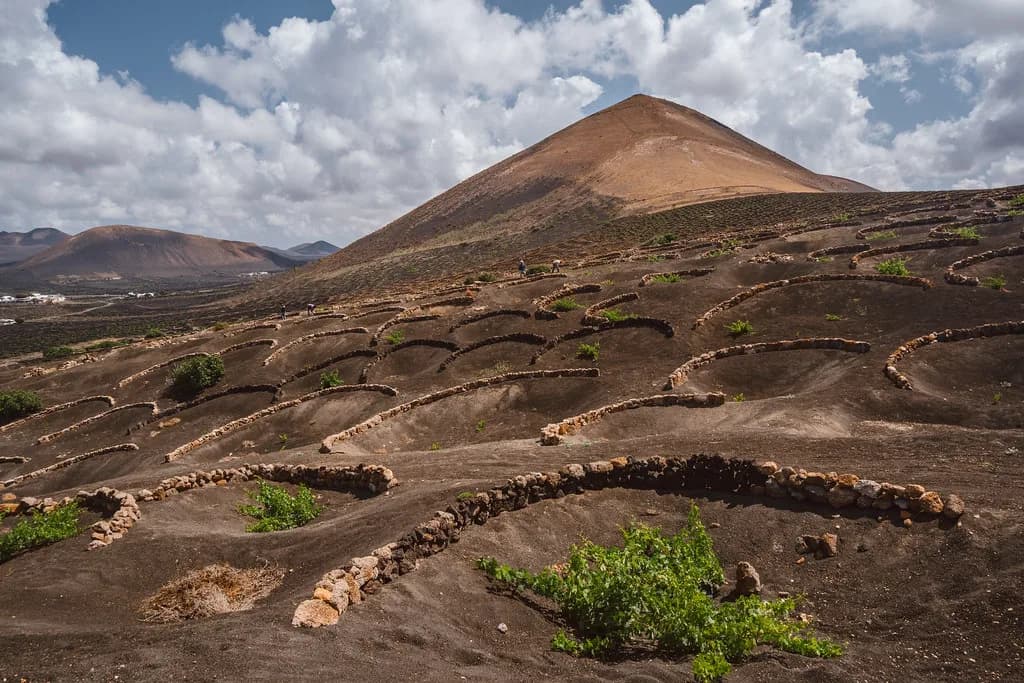
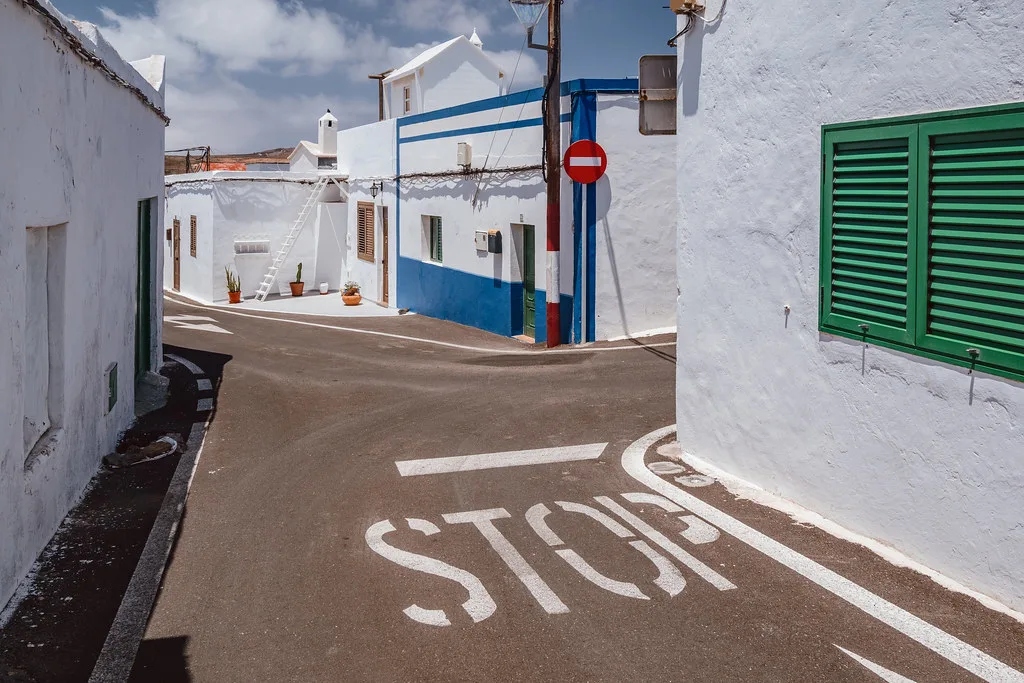
Inland from Timanfaya, La Geria grows Malvasía Volcánica in conditions found nowhere else, with vines planted in hollows scraped into black ash and sheltered by low stone walls. The wine is a dry white, and several bodegas welcome visitors for tastings and lunch. It is one of the few genuinely distinctive food and drink experiences on the island, so give it half a day rather than an hour.
Pair a winery visit with the Jardín de Cactus nearby and you have a central loop that works whatever the weather. Drivers should keep to the main roads, because some of the dirt tracks around the vineyards and the national park are rough.
Papagayo and the south coast: the rough track and the coves
The turquoise coves of Papagayo are the most sheltered swimming on the island and the calmest water when the Atlantic runs cool. Access is the trade-off: there is no proper road in, just a rough track that rental cars are typically not permitted to use. Check your hire agreement before you set off and budget for the walk or a transfer instead.
Playa Blanca is the natural base for this stretch, and its beaches suit families with young children. Puerto del Carmen, meanwhile, hides a quieter old town with a cliff walk towards Puerto Calero lined with restaurants, many serving fish landed that day.
Famara and Caleta de Famara: cliffs, surf and a rustic village
The Risco de Famara rises around 500 metres straight from the sea, and the village of Caleta de Famara sits at its foot, quiet and rustic compared with the resort beaches. Surfing, kitesurfing and windsurfing all happen here, with schools and equipment rental in the village, so it is the stop for anyone who wants to get on the water rather than watch it.
The drive in winds through volcanic landscape, and the beach is excellent for a low-tide walk. The trade winds can be strong on this coast, so a windproof layer earns its place in the bag.
Teguise on a Sunday: market, churches and Santa Bárbara
Teguise, the island's former capital, is small enough to walk in under an hour, with cobbled streets and whitewashed buildings. The Sunday morning market takes over the Plaza de San Miguel and leans heavily towards visitors, with craft stalls, cheap watches and street musicians. Go for the atmosphere rather than bargains, and expect it to be the busiest place on the island that morning.
Beyond the market, the Nuestra Señora de Guadalupe church, the convents of Santo Domingo and San Francisco, and the castle of Santa Bárbara on the Guanapay volcano are the buildings worth seeking out. A weekday visit gives you the same streets without the stalls.
Arrecife: Charco de San Ginés and Castillo de San Gabriel
The capital sees few tourists and feels all the more authentic for it. Two hours wandering the whitewashed centre takes in the Charco de San Ginés, a boat lake in the middle of town, and the Castillo de San Gabriel. It is a good half-day when the wind rules out the beach, and it pairs well with the shops at the Lanzarote Open Mall if the weather turns.
Costa Teguise, a short drive up the coast, is the most central base for families and holds the island's aquarium, one of the largest in the Canary Islands. That combination of town, shops and an indoor attraction makes the east coast the sensible pick for changeable days.
Órzola and the ferry to La Graciosa: a car-free island for a day
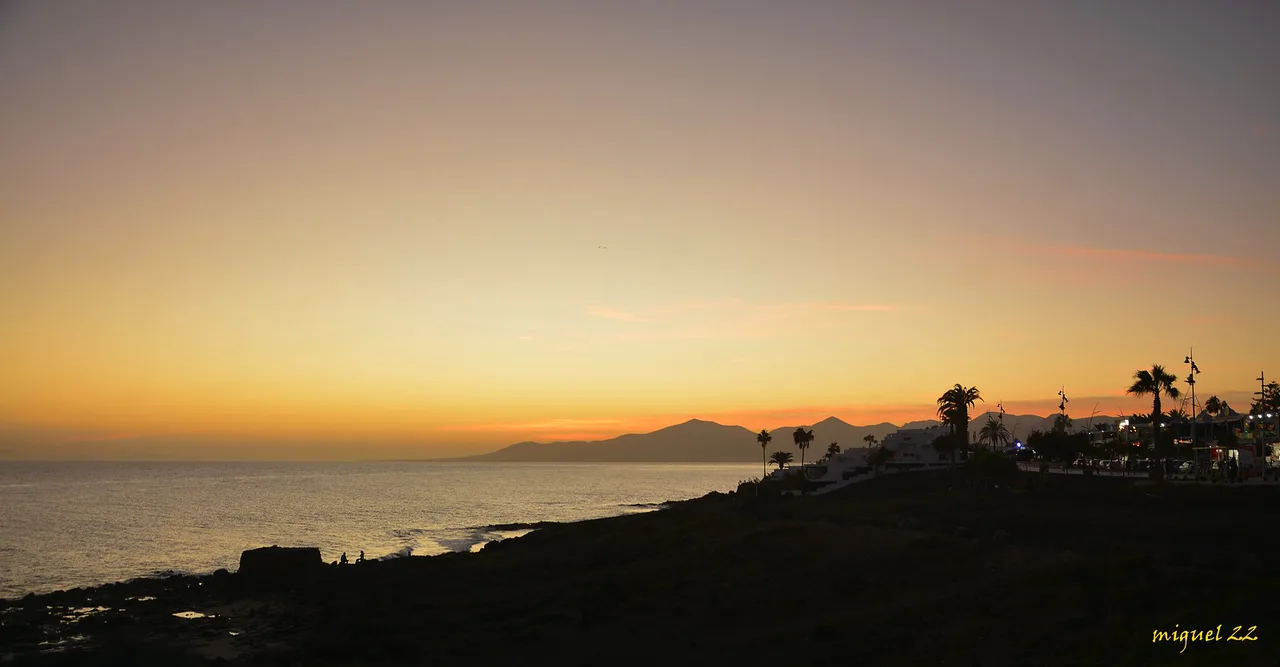
From the fishing village of Órzola at the northern tip, ferries cross to La Graciosa, where there are no tarmac roads and the beaches are golden and quiet. The crossing takes about 25 minutes, and 4WD tours are the way to see the interior. Village seafood restaurants serve the catch from the surrounding Atlantic water, so build lunch into the return.
Book the crossing for a calm day, because the strait can be choppy, and take everything you need since the island is car-free. It also combines neatly with the Mirador del Río, which looks straight down onto the route.
Where to base yourself: four useful bases
Costa Teguise is central, has good beaches and feels calmer than the bigger resorts, which makes it the easiest base for a first trip that covers the whole island. Playa Blanca in the south wins on beach time and gives quick access to Papagayo and Timanfaya, while Puerto del Carmen has the widest choice of restaurants and nightlife. Arrecife is the practical option, with ferry connections and roads running out to every region.
Wherever you stay, self-catering apartments give you flexibility with meal times, which matters if you are travelling with young children and eating later than they do. Expect to pay roughly €70 to €120 a night for a comfortable apartment or villa.
Eating on the island: pair the food stop with the sight
The most useful way to plan food in Lanzarote is to attach a stop to each sight rather than hunting restaurants at random. El Diablo for lunch inside Timanfaya, the cave restaurant at Jameos del Agua, the terrace at El Golfo and the seafood in Órzola cover most of a week without a duplicate. Add the museum restaurants at the Campesino for goat stew and octopus with mojo, and the cactus café at Guatiza for a lighter break.
Restaurant meals generally land between €15 and €25, and the island's cooking leans on fish, goat and mojo sauces rather than the resort menus you might expect. Lunch runs from about 1.30pm to 4pm and dinner starts around 8.30pm to 9pm, so a late breakfast leaves room for both.
When to visit and how the weather shapes the plan
Lanzarote runs warm all year, with winter days around 20 to 23°C and the sea at roughly 18 to 19°C, so winter is good for walking and sightseeing rather than sunbathing. Summer is hotter and busier, with peak prices in July and August. February, outside school holidays, is quiet, with no queues at Timanfaya.
Wind is the variable that decides your day. The trade winds hit the north and east coasts hardest, so keep caves, the Fundación and the capital for blustery days and save the sheltered Papagayo coves for calm ones. A windproof layer for viewpoints matters more than an umbrella.
Pacing a five to seven day trip without zigzagging
A week lets you group the island into days rather than racing between coasts. Give one morning to Timanfaya and El Diablo, one to Jameos del Agua and the Cueva de los Verdes, one to Mirador del Río and Órzola, and one to La Geria and the Jardín de Cactus. Add Teguise on a Sunday, the Fundación and Campesino on a weekday, and two beach days in the south.
A shorter break needs harder choices. With one day in lanzarote, pick either the volcano country or the northern caves and pair it with a long lunch rather than trying to cross the island twice. The attractions hub is the place to check individual sights before you commit.
Plan Your Lanzarote Visit
Lanzarote rewards a loose structure: book the Timanfaya morning and the El Diablo lunch together, give the northern caves and viewpoints a full day, and keep one day free for whichever cove the wind allows. Hire a car, base yourself centrally, and accept that Papagayo's rough access and Timanfaya's obligatory bus are part of the experience rather than obstacles to it.
The island suits a five- to seven-day trip, with winter for walking and summer for the water, and the food stops fold neatly into the sightseeing rather than needing separate planning. Check official visitor sites for current prices and last-entry times before you travel, and confirm ferry and market details for your dates.
Explore more Lanzarote guides
- Best Restaurants in Lanzarote
- Free Things to Do in Lanzarote
- How Many Days in Lanzarote Do You Actually Need?
- Lanzarote in August
- Lanzarote in July
- Lanzarote in October
- Lanzarote in September
- Lanzarote Itinerary
- Lanzarote Markets
- One Day in Lanzarote
- Shopping in Lanzarote
- Things to Do in Lanzarote When It Rains
- Best Tapas in Lanzarote
- What to Eat in Lanzarote
Frequently Asked Questions
Is there a lot to do in Lanzarote?
Yes. The island packs a national park with an obligatory bus route, several Manrique-designed caves and viewpoints, a cactus garden, a volcanic wine region, sheltered southern coves and a Sunday market at Teguise into a drive of about an hour and a half end to end. A week covers the main sights without rushing.
Do you need a car in Lanzarote?
A car is the practical way to reach the scattered sights, because public transport is limited and many stops sit between villages. The island is small enough that a single central base works, and hire costs are modest compared with the alternative of taxis between Timanfaya, the northern caves and the coast.
How many days do you need in Lanzarote?
Five days covers Timanfaya, the Manrique sites, the northern caves, a winery and the beaches if you plan by region. A week gives you room for La Graciosa, the Teguise market and a slower beach day. A long weekend works only if you focus on the volcano country or the north.
Can you visit La Graciosa from Lanzarote?
Yes. Ferries leave from Órzola at the northern tip of Lanzarote, and the crossing takes about 25 minutes. La Graciosa has no tarmac roads, so plan on a 4WD tour or walking, and pick a calm day because the strait can be choppy.
What is the weather like in Lanzarote?
Expect winter days of around 20 to 23°C with cool nights and the sea at roughly 18 to 19°C, and hotter, busier summers. Trade winds are strongest on the north and east coasts, so plan caves and viewpoints for windy days and the sheltered southern coves for calm ones.
What can you do in Lanzarote when it rains?
Rain is rare, but the caves and museums fill a wet day well: Jameos del Agua and the Cueva de los Verdes are indoors, as are the Fundación César Manrique and the Casa Museo del Campesino. Arrecife's centre and the aquarium at Costa Teguise are the other easy options.
Sources
Notes for eating well in Spain
Optional updates to our guides.
You might also like
Continue reading
More guides you'll find useful