
Puerto del Carmen: Lanzarote's Biggest Resort, Explained
Puerto del Carmen is the main tourist town on Lanzarote in the Canary Islands, part of the municipality of Tías on the island's south-east coast. It is a package-holiday resort first and foremost, with a beach, promenade, bars and restaurants doing the heavy lifting, rather than a whitewashed village with a fishing fleet.
If you want a base with easy airport transfers, a walkable strip of places to eat and drink, and enough around it to fill a week, it works well. If you want quiet lanes and a village feel, look further north or west.
Where Puerto del Carmen sits on the island
The resort stretches along the coast a short drive from Lanzarote Airport, which makes it a practical first or last stop on a week-long trip. It is also the largest and busiest of the island's resort areas, with Puerto del Carmen described as a bustling place with an abundance of restaurants, bars and nightclubs.
Lanzarote itself is small and easy to drive, and the island's resorts have stayed low-rise because César Manrique lobbied successfully for construction in keeping with traditional style and colour, with no high-rise buildings permitted. That planning legacy is why Puerto del Carmen looks the way it does.
The two halves: old town and new town
Treat Puerto del Carmen as two places and you will book the right base. The new town is the long beach strip, where the sand runs pretty much the entire length of the resort and water sports operate from it; it is the busier, younger end, close to the bars and clubs.
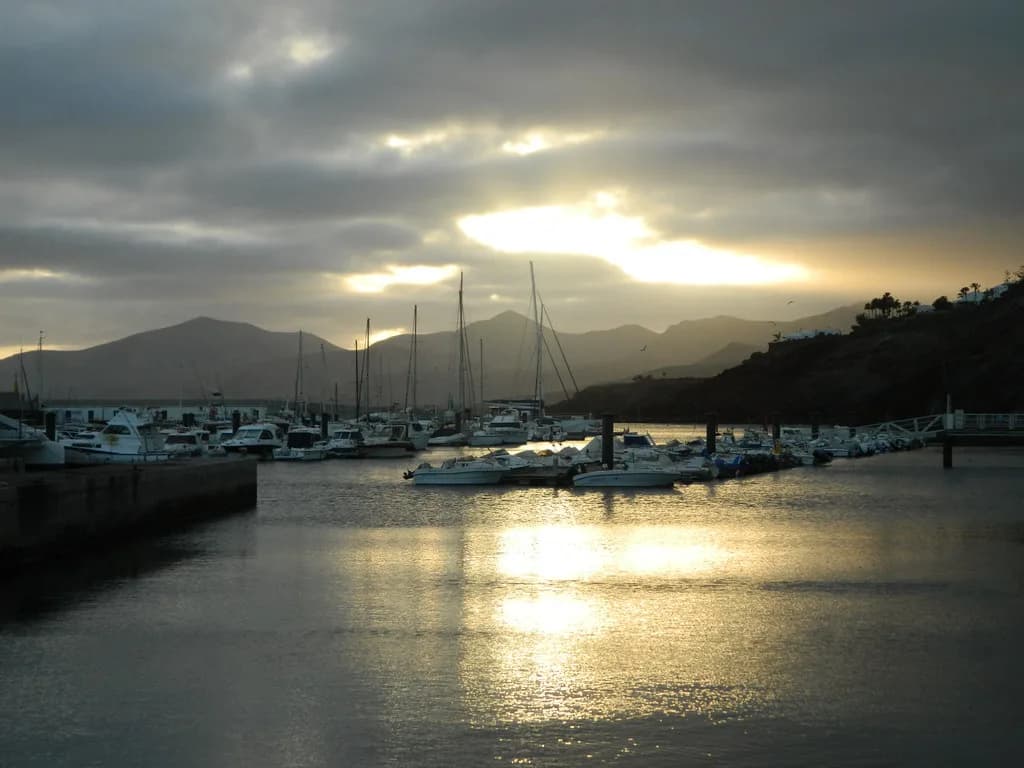
The old town is different: a harbour area with a more local feel, restaurants along the cliff walk towards Puerto Calero, and many serving fish caught that day. If you want evenings that feel like a Spanish coastal town rather than a resort strip, base yourself here and walk or take a short taxi to the new town when you want it.
Playa Grande and the promenade
The main beach, Playa Grande, runs alongside a shop-filled promenade and is the resort's biggest stretch of sand. It is the obvious default for a lazy day, with sunbeds, swimming and water sports all clustered together, and the promenade behind it gives you somewhere to walk when you want a break from the sand.
Beaches are the reason most people come, and the resort's coastline extends for more than six kilometres. Walk the full length once early in your stay: it tells you quickly which end you want to eat and drink in each evening.
Who Puerto del Carmen suits, and who it does not
It suits travellers who want a low-effort base: close to the airport, walkable, with plenty of places to eat and a beach on the doorstep. It also works for groups and younger visitors who want nightlife within walking distance of the hotel, and for families who plan to hire a car and use the resort as a launchpad for the rest of the island.
It suits less well if you want somewhere that feels like a Spanish town rather than a resort. If quiet streets, a village square and a slower pace matter more than convenience, the northern and central alternatives make better sense, and the old town here is the closest compromise.
What to do around the resort
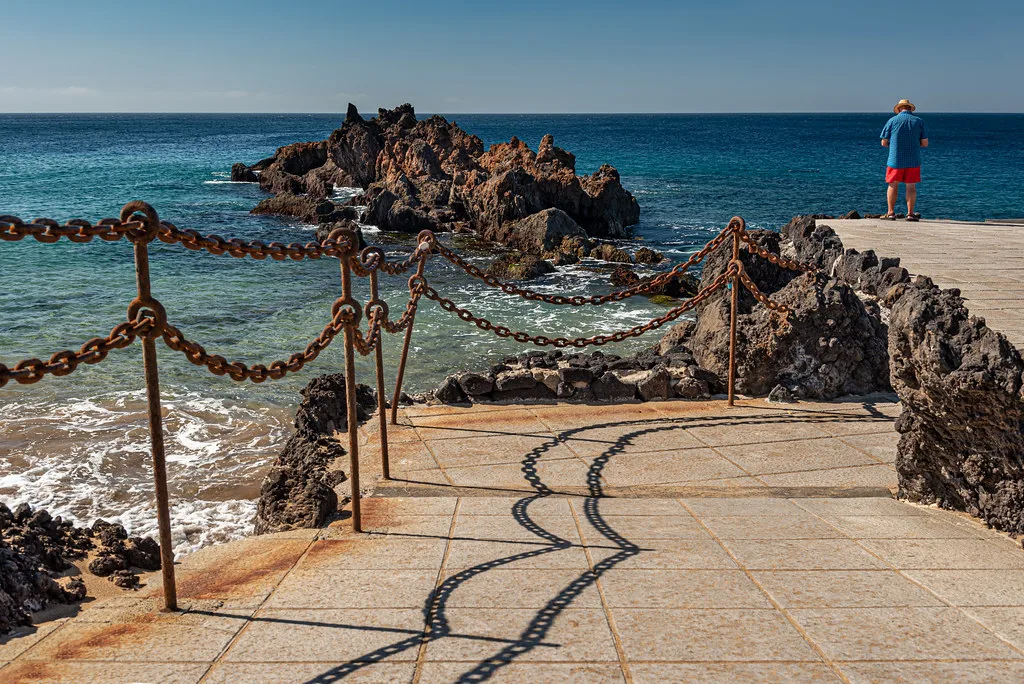
A water park floats in the sea in the new town, and the old town's cliff walk towards Puerto Calero is a good low-cost way to spend an afternoon with photo stops along the way. The cliff path is also where several of the fish restaurants sit, so time it for lunch or an early dinner.
Beyond the resort, the stand-out excursion is Timanfaya National Park, where you cannot walk unescorted and instead join the bus tour through the craters and lava fields, with commentary and no disembarking once the coach has started. Sit on the right-hand side for the best views.
Inland, the vineyards of La Geria are worth a half-day: each vine grows in a hollow ringed by a crescent-shaped stone wall that shelters it from the wind, a landscape created after the 1730 eruptions covered the area in ash. Several bodegas along the route serve tapas with the wine.
In the north, Jameos del Agua is the island's signature Manrique site: a volcanic tunnel transformed into a cultural centre with a natural saltwater lagoon, a turquoise pool and an auditorium inside a cave that seats 550 people. The lagoon holds a tiny blind albino crab found nowhere else.
Eating and drinking, by area
Plan meals around Spanish timing: lunch from about 1.30pm to 4pm, dinner from about 8.30pm to 9pm. On the promenade, the new town's restaurants fill later in the evening, while the old town's fish places are at their best at lunch after the morning catch comes in.
In the old town, the cliff walk towards Puerto Calero is lined with restaurants, many serving fish caught that day, so follow the path and pick by the view rather than by the menu board. In the new town, the choice is broader and cheaper, with everything from British pub food to Canarian staples; expect to eat earlier if you have children in tow.
Where to stay: hotel, apartment or old-town base
Three bases make sense. The new town suits anyone who wants the beach and nightlife on the doorstep; the old town suits couples and anyone who values a harbour view and a quieter evening; and the edges of the resort suit families with a car who want space and parking.
Among the apartment and hotel options in the resort, the Gloria Izaro Club Hotel sits 650 metres from the beach with a large outdoor pool and air-conditioned rooms, while the Rocas Blancas Apartments are 50 metres from the main beach, right in the middle of the action and better suited to couples. The Gueldara Apartments, 400 metres from the quieter Playa de los Pocillos, offer a terrace with each apartment.
Getting there and getting around without a car
From the airport, a taxi reaches the resort in about fifteen minutes, and Arrecife is a ten-minute drive away, which makes the resort a sensible first or last night on the island. If you stay car-free, the local buses connect the resort with the rest of Lanzarote, including the cactus garden and Jameos del Agua, but the journey involves changes and takes considerably longer than driving.
With a car, the island is compact and the roads well maintained, so a day can cover the northern sights and the volcanoes without rushing. If you plan to visit more than a couple of the Manrique sites, look at the combined attraction ticket before you buy individual entries.
Day trips worth building in
Beyond Timanfaya, the classic day trip runs south-west to El Golfo, where the Charco de los Clicos green lagoon sits behind a black beach, with a cluster of seafood restaurants in the fishing village below the car park. The drive from the resort takes around half an hour.
Combine the northern attractions in one loop: the Jardín de Cactus is around thirty minutes from the resort, and Jameos del Agua is a further fifteen minutes on, which makes a natural half-day with lunch at the cave restaurant. Mirador del Río, Manrique's clifftop lookout over the Chinijo archipelago, is a short drive further north-east.
Practical trade-offs: crowds, wind and timing
The resort is busiest in high season and the new-town strip can feel crowded by evening, so book the old town or the edge of the resort if quiet matters. Lanzarote's breeze keeps temperatures comfortable year-round, but it also means the beach can be windy; the resort's east-facing bay is more sheltered than the western beaches.
Time your days around meals rather than attractions: the restaurants serve late, and kitchens that close between lunch and dinner will leave you hunting. One fix is to plan the big excursion for the morning, return for a late lunch, then rest before an evening walk along the promenade.
Puerto del Carmen versus Costa Teguise and Playa Blanca
Costa Teguise is quieter and better suited to families, with sheltered beaches at Playa Cucharas and Playa de Jablillo, while Playa Blanca is calmer and prettier, with a boardwalk lined with restaurants and easy access to Papagayo's white-sand coves. Puerto del Carmen is the most convenient, the busiest and the most nightlife-heavy of the three. If you're weighing how to spend your days rather than where to sleep, our guide to the things to do in Lanzarote covers the island-wide sights from each base.
Arrecife, the island capital, is a different proposition altogether: whitewashed streets around the Charco de San Ginés and the Castillo de San Gabriel, ten minutes from the airport, and far less touristy. Use it for a morning or an afternoon before a flight rather than as a base.
Plan Your Visit
Puerto del Carmen works best for travellers who want convenience over charm. Book the old town or the edge of the resort if you value quiet, and the new town if you want the beach, bars and restaurants within a short walk, then use the island's roads for the days out that make Lanzarote worth the flight.
Confirm the current transfer options, opening days at the Manrique sites and any seasonal restaurant closures before you travel, since these change by season.
Frequently Asked Questions
Is Puerto del Carmen a nice place to stay?
It is the most convenient base on Lanzarote, with the airport a short taxi ride away, a long beach and a promenade of bars and restaurants. It is also the busiest and most package-holiday end of the island, so choose the old town or the edge of the resort if you want a quieter stay.
What is there to do in Puerto del Carmen?
The beach and promenade fill most days, with water sports in the new town and the cliff walk towards Puerto Calero in the old town. Nearby, Timanfaya National Park, the La Geria vineyards and the Manrique sites in the north are all straightforward drives.
Do you need a car in Puerto del Carmen?
Not for the resort itself, which is walkable. A car makes the island far easier: the cactus garden is about thirty minutes away and Jameos del Agua a further fifteen minutes, while the bus takes considerably longer and involves changes.
How far is Puerto del Carmen from Lanzarote Airport?
A taxi from the airport takes around fifteen minutes, and Arrecife is about a ten-minute drive away. That makes the resort a sensible first or last night on a week-long trip.
Is Puerto del Carmen better than Playa Blanca or Costa Teguise?
Puerto del Carmen is the busiest and most convenient, with the strongest nightlife. Costa Teguise is quieter and better for families, and Playa Blanca is calmer and prettier, with a boardwalk and the Papagayo beaches nearby.
Where can you eat in the old town of Puerto del Carmen?
The cliff walk towards Puerto Calero has restaurants, many serving fish caught that day, with views over the water. Go at Spanish lunchtime, from about 1.30pm to 4pm, when the fish is at its best.
What is Playa Grande like?
Playa Grande is the resort's main beach, running alongside a shop-filled promenade. It is the default for sunbathing and swimming, with water sports clustered nearby and the promenade handy when you want a break from the sand.
Is Puerto del Carmen busy at night?
Yes. The new town is the liveliest part of the resort, with bars and nightclubs, and it draws a younger crowd. The old town is quieter in the evening, with restaurants and the harbour rather than clubs.