
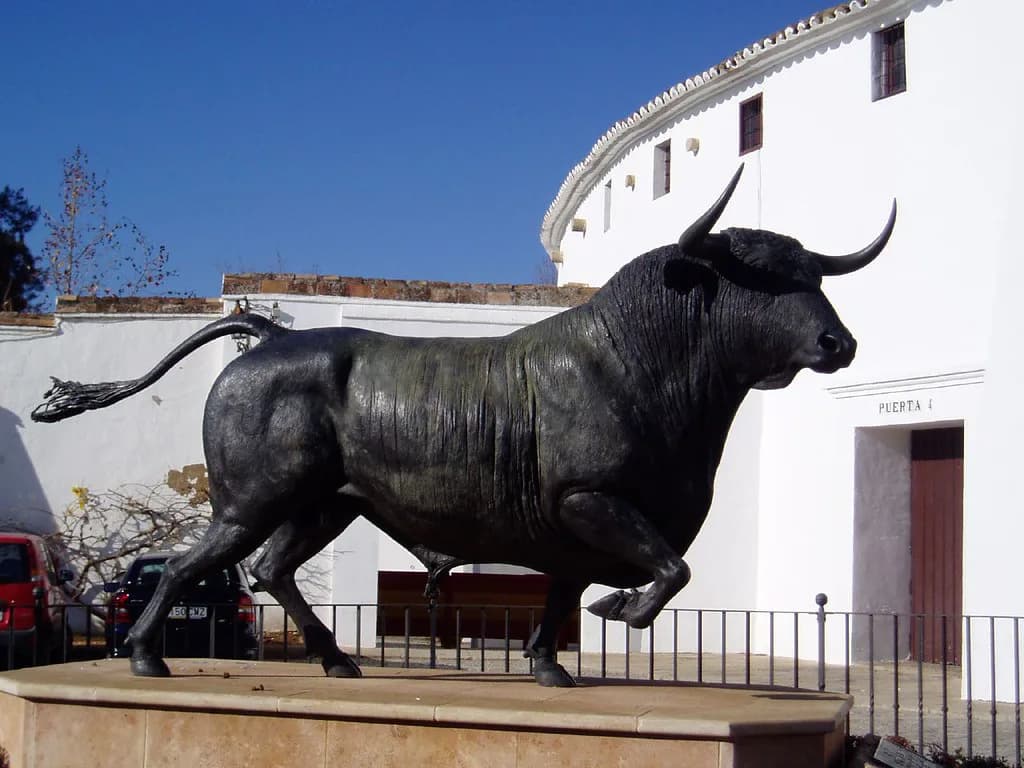
Plaza de Toros de Ronda: A Visitor's Guide to the Bullring
The Plaza de Toros de Ronda is one of Spain's oldest bullrings, built in 1785 in a Neoclassical style and now housing the Museo Taurino. It sits on a hilltop in the town above the Tajo gorge, which puts the arena, the museum and the gorge viewpoints within a short walk of each other.
What the Plaza de Toros de Ronda is
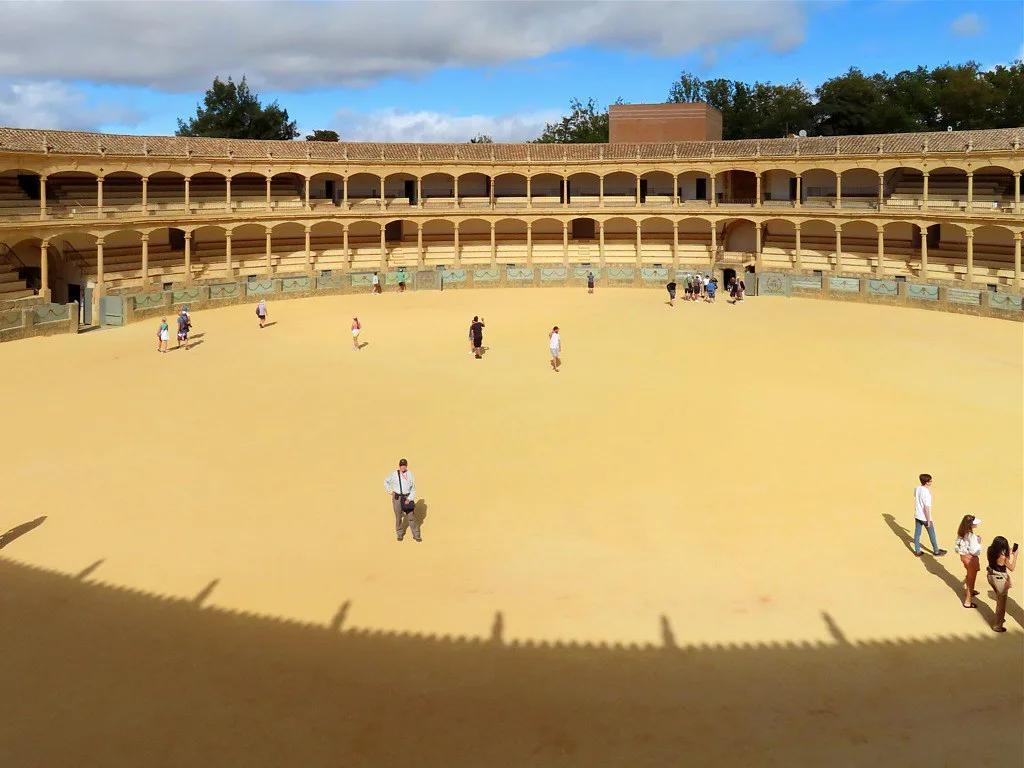
This is a working historic bullring and the home of the Real Maestranza de Caballería de Ronda, an equestrian institution, rather than a standalone museum piece. The building dates from 1785 and is one of the oldest and most famous bullrings in Spain, a Neoclassical design with an elegant circular arena ringed by columns and arches.
Treat it as two things in one visit: the sand arena and stands, and the Museo Taurino collections. Knowing that split helps you decide how to spend your time, because the museum rewards a slower pace than the arena itself.
Where it sits in Ronda
The bullring stands at Paseo Blas Infante, 2, on the hilltop side of town that looks over the Tajo gorge. That position is why the setting matters as much as the building: the arena is renowned for its location atop a hill, with views over the Ronda landscape, the surrounding mountains and the gorge.
Ronda is a striking Andalusian town perched above a deep gorge, and the bullring sits in the compact historic centre where the main sights cluster. Allow for walking between them rather than planning on transport, since the old town rewards slow wandering on foot. Once you've toured the arena, the wider circuit of things to do in Ronda fits naturally around the same compact centre.
The building: arena, seating and columns
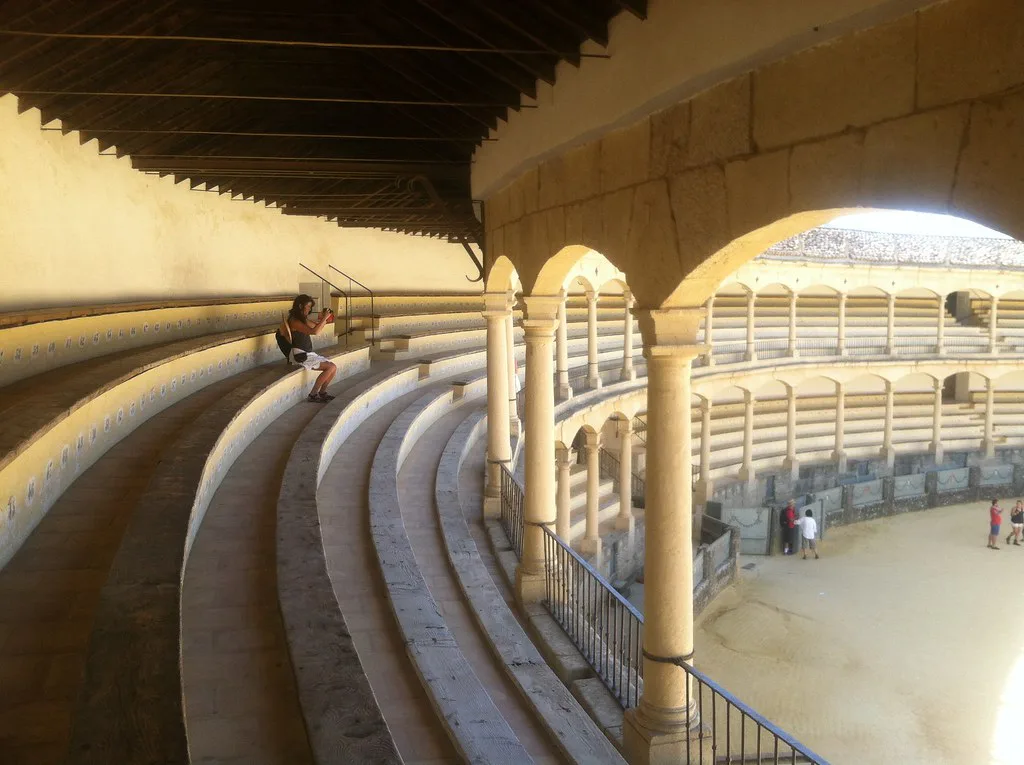
Inside, seating runs to 5,000 spectators across two levels defined by 136 columns, which gives the stands their distinctive layered look. The arena itself measures 66 metres in diameter and is surrounded by a passage formed by two rings of stone, a detail worth noticing as you walk the circuit.
The ring opened in 1785 with Pedro Romero, one of the great matadors in Spanish history, as the first torero to step onto the sand. That link to Romero gives the building its place in bullfighting history and explains why it draws visitors beyond Andalusia.
Inside the Museo Taurino
The Museo Taurino holds bullfighting memorabilia including costumes and photographs, as well as items from famous matadors and material on the culture and traditions around bullfighting. There is also art and a collection of antique firearms, so the museum covers more ground than costumes alone.
If you are travelling with someone who is unsure about the subject matter, the museum is where you can spend a short time on the costumes and art while skipping the denser displays. Go through the arena first, then the museum, so the space makes sense before the objects do.
Seeing the arena and the views
From the stands you look down into the circular sand ring, framed by the columns and arches on the far side. The height of the seating gives a clear sense of scale, and the two-tier layout means you can move up for a fuller view of the ring.
The hilltop position then delivers the second half of the visit: views across the gorge and out to the mountains. Save a few minutes at the end of the arena circuit for these, rather than rushing straight to the museum exit. If the panorama leaves you wanting more, the El Tajo gorge is covered in our guide to the things to do in Ronda.
Feria Goyesca in September
During the second week of every September the ring comes alive for the Feria Goyesca, also called the Feria de Pedro Romero. The four-day event features a parade and costumed festivities, and it culminates in a bullfight named the Corrida Goyesca, which dates back to 1954.
If your dates overlap with the festival, expect a different experience from a standard visit: the ring is in festival use and the town is busy. Check the programme and any altered visiting arrangements before you travel, and book accommodation early if the festival is the reason for your trip.
How long to allow and how to pace it
Give the bullring and museum between an hour and ninety minutes: longer if you read the museum displays in detail, shorter if you are mainly there for the arena. The visit is compact, so it fits easily into a half day alongside the gorge.
A sensible order is the arena and stands first, then the museum, then the short walk to the gorge viewpoints. Booking a timed, skip-the-line entry ticket is one option if you want to avoid queueing, particularly on busy days.
Tickets, opening hours and queues
Check opening hours, ticket prices and booking rules on the Real Maestranza's own site before you go, since these change by season and around the September festival. If you would rather lock in a slot, buy a timed entry ticket in advance and arrive at the start of your time band.
Queues build when tour groups arrive together, so early slots tend to be calmer inside the arena. If the museum is the main draw for you, go straight there on arrival and circle back to the arena when the crowd has moved on.
What's nearby: the gorge and the town
The Puente Nuevo, the 18th-century arch bridge over the 120-metre chasm, is a short walk from the bullring and the essential Ronda view. Pair the two and you get the town's two headline sights without crossing it twice. It is one of the headline things to do in Ronda and fits neatly beside the bullring.
The Jardines de Cuenca are terraced gardens overlooking the gorge and the Puente Nuevo, and make a good spot to sit after the museum. For a different side of Ronda's history, the Arab Baths in Ronda are a short walk down towards the river.
If you want more of the town's interiors, the Palacio de Mondragón is a former palace with courtyards and a garden, useful when the afternoon heat pushes you indoors.
Plan the rest of your day around Ronda Attractions: 4 Visitor Guides, which puts the bullring alongside the gorge and the old town in a single route.
Practical points for British and Irish visitors
Spanish meal times run later than at home: lunch is served from about 1.30pm to 4pm, and dinner from about 8.30pm or 9pm. Fit the bullring in before lunch, then eat afterwards, rather than trying to visit straight after a late lunch.
Many restaurants in Ronda close one or two days a week, and some close for part of August or winter, so check before you build a day around a particular place. Evenings are the best time for the gorge viewpoints, when the day-trippers have gone and the light softens.
Nearby day trips
Setenil de las Bodegas, a white village built into and under massive rock overhangs, is a striking short trip from Ronda. Grazalema Natural Park, in Cádiz province, has hiking trails, dramatic cliffs and endemic flora for a half day outdoors.
Treat both as add-ons to a Ronda stay rather than stops to cram into the same day as the bullring and gorge. If you want to see all three of Ronda's main sights in one compact route, see things to do in Ronda.
Plan Your Visit
The Plaza de Toros de Ronda is worth an hour or two for the arena, the two-tier stands and the Museo Taurino collections, with the gorge views as a bonus. Go early, book a timed slot if you want to skip the queue, and check the current opening hours and prices on the Real Maestranza's site before setting out.
Frequently Asked Questions
Where is the Plaza de Toros de Ronda?
It is on the hilltop above the Tajo gorge in Ronda, at Paseo Blas Infante, 2. The Puente Nuevo and the Jardines de Cuenca are both a short walk away.
When was the Ronda bullring built?
The bullring opened in 1785 and is one of the oldest in Spain. Pedro Romero was the first torero to enter the sand arena.
What can you see inside the Ronda bullring museum?
The Museo Taurino holds matador costumes, photographs, memorabilia and material on bullfighting traditions, along with art and a collection of antique firearms.
How long does a visit take?
Allow an hour to ninety minutes for the arena and the museum, longer if you read the displays in detail. Add time for the gorge viewpoints nearby.
What is the Feria Goyesca?
It is a four-day festival held in the second week of September, with a parade and costumed festivities, culminating in the Corrida Goyesca bullfight, which dates back to 1954.
What else is worth seeing near the bullring?
The Puente Nuevo over the Tajo gorge, the Jardines de Cuenca terraces, the Arab Baths and the Palacio de Mondragón are all within walking distance of the old town.
Do you need to book tickets in advance?
Not always, but a timed, skip-the-line ticket saves queueing on busy days. Check opening hours, prices and booking rules on the Real Maestranza's site before you go.