
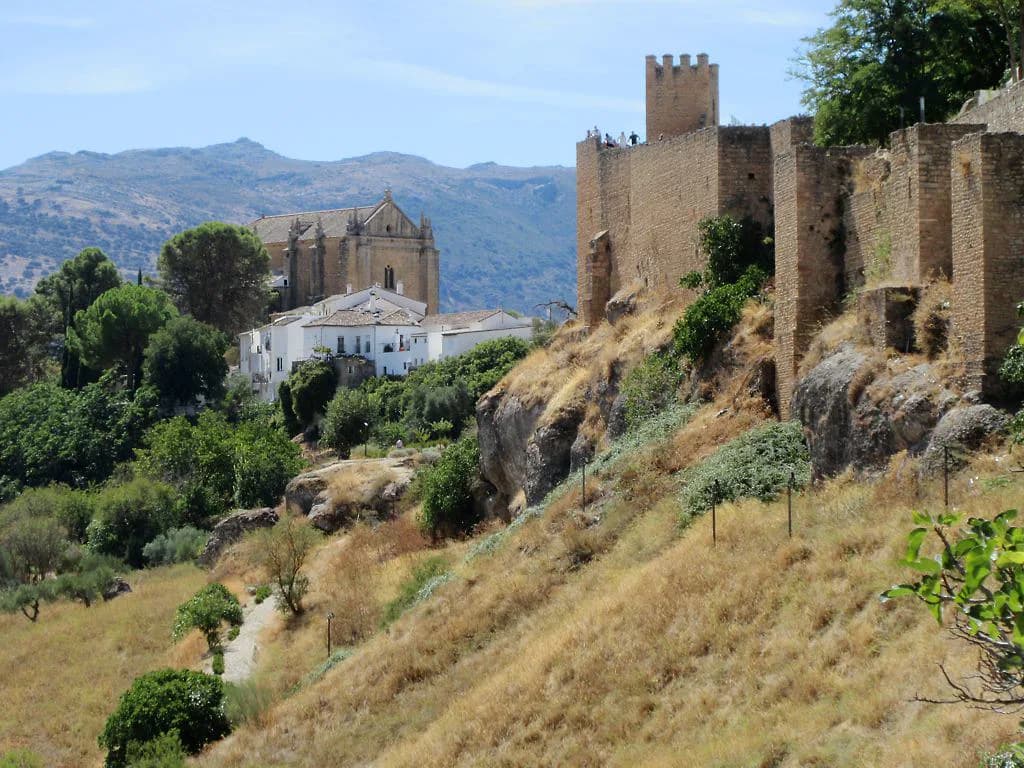
Arab Baths, Ronda: What to See at the Baños Árabes
Ronda's Arab Baths, the Baños Árabes, are a short, focused stop a few minutes' walk from the old town: a Moorish hammam whose cold, warm and hot rooms survive in unusually good condition. You visit for the architecture and the sense of how a bathhouse worked, not for a spa session, and an hour is usually enough.
What the Arab Baths in Ronda are
The Baños Árabes were Ronda's main hammam in Moorish times, built outside the old city walls and modelled on Roman baths but adapted to Islamic bathing traditions. They are described as among the best preserved of their kind in the Iberian Peninsula, which is the main reason to put them on a Ronda itinerary.
This is an archaeological site rather than a working bathhouse: you walk through abandoned rooms and read the plan of the building rather than seeing water in use. That makes it a quiet, cool stop, and a welcome contrast to the crowded viewpoints over the gorge.
Where the Baños Árabes sit in relation to Ronda's old town and Puente Nuevo
The baths sit below the level of Ronda's old town, outside the historic walls, so they are not on the same circuit as the Puente Nuevo and the bullring. Treat them as a separate leg of the day rather than something you pass on the way between the two halves of the city.
For orientation, the baths belong with Ronda's other monuments rather than with the gorge itself; the Puente Nuevo, Ronda's landmark bridge over the Tajo, is a different stop with its own approach. Our guide to the Puente Nuevo covers that separately if you are building a route through the town.
Getting there on foot from the old town
Most visitors reach the baths on foot from the old town, dropping down and out through the streets beyond the walls. The approach is downhill on the way and uphill on the return, which is the part people misjudge: allow extra time and comfortable shoes for the climb back rather than treating it as a two-minute detour.
Because the site lies outside the walls, it works best when you are already exploring that side of Ronda rather than crossing town for it alone. Pair it with a walk through the old town afterwards, and check a map before setting out, since the entrance is not visible from the main squares.
Inside the baths: cold, warm and hot rooms
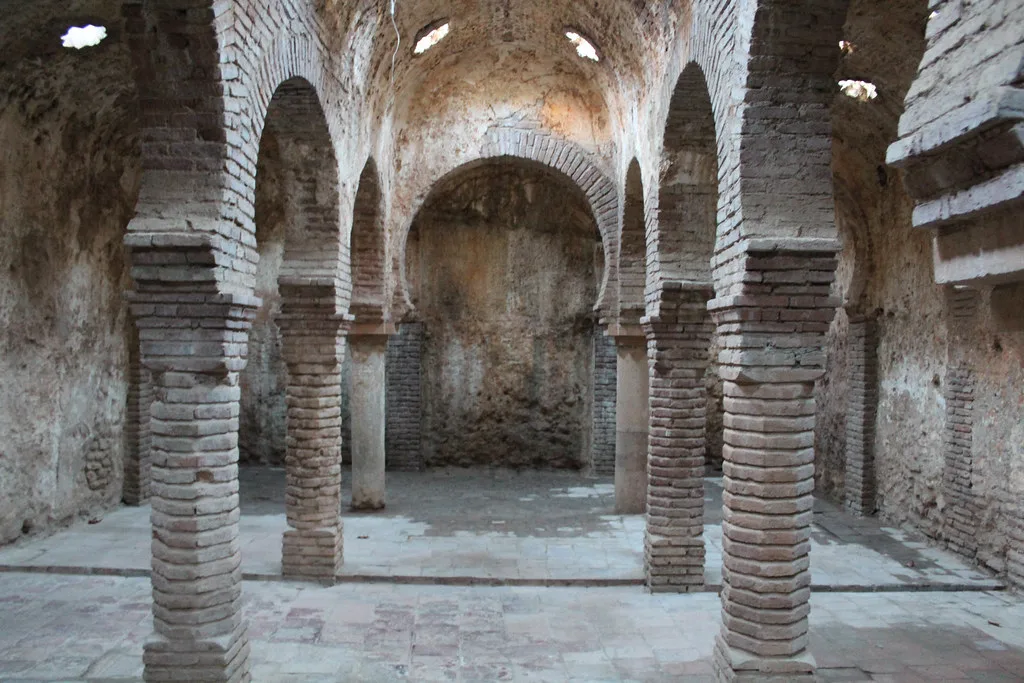
The building follows the classic bathhouse sequence: a cold room, a warm room and a hot room, plus a reception area and a steam boiler room. The central hall is the largest and brightest space, divided into three sections separated by horseshoe arches, and it is the image most visitors take away.
Walk through in the order the rooms were used and the building makes sense: you cool down, move through the warm room and finish in the hot room near the furnace. The rooms are described as well maintained, with star-shaped skylights piercing the vaults and letting light into the central hall.
The reception area and steam boiler room
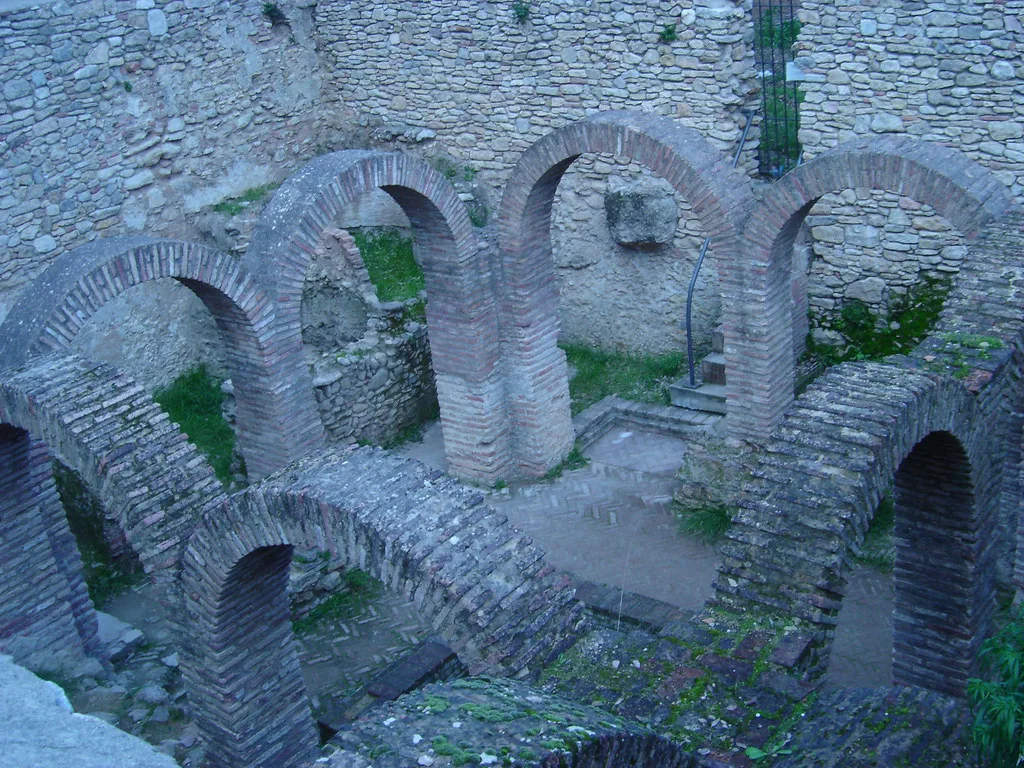
Beyond the bathing rooms, the site includes a reception area and the boiler room that fed the steam, which is where the engineering of the hammam becomes clear. Looking at the furnace end first makes the underfloor heating system easier to read as you move back through the warm and hot rooms.
The design borrows the Roman bath model and reshapes it for Islamic use, so you are looking at a hybrid rather than a copy. That is the intellectual pleasure of the visit: a familiar Roman plan reorganised around bathing ritual and privacy.
How long to allow, and when to slot it in
Allow around 45 minutes to an hour inside, plus the walk down and back up, which brings the whole stop to roughly an hour and a half. It is a short visit by design, so do not build a half-day around it; slot it into a morning or late afternoon alongside the old town.
Spanish meal times matter here: lunch runs roughly 1:30–4pm and dinner starts around 8:30–9pm, so the baths fit neatly into the late-morning gap before lunch or the stretch before an evening meal. Going early also means fewer people in the central hall, which is the space you will want to yourself.
Nearby: what else is within easy walking distance
Back up in the old town, the Palacio de Mondragón is a natural next stop, a former palace turned museum with courtyards and a viewpoint over the gorge. It keeps you on the same side of Ronda rather than sending you back across the bridge.
The Plaza de Toros de Ronda, one of Spain's oldest bullrings, is also within walking distance in the newer part of town, so you can combine the baths with it in a single loop. Our guide to the plaza de toros covers what the visit involves and when to go.
If you are planning the rest of your time in the city, our Ronda attractions overview sets out the monuments worth your hours and how they fit together. Use it to decide what to pair with the baths rather than trying to see everything in one day.
Tickets, opening hours and booking
Hours at the Baños Árabes differ by day of the week, with a split timetable on some days and a shorter Sunday, so look up the day's times and ticket details before you set out. Going early also means fewer people in the central hall.
Entry is ticketed, and it is worth checking on the GetYourGuide listing whether you need to book a slot in advance during busy periods. Check the official site for current prices and booking rules before you travel.
Plan Your Visit
The Baños Árabes reward a focused hour: the horseshoe arches of the central hall, the sequence of cold, warm and hot rooms, and the boiler end that explains how the whole thing worked. Go early, wear shoes for the climb back, and pair it with the old town rather than the gorge.
Frequently Asked Questions
Where are the Arab Baths in Ronda?
They sit outside Ronda's old city walls, below the level of the historic centre, which is why they are a separate stop from the Puente Nuevo and the bullring. Allow a downhill walk there and an uphill walk back.
How long does it take to visit the Baños Árabes in Ronda?
Plan on 45 minutes to an hour inside, plus the walk down and back up from the old town. That makes it a short, focused stop rather than a half-day.
What can you see inside Ronda's Arab Baths?
A cold room, a warm room and a hot room, plus a reception area and a steam boiler room. The central hall is the largest space, divided into three sections by horseshoe arches.
Do you need to book tickets for the Arab Baths in Ronda?
Entry is ticketed, and booking rules can change with the season, so check the official site before you travel.
What is near the Arab Baths in Ronda?
The old town is a short walk uphill, with the Palacio de Mondragón and the Plaza de Toros de Ronda both within reach. Pair the baths with one of them rather than crossing town twice.