Shopping in Santander: Markets, Streets and Local Buys
A practical guide to shopping in Santander, from Mercado La Esperanza to Valle Real, with local food buys, transport and Sunday opening rules.
On this page
Santander keeps its shopping compact: a walkable centre built around Mercado La Esperanza, two arcaded squares and the Centro Botín, plus one large out-of-town complex at Maliaño. For a short break, the centre covers nearly everything a visitor wants, and the mall is only worth the trip if you need a hypermarket, a food court or a rainy-day indoor circuit.
Treat food as the real souvenir. Cantabrian cheeses, cured meats, tinned fish and jams travel better than branded gifts and give you something to eat at home. The rest of this guide sets out where to buy them, how the opening rhythms work and how to fold shopping into a wider set of things to do in Santander without losing half a day to it.
What shopping in Santander looks like: a compact centre plus one big out-of-town mall
The centre is the default. Mercado La Esperanza sits behind the town hall in a 19th-century iron-and-glass building, and the surrounding streets run into Plaza Porticada and Plaza de Cañadío within minutes on foot. You can shop, stop for a coffee and reach the waterfront without a bus.
Valle Real is a different animal: one of the largest and most modern shopping complexes in the area, in Maliaño about 7–10 km southwest of the centre. It carries international and Spanish clothing brands, a large hypermarket and a food court, with free parking for over 2,600 cars. Choose it for volume and practicality, not for character.
Two days is enough to cover the market, the squares and a museum shop at an easy pace, leaving time for the coast. If you are weighing up a longer stay, this guide to how many days in Santander helps you decide whether the mall trip is worth a slot.
Mercado La Esperanza: the 19th-century market behind the town hall
Mercado La Esperanza is the anchor of central food shopping, housed in a historic 19th-century building directly behind the town hall. Inside, stalls sell fresh Atlantic seafood, cheeses, cured meats and seasonal produce, so it works as both a browse and a proper provisioning stop.
Go before lunch rather than late afternoon. Spanish lunch runs roughly 1:30–4pm and market activity thins after the morning trade, so a mid-morning visit gets you the fullest stalls and the easiest browsing. It also leaves the afternoon free for the arcaded squares and the bay.
If markets are a priority, plan around them rather than squeezing one in between sights. A dedicated guide to Santander markets covers the city's options in more depth and helps you pick which ones fit your timetable.
What to buy at La Esperanza: cheeses, cured meats, fish and jams
Buy conservatively and think about the journey home. Cantabrian cheeses and cured meats are the safest purchases: they are compact, they survive a ferry crossing and they do not need refrigeration if you keep them sealed. Jams and marmalades are easy to carry and make useful gifts.
Fresh fish and seafood are the market's strongest suit but the least practical souvenir. If you are staying in self-catering accommodation, buy there and cook that evening. If you are heading straight to the airport or ferry terminal, look at the cured and tinned options instead, which pack flat in a suitcase.
Mercado del Este and the old-town quarter
Mercado del Este gives the old town another covered stop, close to the lanes running down towards the waterfront. Pair it with a wander through the old-town quarter rather than treating it as a separate trip, so the walking is short and the browsing varied.
The old-town streets between the market and the Jardines de Pereda are the pleasantest part of central shopping: small, unhurried and mixed with architecture. Give yourself an hour to walk them without a fixed list, then loop back for the squares.
Plaza Porticada and Plaza de Cañadío: browsing and a coffee stop
Plaza Porticada gives Santander its most formal shopping setting, rebuilt with grand neo-classical arcades after the 1941 fire. Plaza de Cañadío, a short walk away, runs at a different rhythm, with outdoor cafés and tapas bars that pick up in the evening.
Use Cañadío as the coffee stop, not the shopping stop. Prices in Santander are modest next to Madrid or Barcelona, with a café con leche under €2 and a menú del día around €15 as general guidance — useful for pacing your day, though a café you happen to like may charge more.
Ordering well matters more than spending more. If you want a proper sit-down meal between shops, the pick of the city's best restaurants gives you a shortlist to work from rather than relying on the first menu board you pass.
Centro Botín and Jardines de Pereda: gallery shop and a waterfront pause
The Centro Botín puts on regular art exhibitions and events and occupies the waterfront at the eastern edge of the Jardines de Pereda. The gallery shop is the obvious browsing stop for design and art books, and it slots neatly into a walk between the old town and the Paseo de Pereda.
Expedia lists a skip-the-line entry ticket at £9 per adult, sold in pounds rather than euros, so check the current rate and currency before booking. Elsewhere in the guide, the wider set of things to do in Santander, from the Maritime Museum to the cathedral, helps you order a full day around the waterfront.
Valle Real: the out-of-town mall, how to get there and when to go
You do not need a car. The C3 suburban train stops on the complex's own grounds, and city and suburban buses include route S3, which links the mall with Santander and El Astillero; the stop is a few minutes' walk from the entrance. Driving is simple too, with free parking and no time limit.
Budget two to four hours for a focused visit covering the main stores and a coffee. Turn it into half a day if you need the hypermarket, want a proper meal in the food court or are travelling with children, since free play areas and baby-changing facilities are part of the setup.
Valle Real opening days versus city-centre shopping rhythms
Valle Real's standard store hours are Monday to Saturday, 10:00–22:00. On Sundays and public holidays most shops may be closed or run reduced hours, while restaurant and leisure areas often stay open longer, so a Sunday trip is better for eating than for buying.
The centre's own rhythms are looser and harder to pin down, and there is no single reliable listing for every shop. Confirm the days of any specific place directly before you build a day around it, especially around public holidays and in August.
Summer is the busiest stretch, and the city changes character in July and August. A guide to Santander in August covers what stays open and how the crowds behave when the beach trade peaks and residents head inland.
Local foodstuffs worth carrying home from Cantabria
Cantabria's food reputation rests on Atlantic seafood, artisan cheeses, cured meats and seasonal produce, all of which you can buy at the market rather than at the airport. Pick up a wedge of local cheese, a pack of cured meat and a jar of jam and you have gifts that cost less than branded souvenirs.
Tinned seafood travels better than fresh and is genuinely a local habit rather than a tourist product. It is also light and secure in hand luggage, which matters if you are flying home from Santander airport with a tight weight allowance.
If you would rather eat the region than carry it, a seafood lunch ordering rabas — fried calamari — is the classic Santander plate, with paella appearing widely on menus as well. Some guidance on the best restaurants in Santander will steer you towards a kitchen that treats local fish properly.
Souvenirs that are actually useful, and what to skip
Buy things you will use: food, kitchen basics, a good book from the gallery shop, or a practical item of clothing. Those hold value after the holiday, whereas decorative trinkets usually sit in a drawer once you are home.
Skip anything bulky from the market unless you are driving. If you are flying with a cabin bag only, weight and shape decide what is worth buying far more than price does.
Budgeting in euros: markets versus mall versus small shops
Markets give the best value per gram for food and let you buy in small quantities. The mall competes on selection and fixed pricing rather than cheapness, while small central shops charge for convenience and location.
For a broader European comparison, a guide to shopping in Alicante shows how Spanish high-street pricing and mall culture work in another coastal city, which is useful context before you assume Santander is expensive or cheap.
Sunday and public-holiday shopping: what actually opens
Plan Sunday as a non-shopping day. At Valle Real most shops may close or reduce hours on Sundays and public holidays, and the centre is no safer a bet for retail. Restaurants, cafés, the promenades and the beaches carry the day instead.
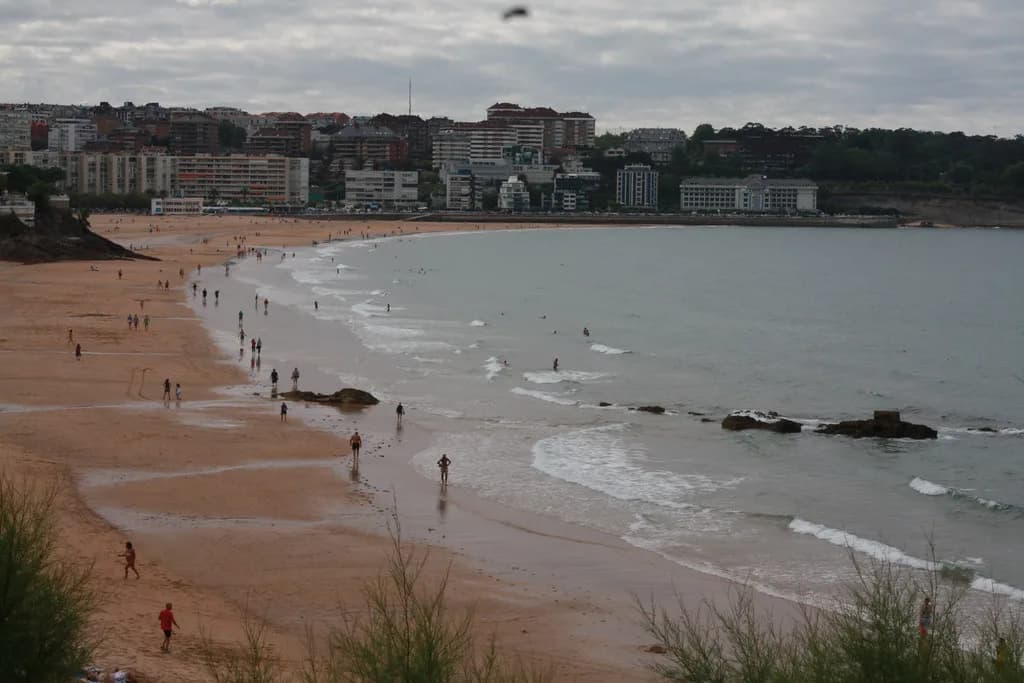
Use those days for the coast or a long lunch. El Sardinero's golden sand and Belle Époque villas are a short trip from the centre, and a guide to Santander in July explains how the beach season and the holiday calendar affect crowds.
Rainy-day plan: shopping routed around the centre's sights
Start at Mercado La Esperanza for covered browsing and food purchases, then walk the short hop to Plaza Porticada under the arcades. Carry on to the Centro Botín for the exhibition and the shop, finishing in the Jardines de Pereda when the rain eases.
This loop keeps every leg short and mostly covered, so you are not committed to a long walk in bad weather. It also puts the market early, when its stalls are at their best.
If the rain settles in for the whole day, a ready-made Santander itinerary saves you from replanning in a doorway and balances indoor stops with the waterfront.
Where to eat between shops: rabas, tapas and market stalls
Eat at Spanish hours: lunch from about 1:30pm and dinner from 8:30–9pm, with a mid-afternoon coffee bridging the gap. A plate of rabas and a couple of tapas at the market or in Plaza de Cañadío covers the middle of the day without cutting into shopping time.
Cañadío is the liveliest evening option in the centre, with tapas bars and regional brews drawing a crowd as the shops shut. Book a sit-down dinner later in the evening rather than expecting a full meal at six.
Practical logistics: luggage, onward ferries and the airport
Santander is a ferry port as well as a flight destination, and the centre sits close to both the railway and bus stations, which makes a final shopping stop manageable. If you are catching a ferry, buy food in the market on the morning of departure, not days ahead.
For the airport, allow time to repack: liquids, tinned fish and cheese all need to fit the rules and your weight allowance. There is no reason to haul purchases around all afternoon when you can shop last, close to your route out.
Plan Your Shopping Around Your Trip
Build the centre around a mid-morning Mercado La Esperanza visit, the arcaded squares for coffee and the Centro Botín for a gallery shop and an exhibition. Add Valle Real by C3 train or route S3 bus only if you need brands, a hypermarket or a wet-weather indoor day.
Buy food rather than ornaments, plan Sunday for the beach or a long lunch, and check current days and hours for any specific shop before you set out.
Explore more Santander guides
Frequently Asked Questions
Is there a market in Santander?
Yes. Mercado La Esperanza is a historic 19th-century market building behind the town hall, with stalls selling seafood, cheeses, cured meats and produce. The old town also has Mercado del Este.
What should I buy in Santander?
Food is the sensible purchase: Cantabrian cheeses, cured meats, tinned seafood and jams, all bought at the market. They travel well and make better gifts than decorative souvenirs.
Where is the main shopping area in Santander?
The centre is the main area for visitors, focused on Mercado La Esperanza and the streets around Plaza Porticada and Plaza de Cañadío. Valle Real, at Maliaño, handles large-scale retail.
How do I get to Valle Real from central Santander?
The C3 suburban train stops at the complex, and bus route S3 links the centre with Valle Real and El Astillero. Drivers have free parking for over 2,600 cars.
Is Valle Real open on Sundays?
Most shops there may be closed or run reduced hours on Sundays and public holidays, while restaurant and leisure areas often stay open longer. Treat Sunday as a non-shopping day.
What food is Cantabria famous for?
Fresh Atlantic seafood, artisan cheeses, cured meats and seasonal produce. Locally, rabas — fried calamari — and paella appear widely on Santander menus.
Do shops in Santander close at midday?
Check the specific shop's own hours before you go, as there is no single reliable city-wide schedule to plan around.
Sources
Notes for eating well in Spain
Optional updates to our guides.
You might also like
Continue reading
More guides you'll find useful