Shopping in Salamanca: What to Buy and Where to Browse
A practical guide to shopping in Salamanca, from Guijuelo ham and hornazo to the Central Market and the tapas bars around Calle Van Dyck.
On this page
Shopping in Salamanca is about food and regional produce first: cured ham from Guijuelo, cheeses and meats from the Central Market, and wines built on the Rufete grape. Treat fashion as an afterthought and you will spend your money well.
The practical constraint is timing. Many smaller shops take a mid-day break and shut from roughly 2pm to 5pm, so a shopping morning works far better than a late-afternoon run. That same rhythm explains why a 6pm shop-and-eat plan tends to fail here.
What Shopping in Salamanca Is Actually Good For
Salamanca's real strength is its larder. The province is known as the pantry of Castile, and its cured meats, cheeses and wines are what justify a shopping detour. Build your morning around the Central Market and the old-town food shops rather than around clothing chains.
Souvenirs follow the same logic. The scallop shell carved across the Casa de las Conchas gives you a motif worth carrying home, and it costs nothing to go and look before you decide what to buy. Pair browsing with the city's major sights and you get a full day out of it.
Start at the Central Market
The Central Market of Salamanca sits in a historic modernist building and is the best single stop for regional cheeses, cured meats and fresh produce. Go early in the day when the stalls are at their fullest, and bring a bag that can take a vacuum-packed ham or a wedge of cheese.
Market shopping is also where you learn what to eat later. Stalls selling meat and cheese tell you what the city's tapas bars are working with, which makes ordering at dinner easier. If you are weighing up how long to stay, this is one errand that rewards a proper morning.
What to Buy: Jamón de Guijuelo
Jamón de Guijuelo is the headline purchase. The ham is cured in the nearby town of Guijuelo and is prized across Spain for a sweet, delicate flavour and a texture that melts rather than chews. Buy sliced rather than whole unless you have a plan for carving it, and ask for it cut thin.
Check what you are buying before you pay. A shop assistant can tell you the curing time and whether the ham is from a recognised producer, and a proper shop will let you taste a sliver first. Pack it flat in your hand luggage if you want it home intact.
What to Buy: Hornazo and Farinato
Hornazo is Salamanca's savoury meat pie: pork loin, chorizo, ham and hard-boiled egg baked inside a golden, yeast-leavened dough. It is traditionally tied to the local festival of Lunes de Aguas, but bakeries across the city sell it year-round, which makes it an easy edible souvenir to try before you commit.
Farinato is the other local speciality worth knowing: a horseshoe-shaped sausage made from breadcrumbs, pork fat, onion and anise, usually served with fried eggs as huevos con farinato. Order it in a bar rather than buying it to carry home, since it is at its best cooked and hot.
Wines of the Sierra de Salamanca
The Sierra de Salamanca denomination is built on the Rufete grape, an indigenous variety you rarely see outside the region. A bottle from a local wine shop is a better souvenir than another T-shirt, and it is the sort of thing that survives the journey home.
Taste before you buy where you can. A glass of Rufete in a wine bar tells you whether you like the lighter, sharper style before you commit to a bottle, and staff in a specialist shop can point you to producers they stock. Wrap bottles well if they go in a checked bag.
Souvenirs Beyond Food: The Scallop Shell
The Casa de las Conchas takes its name from the more than 300 stone scallop shells carved across its façade, the symbol of the Order of Santiago. The shell motif is the closest thing Salamanca has to a signature souvenir, and it turns up on tiles, textiles and trinkets around the old town.
Look at the building first, then shop. Seeing the shells in place gives you a sense of what the souvenir version is imitating, and it is a five-minute stop on any walk through the old town. The city's golden sandstone is the other motif worth photographing rather than buying.
Where to Eat and Drink Between Shops
Calle Van Dyck is the street to know for grazing between stops: groups move from bar to bar, and a free pincho with a drink is usual in Salamanca bars, though not every bar follows the custom. It is the local habit and it stretches a shopping budget nicely.
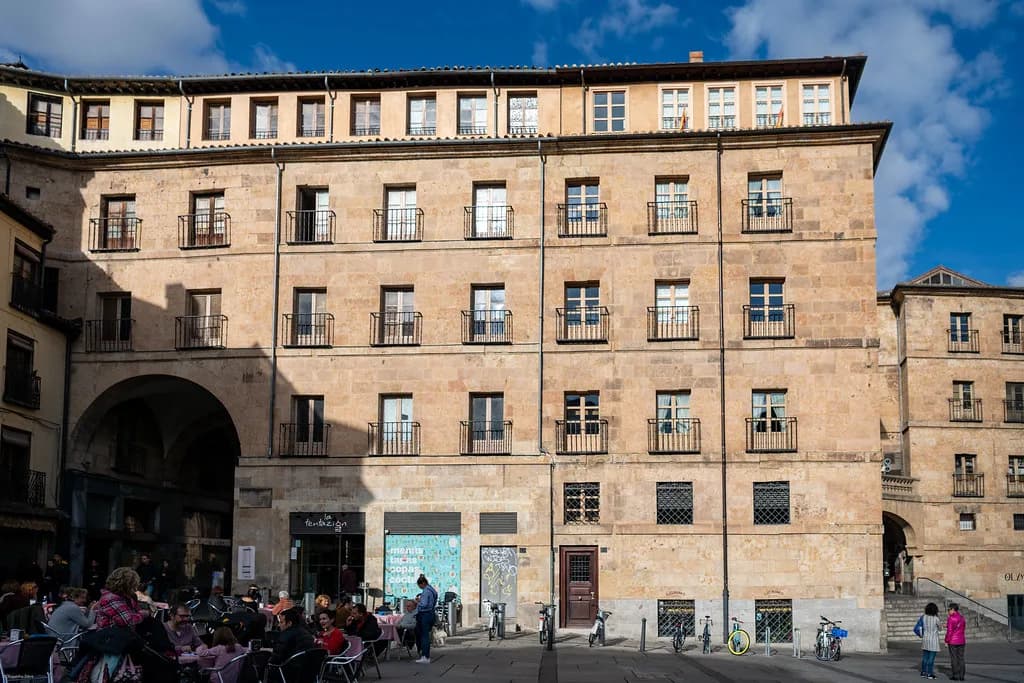
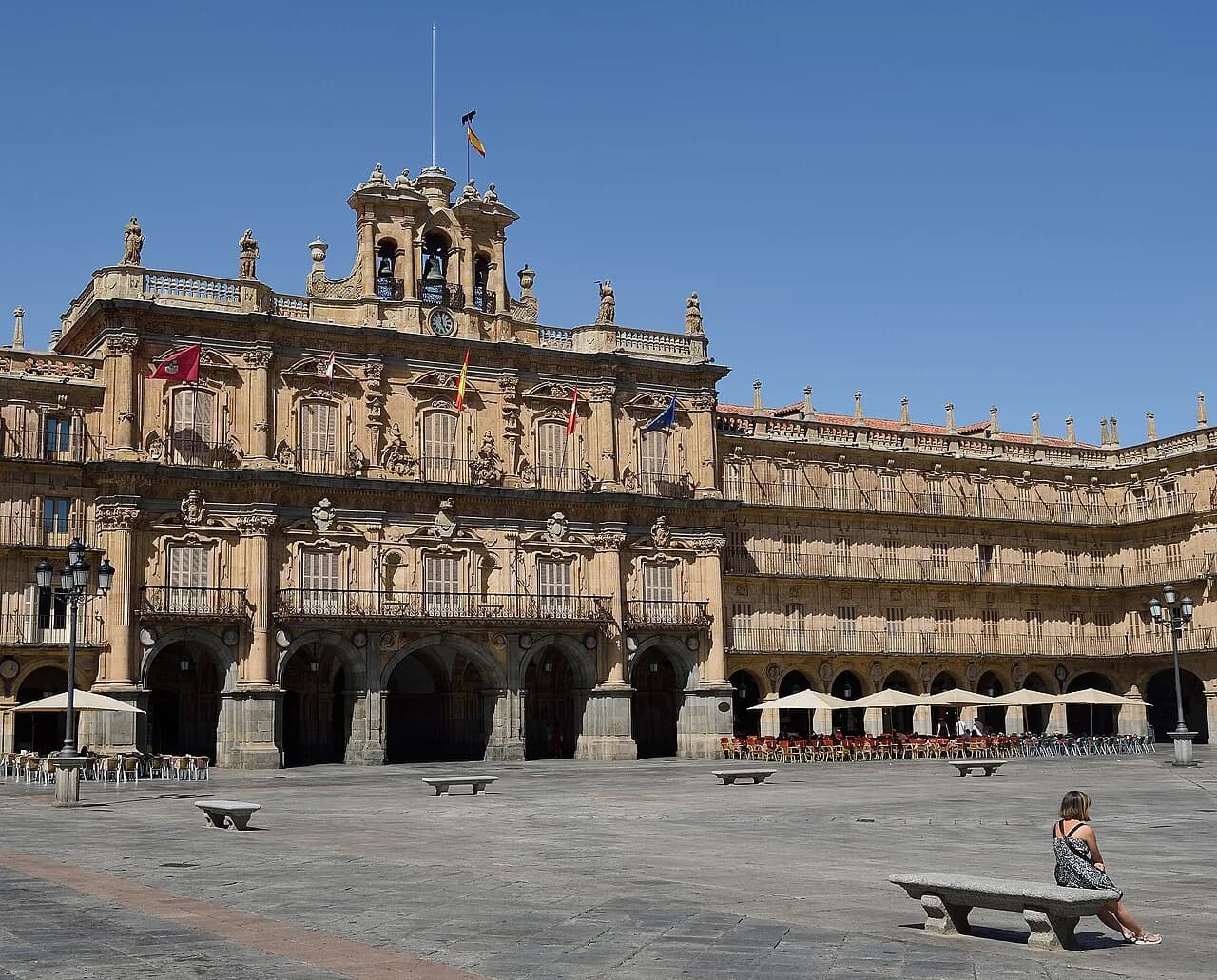
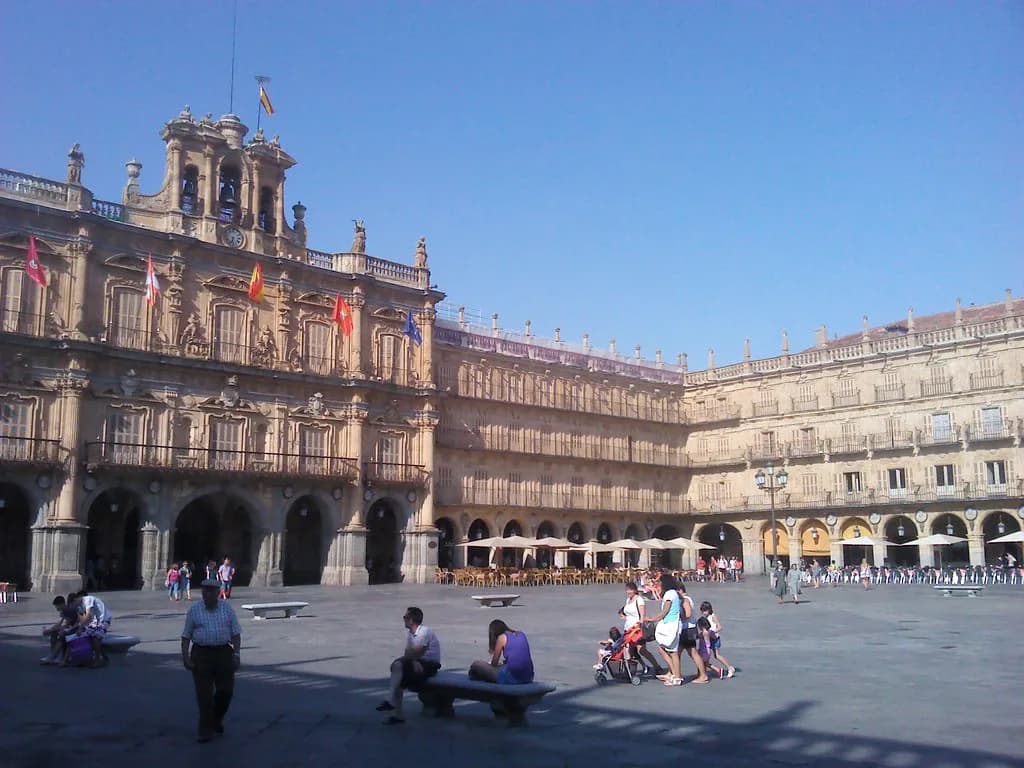
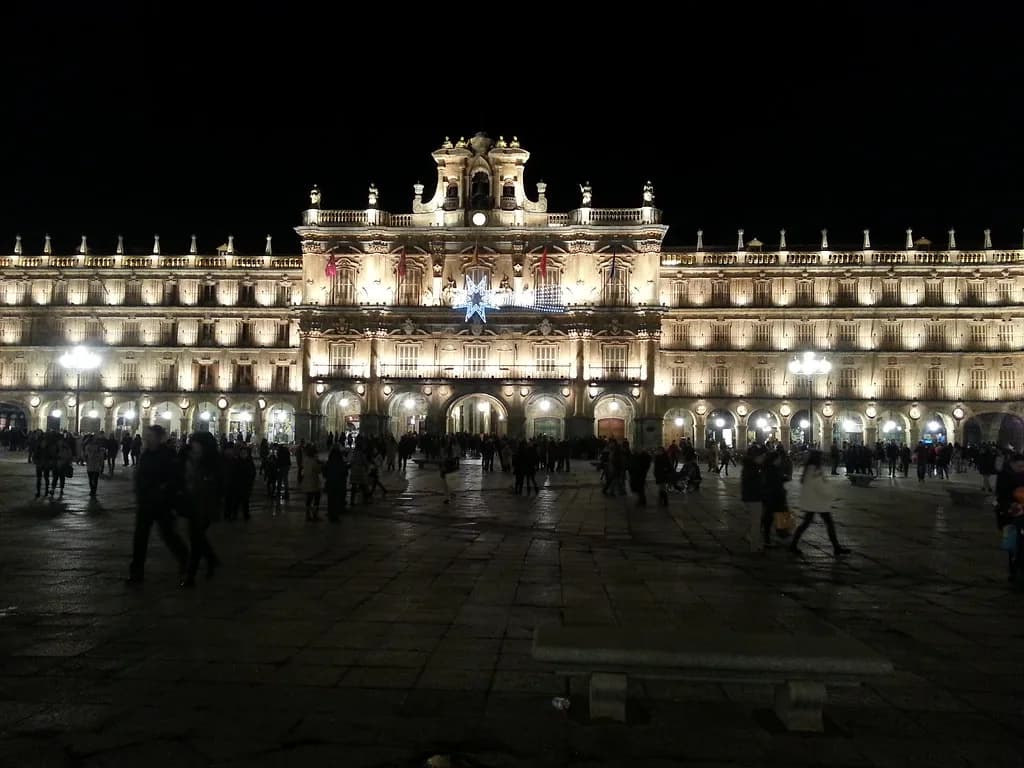
The Plaza Mayor arcades are the calmer option, with terraces for a coffee or a glass while you reassess your bags. By night the square becomes the city's lit-up meeting point, so it works as either a rest stop or a starting point for the evening.
Named Stops: Vinodiario and Restaurante Isidro
Vinodiario is a welcoming spot for wine and seasonal tapas, and it is a sensible place to end a shopping morning with a glass of something local. Restaurante Isidro takes the sit-down approach, serving traditional Castilian recipes in the heart of the city, including roasting-house dishes.
Book the sit-down meal for lunch rather than dinner. Lunch is the main meal and runs roughly from 2pm to 4pm, which fits neatly after a market run and before an afternoon of browsing. If you want more table options, compare the wider restaurant list before deciding.
Opening Hours and the Mid-Day Break
Many smaller local businesses still take the traditional siesta, closing from approximately 2pm to 5pm and reopening in the evening. Plan your serious shopping for the morning. Anything you leave until late afternoon may have to wait until the next day.
Shops do not stay open all evening either, so do not build a day around late browsing. Confirm the day's hours with the shop or the market before you set out, especially on Sundays and public holidays.
Dining Times and Why a 6pm Plan Fails
Spanish meal times run late: lunch is the main meal, typically between 2pm and 4pm, and dinner usually starts after 9pm. A 6pm shop-and-eat plan tends to find closed kitchens and empty restaurants rather than an early bite.
Shift your day accordingly. Shop in the morning, eat a proper lunch in the early afternoon, rest through the dead hours, then head out for tapas from around 8.30pm or 9pm. That sequence fits the city's rhythm and saves you wasted walks.
A One-Day Shopping Plan
Start at the Central Market in the morning for ham, cheese and a look at the produce. Walk the old town afterwards to see the Casa de las Conchas shells and the Plaza Mayor arcades, then sit down for a late lunch of Castilian cooking.
Spend the dead afternoon hours resting or visiting a museum, then finish on Calle Van Dyck or around the square for tapas and a glass of Rufete. If you have longer, spread the shopping over two mornings rather than cramming it into one.
Getting Around and Practical Notes
The historic centre is compact and pedestrian-friendly, so walking is the best way to shop. Leave the car in a garage for the duration: the old town has restricted access and parking is scarce and expensive.
Cards are widely accepted in hotels, restaurants and most shops, but carry some cash for small purchases in traditional tapas bars and for minor entry fees. For wider retail, El Tormes Mall across the river offers a modern alternative with cinemas and restaurants, and your shopping habits from elsewhere translate well enough; for a coastal comparison, the guide to shopping in Alicante covers the same mix of food markets and mainstream chains.
Plan Your Visit
Salamanca rewards shoppers who come for the larder: Guijuelo ham, hornazo, farinato and a bottle of Rufete. Give the Central Market a morning, take the mid-day break seriously, and let the tapas bars carry the evening.
Beyond food, the scallop shell of the Casa de las Conchas is the souvenir with real local meaning, and the Plaza Mayor arcades are the place to pause between stops. Check the day's opening times before you set out and the rest falls into place.
Explore more Salamanca guides
Frequently Asked Questions
What should I buy in Salamanca?
Cured ham from Guijuelo, regional cheeses and fresh produce from the Central Market, a hornazo from a bakery, and a bottle of wine made from the Rufete grape. For a non-food souvenir, the scallop shell motif of the Casa de las Conchas is the one with genuine local meaning.
Where can I buy local food in Salamanca?
The Central Market of Salamanca is the obvious starting point, set in a historic modernist building and stocked with the region's cheeses, cured meats and produce. Bakeries across the city sell hornazo year-round, and specialist wine shops stock bottles from the Sierra de Salamanca.
What is hornazo and when do people eat it?
Hornazo is a savoury pie of pork loin, chorizo, ham and hard-boiled egg inside a golden, yeast-leavened dough. It is traditionally associated with the Lunes de Aguas festival, but bakeries in Salamanca sell it throughout the year, so you do not need to be in the city for the festival to try it.
What time do shops close for the mid-day break in Salamanca?
Many smaller local businesses close from approximately 2pm to 5pm and reopen in the evening, so a morning is the productive window for shopping. Confirm the day's hours with the individual shop or market stall before you set out.
Can I shop and eat in the early evening in Salamanca?
A 6pm shop-and-eat plan usually fails on both counts: shops wind down in the afternoon and dinner in Salamanca generally starts after 9pm, with lunch the main meal from around 2pm. Shop in the morning, eat lunch in the early afternoon, and go out for tapas later in the evening instead.
Sources
Notes for eating well in Spain
Optional updates to our guides.
You might also like
Continue reading
More guides you'll find useful