Things to Do in Santander: Art, Beaches and Seafood
Plan a short break in Santander with the Centro Botín, the Magdalena peninsula, Sardinero beach and the fishing quarter, plus what to order and when to go.
On this page
Santander suits a short break because the best of it sits within walking distance of the bay: the Centro Botín on the waterfront, the old town behind it, and the Magdalena peninsula a 40-minute stroll away. Add the beaches stretching east to the Cabo Mayor lighthouse and a seafood tradition built on rabas, maganos and clams, and two days fill easily. The city is a working Cantabrian capital rather than a resort, so you get Spanish menus, local weekend crowds and an uncrowded feel that most coastal cities lost long ago.
This guide covers the sights worth your time, when to come, how to get in from the airport, and where to eat by area. Meal times matter: lunch runs roughly 1:30–4pm and dinner starts around 8:30–9pm, so build the day around a late museum slot or a coastal walk before eating.
What Santander Does Well in a Short Break
Santander offers four things in one compact city: a bay counted among the prettiest in the world, urban beaches with real sand, a Renzo Piano art gallery, and a fishing quarter where the day's catch sets the menu. The 1941 fire that destroyed much of the centre means the old town is more dignified grid than medieval maze, so you spend time on the waterfront and the coast rather than hunting monuments. That makes it a strong choice for a two-night break where you want sea air, good food and modern art without queueing behind tour groups.
Plan around two halves: one day for the bay side, taking in the Centro Botín, the Pereda Gardens and the old town, and one day for the coast, walking the peninsula and the cliff path out to the lighthouse. Keep the Mercado de la Esperanza for a morning and the seafood restaurants for an evening. If you are weighing up how long to stay, a realistic plan separates a rushed one-day dash from a comfortable two or three days.
When to Visit: June and September for Warmth Without the Crowds
Santander sits on the northern coast in Cantabria, so it is cooler and greener than southern Spain. July and August are the warmest months but also the busiest, coinciding with the city's festival season; June and September give you warm weather with more breathing room. May can be a mixed bag of windy mornings, overcast starts and bright afternoons.
If your dates land in high summer, expect the promenades and Sardinero to be lively and book accommodation early. The city's festival calendar drives demand more than the weather does, so check what is on before you commit to a weekend.
August brings the warmest sea and the fullest beaches, and it is when local families take their holidays. For a quieter version of the same coast, September is the better bet: the water stays swimmable and the promenade cafés are calmer.
Getting In From the Airport and Getting Around on Foot
Santander-Seve Ballesteros Airport is about five kilometres from the centre, a 15-minute drive on the S-10. A bus connects the airport with the city every 40 minutes between roughly 7am and 11pm, and taxis are available. Most sights cluster in the centre, so you can walk between the gallery, the old town and the shopping streets without needing a car.
City buses run from about 6:30am to 11:30pm, with three night services covering roughly midnight to 5am, and passes are sold at kiosks and tobacconists. The old town's sloping streets are broken up by ramps, escalators and a cable car. If you drive, note that centre street parking is capped at two hours and is not free except on Saturday afternoons and Sundays, so use a commercial car park instead.
Centro Botín: Renzo Piano's Waterfront Gallery and the Singing Lift
The Centro Botín, designed by Renzo Piano, opened in 2017 on the water's edge in front of the Pereda Gardens. Its floor-to-ceiling windows flood the galleries with light and frame views across the bay. Exhibitions rotate, so check what is on and book tickets through the gallery's own site before you travel.
Do not leave without riding the Singing Lift, an artwork by Martin Creed installed in the building. Give the gallery a couple of hours, then walk out into the Pereda Gardens and along the promenade. Slot it in before lunch or in the late afternoon, since the Spanish eating rhythm leaves a long stretch in the middle of the day.
Old Town and Pereda Gardens: The Historic Core After the 1941 Fire
A huge fire destroyed much of the centre in 1941, which is why the old town reads as handsome early-20th-century architecture rather than medieval lanes. The Magdalena Palace remains the grandest witness to the city's royal past, when Santander was a favoured summer destination for monarchs. Wander the streets between Plaza Porticada and Plaza de Pombo for the cathedral, shops and cafés, then drop down to the Pereda Gardens for the bay view.
The historic centre rewards slow walking rather than a checklist. Calle San Fernando and the streets off it are lined with shops, cafés and mini markets, useful if your accommodation is slightly out of the centre.
Peninsula de la Magdalena: Palace, Park, Beaches and the Marine Park
The Magdalena peninsula lies about three kilometres from the centre, a pleasant 40-minute walk or a short bus ride, with buses leaving every 10 minutes from the Pereda Gardens. The 70-acre park holds the Palacio de la Magdalena, built between 1908 and 1913 as a summer home for the Spanish king, along with sculpture gardens, two beaches and a lighthouse. Palace visits are by guided tour for a fee of €3, and the rest of the peninsula is free to wander.
Families should add the La Magdalena marine park, and the tourist train known as El Magdaleno is an easy way to loop the peninsula without a long walk. Allow half a day here: the views back over the bay and the beaches are the point, and there is space to sit.
Coastal Walk From El Sardinero to the Cabo Mayor Lighthouse via Mataleñas
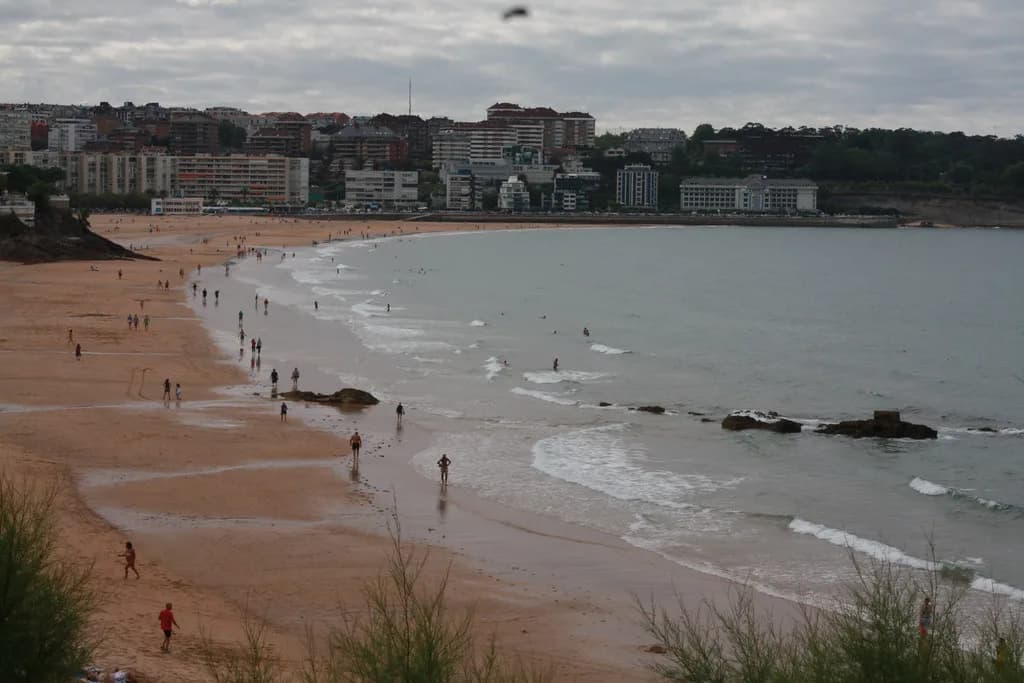
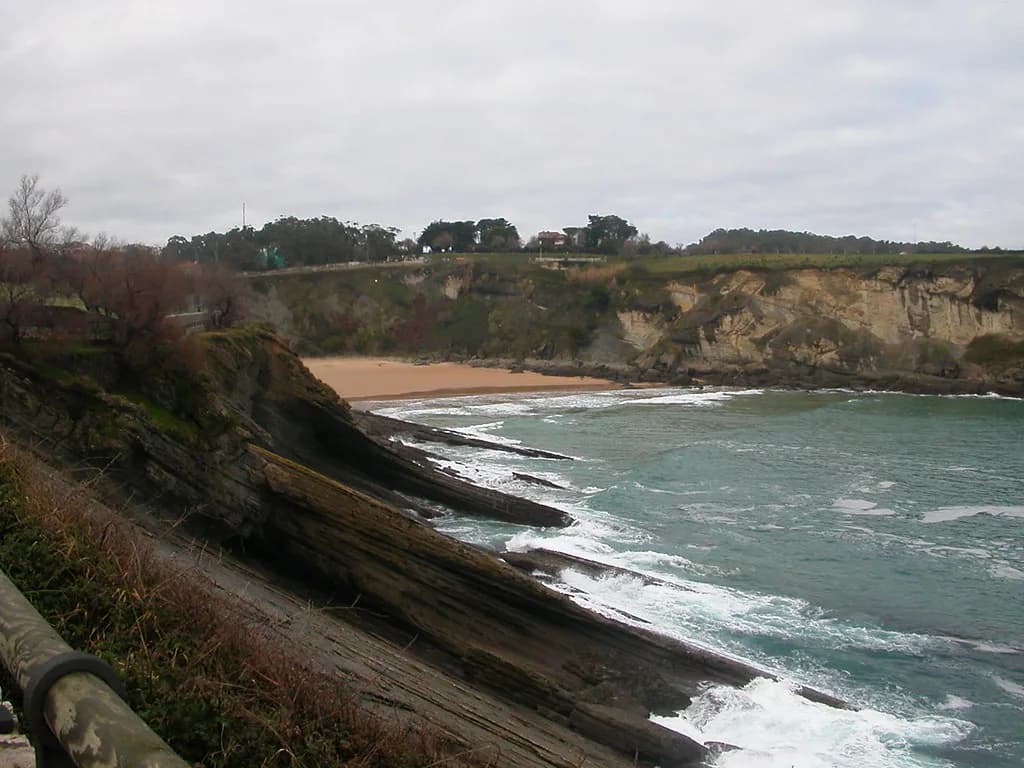
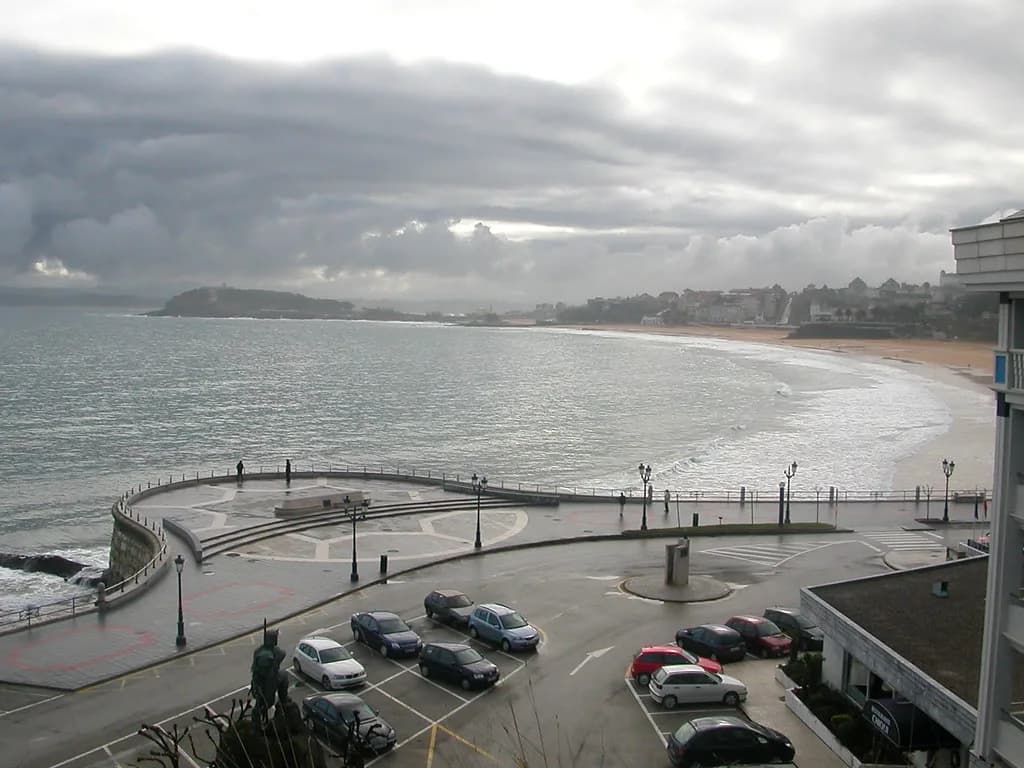
From the peninsula, continue to El Sardinero, the city's longest and most popular beach, split into two by a rocky headland. A cliff-top path then runs about two miles one way to the Cabo Mayor lighthouse, with more beaches along the route for a swim. Playa de Mataleñas, at the base of a cliff around the halfway point, is the pick of them, and there is a vantage point above it with a refreshments van if you would rather watch than swim.
The lighthouse has guarded the bay entrance since 1839 and became fully automated in 2001, with parts of the tower now used as an art gallery. Time the walk for late afternoon so you arrive with light left, then take a bus back into town for a late dinner.
City Beaches Compared: El Sardinero, El Camello, Mataleñas, La Concha and Los Peligros
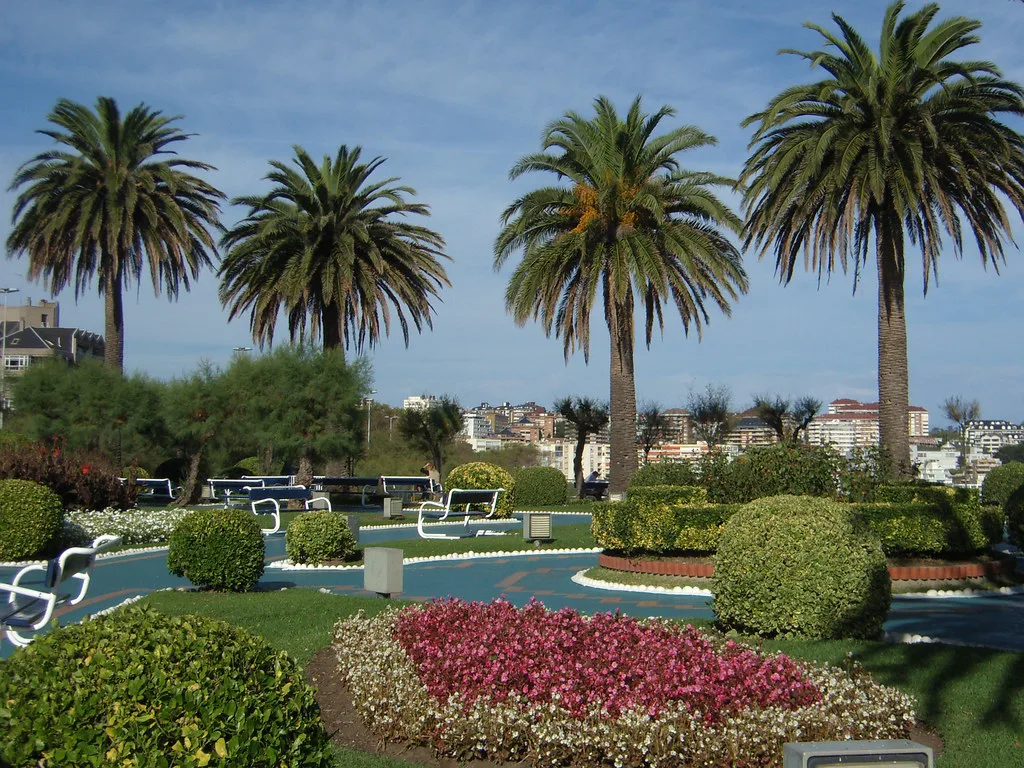
Santander's beaches each suit a different mood. El Sardinero has the most space and the busiest facilities; El Camello, Mataleñas, La Concha and Los Peligros are the other main strands within reach of the centre. Mataleñas wins on setting, tucked at the foot of a cliff halfway to the lighthouse, while La Concha and Los Peligros are the closest to town if you only have an hour.
Northern water is bracing even in summer, so treat a swim as a quick refresh rather than a long bathe. Beach days fit best after a morning market visit and before a late lunch, or in the early evening before dinner.
Mercado de la Esperanza: Morning Market Visit and What to Buy
The Mercado de la Esperanza is the largest, most central and most atmospheric of the city's markets, designed in 1897 in glass and steel. Go in the morning when it is at its busiest, with traders calling out their wares and locals buying fish for dinner. Seafood leads, but you will also find meat, fruit, vegetables, cheese, olives and flowers from across Cantabria.
The market is closed on Sundays, and fish stalls are best avoided on Mondays, so plan your visit for midweek or Saturday morning. Other markets operate around the city if your dates miss it.
Museums: Prehistory and Archaeology, the Maritime Museum and Modern Art
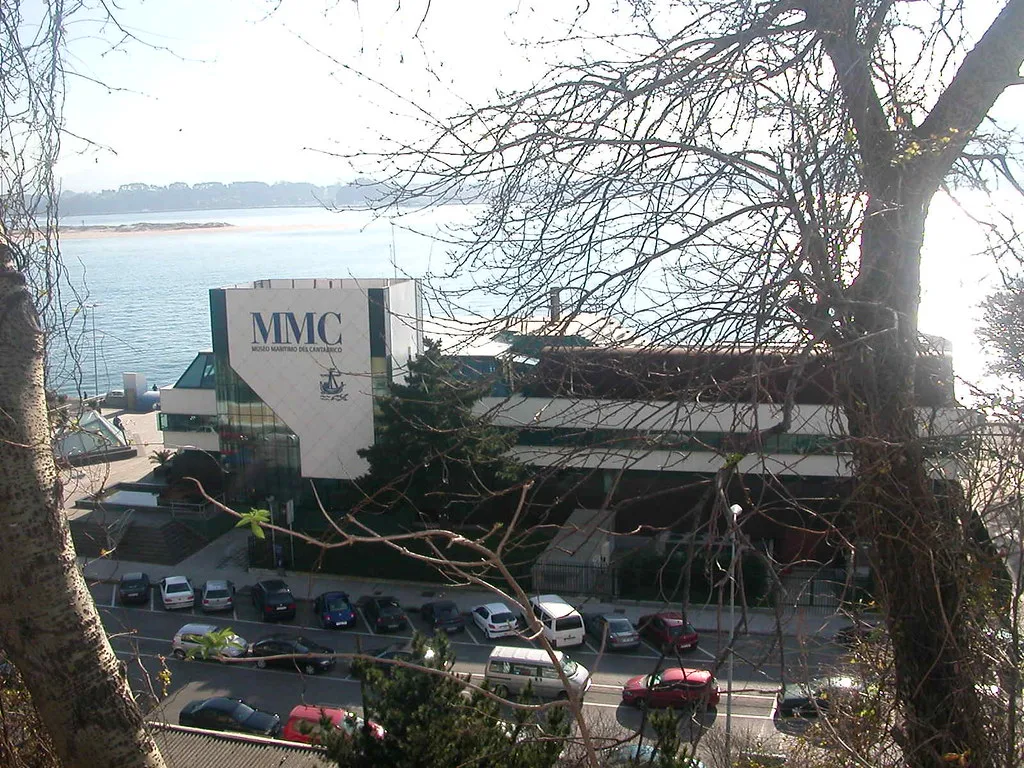
Entry to Santander's museums is free on Sunday afternoons, which makes the end of the weekend the cheapest time for culture. The Museum of Prehistory and Archaeology of Cantabria is compact, modern and informative, tucked into a side street between Plaza Porticada and Plaza de Pombo. The Maritime Museum suits families, with ship models, a 60-tonne whale skeleton and an aquarium, about 800 metres east of the Puerto Chico neighbourhood.
The Museum of Modern and Contemporary Art holds more than 1,500 works, mostly by Spanish artists, close to the public library. Pair one museum with the Centro Botín rather than trying all three, and check each venue's own site for the day's hours and any ticket charges outside the free Sunday slot.
Eating in Santander: Rabas, Maganos, Clams and Two Stews
Seafood is the reason to eat out here. Look for rabas (fried calamari), maganos (calamari with onions) and clams in marinara sauce, all rooted in the fishing tradition. Two local stews are worth seeking out: marmita de bonito, made with tuna, and cocido montañés, a hearty bean stew.
Tapas and pinchos bars are everywhere, laying out meat, seafood, cheese, olives and the standard Spanish tortilla. Lunch is the main meal, served roughly 1:30–4pm, and dinner starts from about 8:30–9pm, so a late-afternoon pincho bridges the gap. If you want a deeper look at the dishes and where they come from, our food guide covers the local specialities in more detail. If you are still mapping out northern stops, our things to do in Santiago de Compostela: city guide covers the same decision at the end of the Camino.
Where to Eat: Plaza Cañadío, the Fishing Quarter and Calle San Fernando
Three areas cover most eating. Plaza Cañadío is the centre of the city's dining scene, with the highest concentration of bars and restaurants in the surrounding streets. The Barrio Pesquero, west of the centre near the ferry port, is where the fish restaurants cluster. The old town around Calle San Fernando suits a first-night wander, ducking into side alleys for tapas bars filled with locals.
Menus are mostly in Spanish and serving staff in cafés and bars often speak limited English, so learn a few phrases or carry a translation app. Traditional Cantabrian cooking is worth seeking out alongside the fish. If you would rather have a shortlist than improvise, our guide to the city's restaurants and our tapas round-up do the sorting.
Vegetarian Eating: The Honest Trade-Off
Santander is not an easy city for vegetarians. Menus lean heavily on seafood and meat, and vegetarianism is less widely understood than in the UK, so options can be thin and meat substitutes scarcer and pricier in supermarkets. Learn the phrases 'Soy vegetariano/a' and 'no como carne o pescado', and check menus before you sit down.
Build your day around what is reliably meat-free: market produce, cheese and olives from the Mercado de la Esperanza, and vegetable tapas such as tortilla and pimientos. If a vegetarian restaurant looks like the only option, read recent reviews first.
Free Things to Do, Including Sunday Afternoon Museums
The cheapest day in Santander is Sunday afternoon, when museum entry is free. The rest of the peninsula beyond the palace is free to roam, and the coastal path to the lighthouse costs nothing but time. The market is closed on Sundays, though, so swap it for the beach or the galleries.
If you are choosing between coastal cities, Santander's appeal is precisely that it is not overrun. Spanish visitors fill it at weekends, but you will not hear English at every table. For a different northern comparison, weigh Santander against the things to do in alicante, where a castle and long city beaches replace the bay and cliff path.
Day Trips: Santillana del Mar, Comillas, Cabárceno and Bilbao
Cantabria packs a lot into short distances. Santillana del Mar is about 30 kilometres away on the Camino de Santiago's northern route; Comillas, a historic-artistic town, is around 50 kilometres; San Vicente de la Barquera, an old fishing refuge, is roughly 60 kilometres. The Cabárceno Natural Park, a 750-hectare landscape in a karst setting, is about 20 kilometres from the city.
Bilbao, around 100 kilometres away, is the longest but most rewarding day out if you want another major art museum. With two days in Santander, pick one day trip at most.
A Two-Day Itinerary That Fits It All Together
Day one stays on the bay: start with the Centro Botín, cross the Pereda Gardens and drift into the old town for a late lunch around Plaza Cañadío. Spend the afternoon on the Magdalena peninsula and return via El Sardinero for an evening pincho before a late dinner in the fishing quarter.
Day two gets you out early to the Mercado de la Esperanza for the morning bustle, then the cliff walk from Sardinero to the Cabo Mayor lighthouse via Mataleñas with a swim stop. On Sundays, end with free museum entry in the afternoon. Our suggested structure splits the bay sights from the coast and the fishing quarter.
Practical Points: Spanish Menus, Parking Limits and Bus Hours
Menus and most service are in Spanish, so a translation app or a few phrases goes a long way. Centre street parking is capped at two hours and charged except on Saturday afternoons and Sundays; use commercial car parks. City buses run from about 6:30am to 11:30pm with night services, and the airport bus connects to the centre every 40 minutes between roughly 7am and 11pm.
If you are heading on to other Cantabrian stops, October keeps things quiet but cooler, and the shoulder months reward those who pack layers.
Plan Your Visit
Santander works best as a two-night break built around the bay, the coast and the seafood. Book the Centro Botín in advance, time the market for a non-Sunday morning, and treat the cliff walk to the lighthouse as the day's anchor. The city rewards people who slow down and eat late.
Explore more Santander guides
Frequently Asked Questions
Is Santander worth visiting for a weekend?
Yes. It combines a waterfront art gallery, a palace peninsula, several city beaches and a fishing quarter with strong seafood, all walkable. The city is not overrun with tourists, so a short break feels relaxed even in high season.
What are the best things to do in Santander in two days?
Spend day one on the bay side: the Centro Botín, the old town and the Magdalena peninsula. Spend day two at the Mercado de la Esperanza and on the coastal walk from El Sardinero to the Cabo Mayor lighthouse via Mataleñas, finishing with dinner in the fishing quarter or around Plaza Cañadío.
What is free to do in Santander?
The Magdalena peninsula outside the palace is free to explore, the coastal path costs nothing, and museum entry is free on Sunday afternoons. Walking the promenades and beaches is free year-round.
What local food should I try in Santander?
Look for rabas, maganos and clams in marinara, all seafood staples. Two local stews are worth trying: marmita de bonito with tuna, and cocido montañés, a bean stew.
When is the best time to visit Santander?
June and September give warm weather without the July and August festival crowds. August is warmest and busiest, while May can be changeable.
Can you walk from El Sardinero to the Cabo Mayor lighthouse?
Yes, a cliff-top path runs about two miles one way, passing Playa de Mataleñas around halfway. Allow time for a swim or a stop at the viewpoint above the beach.
Sources
Notes for eating well in Spain
Optional updates to our guides.
You might also like
Continue reading
More guides you'll find useful