Tenerife Food Tour Guide: Which to Book and What to Pay
A practical guide to food tours in Tenerife: what a tasting tour covers, guachinche taverns, wine and banana farm visits, and how to judge what is worth booking.
On this page
A Tenerife food tour is best understood as a way to eat several Canarian specialities in one sitting rather than a single meal. The format you choose should follow what you actually want to taste: market stalls and tapas in a town, or farms and vineyards in the hills.
Prices vary by format, group size and what is included, and details generally appear on the tour company's booking page or that of the booking platform rather than in any island-wide list. Compare what is actually served against the fee, and treat the time of day as part of the value, because a lunchtime tour and an evening tour suit very different appetites.
What a Tenerife food tour covers, in one answer
Most tours stitch together three things: a local product stop, a cooked dish or two, and a drink that is specific to the island. Private gastronomic tours marketed on the island follow this pattern, combining an ecological banana plantation with a family-run cheese farm and a traditional Canarian food stop, so the day is part farm visit and part eating.
City-based tastings work differently: you stay on foot, move between a market and a few bars, and eat smaller amounts at each stop. If you want a wider sense of the island between meals, pair a tour with the broader list of things to do in tenerife rather than trying to see the whole island in one day.
The food you should expect to taste: papas arrolladas, mojo, gofio, queso and barraquito
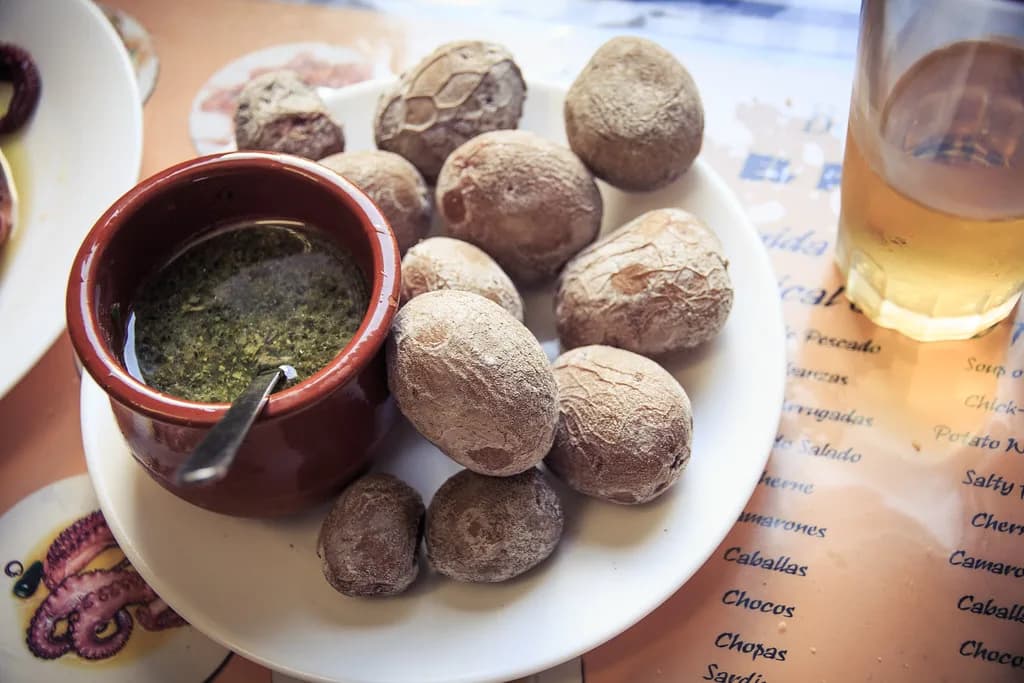
Canarian cooking leans on a small set of building blocks: wrinkled potatoes with mojo sauces, gofio made from toasted grain, and island cheeses that appear both as a starter and as a dessert with honey. These are the dishes that separate a genuine Canarian tasting from a generic tapas spread, so ask what proportion of the stops is Canarian when you compare itineraries. For a fuller dish-by-dish orientation, read the Tenerife food guide before you choose a tour.
Barraquito is the drink to finish on: a layered coffee served in a glass, with alcoholic and non-alcoholic versions both available, which matters if someone in your group is driving. Order it in a small village cafe rather than a resort bar and you get the same drink with a better view of the square outside.
Guachinche taverns: what they are and why they suit a food tour
A guachinche is a homely tavern with folding wooden chairs, paper tablecloths and no interest in polish, which is exactly why it works as a tour stop: the food is the point and the setting gets out of the way. The official island tourism site describes the format plainly, so you know what you are walking into rather than expecting restaurant service.
These taverns suit groups because plates are built for sharing, and they suit a guided visit because the menu is often short and spoken rather than printed. The trade-off is pace: a long, unhurried lunch in a guachinche will fill an afternoon, so do not book one on the same day as an early flight or a Teide National Park excursion.
Wine on the tour: bodegas and the island's volcanic vineyards
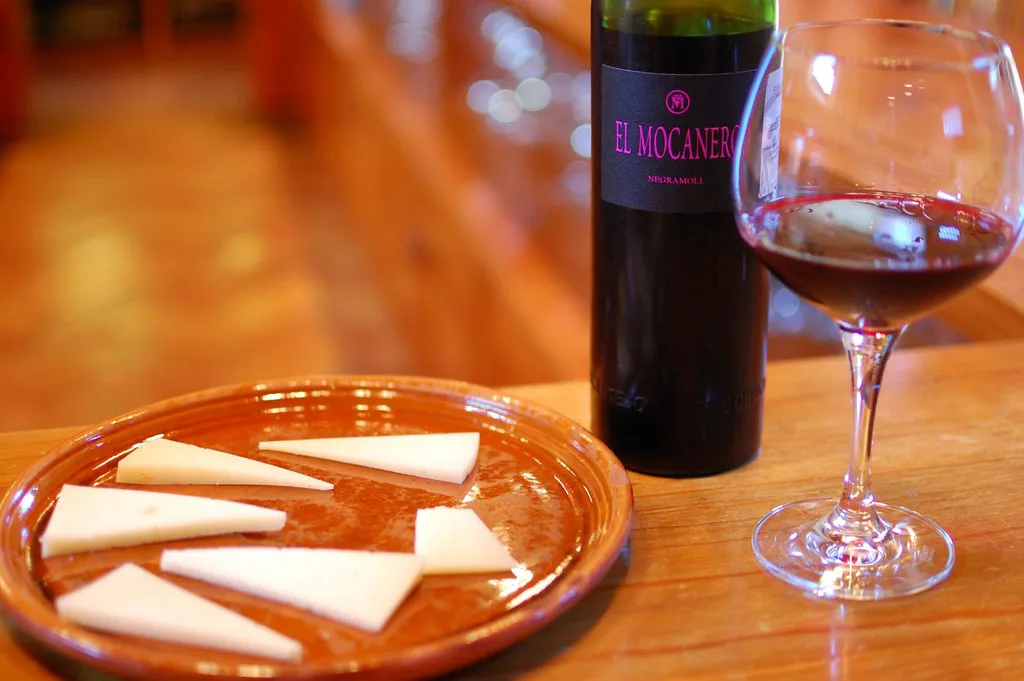
Wine is where Tenerife tours differ most from each other. Casa del Vino in El Sauzal is described by the island's tourism board as a seventeenth-century Canarian hacienda devoted to promoting island wine, which makes it a sensible anchor for anyone who wants context before tasting. For lighter, food-led drinking, the best tapas in tenerife list is a better starting point than a vineyard day.
Volcanic soils give the island's wines a character worth tasting in place, but a tour that promises vineyards should tell you how many bodegas you actually enter and whether tastings are included in the fee. If a listing is vague on that point, ask before paying, because a scenic drive past vines is not the same as sitting down with a glass.
Banana plantation and cheese farm visits
Farm stops are the most distinctive part of a Tenerife food tour and the part most worth paying for, because you cannot replicate a plantation visit by eating in a restaurant. A private gastronomic tour on the island combines an ecological banana plantation with a family-owned cheese farm and a traditional Canarian food stop, giving you the agricultural side of the menu in one day.
If you pass working plantations on your own, look and photograph from the road: the guide's advice on the island is to stay off private property. That courtesy matters more than a closer shot, and any tour that takes you inside a working farm is offering access you would not otherwise have.
Cheese is the stop where a group tour earns its keep, because a farm visit usually means tasting several ages side by side rather than ordering one plate. If you are building a picnic instead, the island's markets are the practical alternative, and the wider things to do list covers Santa Cruz and its market in context.

Where tours start: Puerto de la Cruz and the south resorts
Puerto de la Cruz in the north is a common base for food-focused days, and local food tours there are sold through major booking platforms, so you can compare what is included before committing.
In the south, the coastal path between Los Cristianos and La Caleta links the resorts on foot, and the area around La Caleta has a cluster of restaurants worth an evening in its own right. If seafood is your priority rather than a formal tour, the Tenerife seafood restaurants guide covers the coastal options in more detail.
City market stops and how they differ from a guided tasting
A market stop is a browse, not a tasting: you see produce, smell it and buy what you like, but nobody explains the dishes unless you have a guide. Santa Cruz's Mercado de Nuestra Señora de África is the obvious city example, a busy local market with regional specialities rather than a tourist display.
If you want the market experience without a tour, eat your way through Santa Cruz de Tenerife on your own and spend the money saved on a proper lunch. The honest trade-off is knowledge: a guided tasting explains why a mojo is made one way here and another there, while a market visit leaves you to work it out.
Do not confuse a market wander with a booked tasting menu, and do not expect stallholders to run you through the island's cuisine while they serve other customers. Markets reward an early start and cash in small notes, and they are best treated as a shopping and snacking stop rather than the main event.
Private versus group tours: cost and pace trade-offs
A private tour buys you pace and attention: you can linger at a cheese counter, skip a stop and ask questions without an audience. A group tour costs less per head and gives you more people to share plates with, but the schedule belongs to the slowest and the hungriest in the van.
For couples who care about wine and cooking, private is usually worth the premium; for a family or a group of friends, the shared format keeps the day moving and the bill down. Either way, confirm the maximum group size in writing, because a small-group label covers everything from six people to a coach.
Half-day versus full-day: what fits around Spanish meal times
Spanish eating hours change the shape of the day. Lunch runs from about 1:30pm to 4pm and dinner starts around 8:30pm to 9pm, so a lunchtime tasting tour doubles as your main meal and an evening tour replaces dinner rather than preceding it.
A half-day morning tour that finishes before lunch leaves you free to eat properly afterwards, while a full-day farm and bodega circuit will keep you out through the afternoon and often includes the meal. Decide which of your days is the food day when you set your itinerary, because a long tour and a big evening meal in the same 24 hours is more than most people want.
How to judge a tour before you book
Read the listing for specifics: named stops, the number of tastings, whether drinks and transport are included, and the language the guide works in. A page that names a plantation, a farm and a tavern is more useful than one promising an authentic experience, because you can check each element against a map and your own appetite.
Check recent reviews for comments about portion size and waiting time rather than the guide's personality, and treat island-wide best-of lists with caution. A long-running critique of Tenerife restaurant rankings shows how far popularity lists can drift from the food actually worth eating.
Finally, ask what happens if a farm or bodega is unavailable on your date. A good operator substitutes a comparable stop; a weak one shortens the day. Get that in writing before you pay a deposit.
Who a food tour suits and who should eat independently instead
Book a tour if you have limited days, no car, or a genuine interest in how Canarian food is produced, and if you would rather have decisions made for you. Skip it if you already know the dishes you want, or if your best meals come from wandering into a hill town and ordering what the next table is having.
Independent eating usually costs less and goes deeper into a single kitchen, and the best restaurants in tenerife span both the polished end and the family-run places. A tour gives you breadth in one day; eating on your own gives you a favourite by the end of the week.
Practical notes: booking ahead, transport and diet requests
Book farm and bodega tours several days ahead, and longer in peak season, because vehicle seats and farm access are the limiting factors rather than demand. Ask whether hotel pickup is included or whether you meet at a set point, since a tour that starts an hour's drive from your resort changes the value of the fee.
Flag dietary needs when you book, not on the day: pork, seafood and cheese appear throughout Canarian menus, and a vegetarian tasting is a different order from a plate with the meat removed. If you are hiring a car for the day, agree a driver who abstains, because barraquito and wine both come in alcoholic versions.
Plan Your Visit
Pick your format first: a city tasting for convenience, a farm and bodega day for depth, a private tour if you want control of the pace. Then match it to the Spanish clock, with a lunchtime tour as your main meal or an evening one as dinner, and leave the next morning free of early plans.
Confirm the inclusions, the meeting point and the cancellation terms with whichever company or booking platform runs your tour in the week before you travel, since prices and availability change through the season.
Explore more Tenerife guides
Frequently Asked Questions
What is the traditional drink of Tenerife?
Barraquito, a layered coffee drink served in a glass, is the one to try. It comes in alcoholic and non-alcoholic versions, so a driver can order the plain one. Look for it in small village cafes rather than only in resort bars.
What food should I try on a Tenerife food tour?
Look for wrinkled potatoes with mojo, gofio in some form, island cheeses and a Canarian stew or fish dish, then finish with barraquito. Ask what share of the stops is genuinely Canarian before booking, since a tour can otherwise lean on generic tapas.
What is a guachinche?
A guachinche is a simple tavern with folding wooden chairs and paper tablecloths, where the food rather than the setting is the attraction. They suit shared plates and unhurried lunches, which makes them a natural stop on a guided food day.
Are food tours in Tenerife worth it?
They are worth it if you have limited time, no car, or want to see how bananas, cheese and wine are produced. They are less compelling if you already know what you want to eat, because independent meals in the hill towns usually cost less and go deeper.
Where do food tours in Tenerife start?
Puerto de la Cruz in the north is a common base, and local food tours are sold through major booking platforms there. Southern departures tend to cluster around the resort strip between Los Cristianos and La Caleta, so check the meeting point against your hotel before booking.
How much does a food tour in Tenerife cost?
Fees depend on whether you book a group or private format, how many tastings and drinks are included, and whether transport is part of the deal. The operator's booking page gives the current figure.
Sources
- 16 Top Places & Best Things to Do in Tenerife (+Map & Tips)
- The Best Restaurants on Tenerife According to Tripadvisor | therealtenerife.com
- Garcia Sanabria Park | Gardens and Parks in Tenerife | Tenerife
- The 10 best places to visit in Tenerife - must-see tourist attractions
- The best Puerto de la Cruz Local food tours
- THE 5 BEST Puerto de la Cruz Food & Drink Tours
- Private Food Tour Tenerife | Bananas, cheeses and canary ...
Notes for eating well in Spain
Optional updates to our guides.
You might also like

Continue reading
More guides you'll find useful