Tenerife Food: What to Eat and Where to Eat It
A practical guide to Tenerife food: papas arrugadas with mojo, huevos estrellados and fresh fish, plus named restaurants and the dishes to order at each.
On this page
Tenerife food is Canarian cooking first: papas arrugadas with mojo, grilled goat cheese with palm honey, fresh fish and pork, all seasoned with the island's own wines and gofio. Mainland Spanish dishes appear on menus, and so do Venezuelan and Cuban flavours picked up by Canarians who emigrated and returned. The result is a cuisine with more spice and sweetness than you might expect from a Spanish island, and it rewards ordering the local staples rather than the international fallbacks.
The island has roughly 3,000 restaurants, so there is room for every budget, from a cheap fish lunch in Taganana to a white-tablecloth dinner under El Teide. This guide names the dishes worth building a meal around and the specific restaurants where they appear, with a short note on what to order at each.
What Tenerife Food Actually Is
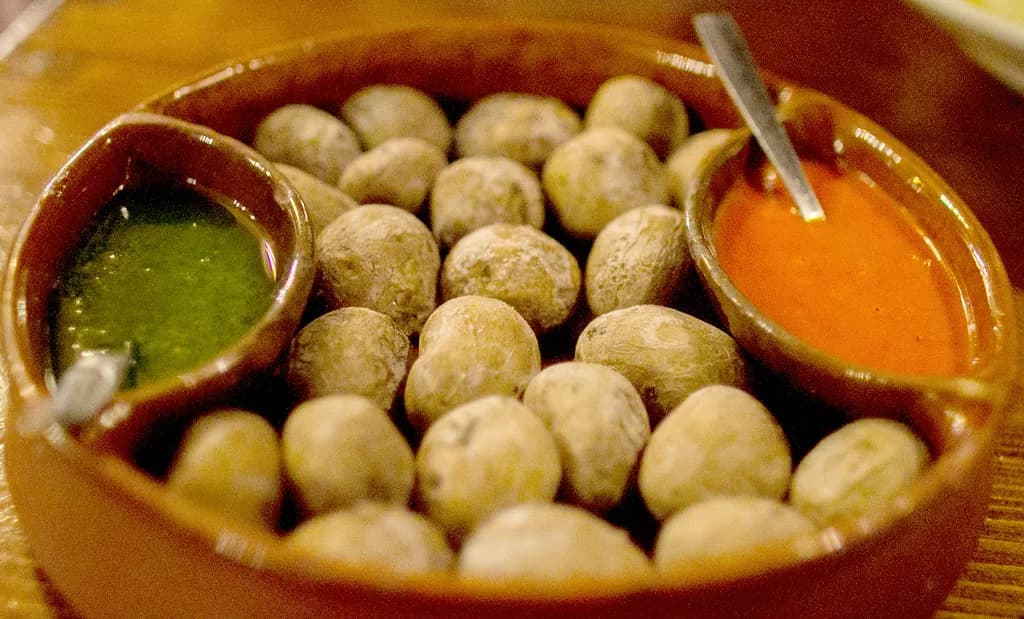
Canarian cooking is its own tradition, not a copy of Andalusian or Catalan food. Mojo — a sauce of peppers, garlic, olive oil and vinegar, red or green — sits on the table the way ketchup does in Britain, and it turns up with potatoes, fish and grilled cheese alike. Gofio, a toasted grain flour, thickens stews and coats pork scratchings, and it once kept farm workers going through long days.
The island's pantry is broad: bananas, papaya, almonds, honey and more than twenty potato varieties, including papas bonitas and papas negras. Local wine has improved sharply, particularly the reds and sweet malmseys around El Sauzal and the north. Fish is landed daily, and grouper and octopus are the two names to know.
The Dishes to Order First
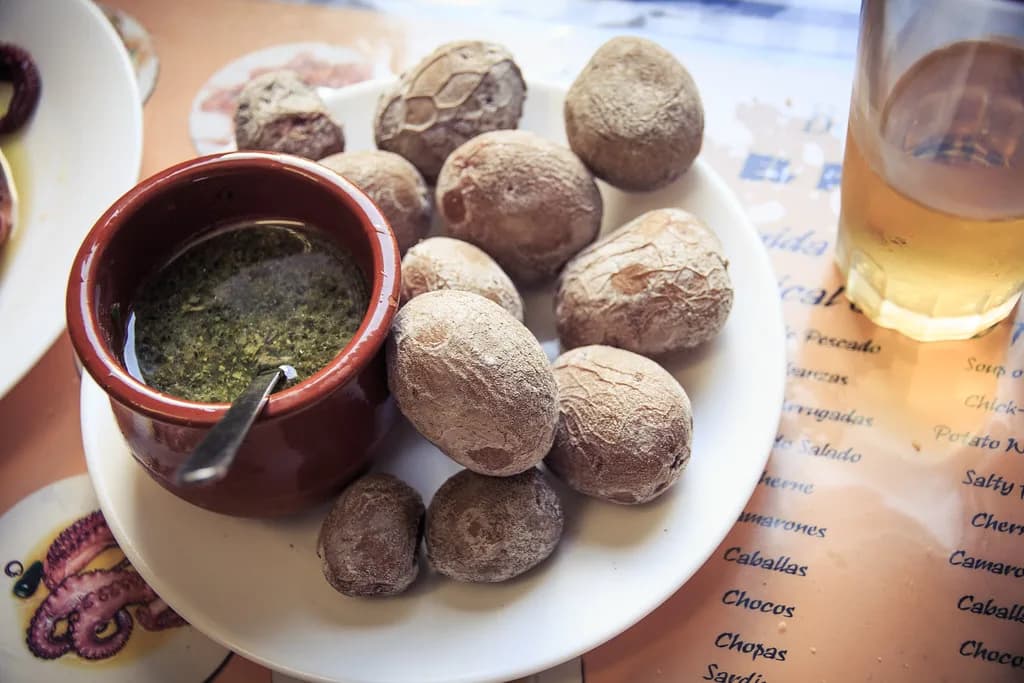
Start with papas arrugadas, small potatoes boiled in heavily salted water until the skins wrinkle and then served with red and green mojo. They look plain and taste anything but. Huevos estrellados — also called huevos al estampido — is the other essential: fried or scrambled eggs with chips and chorizo or jamón Ibérico, which sounds like student food and eats like a local institution.
Queso asado is a plate of fried goat cheese finished with palm honey and mojo, the sweet-salt combination that defines Canarian starters. It appears on most traditional menus, but quality varies with the cheese. If you see pastel de setas, a creamy mushroom terrine with mustard and parmesan, order it — it is a northern speciality done well in Santa Úrsula.
Fish and Seafood
Grouper, locally called cherne, is the fish to look for, usually grilled and dressed with green mojo. Octopus comes fried in rough chunks rather than the Galician style, and churros de pescado — battered fish strips with alioli — is the everyday version you find in beach bars. Salted Canarian potatoes, papas arrugadas again, sit alongside most fish plates.
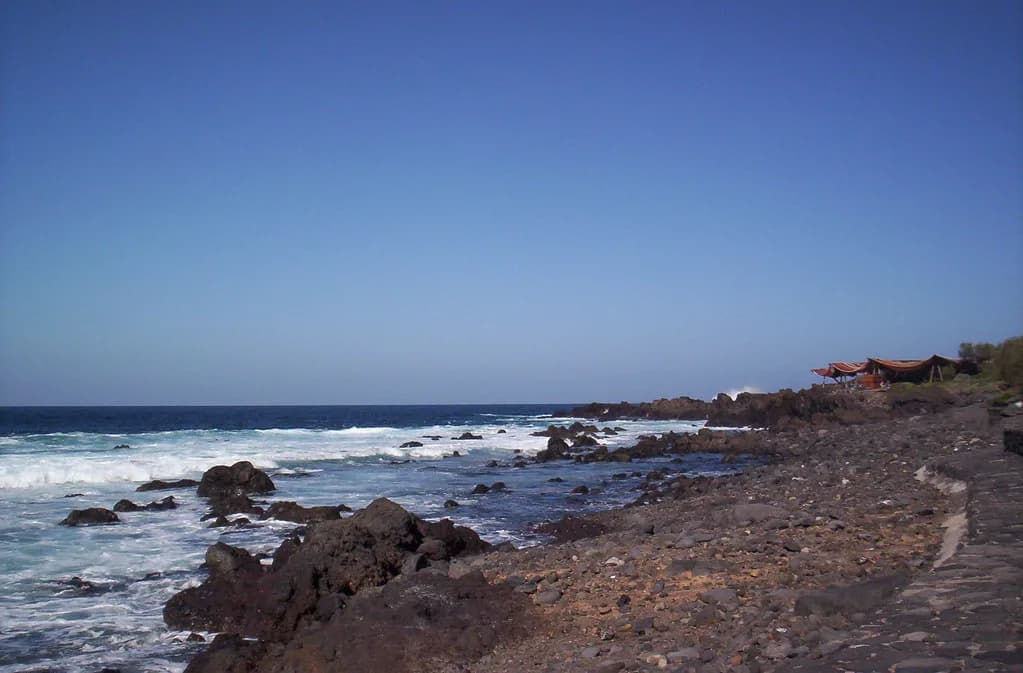
For a cheap, chaotic fish lunch, Restaurante Playa Casa Africa in Taganana faces the waves at Playa de Almáciga and is run by two brothers. Local fish, fried octopus and salted potatoes are the order, and dessert is either a banana or banana ice cream, offered with a grin. It is no-frills and busy with locals, which is the point; the queue for the ladies' loo is part of the experience.
Pork and Stews
Cochino negro, the island's black pig, is roasted and served with chayote compote at Bodegas Monje in El Sauzal. The winery has been family-run since 1750, and the terrace looks straight at El Teide across the vineyards. Oxtail stewed in Tintilla wine with red cabbage and berries is the other dish to look for on that menu.
Puchero canario is the island's winter stew: pork, chickpeas, cabbage and sausage in a deep broth. It is the sort of dish that makes sense after a cold morning on the mountain, and it is served at the Parador de Cañadas del Teide inside the national park, where the portions are enormous. Pork scratchings coated in gofio are a bar snack worth trying wherever you see them.
Gofio, Cheese, Honey and Almonds
Gofio is the ingredient that most confuses visitors and most defines the island pantry. Toasted wheat or maize flour, it goes into stews as a thickener, into desserts with honey, and onto pork scratchings as a coating. Buy a bag from a market to take home; it keeps well and makes a better souvenir than a fridge magnet.
Canarian goat cheese comes fresh, semi-cured and cured, and the cured versions hold up against Manchego. Palm honey, the sap of the Canary palm boiled down, is drizzled over cheese and desserts; almonds turn up in marzipan-style sweets and cakes. Look for all three on market stalls and in the island's smaller supermarkets.
Potatoes, Peppers and Fruit
Pimientos de padrón are fried in olive oil and sprinkled with rock salt, and roughly one in ten is hot — the Russian roulette of Spanish bar food. Papas bonitas and papas negras are the local potatoes to ask for by name. Bananas, papaya and avocado grow in abundance, and the banana jam sold in island shops is a genuinely useful thing to bring home.
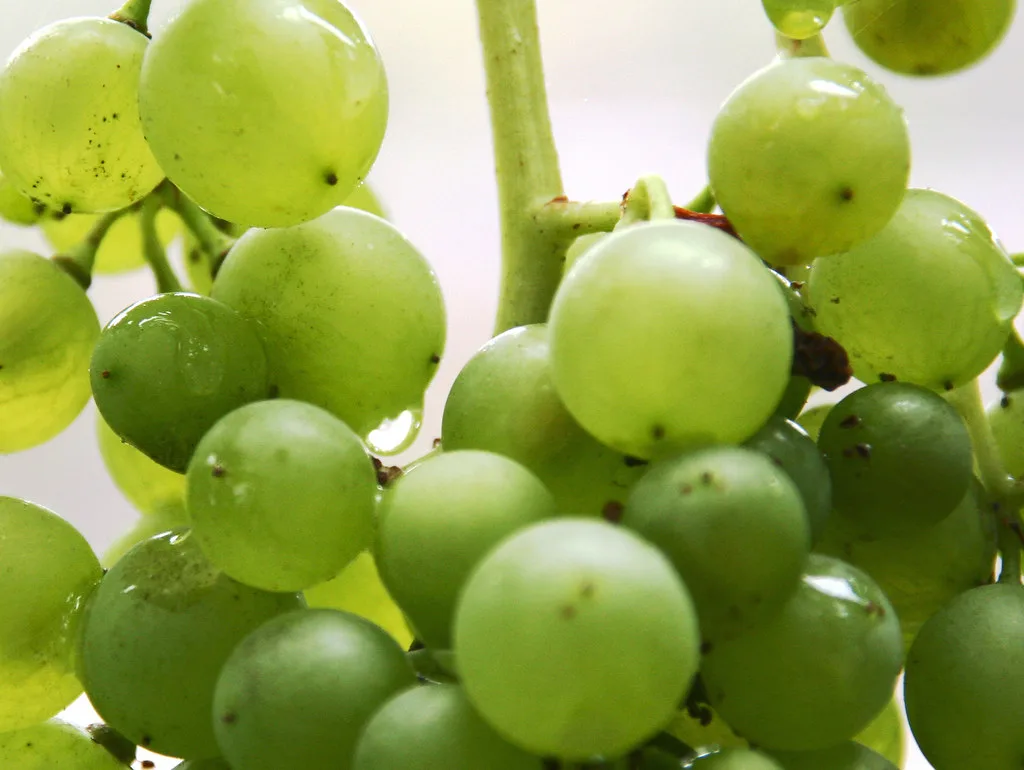
Where to Eat in Puerto de la Cruz: Restaurante Régulo
Restaurante Régulo occupies a 200-year-old Canarian house in the old town of Puerto de la Cruz, with a leafy courtyard and small rooms for private dining. Order the grouper with green mojo and the prawns and stuffed peppers to start. The setting is the draw as much as the food, so book ahead for dinner in high season and eat in the courtyard if the weather allows.
Where to Eat in Santa Cruz: La Hierbeta
La Hierbeta is a traditional Tenerife restaurant dating back to 1893, with small rooms spread over labyrinthine floors in the capital. Order the huevos estrellados, the egg-and-chips dish that appears on every local menu, and a beer if you are between meals. Look for the window seat set into the thick outer wall, once used by courting couples with a chaperone between them.
Where to Eat in Santa Úrsula: La Bodeguita de Enfrente
La Bodeguita de Enfrente is a rustic tapas restaurant on the side of the road in Santa Úrsula, run by the fourth generation of the same family and making its own wine for the restaurant only. Order the queso asado with palm honey and mojo, the pastel de setas, and croquetas with ensaladilla rusa. It suits a long lunch or a wine-heavy evening, and the roadside setting matters less than what comes out of the kitchen.
Wine and a Meal Inland: Bodegas Monje in El Sauzal
Bodegas Monje in El Sauzal is worth the drive for the wine and the view of El Teide from the terrace. Tours of the winery explain a family history of winemaking that goes back to 1750, and the kitchen cooks traditional Canarian dishes such as roasted cochino negro and oxtail with Tintilla wine. Book a tour and lunch together; the pairing is the reason to come.
If you want to learn to cook the dishes rather than just eat them, the winery runs short mojo-making sessions with the chef. A taster of the local food scene before a longer trip, it works well as a half-day inland excursion.
Eating Up High: Parador de Cañadas del Teide
The Parador de Cañadas del Teide is the white-tablecloth option inside Teide National Park, with views of the volcano while you eat. Order the puchero canario, a pork stew with chickpeas, cabbage and sausage, which is exactly what you want after a cold morning at altitude. It is the obvious lunch stop if you are spending the day in the park rather than heading back to the coast.
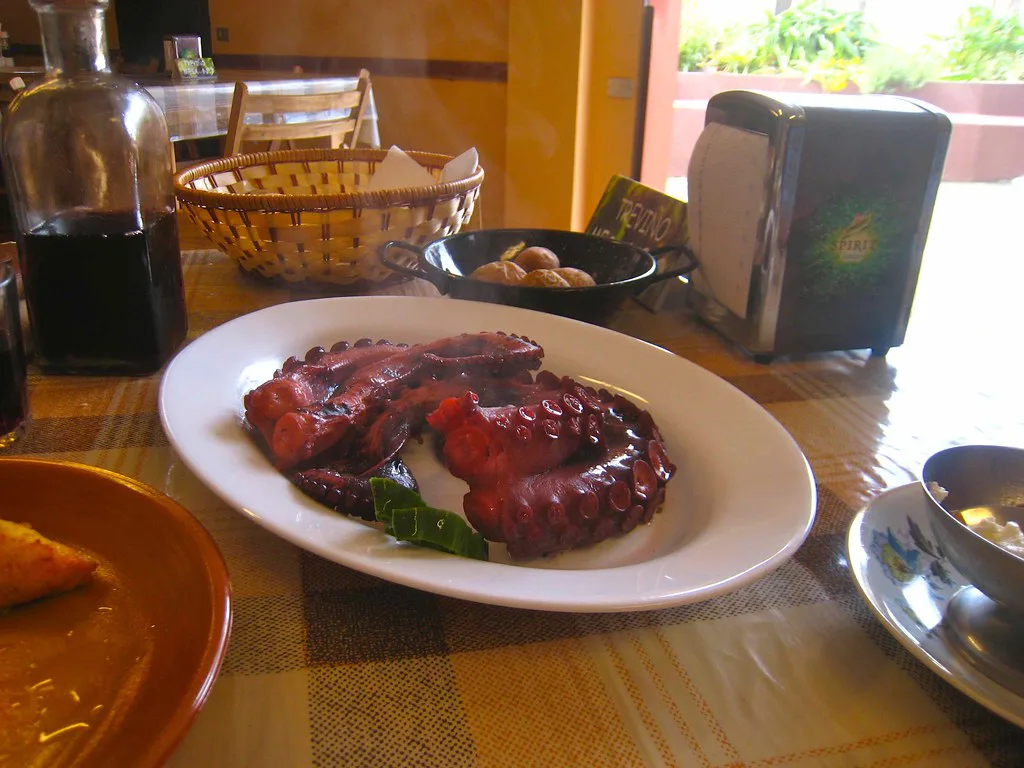
What to Drink
The barraquito is Tenerife's signature coffee: condensed milk, espresso, lemon and cinnamon, layered in a glass and sweet enough to count as dessert. Order one mid-afternoon rather than after dinner. Local wines, particularly the reds from the north and the sweet malmseys, are worth drinking with lunch, and mojo is the condiment you will end up putting on everything.
Timing Your Day Around Canarian Meals
Lunch runs from about 1.30pm to 4pm and dinner from about 8.30pm or 9pm, so a 6pm hunger pang is best met with a barraquito and a tapa rather than a full meal. Restaurants outside the main resorts often keep irregular hours, so check the restaurant's own website or phone before driving out.
For a budget, look at the menú del día at lunch, which is the cheapest way to eat well and includes several courses. Evenings are for the pricier plates and the longer wine list, particularly at the winery restaurants. Ask what the fish of the day is when you sit down, as the catch varies by day and grouper is not always available.
Practical Eating Notes for British Visitors
Tipping is modest in Tenerife: rounding up or leaving small change is normal, and there is no obligation to leave fifteen per cent. Tap water is drinkable on the island, so ask for agua del grifo if you want it, and expect bread to be brought and charged separately unless you decline it.
Tenerife's food scene is bigger than the resorts, and the best meals are often inland or in the north, which means a car or a bus ride. Use the capital and the northern towns as a base for a couple of days if food is the priority. The southern resorts, including Los Cristianos, are convenient but not where the cooking is most interesting.
What to See Nearby to Walk Off Lunch
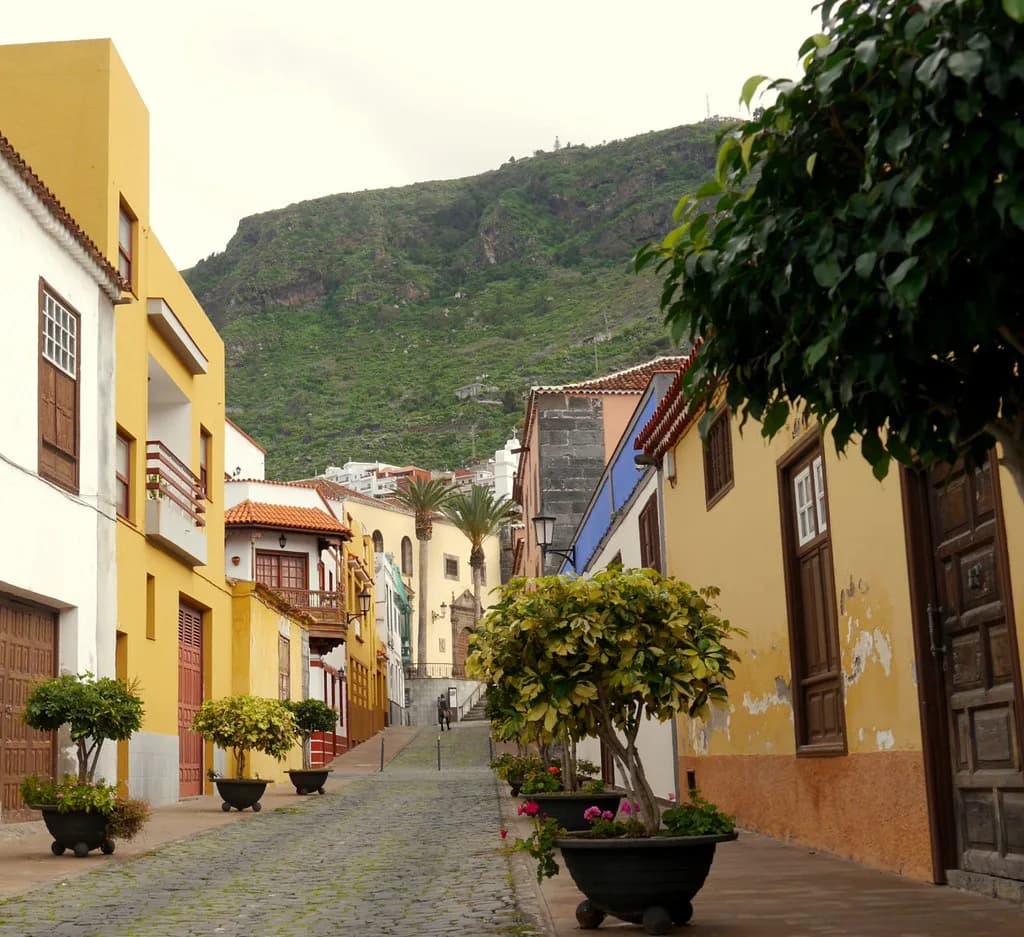
Taganana rewards a walk along the coast after lunch at Casa Africa, and the road down from the mountains is one of the island's best drives. In the north, Puerto de la Cruz has the old town and the Lago Martiánez pools to walk off a long lunch. In the south, the beaches and the resort promenades are the easy option.
If you are comparing the island with the other Spanish destinations in the same family, Tenerife's food is closer to Ibiza's in its reliance on fish and simple grilled dishes, but heavier on pork and stews. Alicante sits firmly in the Valencian Community and its rice dishes are another tradition entirely; do not come to Tenerife expecting paella to be the local speciality.
Plan Your Trip Around the Food
Build a Tenerife trip around two meals a day rather than three, with lunch as the main event and a lighter dinner after 8.30pm. Start with papas arrugadas and queso asado, move on to grouper or cochino negro, and finish with a barraquito. A car or a bus pass is worth the outlay if you want the northern and inland restaurants rather than the resort menus.
Explore more Tenerife guides
Frequently Asked Questions
What food is Tenerife known for?
Papas arrugadas with mojo, huevos estrellados, queso asado with palm honey, fresh grouper, cochino negro and puchero canario. Gofio, local cheese, palm honey and island wine are the pantry staples to bring home, and the barraquito is the drink to try at least once.
What time do people eat in Tenerife?
Lunch runs from about 1.30pm to 4pm and dinner from about 8.30pm or 9pm, in line with mainland Spain. Between those hours, bars serve tapas and coffee, so a late-afternoon barraquito is the local solution to an early hunger pang.
Do I need to book restaurants in Tenerife?
For the well-known restaurants in Puerto de la Cruz and the winery restaurants inland, booking ahead is sensible, particularly at weekends and in high season. Smaller beach restaurants such as Casa Africa in Taganana work on a queue rather than a reservation.
How much should I tip in Tenerife?
Rounding up or leaving small change is normal, and there is no expectation of a fifteen per cent tip. Check whether service is included on the bill, which it often is.
Is Tenerife good for vegetarians?
The traditional menu is built around pork, fish and cheese, so vegetarians have fewer choices at the classic restaurants. Tapas bars are easier: pimientos de padrón, tortilla, cheeses, mushrooms and vegetable dishes are usually available.
Where can I try local wine near Tenerife's north?
Bodegas Monje in El Sauzal runs winery tours and serves traditional Canarian food with its own wines. It sits inland from Puerto de la Cruz and makes a sensible half-day trip combining lunch and a tasting.
Sources
Notes for eating well in Spain
Optional updates to our guides.
You might also like

Continue reading
More guides you'll find useful