How Many Days in Tenerife? Pick 3, 5, 7 or 10 Days
Seven days covers Tenerife's north and south highlights. Five days works if you pick one coast, while 10 days allows beach time alongside the sights.
On this page
Seven days is the honest answer for a first trip. That is enough to see the north's cloud forests and colonial towns and still give the south its beaches, Masca and Mount Teide without spending the week in the car. Drop to five days and you should pick one coast rather than try to tick off both.
Tenerife is bigger and more varied than its resort reputation suggests, and the north and south behave like two different islands with two different climates and two different kinds of holiday. Getting the length right is mostly a question of how much driving you are willing to do and whether you want a car at all.
Quick answer: seven days for the whole island, five if you choose one coast
Plan seven days for a first visit that covers the whole island, and ten if you want real beach days mixed in with the sightseeing. Five days is workable but only if you commit to either the north or the south, and three days is a single-base taster rather than a tour of Tenerife.
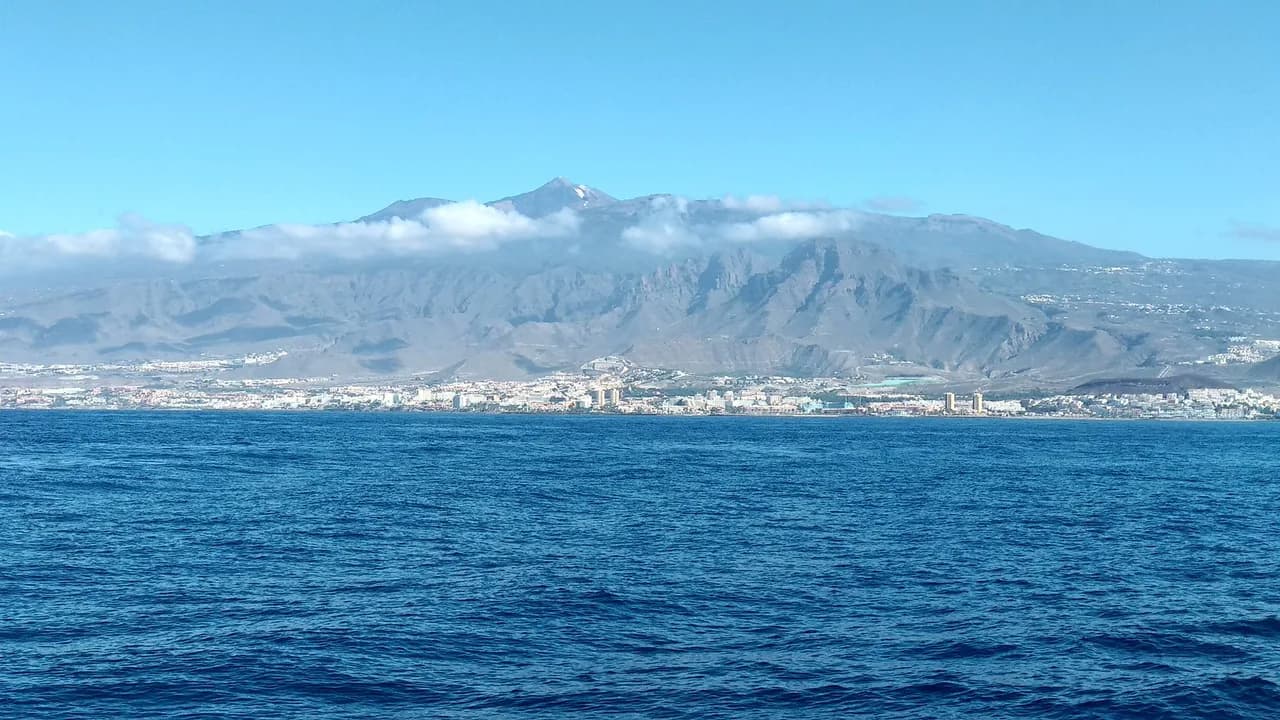
The reasoning is geographic. The north around Puerto de la Cruz, La Laguna and Anaga Rural Park is green, misty and full of laurel forest, while the south around Los Gigantes and Costa Adeje is drier, sunnier and built around the coast. Driving between the two eats a chunk of any short trip.
Why Tenerife rewards more time than you think: two climates, one island
Tenerife is the largest of the Canary Islands, a Spanish autonomous region sitting off the coast of northwest Africa, which gives it a subtropical climate that works year-round. The trade-off is that conditions differ sharply between the north and south, sometimes on the same day, so a week lets you wait out a cloudy morning in Anaga and still catch sun later.
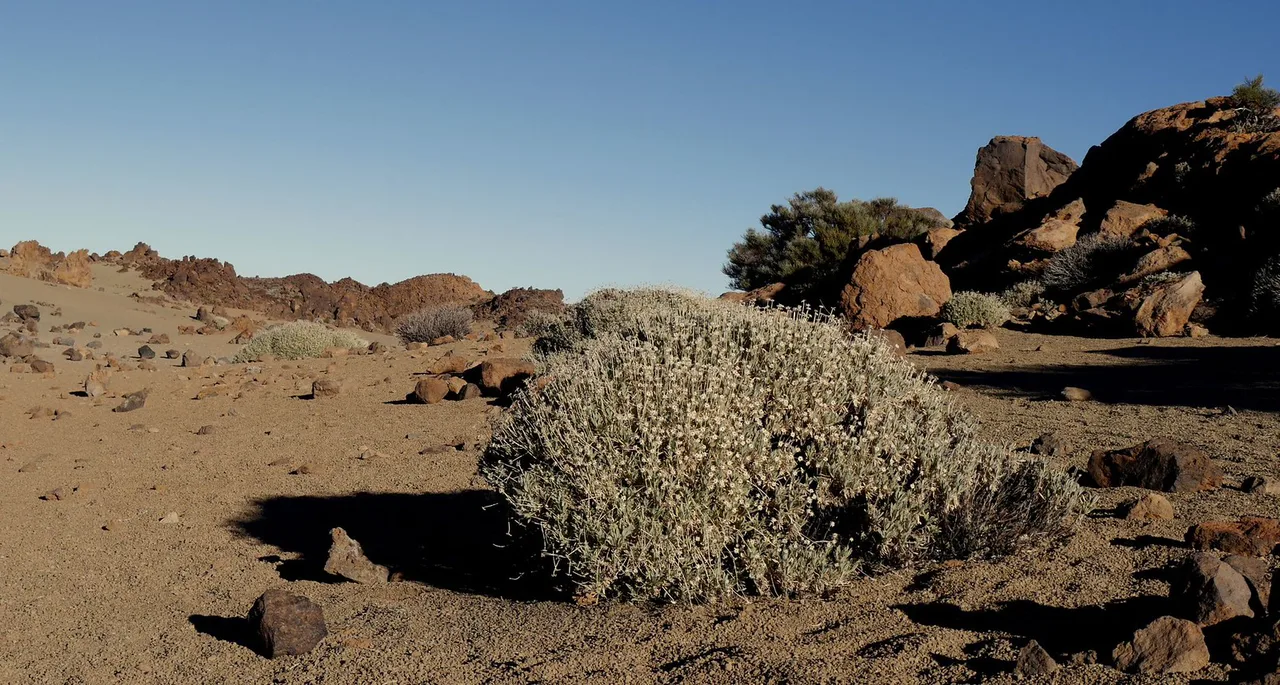
Mount Teide and its national park sit high enough to sit above the cloud line, so a grey day in the north can turn into brilliant sunshine at 2,000 metres. Building a spare day into your trip means you can move that visit when the forecast shifts rather than losing it entirely.
Three days in Tenerife: what actually fits and what you sacrifice
Three days buys one base and one direction. Base yourself in Puerto de la Cruz and you can reach La Orotava, Teide National Park and the edges of Anaga Rural Park without long transfers; base in the south and you get Masca, Los Gigantes and the beaches instead.
What you sacrifice is any sense of the other half of the island. Trying to add both coasts to a three-day trip means most of your daylight goes on the TF-21 and motorway, and the island's best walking, whether the Sendero de los Sentidos loop in Anaga or the Roques de García trail below Teide, needs half a day each to be worth doing.
A wet day is a reason to reshuffle rather than cancel, because the weather here is often localised. Keep a short list of rainy-day standbys and swap one into the plan instead of pushing on into the cloud.
Five days: pick a coast — south for Masca and Teide, north for Anaga and La Laguna
Five days is enough to see the island's headline sights, provided you choose a coast and stay put. From a southern base near Los Gigantes you can pair Masca with Mount Teide, add a boat trip under the cliffs and still keep an afternoon for the beach; from a northern base around Puerto de la Cruz you get Anaga, La Laguna and La Orotava without crossing the island.
A south-based five days revolves around two big days out. The first is Teide, where you can ride the cable car or walk the Roques de García trail; the second is Masca, which now needs forward planning because of the access rules. Fill the rest with Los Gigantes, a coastal swim and a slow lunch.
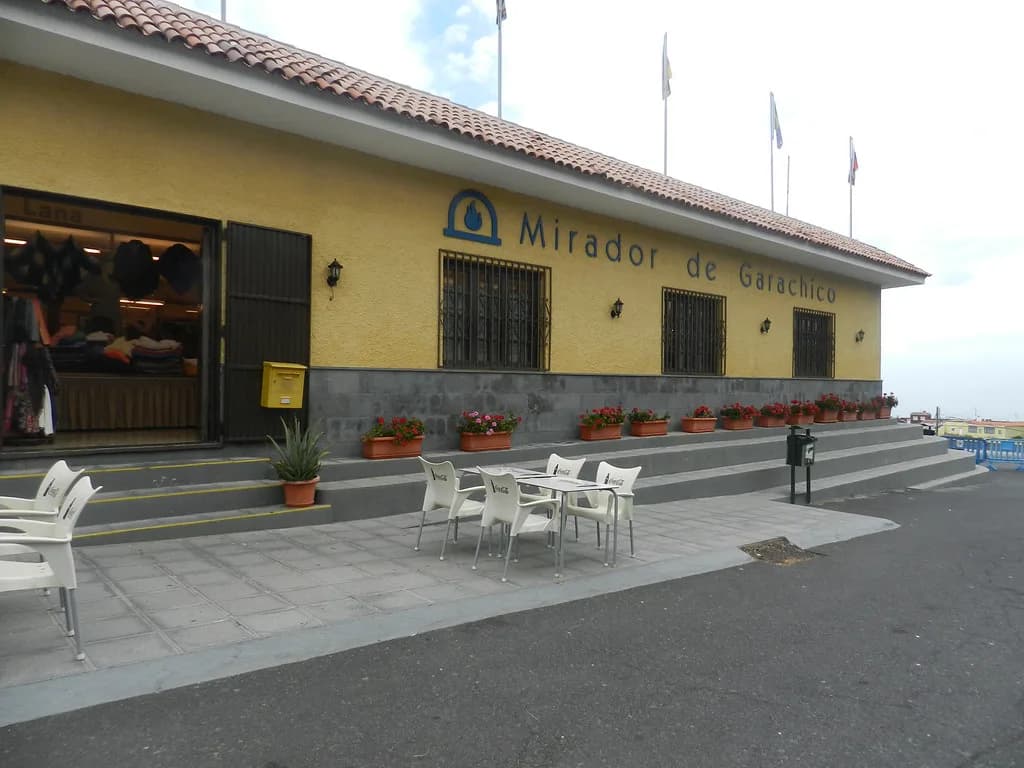
A north-based five days is greener and quieter. Anaga Rural Park deserves a full morning, La Laguna and La Orotava each take a few hours of wandering, and Garachico and Icod de los Vinos fill another day along the coast.
Seven days: the split-stay week that covers both halves
Seven days is the length that lets you cover both halves properly, and the best structure is two bases rather than one. Split the week between a southern base near Los Gigantes and a northern one near Puerto de la Cruz, which saves you repeated cross-island drives and lets you follow the better weather. If you are still weighing a shorter break, our guide to how many days in Alicante applies the same logic to a city trip.
A sensible shape is three nights south and four north, or the reverse. The southern days take Masca, Los Gigantes and Teide; the northern days take Anaga Rural Park, San Cristóbal de La Laguna, La Orotava and the north coast villages. That leaves the flight days light rather than crammed.
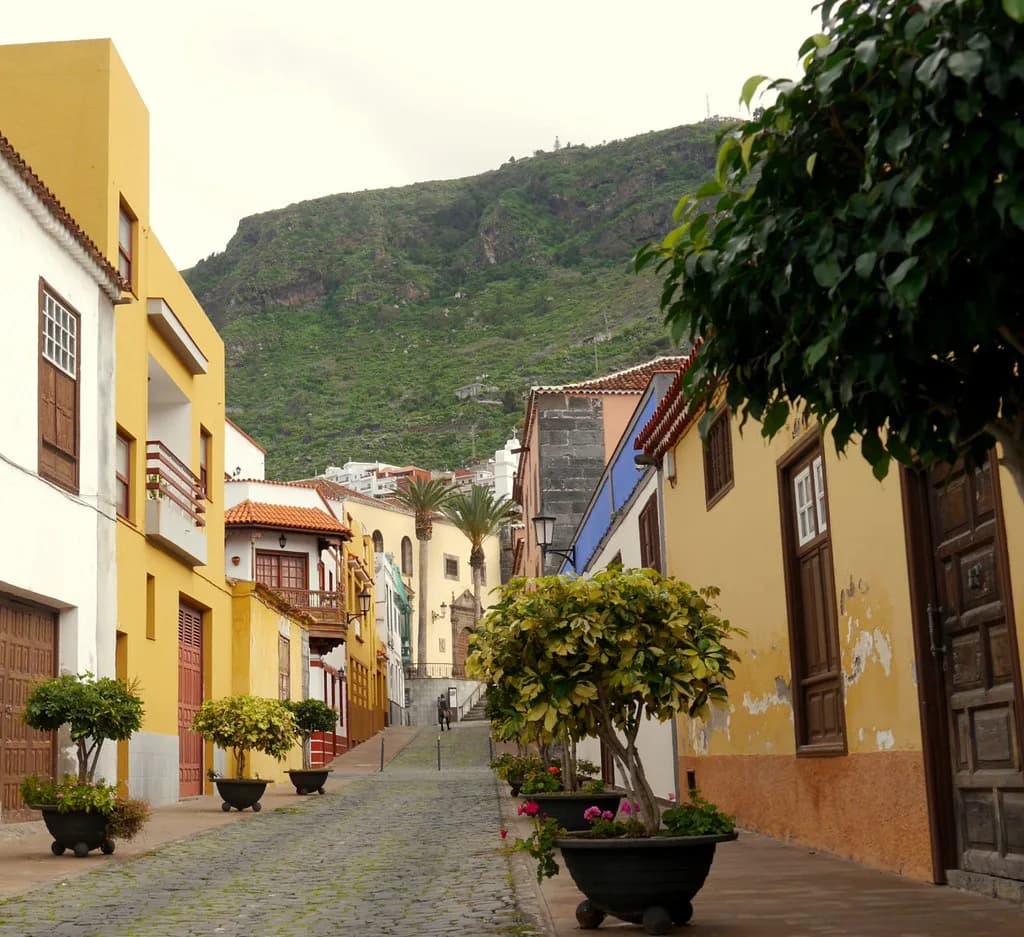
Where you sleep matters more than any single sight. Puerto de la Cruz gives you black volcanic beaches with Mount Teide in the background, an old town of brightly painted Canarian houses and a walkable centre, while Costa Adeje in the south is the upscale, relaxed option with the resort infrastructure to match.
Ten days: adding beach days, natural pools and a slower pace
Ten days lets you stop treating every day as a sightseeing day. Add beach time along the coast, work in the natural lava pools where the sea is calm enough, and give yourself a second shot at Teide or Anaga if the cloud comes down on your first attempt.
This is also the length that rewards a gentler base strategy: one week split across two bases and a final stretch of doing very little. Playa Teresitas in the north has sand imported from the Sahara and beachfront seafood, which makes an easy last-day option before a northern flight home.
What each length costs you in driving: car hire versus public transport
A rental car makes the island's geography manageable and is close to essential if you want Anaga's trailheads, the natural pools and the mountain roads on your own schedule. Public transport covers the main towns reasonably well but struggles with exactly the places worth a whole day.
Three days without a car means buses and one organised tour; seven days without one means tours for both Teide and Anaga plus a lot of waiting. For a short trip, a couple of booked excursions often beats a week of parking and mountain hairpins you would rather not drive.
Tenerife has two airports and that shapes your arrival day. Tenerife South (TFS) sits near the resorts, while Tenerife North (TFN) is closer to La Laguna and Puerto de la Cruz, and the drive from the southern airport up to Puerto de la Cruz takes around 1 to 1.5 hours against 20 to 30 minutes from the northern one.
Where to base yourself for each trip length
For three days, pick the coast you actually want and stay there: south for beaches, Masca and Teide, north for Anaga, La Laguna and La Orotava. For five days, the same rule applies but with more slack, and you can reach the far side once by motorway if something specific pulls you across.
For a week or more, split the stay. Puerto Azul in Puerto de la Cruz sits a ten-minute walk from the beach with a rooftop terrace, while Klayman Diamond Apartments in Los Gigantes has a pool area overlooking the sea. Both are practical bases rather than destinations in themselves.
Masca in 2026: the access rules that change how you plan a day
Masca is one of the island's two headline sights, and since 2026 private car access has been restricted under a traffic management plan. Most visitors now arrive by official shuttle from Santiago del Teide or Los Gigantes, and the full gorge hike needs its own permit plus a return boat from Masca beach, with hiking back up no longer allowed. Visiting the village alone needs no permit, but you still take the shuttle.
Build Masca into a whole day rather than an afternoon. Book the shuttle, entry permit and boat in advance through the official Masca site, then eat well in the village afterwards at Casa Riquelme, which serves a set menu of local dishes with views over the valley.
From Los Gigantes, bus 462 or 325 connects to Santiago del Teide where bus 355 continues to Masca. If you are staying in the south, that loop is far less faff than working out car access.
When to go and how the month changes your itinerary
March to May and September to October give the best balance of weather and crowds, though winter temperatures sit around 20 degrees and the island works year-round. The month you choose changes what the itinerary can include: the north can be wet in spring while the south is dry, so a split stay gives you more flexibility.
Mid-summer brings the fullest beaches and the busiest cable car, so book popular activities a few days ahead in high season.
Whichever month you pick, the pattern repeats: the south is the safer bet for sunbathing and the north for walking, and the high ground of Teide National Park sits above both.
Should you visit Tenerife at all? Honest trade-offs
Tenerife earns its reputation as a beach island and then quietly undercuts it. The resort strips in the south are real, but so are the laurel cloud forests of Anaga, the moon-like caldera below Teide and the colonial architecture of La Laguna and La Orotava. If you want a pool and nothing else, you may find the island more effort than it needs to be.
The practical trade-offs are driving time and weather luck. Mountain roads are winding and, on the return from Teide after dark, unlit; cloud can wipe out a viewpoint within the hour, so a flexible plan matters more than a packed one. Prices outside the resorts are helped by the Canary Islands sitting outside the EU VAT area, where businesses charge IGIC at 7 per cent instead of mainland Spain's 21 per cent VAT.
How to fit eating around Spanish meal times
Build your days around lunch at 1:30 to 4pm and dinner from 8:30 to 9pm. That rhythm suits sightseeing: a morning hike in Anaga, a long lunch, then a late-afternoon drive or beach stop. Eating at the wrong hour leaves you circling closed kitchens.
Where to eat depends on where you sleep. In the south, Tas-k in Los Gigantes is the go-to tapas spot with a daily-changing menu, and KV Bar Gourmet at the harbour works for a terrace drink at the end of the day. In the north, Dabeke in La Orotava covers seafood and steak tartare, while Bodega Frontos in the southeast feels more local than the better-known Bodegas Monje.
Order a barraquito, the Canarian layered coffee, wherever it appears on the menu, and use the coffee-and-cake stop as a proper break rather than an afterthought. In Icod de los Vinos, the thousand-year-old dragon tree and the Parque del Drago garden make a natural morning stop before lunch.
Plan Your Visit
Match the trip to the geography. Three days means one base and one direction, five days means committing to a coast, seven days means splitting your stay between the north and the south, and ten days means you can stop counting.
Book the Teide and Masca days before you fly, sort out a car if you want Anaga and the natural pools on your own terms, and plan your meals around Spanish lunch and dinner hours. Check the current details for anything you have booked in advance.
Explore more Tenerife guides
Frequently Asked Questions
How many days do you need in Tenerife?
Seven days is the right length for a first trip that covers both the green north and the south around Masca and Mount Teide. Five days works only if you commit to one coast, and three days gives you a single base rather than a tour of the island. Ten days is the comfortable option if you want beach days alongside the sightseeing.
Is 5 days enough for Tenerife?
Yes, provided you pick a coast and stay put. From the south around Los Gigantes you can pair Masca with Mount Teide and still keep an afternoon for the beach. From the north around Puerto de la Cruz you get Anaga Rural Park, La Laguna and La Orotava without crossing the island, but you sacrifice the other half.
Is 7 days too long in Tenerife?
It is not too long if you split your stay between a southern and a northern base. The island's two halves have different climates and different draws, so a week lets you follow the better weather and avoid repeated cross-island drives. Anyone who wants pool time on top of the sights should look at ten days instead.
Do you need a car in Tenerife?
A rental car makes the island's geography manageable and is close to essential for Anaga's trailheads, the natural pools and the mountain roads on your own schedule. Public transport covers the main towns reasonably well but not the places worth a whole day. On a short trip, a couple of booked excursions often beats hiring a car.
Can you still drive to Masca in 2026?
No, private car access has been restricted under a traffic management plan, and most visitors arrive by official shuttle from Santiago del Teide or Los Gigantes. The full gorge hike also needs a permit and a return boat from Masca beach, and hiking back up is no longer allowed. Visiting the village alone needs no permit, but you still take the shuttle.
What is the best month to go to Tenerife?
March to May and September to October give the best balance of weather and crowds, though the island works year-round and winter temperatures sit around 20 degrees. The north can be wet in spring while the south stays dry, so a split stay gives you more flexibility whatever month you pick. Book popular activities a few days ahead in high season.
Is 500 enough for a week in Tenerife?
Whether a given budget stretches to a week depends on your accommodation, whether you hire a car and how many paid excursions you add. Compare current hotel rates, car hire and tour prices for your dates before you commit, and factor in the Teide cable car and any Masca shuttle, permit and boat bookings if you plan those days.
Sources
Notes for eating well in Spain
Optional updates to our guides.
You might also like
Continue reading
More guides you'll find useful