Best Paella in Tenerife: Where to Eat Rice Dishes by Area
Paella in Tenerife means resort rice dishes and Valencian classics served at Spanish lunch hours. Here is where to eat it, by area and time of day.
On this page
The short answer: book paella for lunch, not dinner, and choose a restaurant that already cooks fish and rice well. On Tenerife that usually means a coastal kitchen or a market-adjacent restaurant in Santa Cruz de Tenerife.
Paella is Valencian, not Canarian, so there is no island canon of the dish to work through. What you get on Tenerife is a Spanish restaurant staple, sometimes excellent and sometimes a tourist-menu afterthought, which is why the area you eat in and the time you sit down matter more than any online ranking.
Why Paella Is Not a Canarian Dish
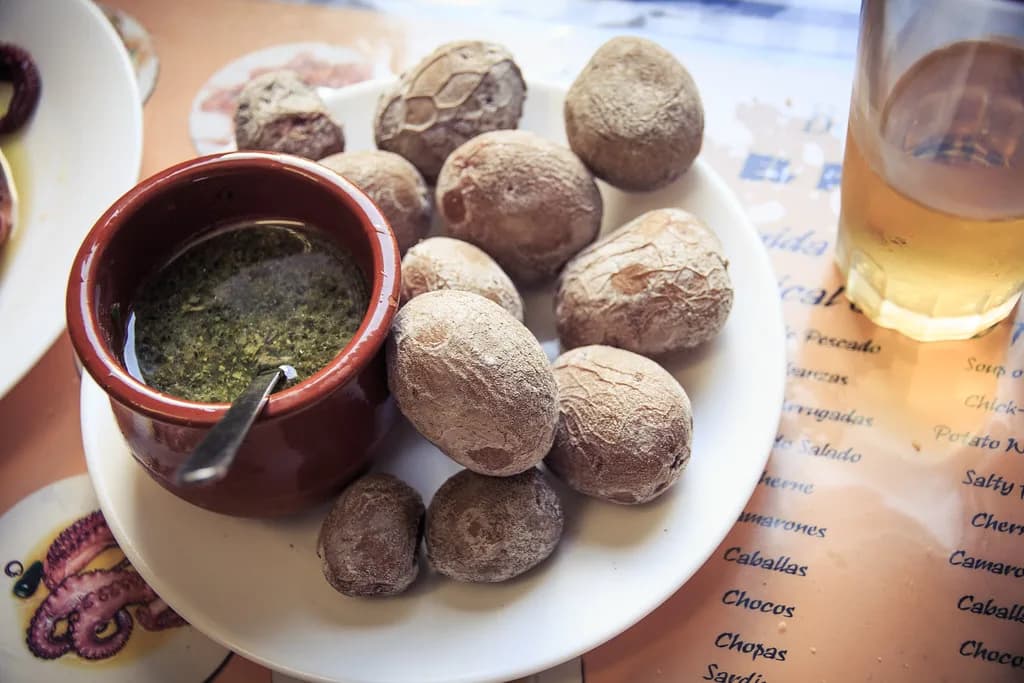
Canarian cooking is built around fish, potatoes, mojo sauces, goat and maize flour, not saffron rice. Paella comes from the Valencia region, so ordering it in Tenerife is ordering Spanish food abroad within Spain, and the best versions usually come from kitchens that also serve seafood and rice dishes confidently.
That matters for expectations. A resort restaurant that lists paella beside burgers and fish and chips is likely to treat it as a crowd-pleaser, while a kitchen serving fish and seafood as its main business has a reason to get the rice right. If rice is not your priority, the island's own cooking is better explored through a wider look at Tenerife food.
Where to Eat Paella in Santa Cruz de Tenerife
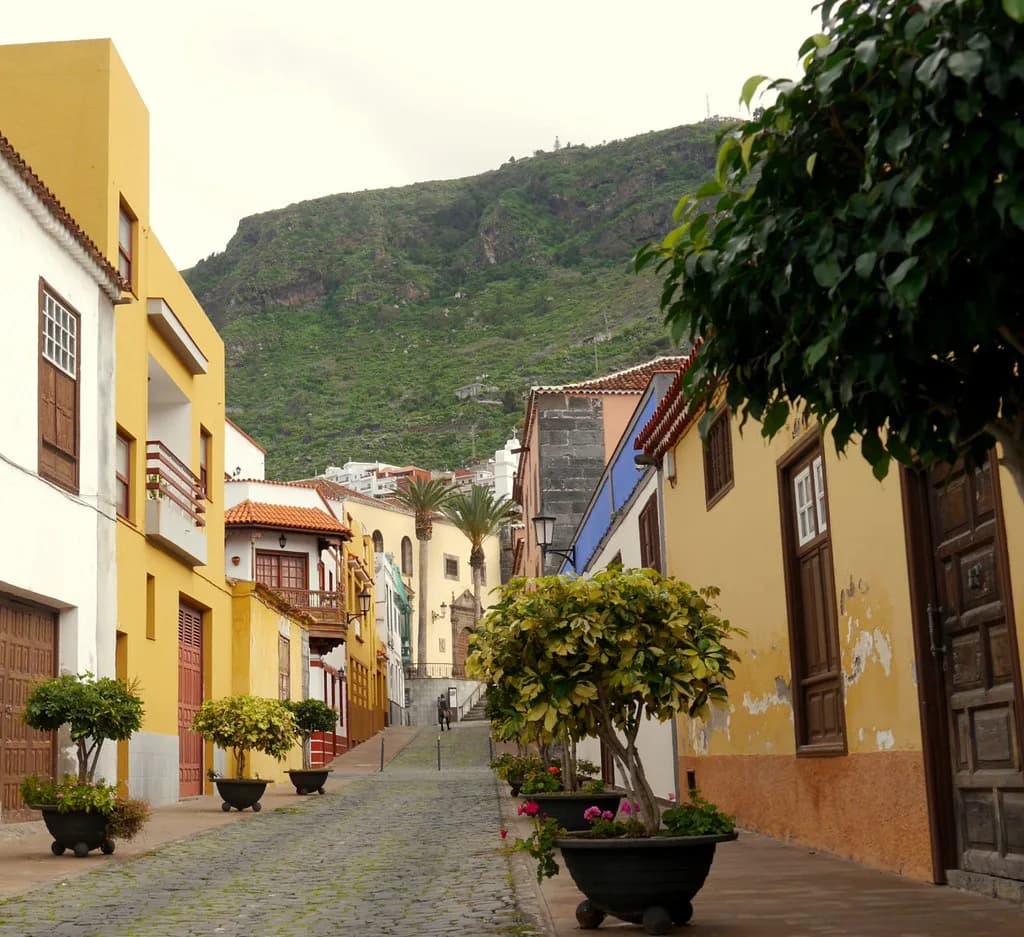
The capital is the most rewarding place on the island for a Spanish lunch, because it is a working city rather than a resort. Aim for the area around the Mercado de Nuestra Señora de África, a colourful market where regional specialities fill the stalls, and use it as your anchor for a midday rice meal before a walk through the centre.
Santa Cruz also gives you the best value on the day as a whole. García Sanabria park covers 67,230 square metres in the heart of the city, holds sculptures from the first International Street Sculpture Exhibition and stays permanently open with free entrance, so it fills an afternoon without a ticket.
Paella in the Southern Resorts: Costa Adeje, Los Cristianos and Playa de las Américas
The southern resorts are where most visitors look for paella, and they are also where the dish is most uneven. A survey of review-site rankings in these resorts found the top slots dominated by British cafés, bars, Italian and Thai restaurants rather than Spanish kitchens, which is a fair warning that popularity in a resort reflects familiar menus rather than good rice.
Read past the first page of results and look at why people praise a place. Restaurants in the south with a serious kitchen tend to sit further down the lists, and the fishing village of Los Abrigos and La Caleta at the western end of Costa Adeje are named as the areas with stronger food, from traditional fish restaurants to more ambitious cooking.
Food Markets Worth a Visit Before You Book a Table
Markets are the most reliable way to eat well at lunch without committing to a full rice menu. The Mercado de Nuestra Señora de África in Santa Cruz is the standout, and La Laguna's market in the Plaza del Cristo serves the university city's historic centre, so a market breakfast can lead into a late paella lunch nearby.
Use a market visit to read the local offer before you book anywhere. If the stalls and counters are full of Canarian produce and fish rather than international fast food, the surrounding restaurants are more likely to cook in the same spirit, and your rice dish is more likely to be made to order.
Rice Dishes to Try Alongside Paella
Paella is the entry point, but the wider family of Spanish rice dishes is where Tenerife's coastal kitchens do better work. Seafood rice, dry rice with shellfish and soupy rice with fish all lean on the same fish stock and timing, so a restaurant that cooks those well will usually handle paella properly too.
Pair the meal with island drinking rather than with a default beer. Barraquito, the layered coffee with condensed milk and a splash of liquor, is Tenerife's signature order at the end of lunch, and non-alcoholic versions exist for anyone driving the winding roads afterwards.
When to Eat: Lunch Versus Dinner on Tenerife
Rice is a lunch dish in Spain, and it pays to treat it that way on Tenerife too: sit down at midday, when the kitchen is fresh, rather than late in the evening. A paella ordered at the end of the night is often cooked in a hurry or reheated, so the practical decision is to make rice your main meal of the day and keep dinner light.
Book the first lunch sitting for the best result. Kitchens are fresh at that hour, the dining room empties out later in the afternoon, and you leave with the rest of the day free for a beach, a market or a park rather than eating into sightseeing time.
What to Order with Paella, and How Much to Expect to Spend
Order a mixed salad or a plate of padron peppers to start, then share one rice dish between two rather than ordering a portion each. Paella is priced and served by the person in most Spanish restaurants, with a minimum of two, so check the menu wording before you commit for a group.
Prices vary widely between resort promenades and city kitchens, and menus change with the season. Check the price per person and the minimum order on the menu board before sitting down, and confirm the day's rice dishes with staff, since the rice section is where kitchens cut corners on quiet days.

Common Mistakes Visitors Make When Ordering Paella
The biggest mistake is treating paella as an evening meal in a complex full of British and international menus. The second is ordering it for one: portions are built for two or more, and a single serving is rarely cooked properly to order. The third is choosing a restaurant by review ranking alone when the top of those lists is full of bars and cafés.
If you want a benchmark for how good Spanish rice can be, compare it with the versions eaten in Valencia's home region and along the Andalusian coast, such as the best paella in malaga, where coastal kitchens cook rice as a speciality. That reference point makes it easier to spot a pale, under-seasoned tourist version and to choose the kitchen that cooks rice as a speciality.
Making a Day of It: Pair Lunch with a Nearby Sight
A lunchtime rice meal slots neatly into a sightseeing day built around the Teide National Park, which sits among the island's headline things to do in tenerife. Cable car tickets should be reserved in advance, roads and the cable car can close in bad weather, and hikers heading to the crater need a separate permit, so keep the meal as the fixed point of the day.
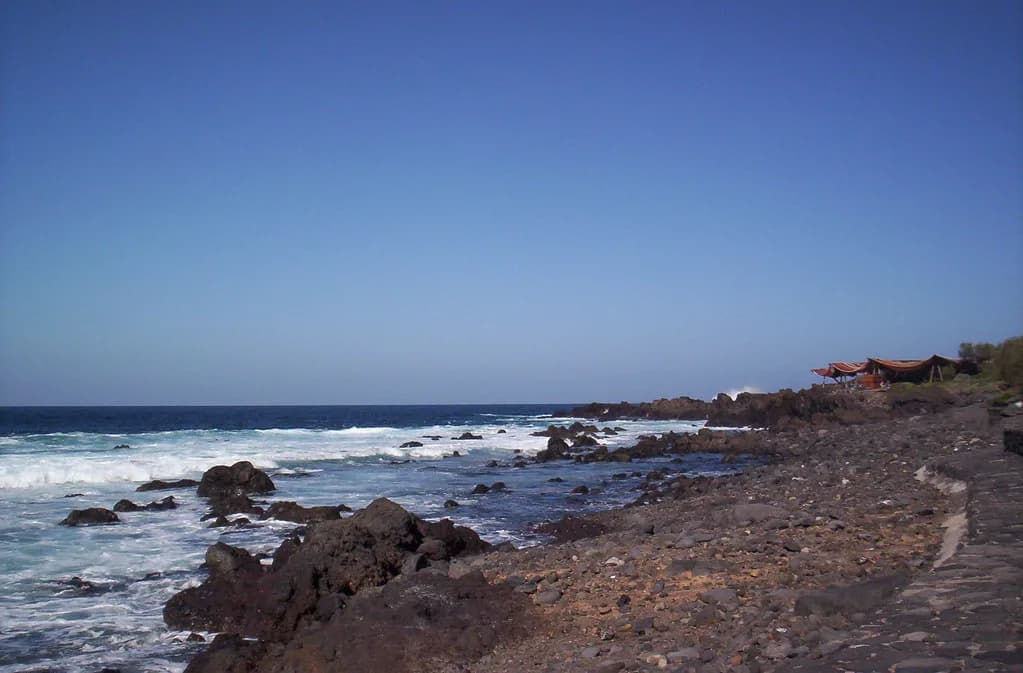
In the south, walk the coastal path between Los Cristianos and La Caleta afterwards. The full promenade runs 14.2 km past Playa de las Américas, Costa Adeje and Playa del Duque, is paved and mostly flat, and can be joined at either end by public transport or taxi, so lunch can sit in the middle of it.
Plan Your Paella Lunch
Treat paella on Tenerife as a Spanish lunch rather than a local speciality, book an early lunch sitting, share the rice and choose a kitchen whose main trade is fish and seafood. If you are staying in a southern resort, expect to look past the review-site leaders; if you are heading to Santa Cruz, build the day around the market and García Sanabria park.
One final check before you go: menus and service days change through the year, so confirm the rice dishes and the sitting time directly with the restaurant on the day you plan to eat.
Explore more Tenerife guides
Frequently Asked Questions
Where can I eat good paella in Tenerife?
Start with Santa Cruz de Tenerife, where a working-city restaurant near the Mercado de Nuestra Señora de África is more likely to treat rice as a proper lunch dish. In the south, look past the top of review-site rankings, which are dominated by British and international menus, and head for fishing-village kitchens at Los Abrigos or La Caleta.
Is paella a Canarian dish?
No. Paella comes from the Valencia region, while Canarian cooking is built around fish, potatoes with mojo, goat and maize flour. On Tenerife paella is Spanish restaurant food, which is why a kitchen that already cooks fish and seafood well tends to make the better version.
What time should I eat paella in Tenerife?
Lunch, between 1:30pm and 4pm, with 1:30pm to 2pm the best slot. Dinner on the island starts from 8:30pm to 9pm, and rice ordered that late is more likely to be rushed. Make paella your main meal and keep the evening light.
How many people should share a paella?
In most Spanish restaurants a paella is sold by the person with a minimum of two, and it is designed as a shared dish. For a larger group, check the minimum order and the per-person price on the menu before you sit down.
What should I drink with paella on Tenerife?
Local wines and a beer work well with rice, and the island's signature after-lunch order is the barraquito, a layered coffee with condensed milk and a splash of liquor. Ask for the non-alcoholic version if you are driving the mountain roads afterwards.
Can I pair a paella lunch with sightseeing?
Yes. In Santa Cruz, lunch leads straight into the free, permanently open García Sanabria park. In the south, the paved coastal path between Los Cristianos and La Caleta runs 14.2 km and can be joined at either end, so a 1:30pm lunch fits neatly in the middle of a walk.
Do I need to book a table for paella?
Book ahead for lunch at weekends and in high season, especially for groups of four or more, since rice is cooked to order and a table of two is easier to seat than a party. Phone or book online on the day you plan to eat and confirm the rice dishes and sitting time.
Should I tip after a paella lunch?
Leaving small change or rounding up the bill is normal and appreciated for good service, but there is no fixed rule. Check whether service is already included on the bill before adding a tip.
Sources
Notes for eating well in Spain
Optional updates to our guides.
You might also like

Continue reading
More guides you'll find useful