Girona Food Guide: Catalan Dishes and Where to Eat
A practical guide to Girona food: Catalan dishes worth ordering, named restaurants and tapas spots, how meal times work, and how to plan the bill in euros.
On this page
Girona food is Catalan cooking: pork, seafood, slow-cooked sauces and pastry, served in a compact old town where the good places sit within a short walk of each other. Plan lunch between about 13:30 and 16:00 and dinner from about 20:30, and you will eat when the kitchens are actually working rather than staring at a closed door at six in the evening.
The city rewards a simple split: one everyday meal of market dishes and tapas in the Barri Vell, one long Catalan lunch on a square, and, if the budget allows, one serious splurge. Booking platforms list plenty of Girona tables, from traditional Spanish kitchens to Italian and Mediterranean menus, which makes it easy to check what is taking reservations before you travel.
What Girona food actually is
Girona sits in Catalonia, and the local kitchen is built on botifarra sausage, salt cod, beans, mushrooms and pork-rich stews rather than the fried fish and potato bravas you might associate with a generic Spanish tapas bar. The city's old quarter is compact, so a morning on the walls and a lunch on Plaça de la Independència fit into the same few hours without a bus or taxi.
That framing matters when you choose where to eat. A restaurant serving paella and sangria to tourists is a different proposition from a place cooking cannelloni, duck with pears or grilled fish, and the second kind is what makes a short break here memorable.
Dishes to order first
Start with the xuixo, a cylindrical fried pastry filled with crema catalana that is Girona's signature sweet. Bakeries across the city sell it, and it works as a mid-morning stop between the cathedral and El Call rather than as dessert after a heavy lunch.
At the table, look for botifarra sausage, mar i muntanya dishes that pair meat with seafood, and cannelloni baked in a cheese sauce. A traveller account of lunch at Casa Marieta describes exactly that order, with cannelloni to start and ànec amb peres, duck slow-cooked with pears, as the main.
Seafood is the other pillar of the local diet, and the Catalan coast supplies the city's fishmongers and restaurants. If you want a wider spread of regional cooking before you commit to a restaurant, compare the plates you see against the best tapas you would order elsewhere in Spain. The same seafood-led logic shapes island cooking, so it is worth comparing this with Ibiza food if your travels take you to the Balearics.
Casa Marieta on Plaça de la Independència
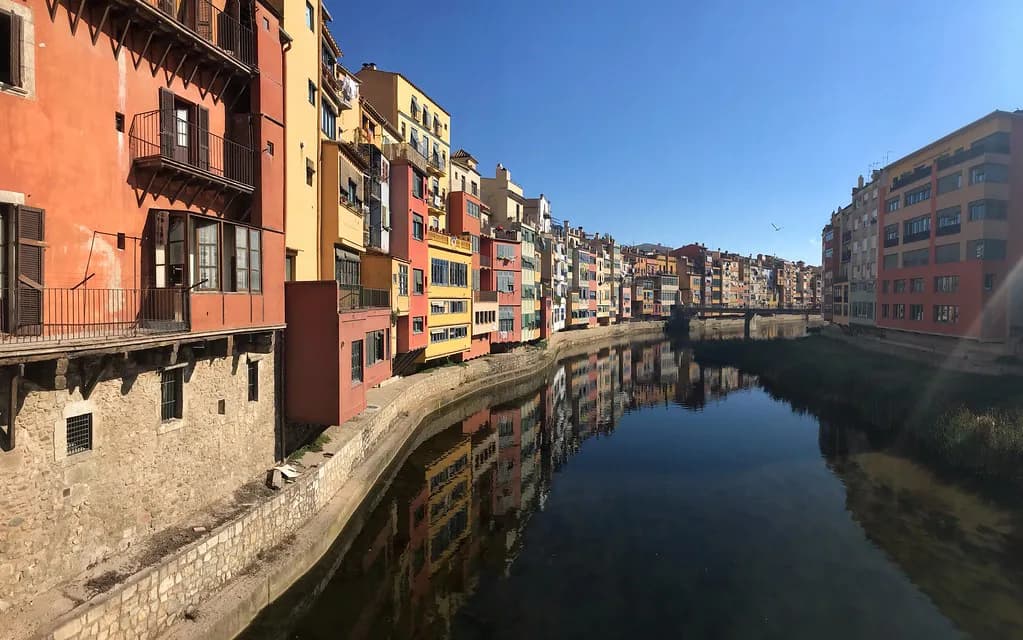
Casa Marieta is a traditional Catalan restaurant on Plaça de la Independència, a short walk from the Onyar River and the bottom of the old town. A first-hand account dates its history to 1892 and reports a queue forming about fifteen minutes before its 12:30 opening, with booked tables seated ahead of walk-ins.
The same account describes a homely room and a lunch of cannelloni, ànec amb peres and a soft drink. Treat that order as a template for what to ask for rather than the full menu, and expect anything extra you add to raise the total.
The practical choice is booking versus walking in. If you have a fixed cathedral slot or a train to catch, reserve and arrive a few minutes early; if you are flexible, join the walk-in line and accept that you may wait while reservations fill the first sitting.
El Celler de Can Roca and the splurge question
El Celler de Can Roca, run by the Roca brothers, is the name that puts Girona on the international food map, and it is a completely different experience from a square-side lunch. A travel account lists it among Spain's three-Michelin-star restaurants, though for current status and booking windows check the restaurant's own site and the Michelin guide directly.
Decide before you book whether this is your once-in-a-trip meal or a nice-to-have. A tasting menu here takes a large share of a short break's budget, and the money may buy more pleasure spread across three ordinary Catalan lunches and a market breakfast.
If you want the high-end end of the city without committing the whole trip to one table, compare the city's other Michelin restaurants before you decide.
Tapas and casual spots in the old town
Girona's casual eating is clustered in the Barri Vell and around the squares, where you can move between small plates without a long walk. Names that come up repeatedly for everyday meals include Txalaka, La Fábrica, Federal, Arros i Peix and Casa Marieta.
Booking platforms also list Girona addresses such as La Tabarra for traditional Spanish plates and La Vedette for Mediterranean cooking, with diners describing fondue, galettes and outdoor seating at the latter. Treat the listings as a shortlist rather than a ranking: check the menu and recent reviews before you commit an evening.
For a broader shortlist of tapas counters and casual kitchens, work through the neighbourhood options rather than picking the first menu board you see on the Rambla.
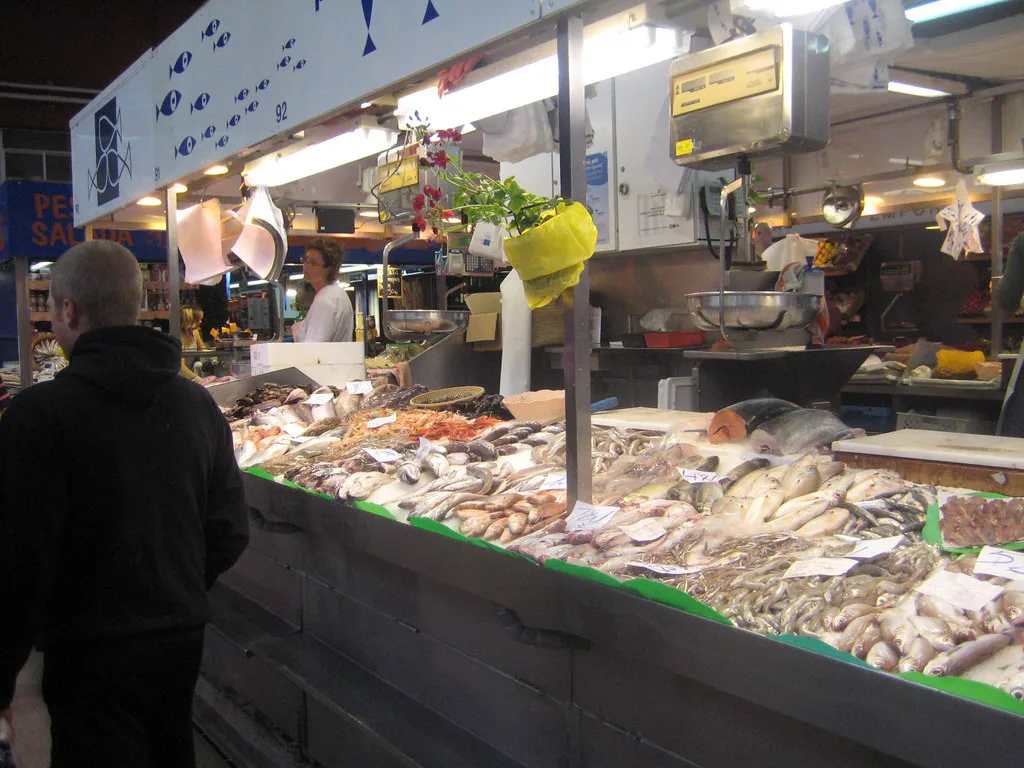
Seafood where you pick your fish
A different style of Girona eating is the seafood counter where you choose the fish and say how you want it cooked. One traveller account describes exactly that format in the city, with fresh seafood selected on the spot and grilled or fried to order, plus a complimentary welcome drink on the day of the visit.
This is a good format for mixed groups, because each person controls their own plate and the bill scales with what you pick. Ask the weight and the price per kilo before it goes on the grill, and you avoid a surprise at the end.
Meal times: when Girona kitchens open
Spanish meal times run later than British ones, and Girona follows them. Lunch is roughly 13:30 to 16:00, dinner starts around 20:30 to 21:00, and many kitchens close between services, so a 18:00 arrival often means a drink rather than a meal.
Use the gap for sightseeing: the cathedral, the Passeig de la Muralla walls and the Jewish Quarter fill an afternoon neatly before dinner. Plan the day around those opening hours, and you avoid the common mistake of eating a heavy late lunch and then finding dinner starts too late for an early train.
What a meal costs and how to read the bill
Girona is cheaper than Barcelona for everyday eating but not cheap by UK standards once you add wine. Budget by meal type rather than by a fixed daily figure: a bakery breakfast and coffee, a menú del día at lunch, and a tapas dinner of several small plates is a realistic pattern.
Chinese-language travel accounts on Trip.com put a relaxed solo lunch at Casa Marieta at about 20 euros, which is useful as an order of magnitude rather than a current quote. Prices change with the season and the menu, so check the menu board or the restaurant's own listing before you sit down.
Reading the bill is straightforward once you know the vocabulary: cover charge, bread and water may appear separately, and VAT is usually included in the menu price. Keep an eye on the per-kilo price at seafood counters and on supplements for terrace seating at busy squares.
Booking ahead versus walking in
Girona's best-known tables fill up, especially at weekend lunch and during festival periods. Booking platforms let you see which Girona restaurants take reservations, and a quick check the night before saves a wasted evening.
Walk-ins work best at lunch, right at opening, and at smaller tapas bars where turnover is fast. If you have a party of six or more or you are visiting during a festival, book and confirm by phone or the restaurant's own channel rather than relying on a listing page.
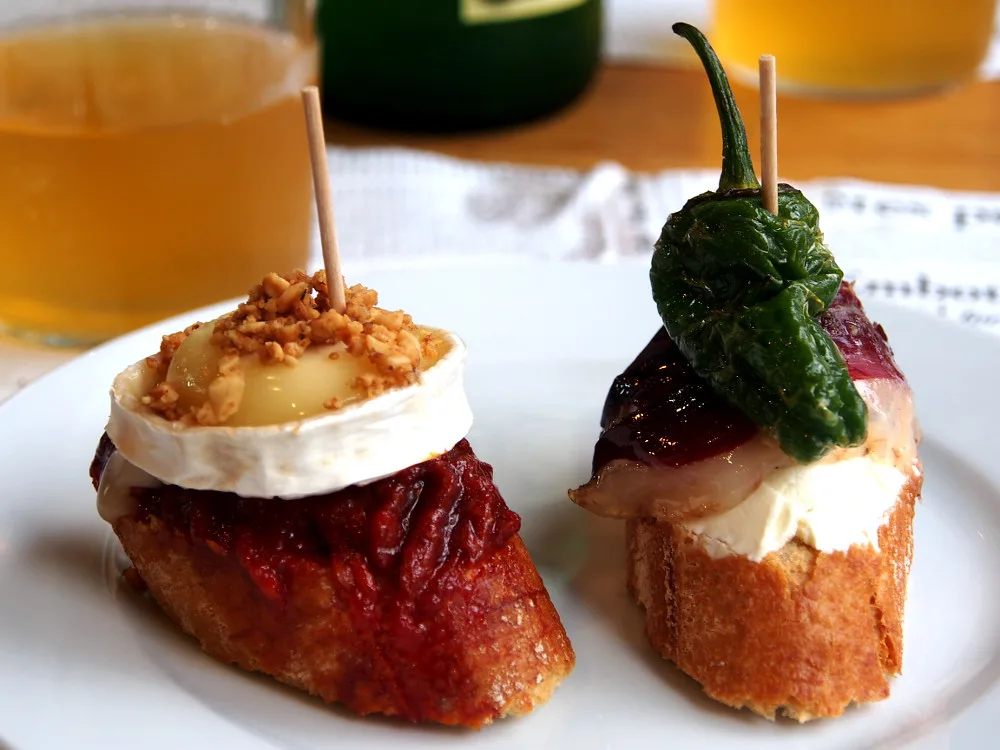
Sweet things and bakeries
Beyond the xuixo, Girona's bakeries and cafés are where you will find pastries, coffee and a light breakfast before the museums open. Use them as a planning tool: a café stop at 10:00 gives you a natural pause between the walls and the cathedral.
If you want a structured tasting rather than self-guided grazing, a guided walk can cover several stops in an afternoon and take the guesswork out of ordering.
Eating around the sights
A workable day looks like this: walk the walls in the morning, eat lunch at the bottom of the hill around 13:00, then go back up to the cathedral for the afternoon. A traveller account notes the cathedral museum opening at 13:00, which makes a pre-museum lunch the sensible order.
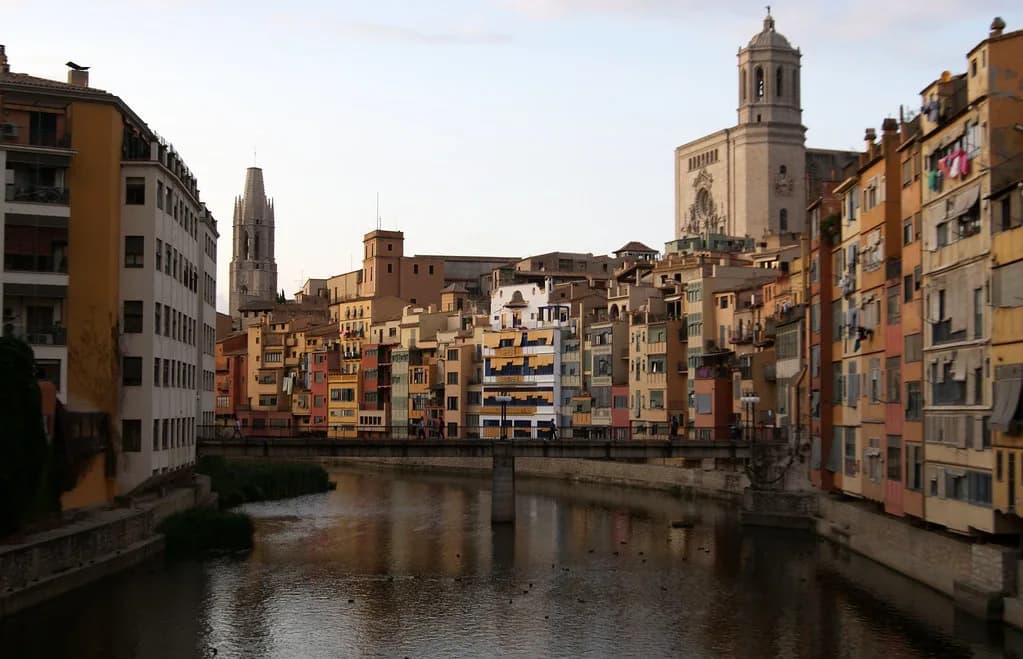
The old town's sights cluster tightly, so you can walk from the Onyar River to the cathedral steps and the Jewish Quarter without needing transport. That makes it easy to break the day with a coffee or a plate of tapas whenever the legs give out.
Practical trade-offs: crowds, set menus and one splurge
Crowds change the experience more than the food does. Summer and festival weekends pack the squares, so book the splurge meal midweek and keep the popular tapas bars for lunch when turnover is faster and the room is calmer.
Set menus are usually the best value at lunch, but they also lock you into the kitchen's choices. If you came for specific Catalan dishes such as cannelloni or ànec amb peres, order à la carte and accept a higher bill.
Finally, treat one meal as the splurge and keep the rest simple. A single memorable lunch or dinner, balanced against market plates and bakery stops, is a better use of a short Girona trip than chasing every recommendation on a list.
Plan Your Girona Eating
Build the trip around two anchors: a long Catalan lunch and one evening of tapas, with the xuixo as the sweet stop in between. Eat within Spanish hours, book the tables that matter, and walk into the rest.
Confirm opening days and booking windows on each restaurant's own site before you travel, since they change with the season and the week.
Explore more Girona guides
Frequently Asked Questions
What food is Girona known for?
Girona is known for Catalan cooking: the xuixo pastry, botifarra sausage, mar i muntanya dishes that combine meat and seafood, baked cannelloni, and slow-cooked duck with pears. Seafood counters where you choose the fish and how it is cooked are part of the local eating scene too.
Where should I eat in Girona?
Start with the old town and the squares. Casa Marieta on Plaça de la Independència is a traditional Catalan option with a long history, while casual spots for small plates cluster in the Barri Vell. Booking platforms list traditional Spanish and Mediterranean tables such as La Tabarra and La Vedette, and these make a useful shortlist rather than a ranking.
What time do restaurants in Girona serve lunch and dinner?
Lunch runs from about 13:30 to 16:00 and dinner starts around 20:30 to 21:00. Many kitchens close between services, so arriving at 18:00 usually means a drink rather than a meal. Plan a museum or a walk in the afternoon gap.
Is El Celler de Can Roca worth it?
It is the Roca brothers' flagship restaurant and a serious splurge, and a travel account lists it as a three-Michelin-star restaurant. Whether it is worth it depends on your budget and whether you would rather spend the same money on several everyday Catalan meals. Check the restaurant's own site and the Michelin guide for current status and booking windows.
How much does a meal in Girona cost?
There is no reliable fixed figure, because it depends on whether you order the lunch menu, share tapas, or pick seafood by weight. Check the menu board or the restaurant's own price list before sitting down, and budget more for the fine-dining rooms than for a square-side lunch.
Do I need to book restaurants in Girona?
Book for the best-known tables, for weekend lunches, for large groups and during festivals. Walk-ins work better at lunch just as a restaurant opens and at busy tapas bars where tables turn quickly. A quick check on a booking platform the night before saves a wasted evening.
What is a xuixo?
A xuixo is a cylindrical fried pastry filled with crema catalana and coated in sugar, and it is Girona's signature sweet. Bakeries across the city sell it, and it works well as a mid-morning stop rather than a heavy dessert.
Sources
Notes for eating well in Spain
Optional updates to our guides.
You might also like
Continue reading
More guides you'll find useful