How Many Days in Girona? 1, 2 or 3 Days Explained
One day covers Girona's old town on foot, while two days adds the museums and a slower pace. Here is what fits into one, two or three days in the city.
On this page
One full day covers the heart of Girona on foot, two days let you slow down for the museums and an evening meal, and three days make sense if you want the Costa Brava or the Pyrenees as well. The medieval core is compact and almost entirely walkable, so the question is rarely whether you can see it but how much you want to sit with it.
Most visitors treat the city as a stop from Barcelona, which is under an hour away by train, and Girona also has its own airport, GRO. Read the day counts below against your own pace: the old town is full of stairs and steep streets, which slows a sightseeing day more than the map suggests.
Quick answer: one day for the old town, two to slow down, three with the coast
Give Girona one full day for the old town loop, two days if you want the museums and a relaxed evening, and three if you plan a day out to the Costa Brava or the Pyrenees. The historic core fits into a few hours at a push, but the city rewards a slower pace.
A comfortable shape is to arrive in the morning, walk the core loop before lunch, eat in the early afternoon and spend the evening on the walls or the bridges. Staying the night beats the last bus back to Barcelona, because dinner in Spain rarely starts before 8.30pm and many kitchens run late. The evening, once the day trippers have gone, is when the old town is at its most atmospheric.
If you are weighing Girona against other short-break cities, our companion guides on how many days in Alicante and how many days in Ibiza use the same day-by-day logic. Girona's answer is shorter than either: the sightseeing core is genuinely small, and the extra days are about food, museums and day trips rather than more monuments.
What one day in Girona covers
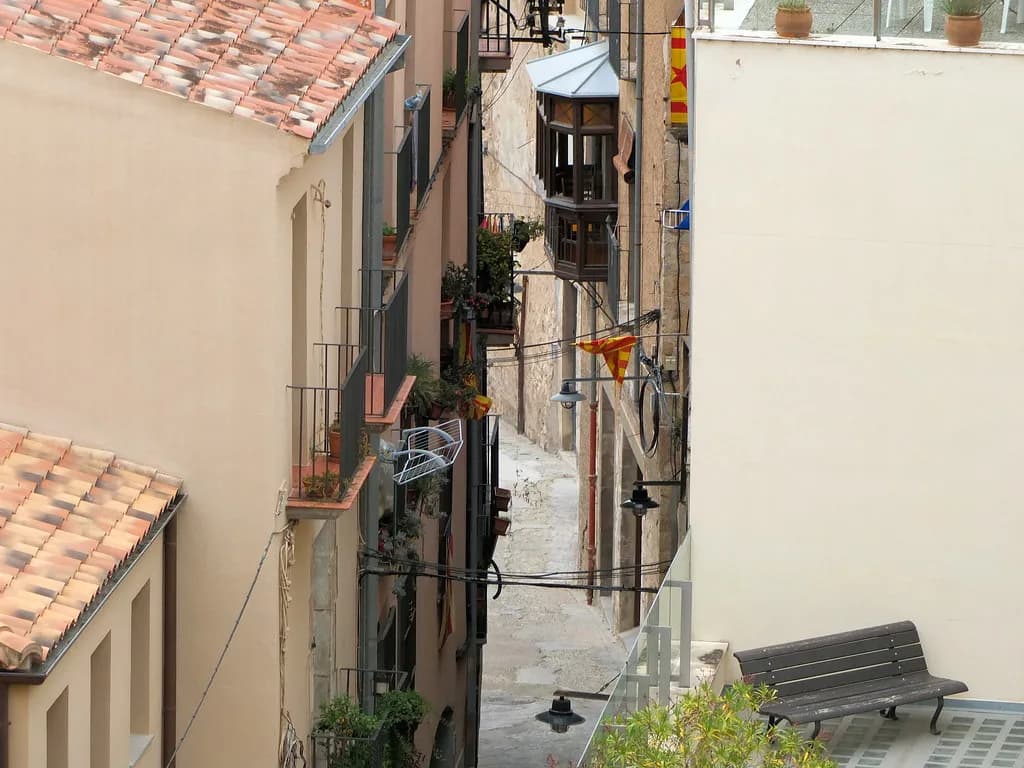
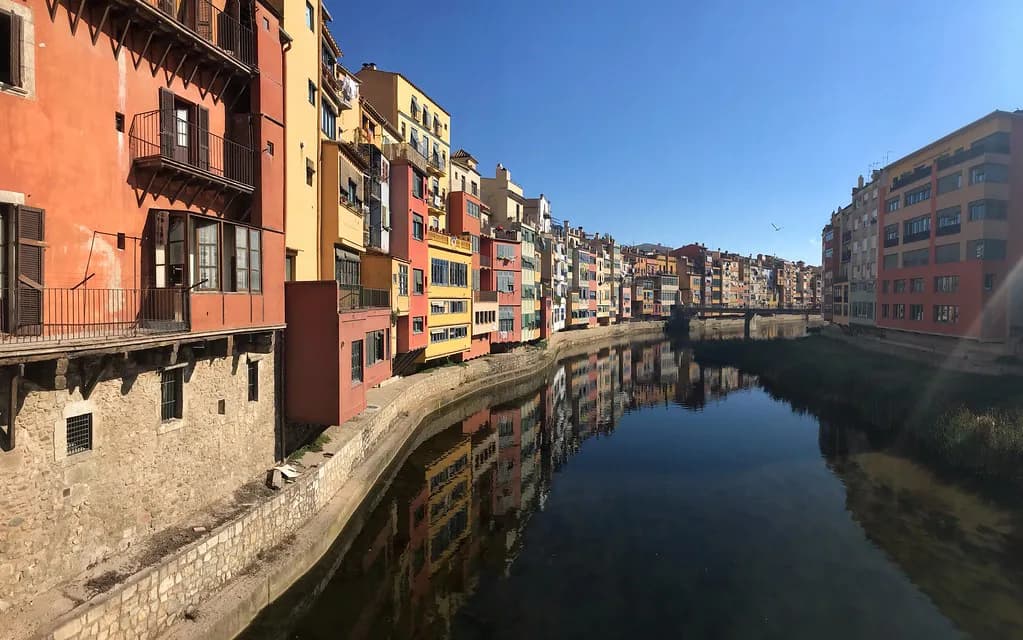
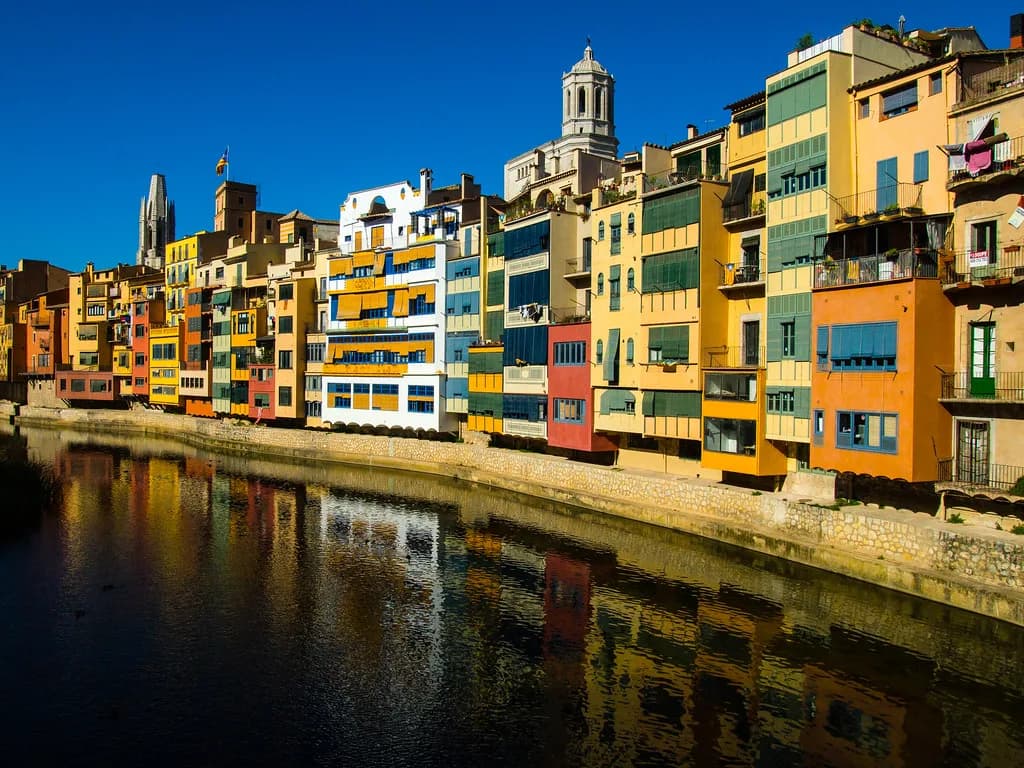
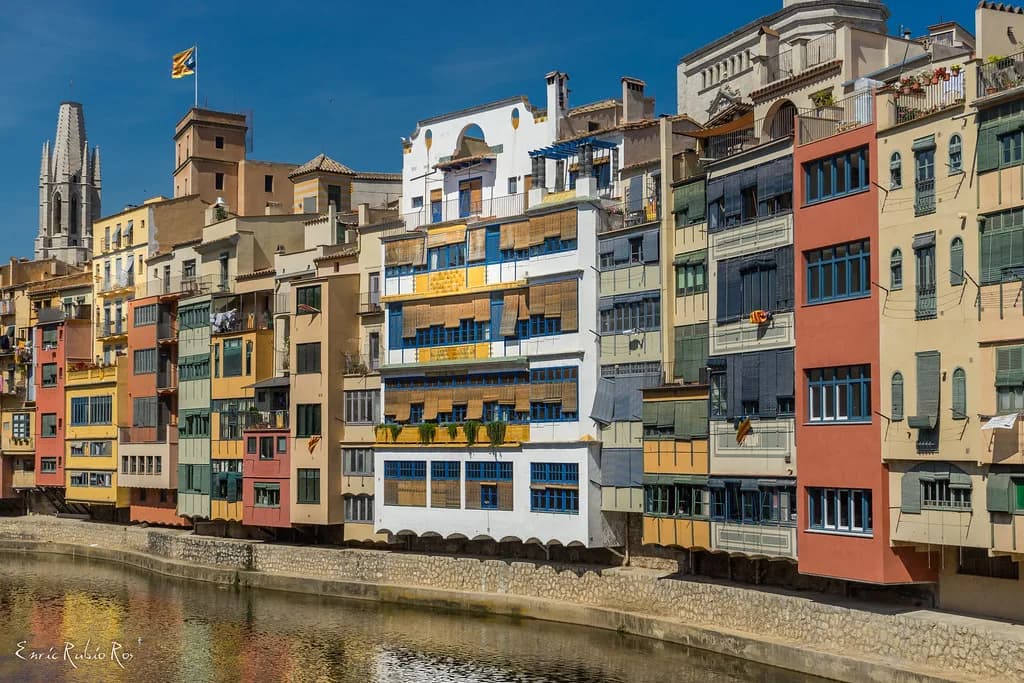
The classic one-day loop starts at the Pont de Sant Feliu, crosses the Onyar for the postcard view of the coloured houses, then climbs past the Basilica de Sant Feliu to the cathedral. From there it continues to the Banys Àrabs, the Jardins dels Alemanys and the medieval walls, before dropping through El Call to the Eiffel bridge. Walked in that order, the main sights link together with little backtracking.
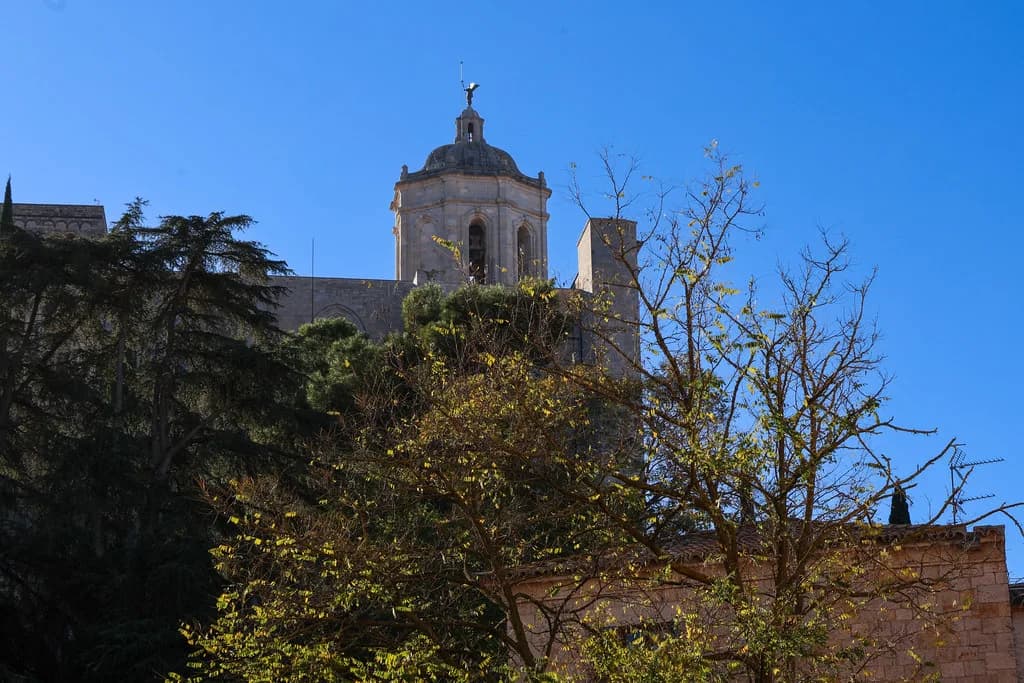
Budget half a day at a relaxed pace for that core loop, then add lunch and a coffee stop. The cathedral has the widest Gothic nave of any church in the world at just under 23 metres, and the 11th-century Tapestry of Creation sits in its museum and treasury, so the interior alone can swallow 45 minutes. A combined ticket covers the cathedral and the Basilica de Sant Feliu with an audioguide and costs 7.50 euros for adults, 5 euros reduced. The Banys Àrabs are a short walk from the cathedral, built in the 12th century in Romanesque style and modelled on Roman baths, Turkish hammams and Jewish mikvahs. Entry is 3 euros, with reduced rates of 2 and 1 euros, and the octagonal pool under the dome is the room to linger in. They open Monday to Saturday from 10am to 6pm, and Sundays and holidays from 10am to 2pm.
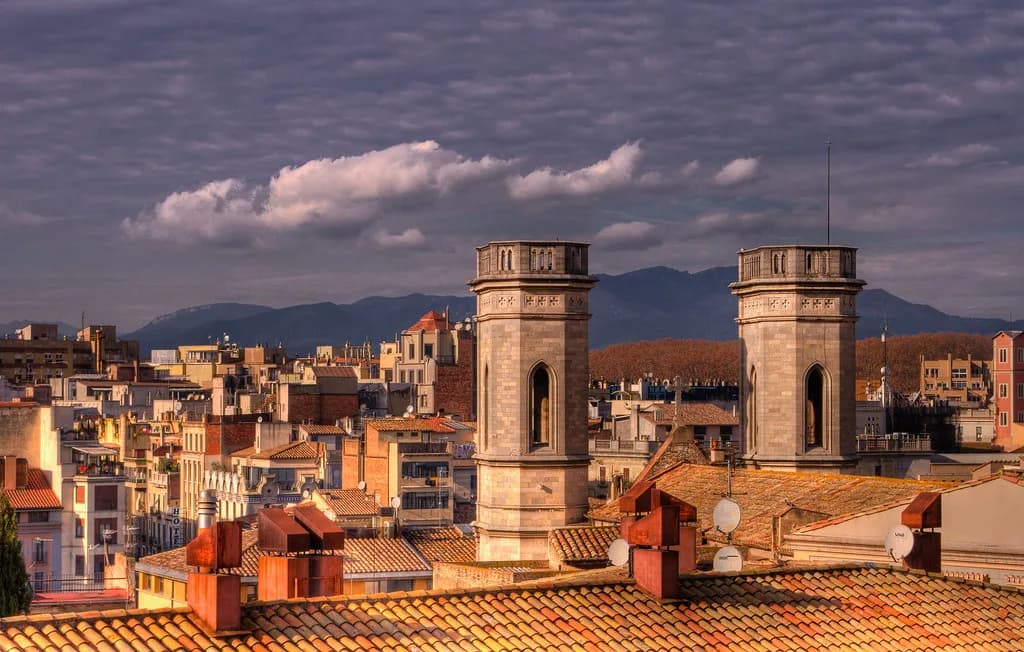
Leave the last hour of daylight for the walls. The Passeig de la Muralla runs behind the cathedral alongside the Jardins dels Alemanys, and you can walk along the top and climb the lookout towers for the best views in the city. Sunset from up there, with the cathedral towers and the coloured houses below, is the image most people carry home.
Where the day goes: timing the loop around lunch
Spanish meal times shape a Girona day more than most visitors expect. Dinner starts around 8.30pm to 9pm, and many kitchens run late, so an evening meal is the natural close to the sightseeing day. Stay the night and the old town after dark, lit by lamplight and floodlights, is the reward.
One local itinerary puts the full walking route at about four to five hours if you do everything, with coffee and sweet stops added on top. That is a realistic benchmark for a single day: start at the Pont de Pedra, weave between Carrer Ciutadans and La Rambla de la Llibertat, climb to the cathedral, walk the walls and finish in the Eixample.
The constraint that catches people out is the terrain. The Barri Vell has a lot of stairs and steep streets, so comfortable shoes matter and so does leaving slack in the schedule. If your knees or your patience are limited, cut the wall walk to one stretch and put the saved time into the cathedral and the Jewish Quarter instead.
What two days adds: museums, the Jewish Quarter and a proper dinner
The second day is for the six museums and for El Call, the medieval Jewish Quarter. The Museum of Jewish History occupies a 15th-century former synagogue on Carrer de la Força and tells the story of a community that paid higher taxes than other citizens but held special protection until its expulsion in 1492. Casa Masó, the birthplace and home of the Catalan architect Rafael Masó i Valentí, is the only house along the river in the old town open to the public, and visits are by guided tour.
Museum pricing rewards a second day. You get a 50% saving at every museum after the first, so a morning of two collections costs barely more than one. The Museum of Cinema, the first of its kind in Spain when it opened in 1998, charges 7 euros standard or 3.50 euros reduced, and its Tomàs Mallol Collection covers 400 years from shadow puppets to modern film technology.
A second day also lets you use Girona as a spa stop. Aqva, a working spa in the city's former hospital just around the corner from the Arab Baths, runs a timed Greco-Roman bathing circuit among structures dating back as far as the 5th century. The circuit is 32 euros, timed, and needs booking ahead on the official website.
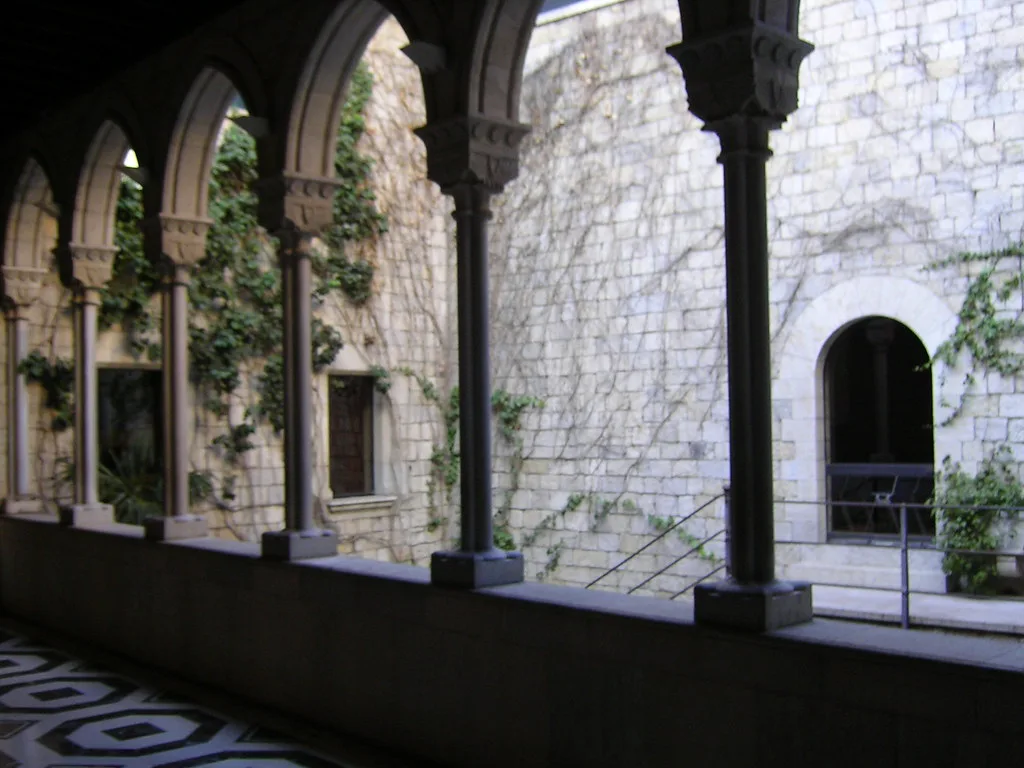
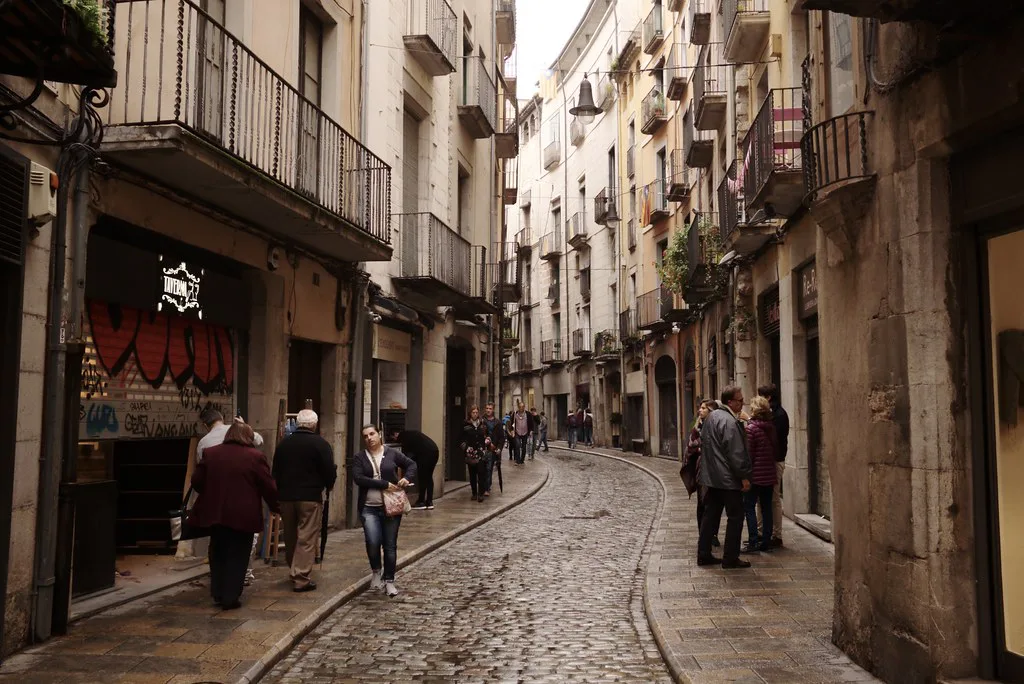
Dinner is the other reason to stay. Once the day-trippers have gone, the lanes of El Call are lit by lamplight, the cathedral steps are floodlit and the river holds the reflections of the lit-up houses. Book your table for 8.30pm or later and the old town is yours. Our Girona itinerary covers a fuller two-day version of this plan.
Eating around your days
Girona eats well for a city its size, and the local specialities are cheap enough to build a day around. Look for xuixo, a deep-fried, sugar-coated pastry filled with crema catalana, pa amb tomàquet, botifarra sausage served with white beans, and Catalan-style cod. Rocambolesc Gelateria on Carrer de Santa Clara, run by the Roca family, is the easy sweet stop on the Eixample side of the river.
For a sit-down lunch, Catalonia's menú del día is where the value sits. Divinum on Carrer de l'Albereda serves two affordable lunch menus in a contemporary setting and has held a Michelin star, and its chefs trained in the Roca kitchen. El Celler de Can Roca was named best restaurant in the world in 2013 and 2015 and now sits in the ranking's hall of fame; tables open 11 months ahead, at midnight on the first of each month, and go fast.
Coffee is taken seriously here too. La Fábrica on Carrer de la Llebre roasts its own beans and serves a full menu of sandwiches and desserts on a patio in a winding alley, but it does not open for dinner, so it belongs to the sightseeing half of the day. Espresso Mafia on Carrer de la Cort Reial pours the same beans and is the quicker stop.
The Mercat del Lleó is the city's main food market, with more than 50 stalls selling vegetables, meat and fish, and extra vendors lining the outer sidewalks on Saturdays. It opens Monday to Friday from 7am to 2pm and Saturdays from 7am to 2.30pm, and closes on Sundays. Time your visit before lunch to see it at its best, or browse more of the city's markets if you are self-catering.
Three days: a day out to the Costa Brava or the Pyrenees
A third day is best spent outside the city. Girona makes an excellent base for the wider Costa Brava coast and the Catalan Pyrenees, and the Empordà countryside beyond the city produces excellent wine and good walking and cycling country. Treat the city as your hotel and the region as your day out, rather than adding a third day of churches.
Heading north to the coast, the fishing port of Palamós supplies much of the fish you will eat in Girona, which makes a coastal lunch the natural pairing for a seafood dinner the night before. On the western side, the Dalí museum in Figueres and the Empordà vineyards are straightforward day trips. Keep one evening free for the walls, because the best light is not on the coast.
When to go: May flowers, autumn comfort, summer heat
May is the month for Temps de Flors, when the city fills with flower displays, though it also brings the biggest crowds of spring. September and October are the most comfortable months for walking the walls and the old town, with warm days and fewer people than midsummer. July and August are hot and busy, and midday sightseeing becomes a test of endurance rather than pleasure.
Summer visitors who want the flower festival but not the heat should read our guide to girona in july, which covers how to structure a day around the hottest hours. August brings the peak of the crowds and a slower local rhythm, so if your dates fall there, plan the walls for early morning and the museums for the afternoon, and check our notes on august before booking.
Shoulder-season travellers get the best of both: enough warmth for the coast, short queues at the cathedral and the museums, and evenings cool enough for the wall walk. Our month-by-month notes on september and october spell out what changes in the Barri Vell as the season turns, including which events fill the squares.
Is Girona worth visiting, and who should stay longer
Girona is worth visiting on almost any trip to Catalonia, and the day count depends on your appetite for museums, food and day trips rather than the city's size. Travellers on a city break will find one day sufficient and two days generous; food-led visitors, cyclists and anyone using the city as a base for the coast should give it three nights.
If time is short, a day trip from Barcelona works well because the train takes under an hour and the station is a ten-minute walk from the historic centre. The trade-off is the evening: leaving before dinner means missing the floodlit cathedral and the quiet lanes. Two nights is the sweet spot for most people.
Barcelona-based readers often ask whether to add Girona to a Barcelona trip or give it its own slot. Our advice is a minimum of one full day with an overnight, so lunch and dinner both fall in the city and neither the market nor the evening walls get cut. One night is enough to see it properly; three nights is the version you won't want to end.
One-day walking route summary
In order: Pont de Sant Feliu, the Basilica de Sant Feliu, the Cathedral de Santa María and its museum, the Banys Àrabs, the Jardins dels Alemanys, the medieval walls, the Jewish Quarter and the Pont de les Peixateries Velles. Finish in Plaça de la Independència for a drink under the porticoes. It is an uphill loop through the old town that ends back at the river.
Before you set out, confirm current opening times and book anything timed, such as the Aqva circuit, directly with the venue. The official websites for the cathedral, the Arab Baths and the market are the place to check, rather than a blog post written years earlier. Prices and hours change with the season.
If the walls and the cathedral step are the priority, the Muralles de Girona are best in the morning before the tour groups and the sun arrive. Read the girona in july notes for how the heat changes that advice, then plan the rest of the day around lunch.
Plan Your Visit
One full day is the minimum for a proper look at Girona, two days is the comfortable answer, and three days suits anyone adding the coast or the Pyrenees. Decide by how you want to eat and walk rather than by the length of the sight list, and book a table for 8.30pm if you are staying.
If you are comparing short city breaks, the day-count method here transfers directly, and our guide on how many days in ibiza applies the same logic to an island. Girona's own answer stays the simplest: arrive early, stay a night, and leave the last hour of daylight for the walls.
Explore more Girona guides
Frequently Asked Questions
How many days do you need in Girona?
One full day covers the old town loop of cathedral, Arab Baths, walls and Jewish Quarter, and two days let you add the museums and an evening meal in the city. Three days makes sense if you want a day out to the Costa Brava or the Pyrenees with Girona as a base.
Can you visit Girona as a day trip from Barcelona?
Yes. The train from Barcelona takes under an hour, and the station is about a ten-minute walk from the historic centre, so a morning arrival and an afternoon departure is comfortable. The trade-off is missing dinner and the floodlit old town, which is the best part of the evening.
Is Girona walkable?
The historic core is compact and almost entirely walkable, but it has a lot of stairs and steep streets, especially around the cathedral and the walls. Wear comfortable shoes and allow for the effort, and consider skipping one stretch of the wall walk if your time or energy is limited.
Is Girona worth visiting?
Yes. Girona combines one of the best-preserved medieval centres in Catalonia with a serious food scene and easy access to the Costa Brava. One day gives you the highlights, and two days give you the museums, the market and a proper Spanish dinner.
What is there to do in Girona in the evening?
After dark the lanes of El Call are lit and quiet, the cathedral steps are floodlit, and the river reflects the coloured houses along the Onyar. Dinner starts around 8.30pm to 9pm, so stay the night to see the city after the day trippers leave.
When is the best time to visit Girona?
May, for the Temps de Flors flower festival, and September or October for the most comfortable walking weather. Summer is hot and busy, so plan the walls for the morning and the museums for the afternoon if your dates fall then.
Sources
Notes for eating well in Spain
Optional updates to our guides.
You might also like
Continue reading
More guides you'll find useful