Fuerteventura Food: What to Eat and Where to Find It
A practical guide to Fuerteventura food: the local dishes worth ordering, where they are served in the north and south, and how Spanish meal times shape your day.
On this page
Fuerteventura food means Canarian staples — papas arrugadas with mojo, fresh fish, tapas — served alongside the pizza-and-paella strip menus of the big resorts. The island rewards a bit of sorting: eat in the towns behind the seafront and you get far better value than on the main strips. This guide picks the dishes worth ordering first, then the Lajares, Corralejo and Morro Jable places that serve them.
Plan meals around Spanish hours rather than British ones. Lunch runs from about 1:30pm to 4pm and dinner rarely starts before 8:30pm or 9pm, so a 6pm hunger pang is best met with a bakery stop or a plate of tapas. If you are still deciding how long to stay, our guide to how many days in Fuerteventura covers two-, three- and four-night plans.
What Fuerteventura Food Actually Is
The island's cooking is Canarian, not a separate cuisine: wrinkled salt-boiled potatoes with mojo sauces, grilled or fried fish, stews and simple tapas. Fuerteventura is also a working island, so the seafood is treated plainly and served in tapas bars and pulperías rather than white-tablecloth rooms. The main strips of the large tourist towns tend to serve the same menu with a different logo on top, so the useful skill is knowing which streets to leave behind.
For a wider list of Spanish island cooking, our guides to Ibiza food and Tenerife food cover the neighbouring Canary and Balearic kitchens, including dishes like bullit de peix and sofrit pagès that sit outside the Canarian repertoire. Read those before you go if you want to compare mojo and papas arrugadas with what the other archipelagos do.
The Dishes to Order First
Start with papas arrugadas and mojo. The potatoes are boiled in heavily salted water until the skins wrinkle, then served with a red mojo rojo or a green coriander-and-garlic mojo verde; they appear on almost every Canarian menu and are the cheapest way to eat well. Order them alongside fresh fish rather than as a side to a steak.
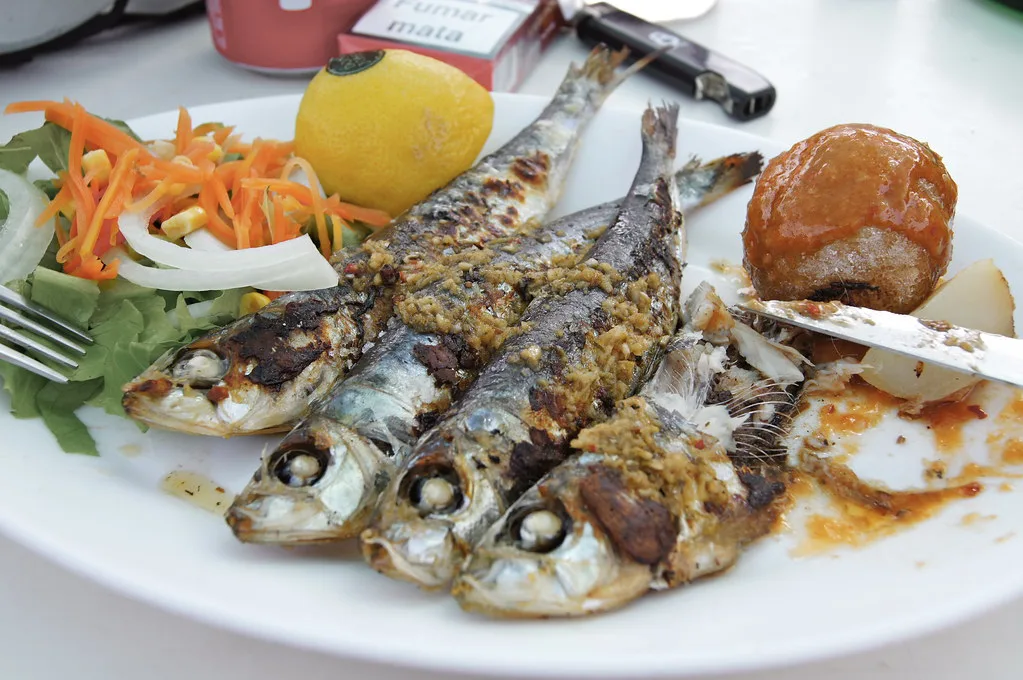
Fish is the other thing to prioritise, and the island does it simply — grilled, fried or in a seafood rice. Order the catch of the day rather than a paella if you want to taste what the water around the island gives up. Portions are generous, so two dishes between two people is often enough at lunch.
Seafood and Tapas: What the Island Does Well
Seafood is fresh and, by northern European standards, inexpensive — the island's pulperías and tapas bars are where to find it. Pulpería Dejavú Café is a tapas bar in the local mould, the kind of place to build a meal from several small plates rather than one main. It is the model to look for: a short menu, octopus and fish, and prices that undercut the seafront.
For a proper tapas crawl, our pick of the best tapas in Fuerteventura goes through the bars worth planning an evening around, and the Fuerteventura markets guide covers the market stalls where cheese, mojo and produce are sold direct. Combine a market morning with a long lunch and you have eaten the island without once sitting down to a resort menu.
Cakes and Pastries: A Proper Bakery Stop in Lajares
Pastelería El Goloso in Lajares is the bakery to build a morning around — a sleepy surf town between El Cotillo and Corralejo that makes an easy coffee-and-cake stop. Order pastries and a lemon tart rather than a full breakfast; it is the sort of place where the display case does the deciding. Lajares is small enough to walk around, so pair the stop with a wander rather than a dedicated trip.
Beyond Canarian: The Other Kitchens Worth a Night
Corralejo has more than one Indian restaurant, and Jaipur serves its food al fresco — a novelty on an island where most evenings are warm enough to eat outside. It is not the reason to come to Fuerteventura, but it is a good change of gear after several fish dinners. The town also has Italian kitchens, including 3 Calici, and Deli Delicious Bar and Restaurant, both of which appear in the island's mid-range listings.
For paella, La Arrocería sits a little walk from the centre of Corralejo, which is part of why it beats the bland tourist-trap cooking of the main strip. It is a rice house first, so order the arroces rather than treating it as a general restaurant. Plan for the walk back into town and book if you want to eat late.
In Lajares, Fuerte Vida sits at the foot of the Calderón Hondo volcano walk and serves Mexican-inspired food from a relaxed, hippy bar with hammocks to shelter from the high sun. It is the natural lunch stop after the volcano circuit, and the burrito was priced at seven euros in 2017 — a historical figure, so check the current menu on arrival.
Where to Eat in the North: Corralejo, Lajares and El Cotillo Compared
Corralejo is the biggest of the northern towns and has the widest choice, from La Arrocería on its edge to the cocktail bars Mojito Beach Club and Agua Tiki Bar, which sit next door to each other with an ocean view and work well for a sundowner or a post-dinner drink. It is also where the tourist-strip problem is most obvious, so walk inland rather than eating on the front.
Lajares is the opposite: a small surf town between El Cotillo and Corralejo where the bakery and the volcano-foot bar are the main draws, and where you go for a slow morning rather than a big night out. El Cotillo is quieter again, best treated as a lunch-and-beach day, and our best restaurants in Fuerteventura guide covers the wider island if you want more options than the north alone.
Base yourself in Corralejo if you want choice and nightlife; base in Lajares or El Cotillo if you want quiet and are happy to drive to dinner. The distances are short, but the roads between the northern towns are dark at night. For the wider picture of what to see between meals, our things to do in Fuerteventura guide covers the Parque Natural de Corralejo and the island's other draws.
What a Meal Out Costs
Prices are not published for most of the places named here, so treat any figure you see online as a historical reference and check the menu board before you sit down. The pattern that holds is simple: tapas and pulpería plates cost far less than a sit-down fish dinner, and a lunch menu of the day is the best-value meal of the day. A burrito at Fuerte Vida was seven euros in 2017, which gives a rough sense of casual food costs at the time rather than today.
To keep the bill down, eat your main meal at lunch, share tapas in the evening and buy picnic supplies from a market or bakery. If your trip falls in August, our Fuerteventura in August guide covers what to expect from the island at its busiest and hottest.
Spanish Meal Times and How They Shape Your Day
Spanish meal times run late: lunch from about 1:30pm to 4pm and dinner from 8:30pm or 9pm. That leaves a long gap in the late afternoon, which is exactly when a bakery, a tapas bar or a market stall earns its keep. Kitchens in the resorts often stretch to accommodate tourists, but the towns keep closer to local hours.
Build your day around the two meals rather than fighting them. A late breakfast, a 2pm lunch and a 9pm dinner leaves room for a volcano walk or a beach afternoon in between, and it means you eat when the kitchen is at its best. If you are travelling in shoulder season, Fuerteventura in September and Fuerteventura in October both keep warm enough for outdoor eating.
In high summer, Fuerteventura in July brings the heat that makes a long, shaded lunch the sensible option, and it is also when the beaches at Caleta de Fuste and Costa Calma fill up, so eating early or late helps.
Eating Around the Island: Jandía and the South
The south has its own seafood tradition. La Bodega de Jandía in Morro Jable is the kind of place to order fish and Canarian plates after a day on the long Jandía beaches, and the town is the natural base for the southern half of the island. Treat Morro Jable as a separate food destination from the north rather than an afterthought.
Morro Jable and Jandía are a long drive from Corralejo, so plan the south as a separate day or a separate stay. Our Fuerteventura itinerary covers how to sequence the island if you want to eat in both halves, and the Fuerteventura Attractions guide covers what to see between meals.
Practical Trade-offs: Tourist Strips, Walking Distances and Booking Ahead
The main strips of the large tourist towns serve a blanket of bland, similar food, and the better places are usually a walk away from the front — La Arrocería in Corralejo is a good example. Factor the walk into your evening, especially if you are staying on the seafront. That single decision improves more meals than any list.
Book ahead for dinner in Corralejo in high season and for any rice house, where the arroces take time to cook. For casual stops like the Lajares bakery or Fuerte Vida, just turn up. If you want to spend a day away from restaurants, the shopping in Fuerteventura guide covers the shops and towns, including La Oliva, that make a good half-day.
Plan Your Visit
Eat papas arrugadas with mojo, order fish over paella, and use Lajares for pastries and Corralejo for a rice dinner away from the strip. Time your meals to Spanish hours and you will eat better for less than the resort menus suggest. Menus and hours shift with the season, so confirm them on the door or by phone before you travel.
Frequently Asked Questions
What food is Fuerteventura known for?
Canarian cooking: papas arrugadas boiled in salt and served with mojo rojo or mojo verde, fresh fish, seafood tapas and simple stews. Pastries and cakes from local bakeries are a strong local habit too.
Is eating out in Fuerteventura cheap?
Tapas, pulpería plates and lunch menus cost far less than a sit-down fish dinner on the seafront. Prices are not published for most of the places named here, so check the menu board before sitting down.
Where are the best places to eat in northern Fuerteventura?
Pastelería El Goloso in Lajares for pastries, La Arrocería on the edge of Corralejo for rice, Fuerte Vida at the foot of Calderón Hondo for a casual lunch, and Pulpería Dejavú Café for seafood tapas.
What are Spanish meal times in Fuerteventura?
Lunch runs from about 1:30pm to 4pm and dinner from 8:30pm or 9pm. The long late-afternoon gap is the time for a bakery stop or a plate of tapas rather than a full meal.
Where can you find good tapas and seafood in the south of Fuerteventura?
Morro Jable and Jandía are the southern bases, with La Bodega de Jandía serving fish and Canarian plates. It is a long drive from Corralejo, so plan the south as its own day or stay.
Sources
Notes for eating well in Spain
Optional updates to our guides.
You might also like
Continue reading
More guides you'll find useful