
MACA Alicante: a practical guide to the contemporary art museum
MACA, the Museo de Arte Contemporáneo de Alicante, is a compact municipal museum in the old town, and entry costs nothing. Most visitors get through it in about an hour, which makes it an easy add-on to a morning at the Castillo de Santa Bárbara or a wander through the streets around Plaza de Santa María. The collection leans heavily on Alicante's own Eusebio Sempere and on Spanish twentieth-century art, so you are looking at a focused, regional story rather than a national survey.
Where MACA is in Alicante's old town
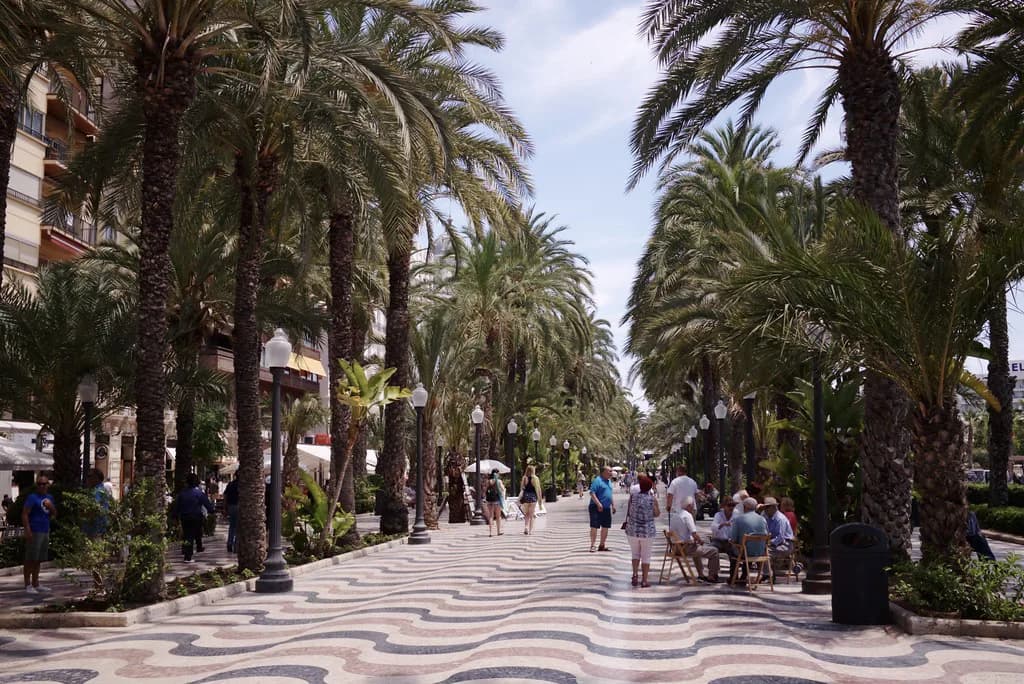
The museum sits at Plaza de Santa María, 3, in the oldest part of the city, a short climb up from the Explanada and the port. It occupies the Asegurada building, described as the oldest civil building in Alicante, and the contrast between the historic shell and the modern work inside is a large part of the appeal. You will pass it naturally on the walk between the basilica of Santa María and the cathedral quarter.
Getting there and the walk from the port or Plaza del Ayuntamiento
From Plaza del Ayuntamiento, head into the old town and follow signs uphill towards Plaza de Santa María; the museum is on the square itself. The climb is short but steep in places, with cobbles and steps, so comfortable shoes matter more than distance. Coming from the port or the Explanada, allow a leisurely fifteen to twenty minutes rather than a straight dash. If you are planning the rest of the day around this part of the city, the Alicante Attractions: 6 Visitor Guides covers the sights within walking distance.
Opening hours and the Monday closure
MACA opens Tuesday to Friday from 10am to 8pm, Saturdays from 11am to 8pm, and Sundays and public holidays from 10am to 2pm. It is closed on Mondays, which catches out plenty of people who treat Monday as a museum day. The Sunday afternoon and evening hours are the gap to plan around: a Sunday visit needs to happen in the morning.
Tickets and what entry costs
Admission is free, with no ticket to buy in advance for the permanent collections. That said, it is worth confirming on the museum's own site before you go, because temporary activities and exhibitions can come with their own arrangements.
The Eusebio Sempere collection
Sempere is the most internationally known artist to come out of Alicante, and the municipal collection devoted to him runs to 575 pieces of drawings, paintings, sculpture and graphic work. It traces his development from the drawings and oils of the early 1940s, through the Paris watercolours and gouaches of the 1950s, to the panel paintings of the 1960s and the iron and chrome-plated steel sculptures of the 1970s. If you only know him as a name in Spanish abstraction, this is the place that makes the case, and the silkscreens and lithographs give the graphic side of his work proper space.

The 20th-century collection: the names you will recognise
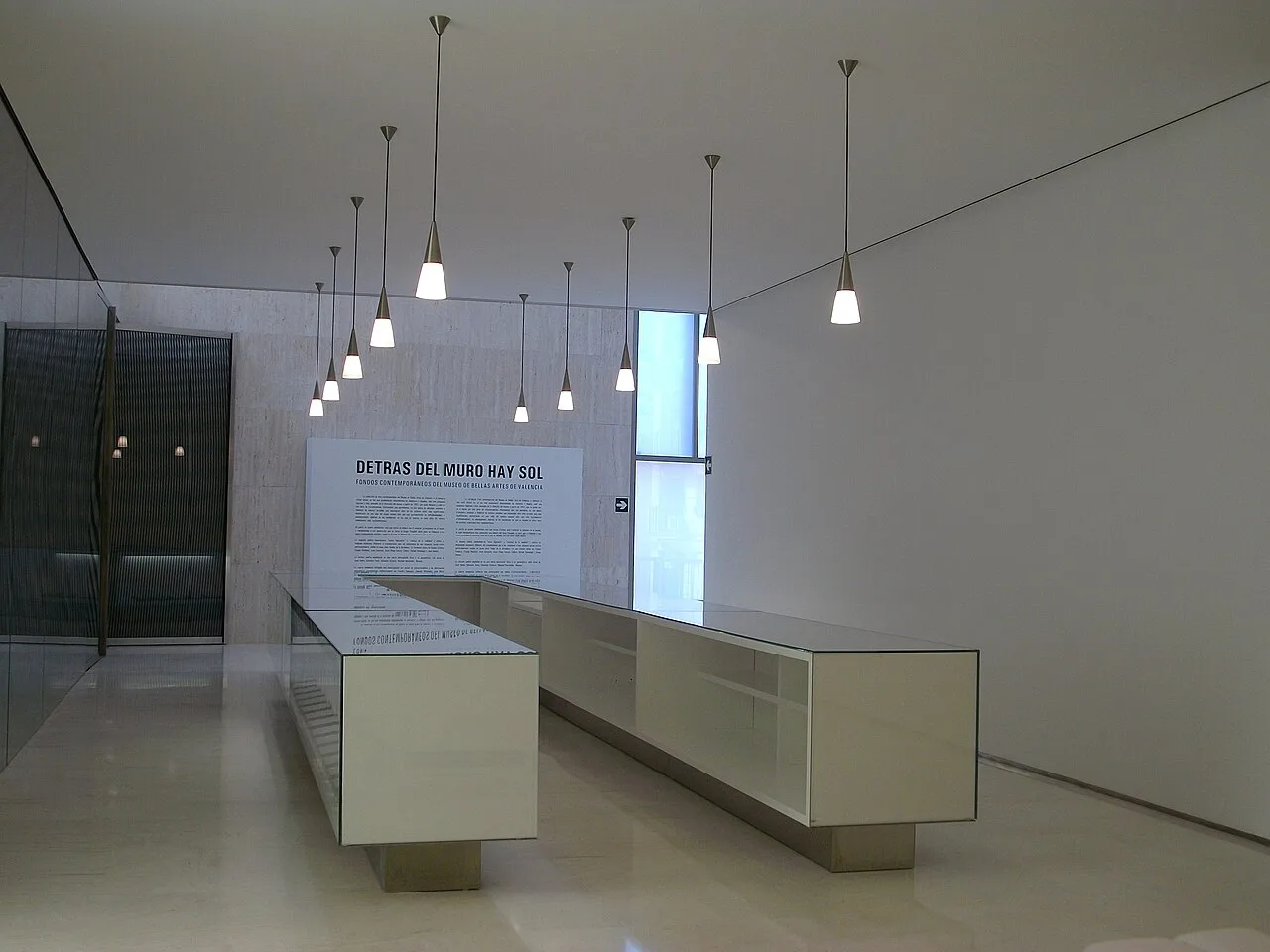
The cornerstone of the museum is the 177-piece collection that Sempere donated to the city, assembled from the 1920s to the early 1980s. The roll call includes Picasso, Braque, Juan Gris, Miró, Dalí, Chillida, Tàpies, Vasarely and Calder, alongside Spanish names such as Julio González and Juana Francés. The strength is Spanish twentieth-century art rather than an encyclopaedic international sweep, so treat the big names as landmarks in a Spanish story.
The Mediterranean Foundation Collection on the upper floors
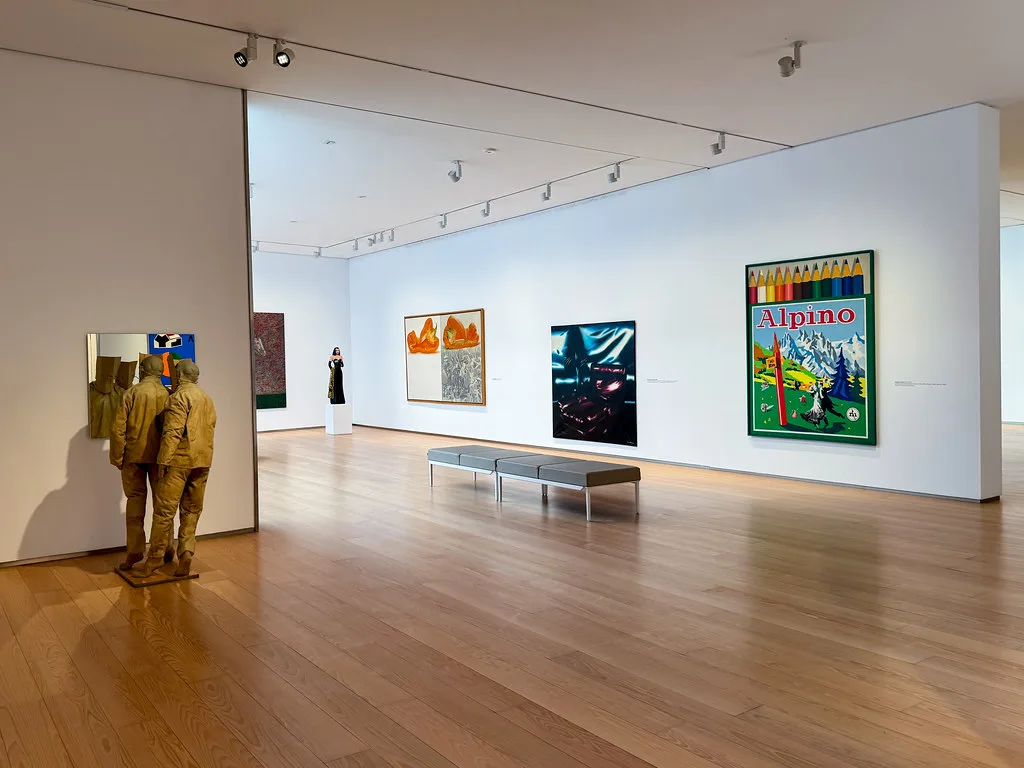
Upstairs, the Mediterranean Foundation Collection brings the story closer to the present, covering Spanish art from the democratic transition onwards. The wider collection holds 212 pieces by 125 artists, and the selection on display includes works by Barceló, Plensa, Carmen Calvo, Esther Ferrer, Juan Muñoz and Soledad Sevilla. Expect painting, sculpture and photography rather than a single medium, and expect it to change: selections from the collection have been rotated over the years.
Temporary exhibitions and activities
MACA runs a busy programme of temporary shows alongside the permanent collections, from guided weekend visits and artist talks to film, music and performance. Recent listings have included documentary work on Juana Francés and a ceramics display built around Arcadio Blasco's Objeto-idea. The programme turns over quickly, so look at the museum's activities page in the week you plan to visit rather than trusting a listing published months earlier.
How long to allow and the best time to go
Give MACA around an hour, or ninety minutes if you read labels and linger over the Sempere prints. It is a small museum, and stretching it into a half-day will leave you circling the same rooms. Weekday mornings are the calmest slot; the museum also has the advantage of being a cool, indoor stop in the worst of the afternoon heat. If you are weighing this against the city's other sights, how many days in alicante is worth settling before you lock in the schedule, and our Alicante Neighborhoods guide helps you decide which quarter to base the rest of the day in.
What is nearby: Santa Bárbara castle and the old town
The Castillo de Santa Bárbara looms directly above the old town, and the museum sits conveniently on the way up or down from it. Pair the two and you get art and a view in one morning, though the climb to the castle is the more demanding half. The Mercado Central de Alicante is a slightly longer walk but a natural stop for a later lunch, with stalls and bars rather than museum quiet.
Who MACA suits and who should skip it
MACA rewards anyone with an interest in Spanish abstraction, printmaking or the Alicante art scene, and it is a low-risk call for families because entry is free and the visit is short. If you want a blockbuster museum with audio guides and a café, this is not it: the building is modest, the rooms are quiet and there is not a great deal for young children beyond the colour and geometry of the Sempere work. Go for the collections rather than for spectacle.
Plan Your Visit
MACA is the sort of museum that fits into a walk rather than a day: free entry, a Monday closure and a tight, well-organised collection built around Sempere's gift to the city. Check the activities page shortly before you go so you know which temporary show is running, then pair the visit with the castle or the old-town streets.
Explore more Alicante guides
Frequently Asked Questions
Is MACA free to enter?
Yes. Admission to MACA is free, with no ticket needed for the permanent collections. Temporary activities and exhibitions may have their own arrangements, so check the museum's activities page before a special visit.
What are MACA's opening hours?
MACA opens Tuesday to Friday from 10am to 8pm, Saturdays from 11am to 8pm, and Sundays and public holidays from 10am to 2pm. It is closed on Mondays.
Is MACA open on Mondays?
No, the museum is closed on Mondays. Plan the visit for Tuesday to Sunday, and remember that Sunday opening finishes at 2pm.
How long does it take to visit MACA?
Allow about an hour, or ninety minutes if you read the labels and spend time with the Sempere prints. It is a small museum, so there is no need to set aside a whole afternoon.
What art can you see at MACA?
The museum holds the Eusebio Sempere municipal collection of 575 pieces, a 177-piece 20th-century collection that Sempere donated to the city with works by Picasso, Miró, Dalí and Chillida, and selections from the Mediterranean Foundation Collection of contemporary Spanish art.
Where is MACA in Alicante?
MACA is at Plaza de Santa María, 3, in the old town, in the Asegurada building. It is a short uphill walk from Plaza del Ayuntamiento and the port, and sits below the Castillo de Santa Bárbara.