
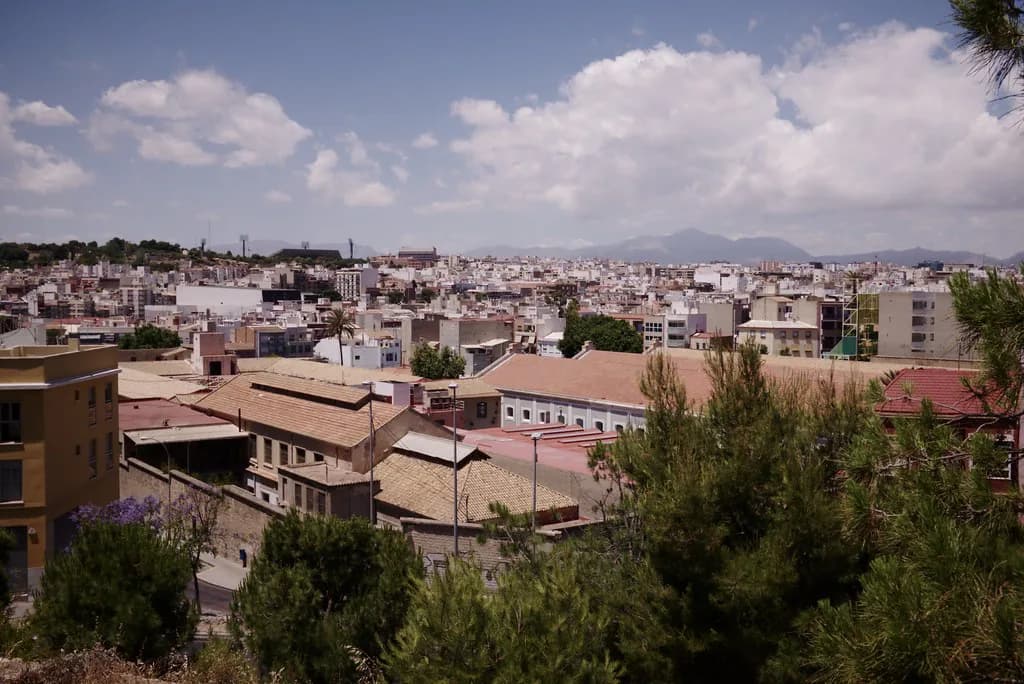
MARQ Museum Alicante: what to see and how to visit
The MARQ is the archaeological museum of the province of Alicante, run by the MARQ Foundation of the Diputación de Alicante, and it displays its material as a classified, catalogued collection rather than as a dramatic spectacle. It works best as a half-day stop in the city, with the option of adding one of the archaeological sites the museum also manages elsewhere in the province. If you are weighing how many days in alicante to set aside, treating the museum as a half-day block keeps the rest of the city within reach. Ticket prices, opening hours and any booking rules are published on the official site, so check those before you set out.
Allow roughly two hours for the permanent galleries and whatever temporary exhibition is on, and longer if you plan to use an audio guide or read the labels properly. The museum sits within reach of the rest of central Alicante, so it slots easily into a day that also covers the old town and the port. If you are building a wider itinerary, our guide to Alicante Attractions maps the city's main sights by area, and if you are weighing up how many days in Alicante to allow, that guide helps you fit the museum in without crowding the rest.
What the MARQ is
The MARQ, the Museo Arqueológico de Alicante, is the provincial archaeology museum for Alicante, and it is dedicated to displaying its collection in a traditional way, as a collection of classified and catalogued finds. That approach suits visitors who like objects, labels and chronology: you read your way through the material rather than being walked through a theatrical reconstruction.
It is run through the MARQ Foundation, the cultural arm of the Diputación de Alicante, which is why the museum's reach extends well beyond the city to archaeological sites and monuments across the province. Plan it as a museum with a network attached, not as a single room of cases. That distinction matters when you decide how much of your trip to give over to archaeology.
Where it is and how to get there
The museum is in Alicante and can be reached on foot from the city centre or by public transport, and the official site publishes the contact telephone number 965 149 000 if you need directions or want to confirm access details before travelling. Central Alicante is compact enough that most visitors arrive on foot or by city bus rather than by car.
If you are staying outside the centre, treat the museum as one stop on a walking day rather than a separate excursion, and check the museum's own directions on the official website before you go. Parking in central Alicante is limited, so public transport usually causes less friction. Our Alicante Neighborhoods: 3 Area Guides helps you pick where to base yourself for a short city break.
What to see inside: the permanent exhibition
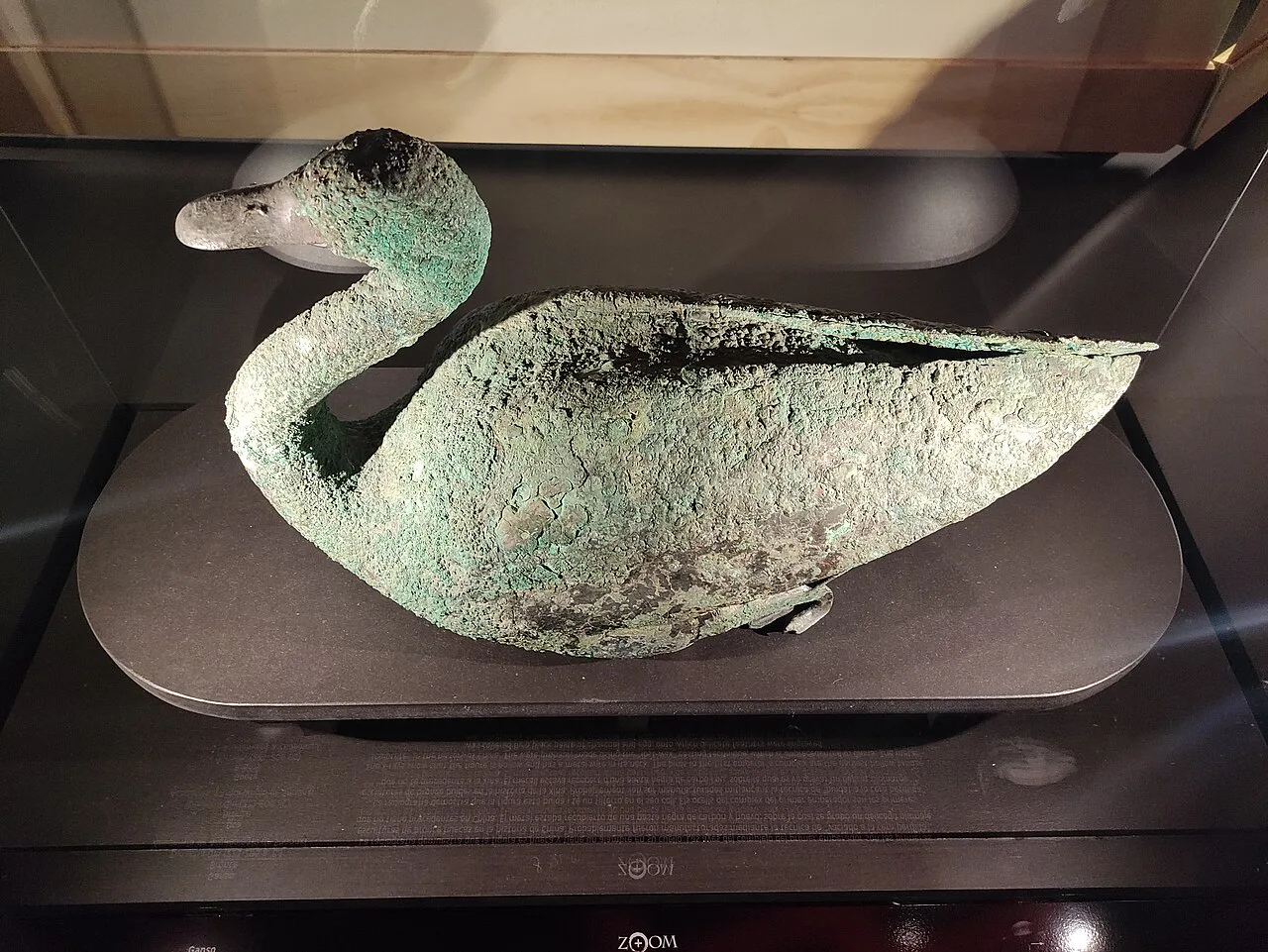
The permanent exhibition is organised around the museum's archaeological collections from the province, presented chronologically and by context so that objects are read as evidence rather than as treasure. Give the rooms your full attention rather than rushing them: the value of a traditional museum lies in the connections between pieces. Most visitors find two hours comfortable for the permanent galleries alone.
Signage and display text are the heart of the experience, so pick up whatever floor plan or leaflet is available at reception and follow the intended route. If your Spanish is limited, ask at the desk what English-language material is on offer that day. There is no shortcut here: the museum rewards reading.
Temporary exhibitions at the MARQ
The museum's programme changes through the year, and travelling exhibitions built from its own collections also tour to other venues in the province. One example is the numismatic show Coins: All the faces of history, staged at the Archaeological Museum of Aspe with more than 150 coins and four reproductions from the MARQ collections, arranged across two areas with audiovisuals on hammer minting and the monetary systems used in the province of Alicante. That show was scheduled to run in Aspe until 8 November; check the museum's news pages for what is currently on in Alicante.
Because the exhibition calendar rotates, a visit planned around a specific show needs confirming close to the date. Look at the temporary exhibitions section of the museum's site before booking travel, and do not assume a display you read about elsewhere is still hanging. This is the single biggest variable in a MARQ visit.

The MARQ's wider network: sites and monuments
Beyond the museum building, the MARQ's name is attached to a set of archaeological sites and monuments across the province, including Lucentum, the Illeta dels Banyets, the rock art at Pla de Petracos and the Cova de l'Or, the Almudaina Tower and the Cava Gran d'Agres. Each has its own access arrangements, and several require planning as a separate trip rather than an afternoon add-on. Read the individual site pages on the official site before committing a day to one.
Lucentum, the Roman site on the edge of Alicante, is the most natural pairing with a city visit, while the others suit travellers with a car and an interest in prehistory or rural monuments. If you are staying in the city without a car, be realistic and choose one site rather than trying to tick off the whole network. Our Alicante Attractions: 6 Visitor Guides covers which city sights deserve a slot alongside the museum.
Tickets, opening times and what to confirm
Ticket prices, reduced rates, free-entry periods and opening hours are set by the museum and published on its website, so check the visit and tariffs pages for the day you plan to go. Do not rely on a figure you saw in an older blog post, and treat holiday periods as a reason to confirm rather than assume. This is also the place to look for any booking requirement for groups or guided visits.
If you want a guided tour or an educational session, the museum's own pages describe what it arranges, including accessibility provisions for visits; confirm availability directly rather than arriving and hoping. For a straightforward independent visit, arriving earlier in the day leaves you more room if a temporary show is busy. Group organisers should make contact in advance through the details published on the site.
How long to allow and when to go
Two hours covers the permanent collection at a reasonable pace, and three hours lets you add a temporary exhibition without rushing. Spanish meal times shape the day: lunch runs from about 1:30pm to 4pm and dinner starts from around 8:30pm to 9pm, so a late-morning museum slot followed by a proper lunch works better than trying to squeeze in a visit between 2pm and 4pm. Morning visits also tend to suit anyone planning an afternoon outdoors.
Alicante summers are hot, which makes the museum a sensible middle-of-the-day stop, while spring and autumn allow you to combine it with a walk afterwards. Rainy days and school holidays are when indoor attractions fill up, so go early if the weather is against you. Allow extra time at the ticket desk on those days.

Nearby things to see in Alicante
The Castillo de Santa Bárbara is the obvious companion sight, a hilltop fortress with views over the city and the sea, best visited when the light is soft rather than at midday in summer. Pair the museum with the castle on a cooler day and you get both the province's deep history and its most photographed viewpoint in one outing.
For food, the Mercado Central de Alicante is the place to see the city's produce laid out and to pick up a snack or ingredients: fish, olives, cured meats and seasonal fruit, with the busiest trade in the morning. Go before lunch rather than after, when many stalls are packing down. It is a market for shopping as much as photographing, so bring cash and a bag.
The Museo de Arte Contemporáneo de Alicante sits near the Plaza de Santa María in the old town, which makes a natural pairing with a walk up to the basilica and its square. Combine the two if you want a day of museums with a few streets of old Alicante in between.
Practical tips for your visit
Check the museum's official site for the current temporary exhibition, opening hours and prices the week you travel, then build the rest of the day around it. Keep the ticket desk and any guided-visit booking in mind if you are travelling as a group. Beyond that, the main preparation is timing: arrive early in the day and leave the afternoon for eating and walking. If you are still deciding how much of your trip to give to museums, our guide to how many days in Alicante compares one, two and three-day plans.
If you have children with you, the audiovisual elements in temporary displays tend to hold attention, but the permanent galleries are label-heavy and reward a shorter, focused visit rather than an exhaustive one. The museum's shop, which lists numismatic material among its offerings, gives you a way to take the subject home.
Plan Your Visit
The MARQ is the right stop in Alicante for anyone who wants the province's archaeology set out clearly and in order, with the option of following it up at the sites the museum also administers. Give it two hours, check the current exhibition and opening hours on the official site, and shape the rest of your day around Spanish lunch and dinner times.
Build the visit into a walk that takes in the old town and the market rather than treating the museum as an isolated stop, and you get a fuller sense of the city. If you have a car and an extra day, one of the outlying archaeological sites is a worthwhile investment of time. Otherwise, keep it simple: museum in the morning, long lunch, castle or market in the afternoon.
Explore more Alicante guides
Frequently Asked Questions
Do I need to book MARQ tickets in advance?
For an ordinary independent visit, booking is usually not necessary, but group visits and guided tours should be arranged directly with the museum. Check the official MARQ website before travelling for any booking requirement that applies to your dates.
How long does a visit to the MARQ take?
Allow about two hours for the permanent collection at a comfortable pace, and up to three if a temporary exhibition is on and you like to read the labels. Add time if you use an audio guide or visit with children.
What is the difference between the MARQ and the archaeological sites it manages?
The MARQ is the provincial archaeology museum in Alicante. It also lends its name and expertise to sites and monuments across the province, such as Lucentum, the Illeta dels Banyets, Pla de Petracos, the Cova de l'Or, the Almudaina Tower and the Cava Gran d'Agres, each with its own access arrangements.
Are the temporary exhibitions included with the main ticket?
The museum publishes its ticket structure on its official site, and temporary exhibitions are normally covered by the museum entry, but confirm on the visit and tariffs pages for the exact show you want to see. The programme changes, so check what is on for your dates.
When is the best time of day to visit the MARQ?
Mornings work well: you avoid the midday heat in summer, finish before the Spanish lunch window of about 1:30pm to 4pm, and leave the afternoon free for the old town or the castle. Rainy days and school holidays are busier, so arrive early.
What else is near the MARQ for a day out in Alicante?
The Castillo de Santa Bárbara, the Mercado Central de Alicante and the old town around the Basílica de Santa María are all easy to combine with a museum visit. The market is best in the morning, and the castle is more comfortable outside the hottest part of the day.