
Castillo de Santa Bárbara: A Visitor's Guide to Alicante's Hilltop Castle
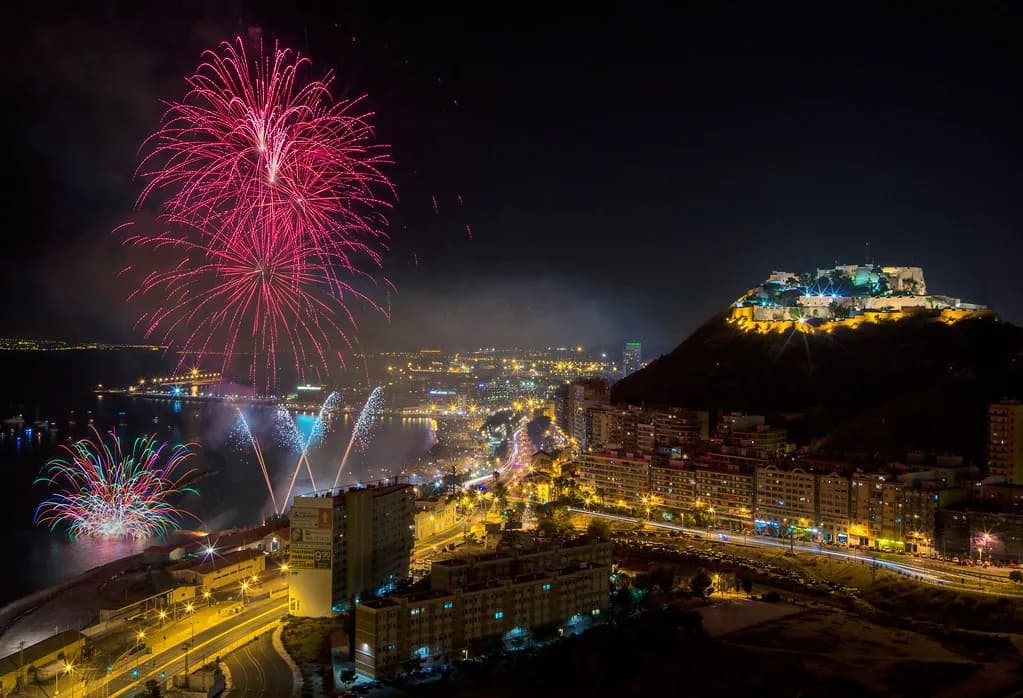
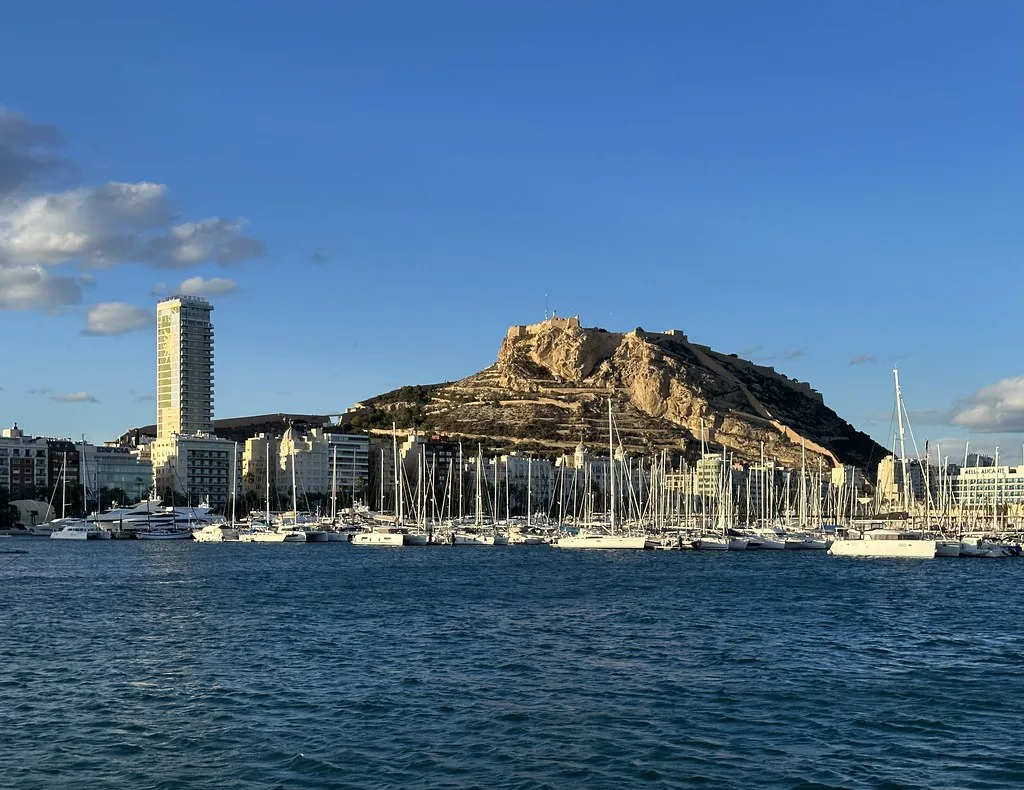
Castillo de Santa Bárbara crowns Mount Benacantil at 166 metres above Alicante's port, and the view from the keep is the reason to go. The fortress has been fought over since the ninth century, and that layered history is what you read in the walls as you walk through. Entry was free in 2023, which makes it the best-value hour or two in the city.
You reach it three ways: a marked walk from the old town, a shuttle bus from Puerta del Mar or the lift inside the mountain from Avenida Juan Bautista Lafora. Each has a different trade-off in effort, cost and time, so pick before you set out rather than at the foot of the hill. If you are still weighing how many days in alicante to set aside, this is one sight worth budgeting a half-day for.
Why the castle is worth the climb
The site has been fortified since the ninth century, when Moorish forces used it to defend both city and port. Castilian troops took it on 4 December 1248, the feast day of Saint Barbara, and the castle has carried her name since. Aragonese forces conquered and partly destroyed it in 1296, and later centuries brought bombardment by the French and a three-year British occupation.
Military importance faded from the eighteenth century, and the castle served spells as a prison. From April 1939 Franco used it as a concentration camp for republican prisoners, and it remained in use until it opened to the public in 1963. Walking the terraces with that chronology in mind turns a viewpoint into a history lesson.
For the wider choice of sights in the city, see Alicante Attractions, and plan the castle as the anchor of a day rather than the whole of it.
Where the castle sits and how to find the entrances
The castle occupies the top of Mount Benacantil, directly above the port of Alicante, so any approach is uphill. On foot, follow the marked route up from the old town. By bus, head for the shuttle stop at Puerta del Mar by the port. By lift, go to Avenida Juan Bautista Lafora, where the lift runs up inside the mountain.
If you drive, there is a marked car park on the slopes up towards the castle, but spaces are very few and fill early. For most visitors the car is a liability rather than a convenience, and the walk, bus or lift removes the problem.
Getting up: walking route, shuttle bus and lift
The walk from the old town is the cheapest and most atmospheric option, and it puts you at the castle gate without depending on anything running on time. It suits cool mornings and anyone with reasonable fitness; in summer heat it is hard work.
The shuttle from Puerta del Mar cost €1.45 in 2023 and saves the climb entirely. Fares and running times change, so confirm both at the port stop or on the castle's own website before you build a day around it.
The lift inside the mountain from Avenida Juan Bautista Lafora is the fastest way up and the kindest on knees, though it lands you high on the hill rather than at the old-town end. Whichever you choose, the descent on foot through the old town is a good way to finish.
Tickets and opening hours
Entry was free in 2023, when the castle kept long daily hours that shifted with the season: roughly 10am to 6pm in midwinter, to 8pm in spring and autumn, and to 11pm in high summer. Treat those as a guide to the pattern rather than a promise, and check the day's times on the castle or city tourism website before you set off.
A late-afternoon slot in summer gives you cooler air and the evening light over the harbour, and the long summer closing makes it easy to fit the castle around a late lunch. Time your descent before the gates shut rather than cutting it fine.
The fortress itself: walls, keep and the view
The keep was built to watch everything happening at sea and on land, and it still does that job for visitors. From the upper terraces you look over the port, the city rooftops and the coast, which is why the castle earns its place on a short Alicante itinerary.
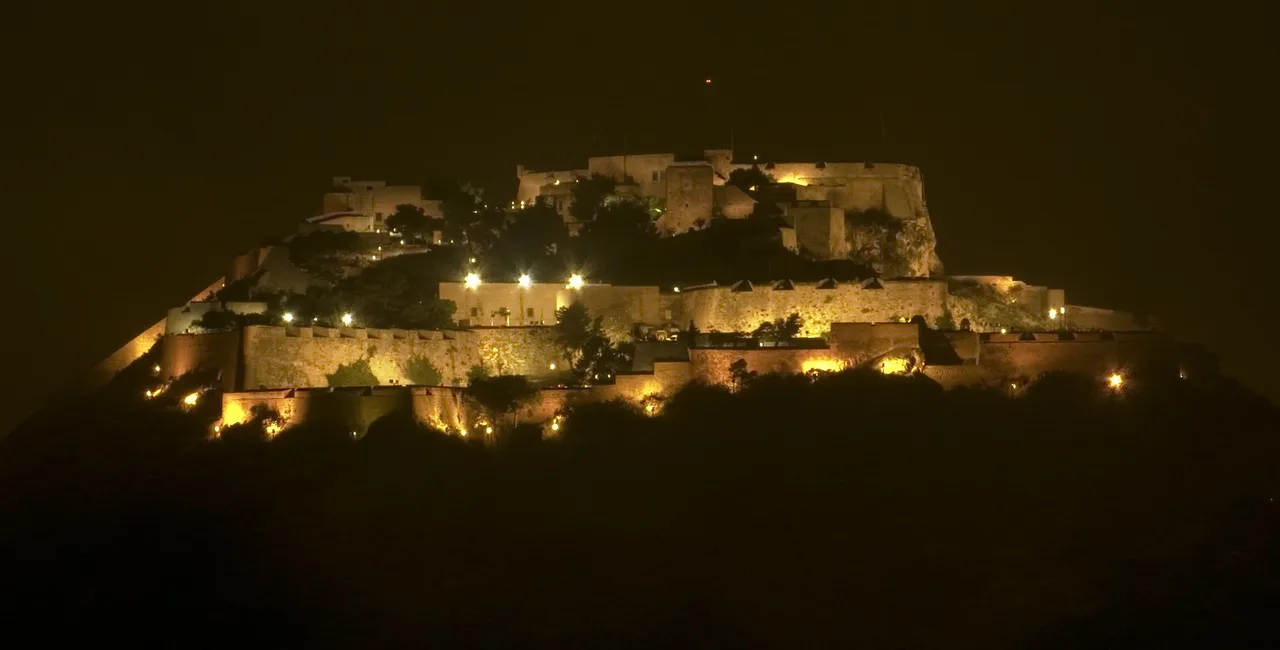
The walls themselves repay a slow circuit: you can trace the layers of Moorish, Castilian and later rebuilding, and the damage from the 1296 siege and subsequent attacks. Give the ramparts and terraces at least an hour before you think about the museum.
The museum inside the castle grounds
A museum within the castle area explains how the fortress was used in earlier times, from garrison to prison to concentration camp. It is small enough to fit into the same visit, and it makes sense to see it after you have walked the walls so the displays have context.
Galleries and rooms can close for maintenance without notice, so ask at the ticket desk what is open on the day. Allow a further half-hour for the museum if you read the panels properly.
Eating and resting inside the walls
Recreation areas have been laid out inside the castle walls, with restaurants and kiosks, plus places where you can eat and drink your own food. That makes the castle one of the few major sights in Alicante where a picnic is straightforward.
For a proper sit-down meal, come down to the city: the Mercado Central de Alicante is the place to graze on local produce at lunch, which in Spain runs from about 1.30pm to 4pm.
How long to allow and when to go
Two hours covers the climb or lift, the walls, the keep and the view at an unhurried pace; add half an hour for the museum and more if you picnic. The walking route alone is a moderate 2.3 km round trip, so build that into your timing.
Go early in the morning or late in the afternoon in summer, when the stone has had time to cool and the light is better for photographs. Midday in July and August is punishing on the exposed terraces, and there is little shade on the upper levels.
Access notes for wheelchairs and prams
The castle site suits wheelchairs and prams, which makes it one of the more accessible historic sites in the region. The lift inside the mountain removes the climb for anyone who cannot manage the path.
The cobbled old-town approach is the tricky part, so pair the lift with a short taxi or bus ride if mobility is limited. Ask at the lift entrance about step-free routes to the upper terraces on the day.
Nearby: old town, port and the beach below
Coming down, the old town is the natural continuation, with the Basílica de Santa María and the surrounding streets at the foot of the hill. Allow time to wander rather than heading straight back to the hotel.
For a different kind of afternoon, the MARQ Museum covers Alicante's archaeology indoors and pairs well with the castle's chronology. The port and the beach below the castle close the loop on foot. If you would rather spread the city's sights across several days, our Alicante Neighborhoods guide shows where each area sits, and How Many Days in Alicante? 1, 2 or 3 Days Compared helps you decide how long to stay.
If you want a green escape after the stone, El Palmeral offers palms and shade a short ride from the centre.
Practical mistakes to avoid on a first visit
The commonest error is driving: parking on the access road is very limited, so take the shuttle, the lift or your feet. The second is arriving at midday in summer without water. The third is treating the castle as a quick photo stop when the walls and museum deserve a half-day.
Check the day's opening hours before you climb, since seasonal times change and a closed gate at the top wastes the effort. A quick look at the castle website or a call to the tourist office settles it.
Plan Your Visit
Castillo de Santa Bárbara delivers the best view in Alicante, a compact dose of Spanish history and room for a picnic, all for the price of getting up the hill. Choose your ascent — walk, shuttle or lift — and give it two to three hours.
Build the rest of the day around the old town below, with lunch at the market and an afternoon in a museum or on the sand. That combination covers the city's history, food and coast in a single loop.
Explore more Alicante guides
Frequently Asked Questions
Is Alicante castle worth visiting?
Yes, if you go for the view and the history rather than a theme-park day out. The keep looks over the port, the city and the coast, the walls show centuries of rebuilding, and there is a museum and picnic space inside the grounds. Two to three hours covers it well.
How do you get up to Santa Bárbara Castle?
You have three options. Walk the marked route up from the old town, take the shuttle bus from Puerta del Mar by the port, or ride the lift inside the mountain from Avenida Juan Bautista Lafora. Driving is the weakest choice because parking on the access road is very limited.
Is there a lift up to the castle in Alicante?
Yes. A lift runs up inside Mount Benacantil from Avenida Juan Bautista Lafora, which is quicker and easier on the legs than the path. It lands you high on the hill rather than at the old-town end, so plan your descent accordingly.
Is Santa Bárbara Castle free to enter?
Entry was free in 2023. Any current charge, and the seasonal opening times, are published by the castle and by Alicante's tourism office, so confirm before you set out.
Can you walk up to the castle from the old town?
Yes. A marked route climbs from the old town to the castle gate, and it is the most atmospheric way up. The round trip on that trail is 2.3 km and moderate, so start early in summer and carry water.
How long does it take to visit Castillo de Santa Bárbara?
Allow around two hours for the ascent, the walls, the keep and the view. Add half an hour for the museum and longer if you picnic on the terraces, which are exposed and worth savouring in the evening light.
Are there restaurants inside the castle?
Yes. Recreation areas inside the walls include restaurants and kiosks, and there are designated spots where you can eat and drink your own food. For a fuller meal, head down to the Mercado Central de Alicante at Spanish lunchtime.