How Many Days in Alicante? 1, 2 or 3 Days Compared
Two full days covers Alicante's castle, old town and beach; three adds a day trip to Santa Pola, Tabarca or Guadalest. Here is what fits, and what to skip.
On this page
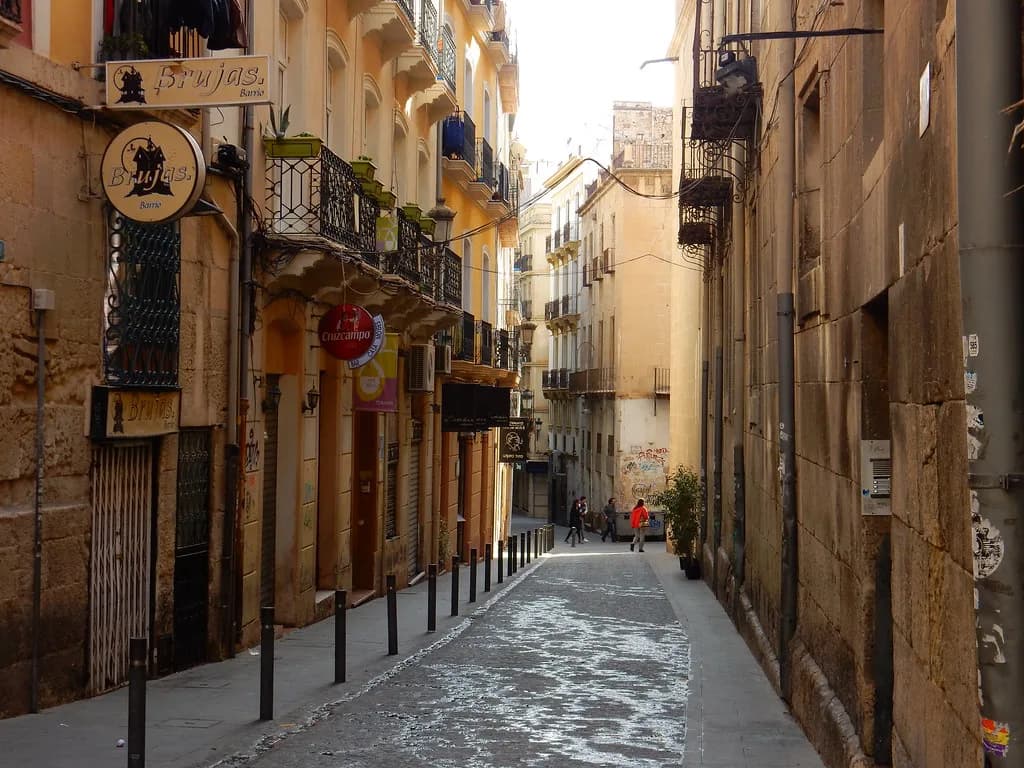
Two full days cover Alicante properly. Day one takes in Santa Bárbara Castle on Mount Benacantil, the white lanes of Barrio de Santa Cruz, La Ereta Park and the Explanada de España, and day two gives you Playa del Postiguet or the seven kilometres of sand at Playa de San Juan.
Add a third day only if you want to leave the city. Santa Pola, Tabarca, Guadalest, Elche, Altea and Dénia are all realistic excursions, but each one eats a whole day, so a three-day trip with a day out leaves you with the same two city days and a lot more driving.
One day is workable but tight: you can climb to the castle, walk the old town and reach the beach, and nothing else. Alicante rewards a slower pace than that, largely because lunch runs from about 1.30pm and dinner rarely starts before 8.30pm.
What one day in Alicante covers
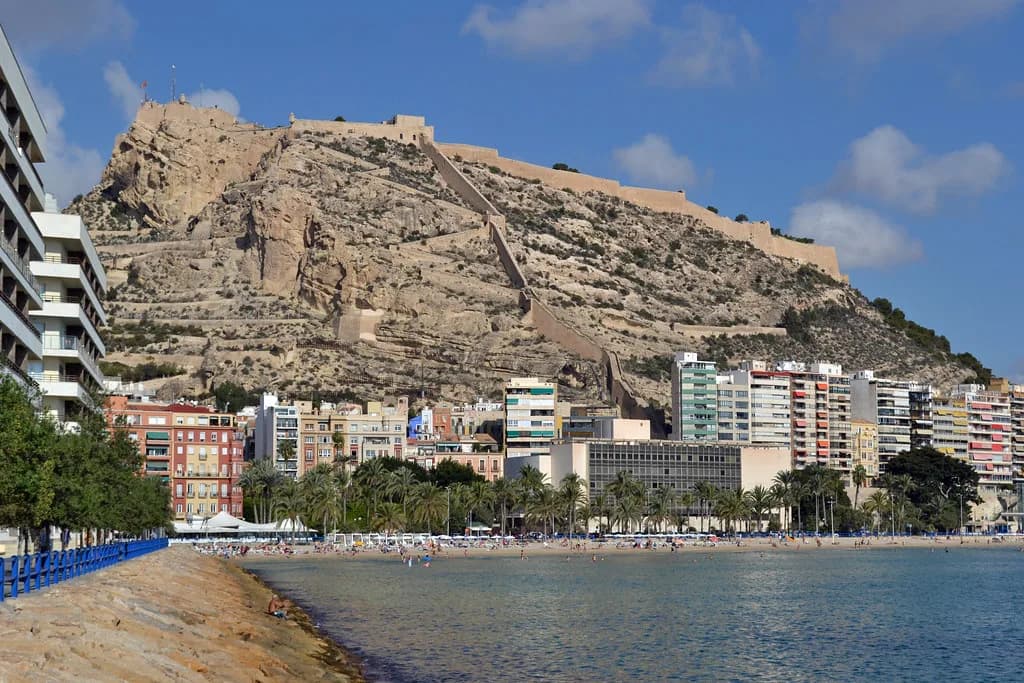
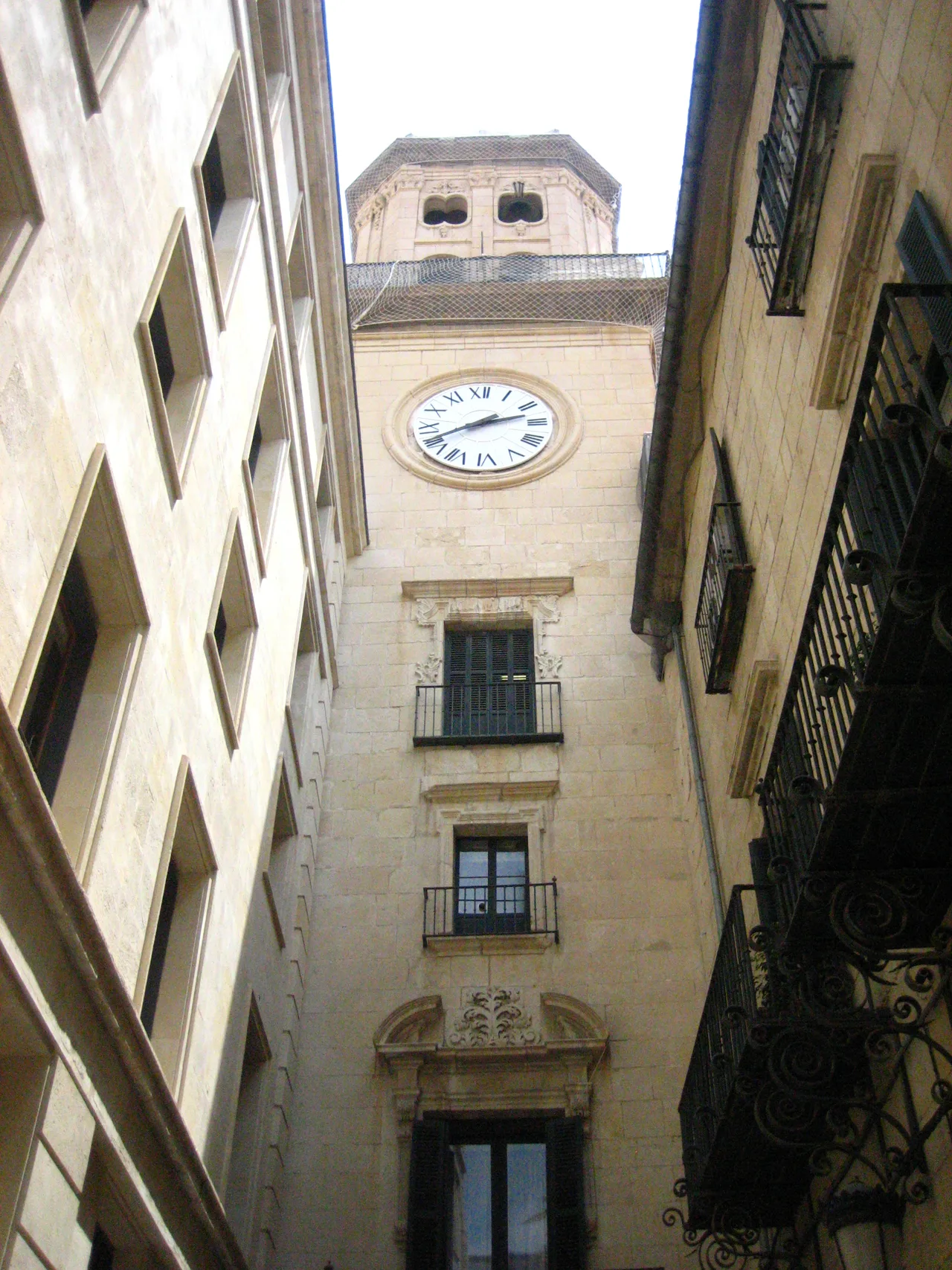
A single day belongs to the centre. Start at Santa Bárbara Castle, which sits at 166 metres on Mount Benacantil with views over the whole city; entry is free and you can reach it by car, on foot or by lift. Come down through La Ereta Park at the foot of the castle, then walk the lanes of Barrio de Santa Cruz in the old town.
Finish on the Explanada de España, the palm-lined promenade running more than 500 metres from Playa del Postiguet to Canalejas Park, with its red, blue and white marble paving and the Casa Carbonell facing it. Postiguet itself is the urban beach at the end of the walk, white sand and busy, and it doubles as your swim stop. If you only have one day, a structured plan helps; our one-day route keeps the walking sensible.
What two days add: Santa Cruz, La Ereta Park and the Explanada
Two days let you split the city instead of racing it. Give the first morning to the castle and the old town, when the light on the white houses of Santa Cruz is at its best and the climb is cooler, and keep the afternoon for the Explanada and a swim at Postiguet.
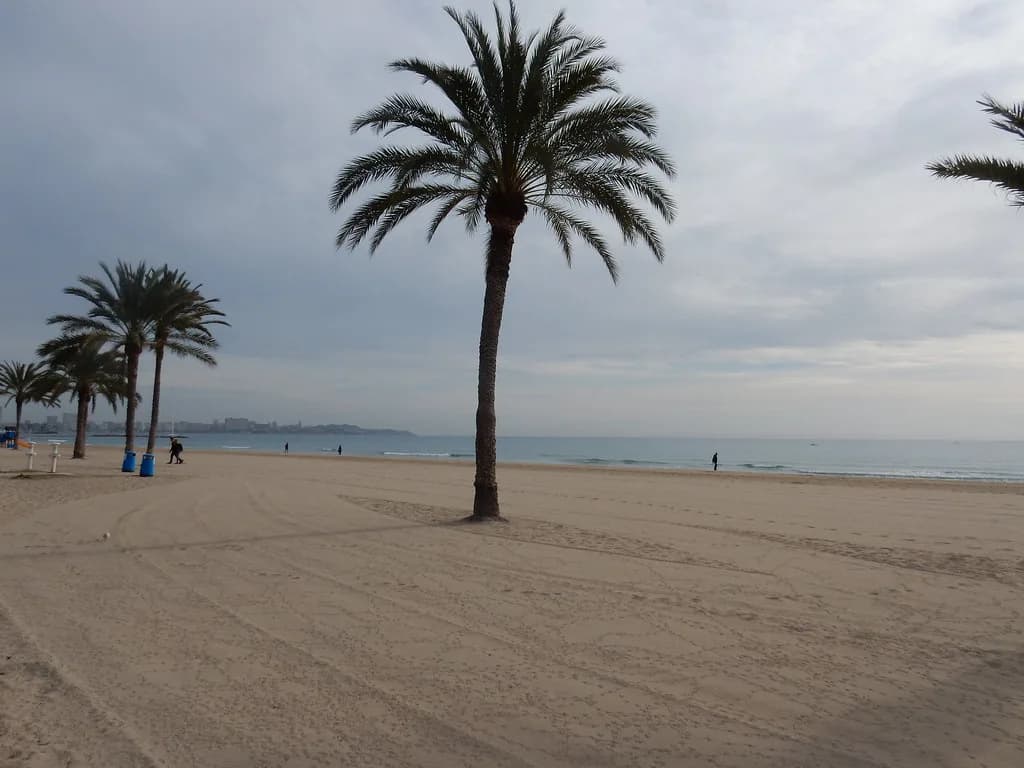
The second day is the beach day. Playa de San Juan stretches for seven kilometres of white sand and is the better choice if you want space, while Postiguet wins on convenience because it sits right under the city. The trade-off is noise: the central beach backs onto main roads, so it feels less relaxed than the beaches outside town.
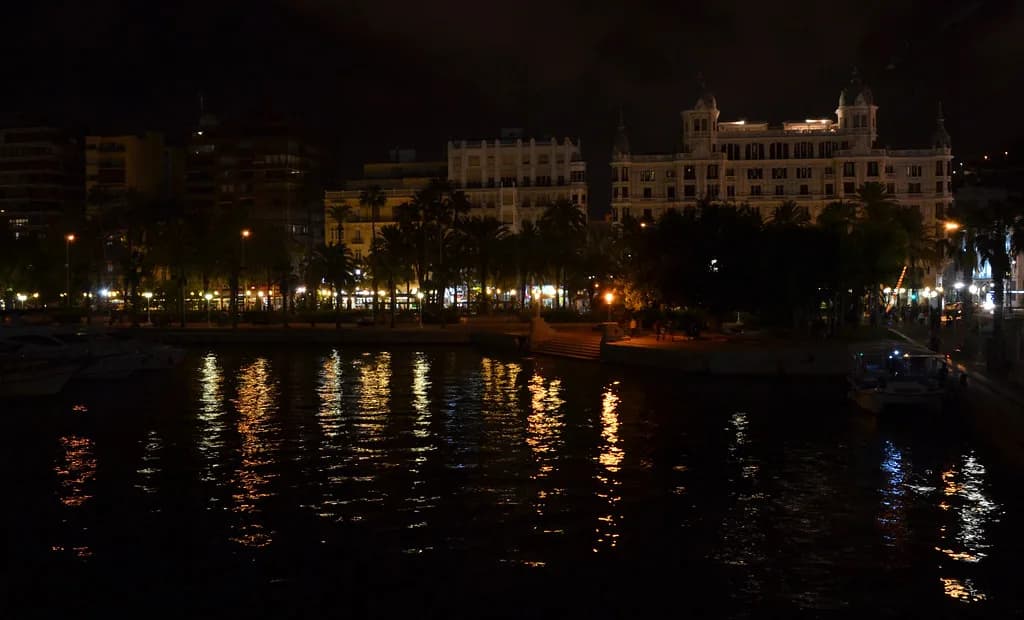
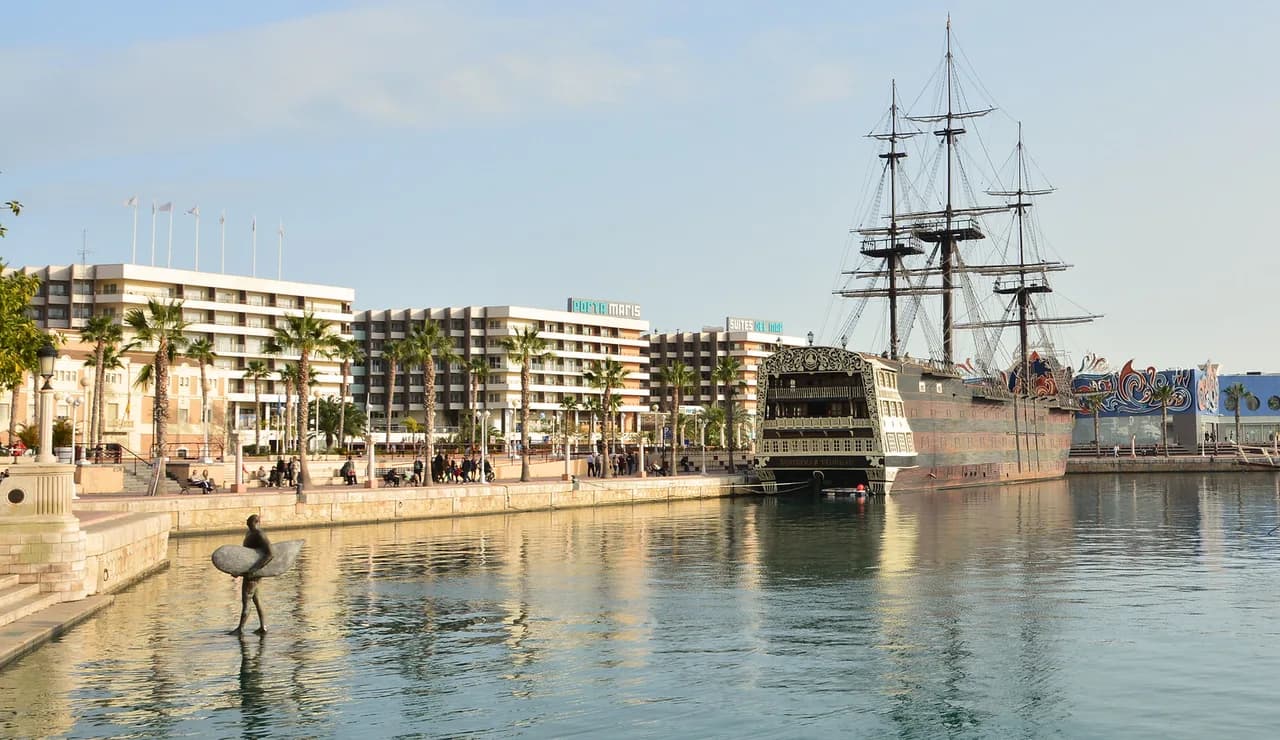
Use the evening for the seafront promenade beside the port, more than a kilometre of walkway where you can sit with a drink, or for a slow dinner after 8.30pm. Two days also leave room for a proper lunch, which is where the city gives best value: the menú del día arrives as starter, salad, main and dessert or coffee, and it is served from around 1pm.
What a third day adds: Santa Pola, Tabarca or Guadalest
The third day is a choice between four different outings. Head south to Santa Pola for its salt flats, a 2,470-hectare natural area of salt pans, ponds, beaches and dunes, with a salt museum inside an old salt mill explaining the history and uses of the trade. From Santa Pola you can continue to Tabarca, eight kilometres offshore and the only inhabited island in the Valencian Community, with clear water over a marine reserve.
On Tabarca, order caldero, the local rice dish cooked down in a heavy pan; it is the island's signature and worth the trip on its own. Inland instead, Guadalest gives you a ruined castle and bell tower above a cobalt reservoir, though it is popular and can feel crowded. Elche, the palm city, is the quietest option: the palm garden is peaceful through the siesta hours, and the Basilica de Santa Maria and archaeology museum fill an easy half day.
If you would rather stay in the city, use the extra day for the Canelobre Caves in the Cabeço d'Or, 24 kilometres from Alicante and 700 metres above sea level, where one of the highest cave vaults in Spain is also used for concerts. Font Roja Natural Park suits walkers, with oak and ash forest and old lime kilns and snow pits to spot along the trails.
Should you stay longer? Who benefits from four or more days
Four or more days make sense if you are travelling as a family, if you want two excursions rather than one, or if you are mixing beach days with city days. A week based in the area comfortably covers Alicante itself, El Campello, Altea, Dénia and Elche without rushing any of them.
A longer stay also lets you absorb the local rhythm rather than fight it. Shops and museums in the region can close for lunch between roughly 1pm and 5pm and reopen until around 9pm, and outside the cities towns do not stir until 9 or 10am; plan sightseeing around those windows instead of cursing them.
If your trip is part of a wider Spanish loop and you are weighing a second Catalan city, our guide to how many days in girona uses the same day-count logic. Alicante is easier to fill than people expect, but it is a base city, not a checklist city.
Alicante with kids: beach-based days and shorter excursions
For families, two or three days based on a beach works better than a city-centre schedule. El Campello, about 20 minutes by car from Alicante airport, has a quiet sandy beach and an almost car-free promenade lined with shops and restaurants, which is far easier with small children than the central Postiguet beach.
Keep excursions short. The castle is free to enter and a hit with children, though signage is thin, so explain as you go; Tabarca is only three streets wide with shallow, clear water where fish are easy to see, which is a better bet than a long coach day.
Eating early is the main practical hurdle. Kitchens typically open for dinner around 8pm or 8.30pm, so a hungry five-year-old needs a café stop for pastries and coffee in the late afternoon rather than a restaurant at six. The evening fish auction at La Lonja in El Campello, which runs around 6pm, is a free spectacle worth catching if you are nearby.
When to go and how the season changes your plan
Late April in the Alicante area brings about 20 degrees, breezy and mostly sunny with occasional rain, and locals consider it cold. That is excellent walking weather for the castle and the old town, but the sea is a bracing swim rather than a comfortable one.
High summer changes the shape of a trip: beach time moves to morning and late afternoon, and the middle of the day belongs to shade and lunch. If your dates fall in alicante in august, plan around heat and crowds rather than trying to tick off every sight.
Shoulder months often give the best balance of warm sea and comfortable sightseeing, and September in particular keeps the water swimmable while the promenade stays pleasant. Whichever month you choose, build the day around a long lunch and a late dinner rather than the reverse.
Spanish meal times and how they shape your days
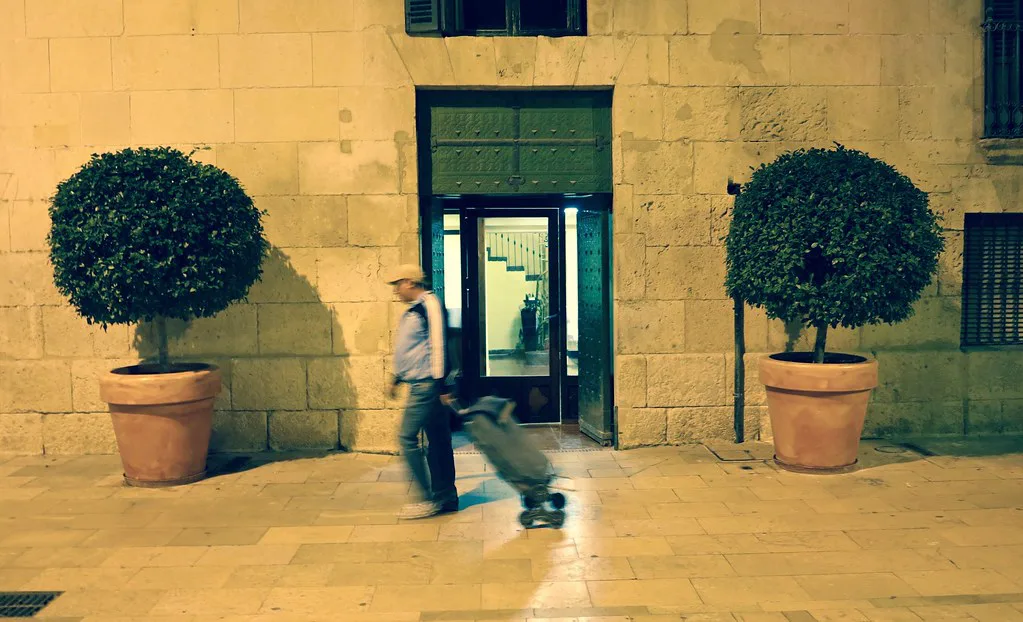
Lunch is the anchor of the day, served from around 1pm to mid-afternoon, and the menú del día is the best-value way to eat it. Dinner is late: most restaurants do not open their kitchens until about 8pm, and sometimes 8.30pm, so a 7.45pm arrival may mean sitting with cold tapas and waiting.
If you want to eat before 1pm, look for cafés serving pastry and coffee all day instead of restaurants. Build your sightseeing into the 1pm to 4pm lunch window and the 5pm to 8.30pm gap, and you will never be stranded hungry at the wrong hour.
Where to base yourself and getting around
Base yourself in central Alicante if you want the castle, old town and beach on foot, and accept that street parking is close to impossible in both Alicante and El Campello. If you hire a car for day trips, book a paid garage in advance rather than circling narrow one-way streets.
A car is a genuine asset for Santa Pola, Guadalest, Font Roja and the Canelobre Caves, but it is a liability inside the city. Trains between towns are well developed and convenient, so a car-free city stay with one or two organised excursions is a sound compromise.
Beach-first travellers should look at El Campello or Playa de San Juan instead of the centre, and day-trippers heading south can consider Santa Pola as a base for Tabarca. Our Alicante itinerary maps the walkable core so you can see how little transport two city days actually need.
Common planning mistakes
The biggest error is over-scheduling. Alicante is compact and its pleasures are slow ones: a castle view, a long lunch, a swim, a late stroll along the Explanada, so cramming three monuments into a morning misses the point.
The second is treating the region as one place. Santa Pola, Guadalest, Elche and Tabarca each sit in different directions, and driving between them in a single day leaves no time to enjoy any of them. Pick one excursion per day and stay put.
The third is arriving at a restaurant at the wrong hour, or expecting the town to be awake at 9am. Match your day to Spanish timings, and check the current opening days of any specific place you have set your heart on before you set out.
Plan Your Visit
Two full days is the honest answer for most visitors, with a third added only for a single day trip. If you have one day, keep it central; if you have three, spend the extra on Santa Pola and Tabarca or on Guadalest, not on a second castle visit.
Book a garage if you are hiring a car, plan lunch for 1.30pm and dinner for 8.30pm or later, and leave room for the beach. Confirm current opening days and excursion departures before you travel, since these shift with the season.
Explore more Alicante guides
Frequently Asked Questions
How many days in Alicante is enough?
Two full days cover the city comfortably: Santa Bárbara Castle, Barrio de Santa Cruz, La Ereta Park, the Explanada de España and a beach afternoon at Playa del Postiguet or Playa de San Juan. Add a third day only if you want a day trip to Santa Pola, Tabarca, Guadalest or Elche.
Is 2 days in Alicante enough?
Yes, for the city itself. Two days let you split the visit into one day of castle and old town and one day of beach and promenade, with time for a proper lunch on both. What two days do not include is the wider Costa Blanca, so choose whether the city or the region matters more to you.
Is Alicante worth visiting for a week?
A week works if you treat Alicante as a base rather than a single destination. Alicante, El Campello, Altea, Dénia, Elche, Tabarca and the mountain parks and caves are all reachable, and a week gives you the time to combine beach days with city days without rushing.
What can you do in Alicante in 3 days?
Spend day one on the castle, Santa Cruz and the Explanada, day two on the beach and a long lunch, and day three on an excursion. Santa Pola and Tabarca make the strongest pairing, while Guadalest and Elche suit travellers who prefer mountains, reservoirs and palm gardens to the sea.
Is Alicante good for families?
Yes, with the right base. Quieter El Campello, about 20 minutes from the airport, has a sandy beach and an almost car-free promenade that suit small children better than the central Postiguet beach. Keep excursions short, and plan an afternoon café stop because dinner starts late.
What is the best month to visit Alicante?
Late spring and early autumn give the best balance, with comfortable walking temperatures and a sea that is warm enough for most people. High summer means early beach starts and long shaded lunches, while April can be breezy and occasionally wet even though it is mostly sunny.
Do I need a car in Alicante?
Not for the city, where the castle, old town and beaches are walkable. A car helps for Santa Pola, Guadalest, Font Roja and the Canelobre Caves, but street parking in Alicante and El Campello is very difficult, so book a paid garage in advance if you hire one.
What time do restaurants open for dinner in Alicante?
Kitchens generally open around 8pm, sometimes 8.30pm, so arriving at 7.45pm may mean waiting over cold tapas. Lunch is the easier meal, served from around 1pm, and the menú del día is the best-value option.
Sources
Notes for eating well in Spain
Optional updates to our guides.
You might also like
Continue reading
More guides you'll find useful