
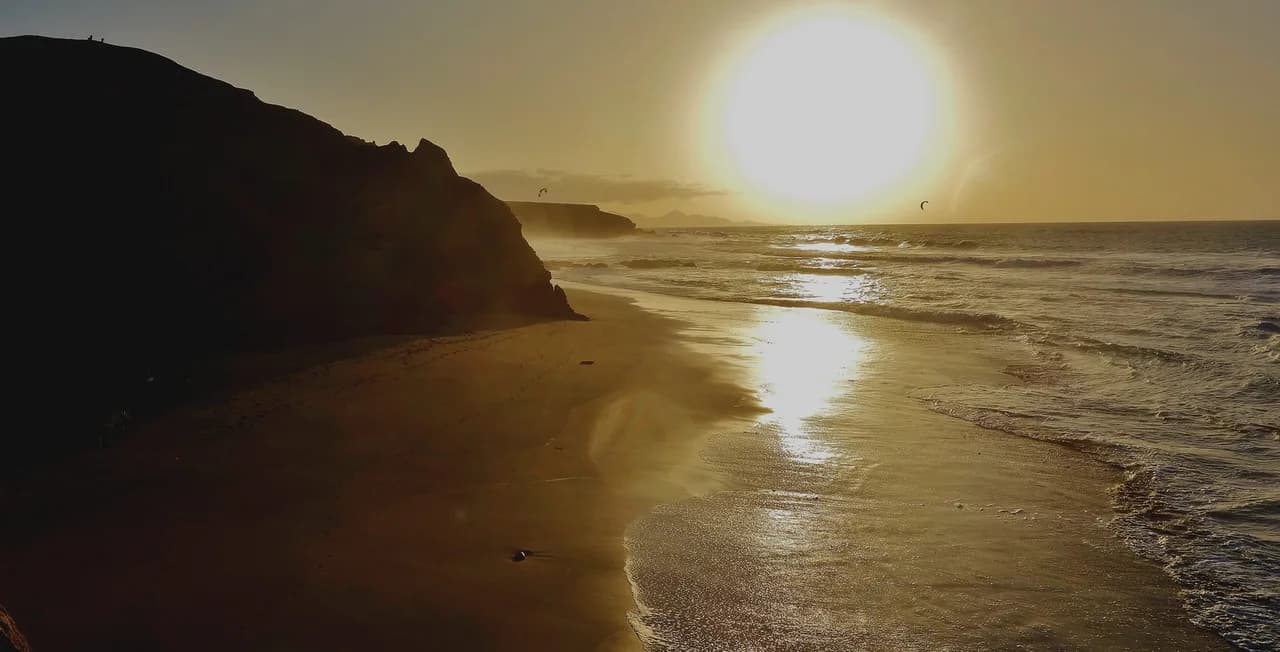
Lobos Island: A Day Trip from Corralejo
Lobos Island is a 467-hectare natural park in the municipality of La Oliva, separated from northern Fuerteventura by around two kilometres of water. It is uninhabited, with no accommodation, and the crossing from Corralejo takes about 15 minutes. The first decision is not the ferry but the access permit, which shapes whether the trip happens at all.
Treat it as a half-day rather than a full-day plan: the island can be explored in a few hours, so the boat timetable, not the walking, sets the pace. Base yourself in Corralejo and you are at the harbour in minutes.
What Lobos Island is
This is a small isle north of Fuerteventura with habitats in remarkable condition, and many of its plant species are protected. It sits within the township of La Oliva and holds exclusive species and endemics, including Limonium ovalifolium canariensis. The landscape is unique and representative of Canary geology and geomorphology.
Because it is a protected natural park rather than a resort island, the appeal is the scenery and the quiet: turquoise, clear water, a small fishing village and paths rather than facilities. Go expecting a wild place and you will read the day correctly. For the wider set of island sights, see the Fuerteventura Attractions: 4 Visitor Guides.
The Natural Park of Lobos Island is an almost virgin, uninhabited place, and that status is exactly why access is controlled. Plan the permit first and the rest of the day falls into place.
Where it sits and why Corralejo works as a base
The island lies off the north coast of Fuerteventura, and the proximity is striking: only 15 minutes by boat takes you from Corralejo to Lobos Island. From Lanzarote the day trip is also common, but the shortest and most straightforward approach is from the Fuerteventura side.
Corralejo puts you beside the harbour and beside the Corralejo dunes, so you can pair the boat with a walk on the sand in the same day. The Parque Natural de Corralejo is the obvious after-landing stop on the north coast, and it is one of the highlights covered in our things to do in Fuerteventura guide.
If you are weighing up where to sleep, Corralejo's harbour location makes an early boat realistic without a long drive. Our Fuerteventura Neighborhoods: 3 Area Guides sets out the alternatives.
Getting there: the boat from Corralejo harbour
Several companies operate on the quay in Corralejo, where you can buy a ferry ticket and cross to Isla de Lobos under your own steam. That self-guided route suits travellers who know what they want from the island and are happy to organise the day themselves.
The alternative is a guided excursion, which is the more feasible option if you do not know the island and want to worry only about enjoying the setting. Excursions can bundle drink, food and water activities such as snorkelling into a day out.
The trade-off is control versus convenience: buying on the quay leaves you free to pick your return boat, while a package removes the planning but fixes your day to someone else's timetable. Whichever you choose, the access permit is mandatory.
The access permit: sort it a week ahead
Since 2019 it has been mandatory to hold an access permit for Lobos Island, and you must request it at least one week in advance. That single rule should drive your planning: pick your day, then apply, rather than turning up at the quay and hoping.
A same-day round trip by boat is the standard pattern because there are no accommodations on the island. Book the crossing and the permit as one decision so the dates match.
Arriving: the village and the information point
Once ashore, you can visit the small fishing village and the natural spa, where information is provided about the flora and fauna of the island. That makes the information point a sensible first stop, before you commit to a route.
From there the island opens up: activities around the Natural Park and the subsequent visit to the village fill a morning or an afternoon comfortably. Keep the village and the information point as your anchor, then walk out from them.
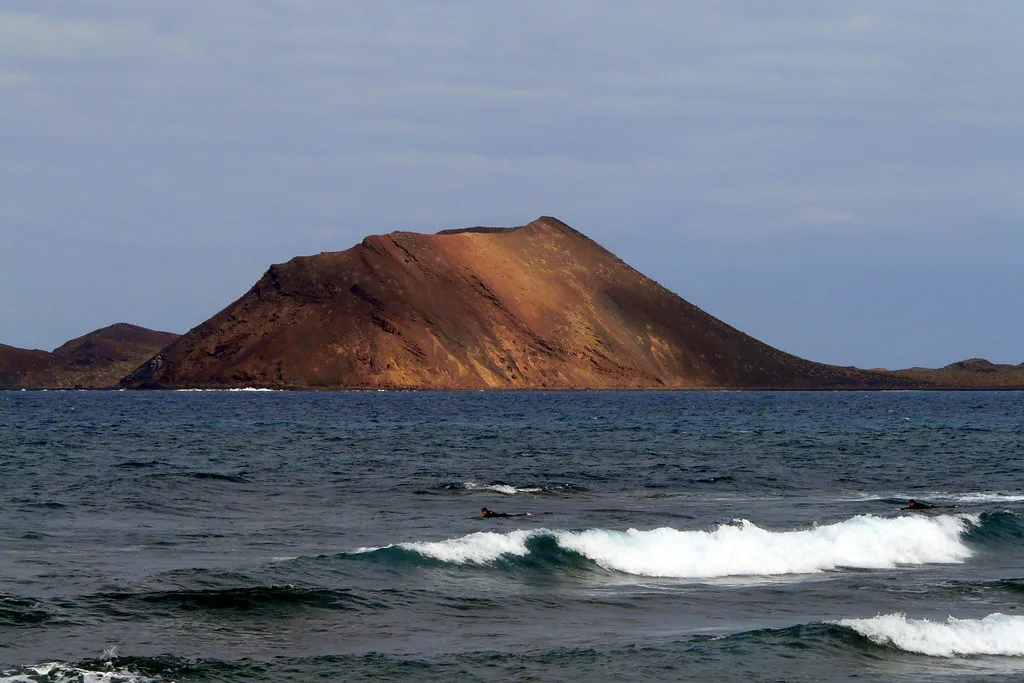
Playa de la Concha: the sheltered swim and picnic stop
Playa de la Concha is the beach to aim for, a spot for a small picnic and for taking in the views from the sand. The water around the island is famously clear and turquoise, which is the reason most people make the crossing.
Bring what you need for the beach with you, since the point of the island is that it is unspoiled and without the trappings of a resort. A picnic and water in your bag make the half-day easy.
The island also has a couple of nice beaches beyond the main one, so a short walk gives you a quieter patch of sand.
Walking the island: how long to allow
The island can be easily explored in a few hours, which is the honest scale of the place. Aim for a half-day ashore and you will see the village, the information point, the beach and a stretch of path without rushing.
The walking is the point rather than a means to an end: paths across a small, rugged island with protected plants and open views. Build your day around your return boat and leave a buffer so the timetable does not dictate a sprint.
Wildlife and plants
Gulls and stone curlews are the birds you are most likely to notice, while the invertebrate fauna stands out, especially the coleoptera. Many of the park's plant species are protected today, and some grow nowhere else.
This is a place to look rather than collect: staying on the paths protects the endemics that give the reserve its value. A few hours of slow walking with binoculars or a camera rewards more than a circuit at speed.
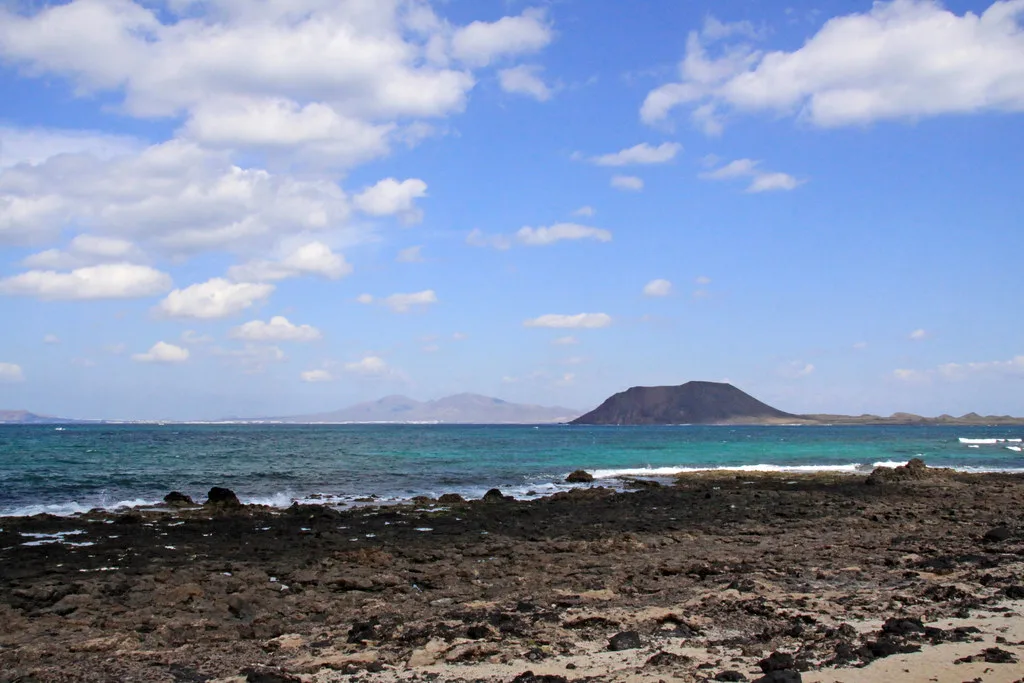
What to bring and how to pace the day
Pack for a beach and a walk in one: water, food for a picnic, sun protection and footwear you can walk in. The island has no accommodation and a limited footprint, so self-sufficiency is the practical approach.
Pace the day against the boat rather than the clock on your phone: decide your return crossing when you land, then work backwards to the beach and the village. A guided excursion sets this rhythm for you, with food, drink and snorkelling folded in.
What is nearby after you land
Back in Corralejo, the dunes of the Parque Natural de Corralejo are the natural continuation of the day, a short hop from the harbour. Inland, Betancuria, Fuerteventura's old capital in the Macizo de Betancuria, makes a contrasting day of whitewashed streets and island history. For the sand and villages closer to the north coast, see our things to do in Fuerteventura guide. Either way, our Fuerteventura Neighborhoods: 3 Area Guides shows which base makes these day trips easiest.
If you have more time on the island, Montaña de Tindaya is home to petroglyphs and is one of the richest archaeological areas in Fuerteventura. It sits inland near La Oliva and pairs well with a slower second day.
For the wider menu of boat trips, walks and sights, our things to do in Fuerteventura guide covers the options beyond the north coast, and if the dunes and harbour at Corralejo tempt you to stay, see the Fuerteventura Neighborhoods: 3 Area Guides for where to base yourself.
Practical checks before you go
Confirm your permit and your crossing for the same date, and check the current boat timetable with the operator on the quay in Corralejo before you travel. Prices, sailing times and permit arrangements change, so verify them directly rather than relying on an old page.
The reserve's own contact details are published by the park authority if you need to check access rules. The island belongs to the town of La Oliva, and the La Oliva tourist office can confirm current arrangements.
Plan Your Visit
Lobos Island rewards a simple plan: request the permit at least a week ahead, buy or book your crossing from Corralejo, and give yourself a few hours ashore for the village, the information point and Playa de la Concha. It is a half-day, done well.
Pair it with the dunes on your return and keep a second day for the island's interior. Check the current timetable and permit rules before you set out, then let the boat set the pace.
Frequently Asked Questions
Is Lobos Island inhabited?
No. The island has no accommodation, and visitors make a same-day round trip by boat. It is a protected natural park in the municipality of La Oliva.
How do you get to Lobos Island from Fuerteventura?
Take a boat from the quay in Corralejo, which takes about 15 minutes, or join a guided excursion that includes the crossing. There are several companies operating from the Corralejo quay.
Do you need a permit to visit Lobos Island?
Yes. An access permit has been mandatory since 2019 and must be requested at least one week in advance. Arrange it before booking your crossing so the dates match.
How long does the boat take from Corralejo to Lobos Island?
Around 15 minutes from Corralejo to Lobos Island. The crossing is short, so the day is shaped by the permit and the return timetable rather than by travel time.
Is there a beach on Lobos Island?
Yes. Playa de la Concha is the main beach, good for a picnic and a swim, and the island has a couple of other small beaches reached on foot.
How much time do you need on Lobos Island?
A few hours is enough to explore the island. Plan a half-day ashore covering the fishing village, the information point, the beach and a stretch of path.
What is there to see on Lobos Island?
The small fishing village, the natural spa with information on the island's flora and fauna, Playa de la Concha, walking paths, and wildlife including gulls and stone curlews.
What is nearby after a visit to Lobos Island?
The Parque Natural de Corralejo dunes are close to the harbour in Corralejo. Inland, Betancuria and the petroglyphs at Montaña de Tindaya make contrasting days out.