
Girona Art Museum: What to See Inside the Episcopal Palace

The Girona Art Museum, the Museu d'Art de Girona, occupies the former Episcopal Palace next to the cathedral at the top of the old town. It holds the strongest art collection in the region, running from early Romanesque work through to the 20th century, with the Gothic altarpieces in the old throne chamber as the reason to come. Treat it as one stop on an uphill loop with the cathedral, the Arab Baths and the walls rather than a separate outing.
Where the museum sits in the old town
The museum stands in the Episcopal Palace, the bishops' residence pressed against the cathedral on the high ground of the Força Vella. That position puts it at the end of the climb from the river, above the Jewish Quarter and below the start of the medieval walls. Everything here is pedestrian, cobbled and steep in places, so you reach it on foot rather than by car.
Plaça de la Catedral is the square at the foot of the great baroque stairway, and the museum entrance is beside it. If you are using the cathedral as your landmark, arrive by the steps and the palace is immediately to hand. For the wider layout of the old town and the rest of its sights, the guide to Girona Attractions maps out how the pieces fit together.
Getting there from the Onyar and the station
From the Onyar river, cross one of the bridges into the old town and follow the lanes uphill towards the cathedral; the walk from the riverside takes about ten minutes at an easy pace, though the final stretch is steep. Trains from Barcelona run to Girona in under an hour, and the station is roughly a ten-minute walk from the historic centre.
If you arrive by bus, you are likely to be dropped by the river near Pont de Sant Feliu, which makes a natural start to the climb. From there the route passes the Basilica de Sant Feliu before the gradient stiffens towards the palace. Walk it in the morning if you want the lanes quieter and the museum fresher in your legs.
What the collection covers
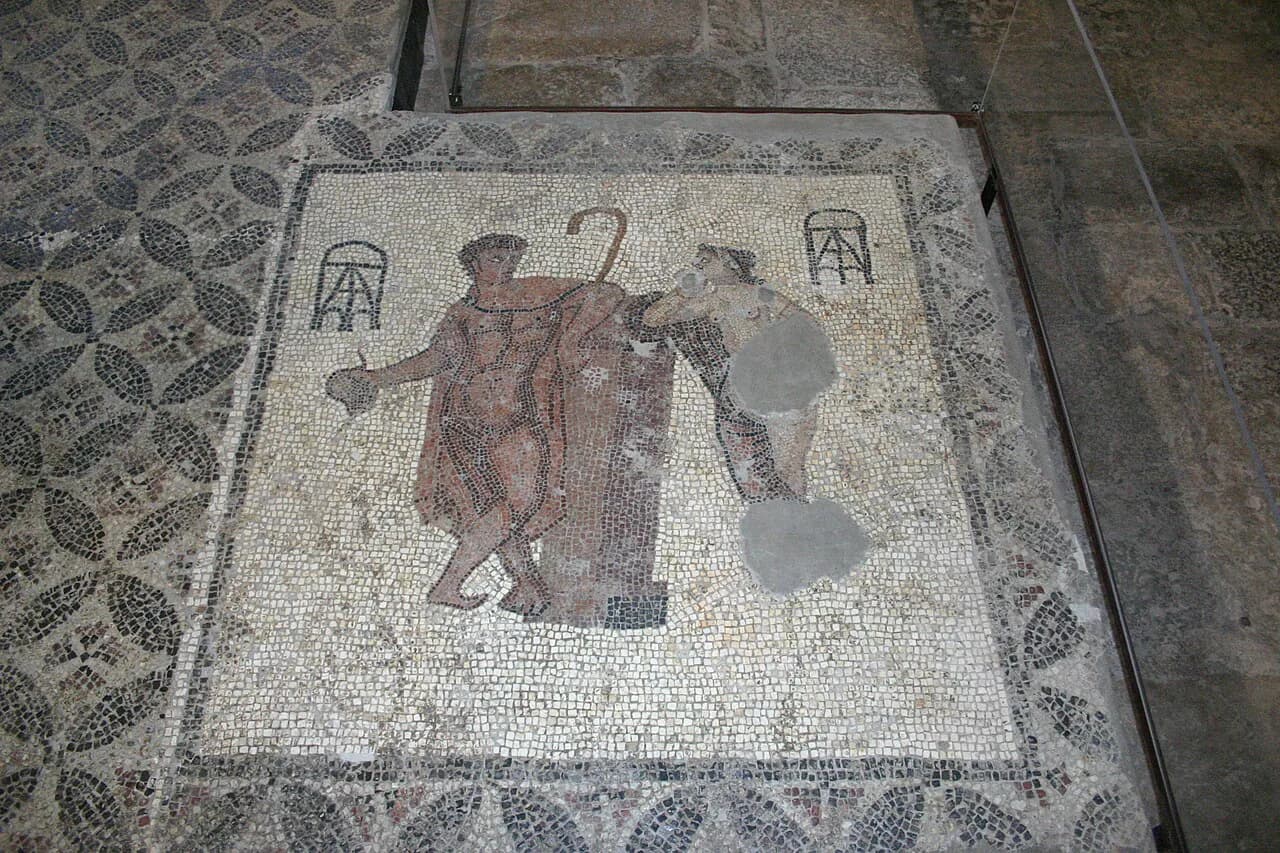
The collection is the best in the region, spanning early Romanesque work through to the 20th century. That range means you can read the arc of Catalan religious art in one building: carved capitals, panel painting, gold-ground altarpieces and later portraiture. Allow time for the Romanesque rooms even if the Gothic halls are your main target, because they set up what follows.
Skip-the-line tickets for the Museum of Art describe a collection covering almost 1,000 years of art history, with important examples of Romanesque art alongside Gothic and Renaissance pieces. Because the palace is a historic building rather than a purpose-built gallery, the rooms are varied in size and the route winds through them. Pace yourself accordingly and do not expect a single chronological corridor.
The Gothic altarpieces in the throne chamber
The highlight is the group of Gothic altarpieces displayed in the former throne chamber, the room that gives the visit its centrepiece. These are large, gilded, multi-panelled works made for churches in the region, and seeing several together shows how workshops varied in figure style and framing. Go here first if your time is short, then work back through the Romanesque rooms.
Look closely at the carved frames and the predella panels beneath the main images, which often carry the narrative detail. The palace setting helps: the throne chamber's proportions suit works of this scale in a way a neutral gallery would not. This single room justifies the visit for anyone with an interest in medieval painting.

The building itself
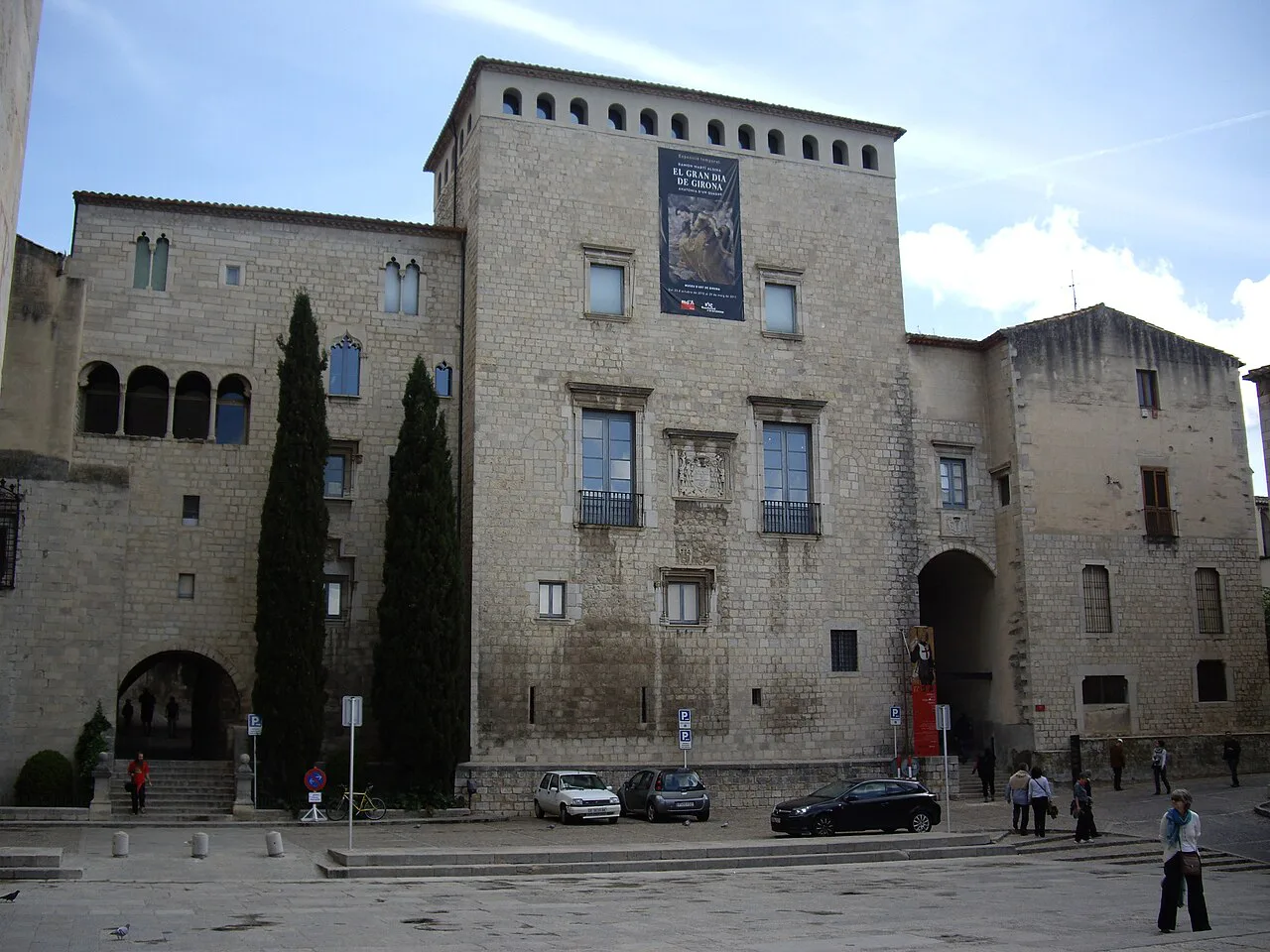
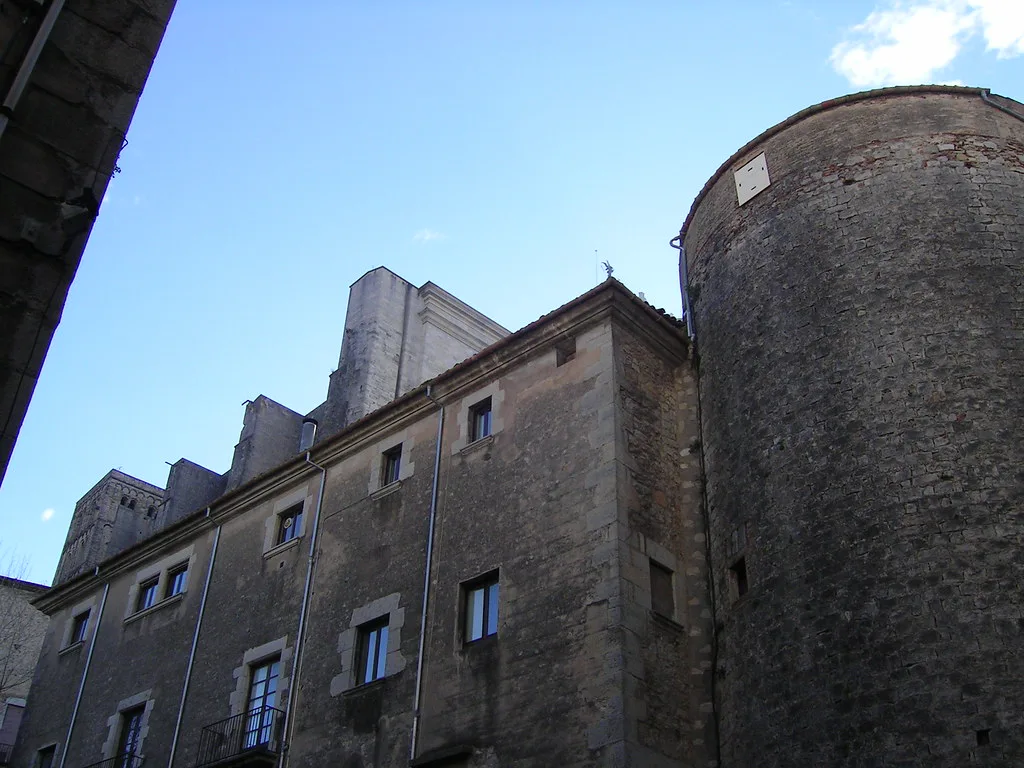
The Episcopal Palace is part of the cathedral complex, which is why the museum feels embedded in the old town rather than dropped into it. Its position beside the cathedral means windows and courtyards frame stonework and rooftops as you move between galleries. Budget a little time simply to look out and orient yourself against the rest of the city.
How long to allow
Give the museum between one and two hours: an hour covers the throne chamber and a pass through the Romanesque rooms, while two hours lets you read labels and take in the later works. It fits comfortably into a half-day old-town loop that also takes in the cathedral and the Arab Baths. On a day trip from Barcelona, slot it in after an early train rather than last, when the climb and the galleries both feel longer; if you are weighing how long to base yourself here, see how many days in Girona you actually need.
The broader walking route through the old town links the cathedral, the baths, the walls and the Jewish Quarter into one uphill circuit, so the museum sits naturally mid-route. The guide to things to do in Girona sets out that order with Pont de Sant Feliu as the starting point by the river. Build the museum in after the cathedral steps and before you walk the walls.
Tickets, hours and the multi-museum discount
Check the official museum website for current opening hours, ticket prices and any reduced rates before you travel, since these change by season. If you plan to see more than one of the city's museums, a combined arrangement gives a 50% saving at each museum after the first. That makes pairing the art museum with the Museum of Jewish History or the Archaeology Museum good value rather than an afterthought.
What to see nearby
The Arab Baths are a short walk from the cathedral and make the obvious second stop, with a 12th-century Romanesque bathhouse built on Roman and Islamic models. Entry is modest and the octagonal plunge pool under its dome is the image most visitors carry away. Pair the two and you have covered the old town's two best interiors in an afternoon.
Behind the cathedral, the medieval walls run alongside the Jardins dels Alemanys and you can walk along the top, climbing the lookout towers for the best views in the city. Sunset from up there is the strongest reason to stay later rather than catching an early train back. Finish the museum, take the walls, and drop down through El Call to the river.
El Call, the Jewish Quarter, lies below the cathedral on the way back to the river, and its narrow lanes hold the Museum of Jewish History. Girona's Jewish community is documented from at least 982 and was expelled in 1492, which the museum explains in the setting of a 15th-century former synagogue. Wander Carrer de la Força on the way down.
Plan Your Visit
The art museum rewards a deliberate slot in your day rather than a passing glance: an hour for the Gothic altarpieces and the throne chamber, two if you want the full sweep from Romanesque to the 20th century. Arrive on foot from the river, take the cathedral steps as your landmark, and pair it with the Arab Baths and a walk on the city walls. For the rest of the old town's sights in one place, start with the overall guide to Girona.
Explore more Girona guides
Frequently Asked Questions
Is the Girona Art Museum worth visiting?
Yes, if you have any interest in medieval Catalan art. It holds the region's best collection, and the Gothic altarpieces in the former throne chamber are the standout. It also fits neatly into a half-day old-town circuit with the cathedral and the Arab Baths.
What can you see at the Girona Art Museum?
The collection runs from early Romanesque work through to the 20th century, including carved capitals, panel paintings, gold-ground Gothic altarpieces and later works. The Gothic altarpieces in the former throne chamber are the highlight, and seeing several together shows how regional workshops differed.
How long does a visit take?
Allow one to two hours. An hour covers the throne chamber and a quick pass through the Romanesque rooms, while two hours lets you read the labels and take in the later galleries. It slots into a half-day loop with the cathedral, the Arab Baths and the walls.
Where is the Girona Art Museum?
It is in the old Episcopal Palace beside the cathedral at the top of the old town, reached on foot from the Onyar bridges and up the cathedral steps. The lanes are cobbled and steep in the final stretch, so wear shoes you can walk in.
How much is entry to the Girona Art Museum?
Ticket prices and reduced rates change by season, so check the official museum website before you go. If you plan to visit more than one of Girona's museums, a combined arrangement gives a 50% saving at each museum after the first, which makes pairing it with the Jewish History or Archaeology museums better value.
What else is near the museum?
The cathedral is next door, the Arab Baths are a short walk away, and the medieval walls run behind the cathedral with walkable ramparts and lookout towers. El Call and the Museum of Jewish History sit below on the way back to the river.