
Cueva de Nerja: A Visitor's Guide to the Caves
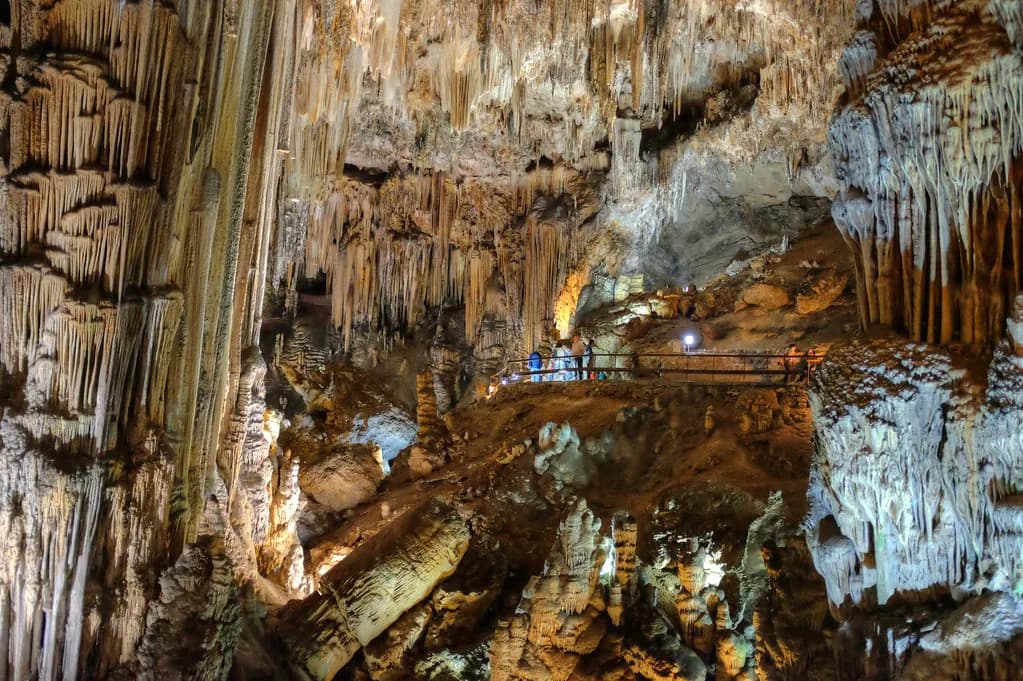
The Cueva de Nerja is one of Europe's largest archaeological cave sites, cut into a hillock about 750 m from the coastline and roughly 200 m above sea level on the eastern edge of Nerja. You go for the scale of the chambers and for the story of the people who used them, not for a gallery of paintings: the prehistoric art is off-limits on the tour. Plan on half a day once travel and queueing are counted.
Where the Cueva de Nerja is
The caves sit on the Maro road at Ctra. de Maro, s/n, 29787 Nerja, Málaga, on the coastal side of the A7 between Málaga and Almería. The site entrance is a short drive east of Nerja town centre, towards the village of Maro. Use the official address rather than a town-centre pin when you set up navigation.
The position explains the visit as much as the geology does: the cave opens in a hillock set back from the water, high enough to look over the coast. If you are staying in Nerja town, this is a short excursion rather than a day trip. From Málaga it is a longer run along the coast road, so build it into a day rather than squeezing it around lunch. If you are weighing how many days in nerja to base yourself here, this half-day outing is worth factoring in.
How to get there from Nerja and Málaga
By car, leave the A7 at the Nerja/Maro side and follow the signed access road to the cave entrance; the attraction sits right by the motorway corridor. Drivers coming from Málaga approach from the west, and those from Almería from the east. Allow extra time in high summer, when the coast road and the approach to Nerja slow down.
Without a car, the cave is a taxi or bus ride from Nerja rather than a walk you want to add to a beach day, given the road and the hillock setting. Ask your accommodation which local service is running and where it drops you, and confirm the return time before you set out, since the site is outside the town grid. The official site carries a how-to-get-there page you can check before travelling.
What you walk through inside
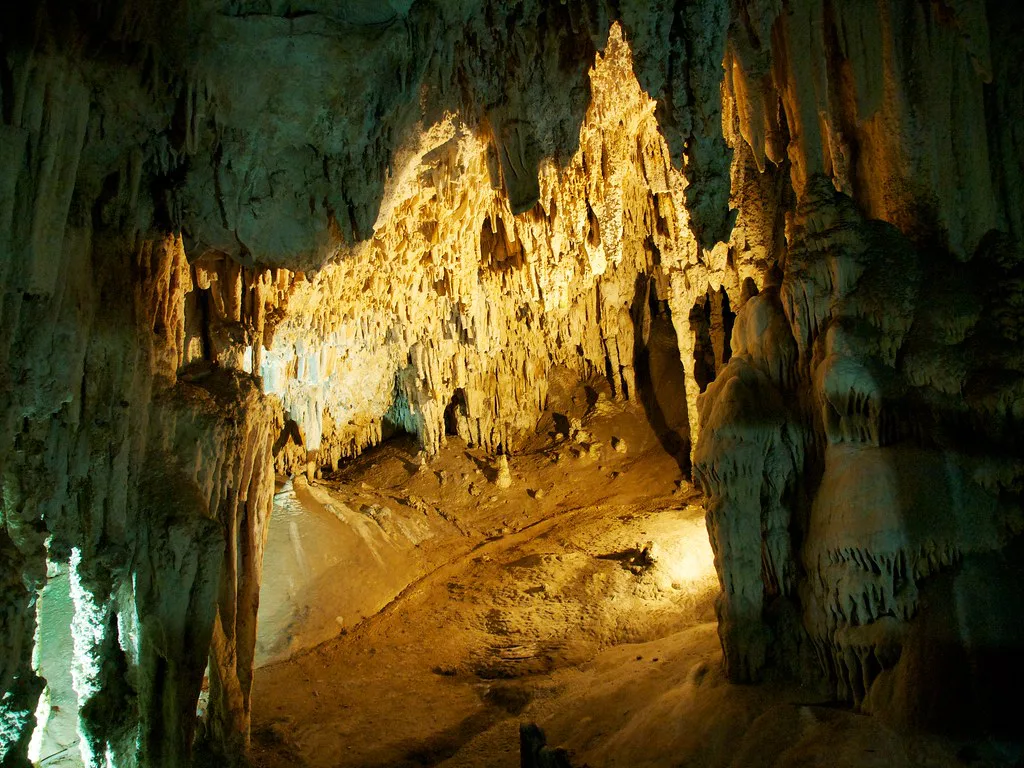
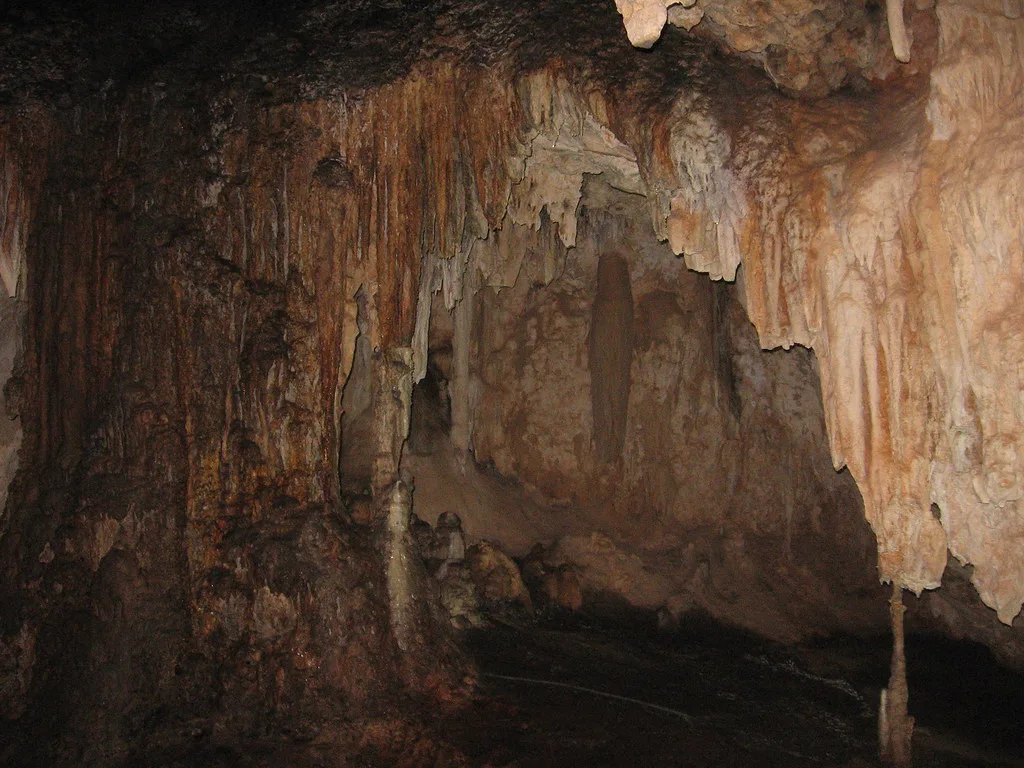
Inside, you follow a fixed route through very large chambers; the cave is described as the natural cathedral of the Costa del Sol, and the nickname fits the scale rather than any decoration. Nerja Cave ranks among the biggest archaeological sites in Mediterranean Europe, which is why the interior feels more like a cavern system than a single room. Wear shoes with grip, because the floor is uneven and the route involves steps.
The named halls on the official material include the Torca Hall, the Kitchen Hall and the Cataclysm Hall, tied to specific finds and artworks rather than to visitor facilities. You will not be taken into the Upper Galleries or the fragile painted zones, which are closed for conservation. Treat the tour as a walk through the cave's geography, with the art explained rather than displayed.
Bring a light layer even in August: cave interiors stay cool and damp, and you are standing still at stopping points. Photography rules are set by Cueva de Nerja; follow the instructions given at the entrance and on the route, as flash use is restricted in parts of the cave. Check current opening times and last entry before you set out.
The cave art, and why you will not see it on the tour
The prehistoric art cannot be seen during the visit, for conservation reasons. Instead, the Virtual Reality Room on site shows recreations of it, and that room is included with the cave's entrance ticket. This is worth knowing before you buy, because the paintings are the reason many people come.
The collection is exceptional in archaeological terms: more than 50 figurative representations have been identified, limited to a small set of animals including deer, horses, goats, seals and fish, alongside a possible schematic female figure. Most were painted in red pigment, with black also used, and the bulk belongs to a Solutrean sanctuary around 20,000 years ago. The oldest works appear to date back roughly 35,000 years.
Later hands left different marks. Magdalenian groups produced series of black strokes and signs in restricted parts of the Upper Galleries, and Neolithic and Copper Age people drew schematic red human figures, among them the figures known as the Dancers in the Torca Hall, likely archers. Engravings such as the bitriangular motifs in the Kitchen Hall relate to funeral cults. All of this sits behind the conservation barrier, so read up before or after the walk-through.
Portable finds, including a carved duck, are displayed at the Nerja Museum in town, which is run by the Fundación Cueva de Nerja. Pairing the cave with the museum gives you the objects the cave itself cannot show.
Archaeology in brief
The cave's occupation sequence runs from the Gravettian through the Solutrean and Upper Magdalenian, then into Epipaleolithic use and intensive Neolithic and Copper Age activity, much of it for burial. Human groups visited the chambers more than 41,000 years ago, though excavated evidence so far records occupation from the Gravettian onwards. That depth is what makes the site a serious archaeological location rather than a scenic cave with a story attached.
Some of the red seal figures in the Chamber of Fish Shapes in the Kitchen Hall are of astonishing craftsmanship and still lack a clear date, and they may represent the oldest works of art in Europe. The cave also preserves a graphic code of dots and strokes, most visible in the formation known as the Organ, which may be an early form of graphic communication. Keep these names in mind and the tour's commentary lands better.
How long to allow
Budget around two hours at the site: the walking route, the Virtual Reality Room and a pause at the entrance add up. Add queueing time in summer and at weekends, and more if you are arriving by bus and working around a timetable. The visit is not a quick photo stop.
If you are combining the cave with the town, do the cave first and keep the afternoon free for Nerja. The Balcón de Europa, the clifftop viewpoint in the old town, works well as a late-afternoon stop once you are back from Maro.
Tickets and opening hours
Buy your ticket online through the official site to avoid the entrance queue; the cave sells timed admission there and recommends booking ahead. Prices, opening times, free-entry days and any closure periods change with the season, so check the official ticketing page for the date you want before you travel.
The ticket covers entry to the cave and the Virtual Reality Room; anything else on site is a separate decision. Check what your ticket includes at the point of purchase.
When to go
In high summer, aim for the first slot of the day or the last of the afternoon; the middle of the day brings the heaviest crowds and the hottest walk from the car park. Spring and autumn are easier on both counts, and the cave itself stays cool whatever the weather outside. Book ahead at weekends and around Spanish public holidays.
Remember Spanish eating times when you plan the day: lunch runs roughly 1:30–4pm and dinner starts around 8:30–9pm, so a late-morning cave visit leaves you free for a proper lunch back in Nerja. Trying to eat at 12:30 will leave you with limited choice.
What is nearby
The white village of Maro sits just up the road from the cave, and Frigiliana, one of the region's most photographed white villages, is a short drive inland. Both reward an hour of wandering rather than a rushed stop.
Back in Nerja, the old town gives you the church and the viewpoint within a few minutes of each other. The Iglesia de El Salvador, Nerja, on the Balcón side of town, is an easy add-on to an evening walk.
For orientation, Nerja splits into the old town around the Balcón, the eastern side towards Maro where the cave sits, and the beaches below the cliffs. Knowing which side you are staying on decides how long the cave run takes, so it is worth reading up on Nerja Neighborhoods before you pick a base.
Practical kit
Wear closed shoes with grip, carry a light layer and leave the flip-flops for the beach. The route has steps and uneven ground, and the interior is cool and humid even when the coast is baking.
Allow time for the Virtual Reality Room, which needs a few minutes of sitting rather than a glance in passing, and check the site's own instructions on photography at the entrance. If you are visiting with children or anyone unsteady on stairs, look at the route description on the official site first.
Plan Your Visit
The Cueva de Nerja earns its place on a Costa del Sol itinerary through sheer scale and the depth of its archaeology, with the Virtual Reality Room standing in for paintings nobody is allowed to see in situ. Book online, go early, and give it half a day rather than an hour.
Pair it with the museum in town for the portable finds, then finish on the Balcón de Europa or over a late lunch in the old town. That sequence gives you the cave, the collection and the coast in one day.
Frequently Asked Questions
Do you see the cave paintings on the Cueva de Nerja tour?
No. The prehistoric art is closed to visitors for conservation reasons, including the Upper Galleries and the fragile painted zones. Recreations of it are shown in the on-site Virtual Reality Room, which is included with the entrance ticket.
How long does a visit to the Cueva de Nerja take?
Allow about two hours for the walking route, the Virtual Reality Room and time at the entrance, plus queueing in summer and at weekends. If you arrive by bus, check the return timetable before you go in so you are not rushed.
How do you get to the Cueva de Nerja from Nerja town?
The cave is at Ctra. de Maro, s/n, on the coastal side of the A7 east of Nerja town, towards Maro. Drivers reach it easily from the motorway; without a car, take a taxi or a local bus and confirm the return time before setting out.
Is the Cueva de Nerja worth visiting?
Yes, if you want scale and archaeology rather than a painted gallery. It is one of the largest archaeological sites in Mediterranean Europe, with occupation from the Gravettian onwards and a collection of over 50 figurative representations, shown as recreations.
What is there to see near the Cueva de Nerja?
Maro is just up the road and Frigiliana is a short drive inland. Back in Nerja, the old town has the Balcón de Europa and the Iglesia de El Salvador, and the Nerja Museum displays portable finds from the cave.
When is the best time to visit the Cueva de Nerja?
Take an early or late slot in high summer to dodge the worst crowds and heat, and book ahead at weekends and around public holidays. Spring and autumn are calmer, and the cave interior stays cool whatever the weather.