
Mercado de la Esperanza: Santander's Iron-and-Glass Food Market

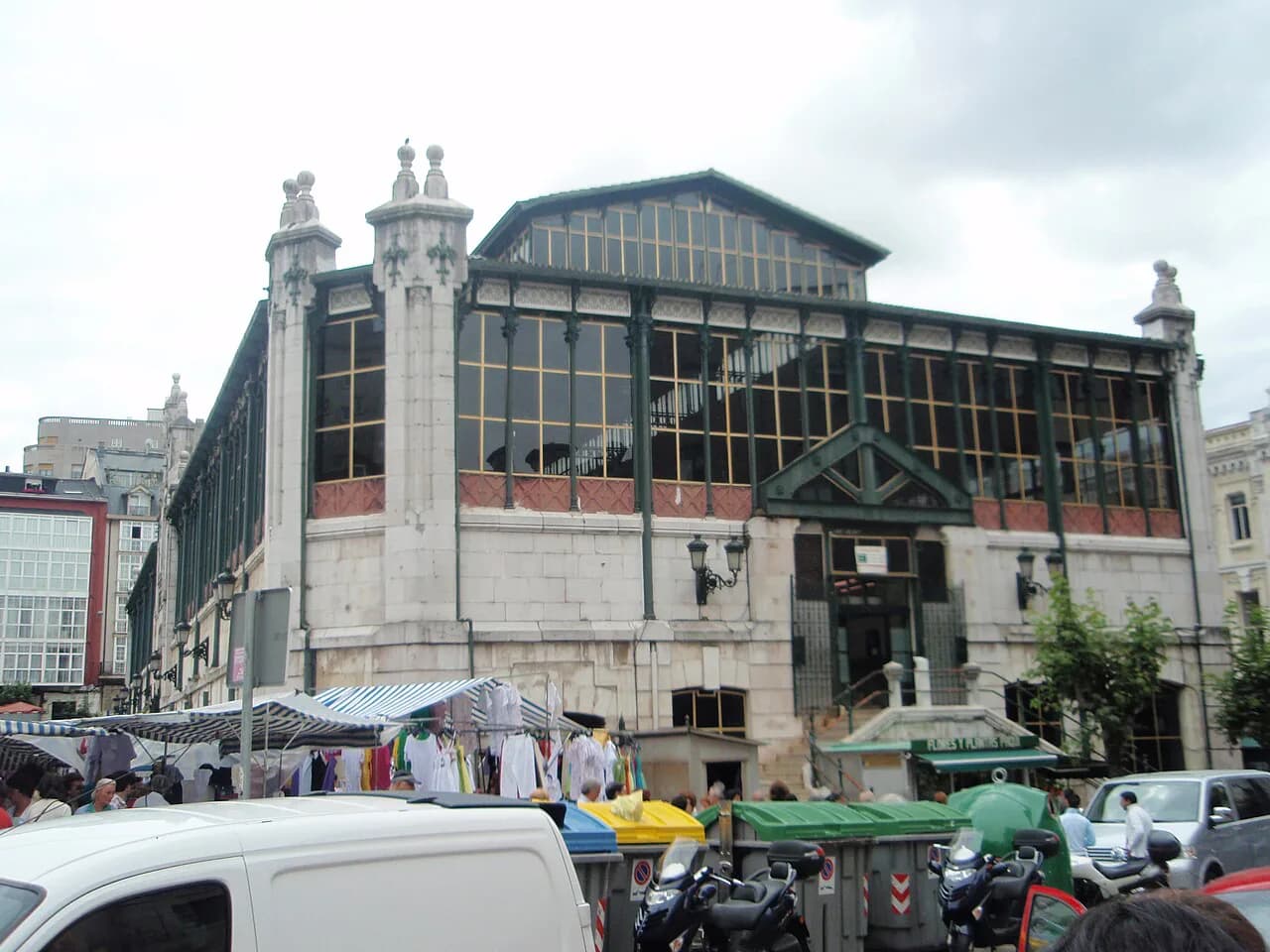
Mercado de la Esperanza is worth an hour of a Santander morning, above all for the fish and seafood floor of this working port city. The 1904 iron-and-glass hall sits right behind the town hall, and its 80 stalls spread across two floors selling meat, fish, fruit, vegetables and cheese.
Pick your day deliberately. Fish and seafood dominate the market and the counters are at their fullest on Friday morning, which is the week's peak trading slot; Sunday is the one day it stays shut. An hour covers the halls comfortably, leaving the rest of the morning free for the old centre.
What Mercado de la Esperanza Is
This is Santander's most important food market, not a covered shopping arcade with cafés and souvenir stalls. It is a working market of 80 stalls over two floors, where the fish and seafood trade takes up practically an entire floor. Treat it as a place to watch a city shop and to buy a few things for the journey home.
There is no need to book and no ticket to buy; you walk in from the street during trading hours. The appeal is the building itself as much as the produce, so allow time to look up at the ironwork as well as down at the counters.
Where It Is and How to Get There
The market stands behind the town hall, next to the church of San Francisco, on Plaza de la Esperanza in the heart of the city. In practice you reach it on foot from the old centre: walk past the town hall and the glass-and-iron hall appears behind it.
Because it sits in the middle of the centre, the market slots naturally into a walking morning rather than needing a bus or taxi. Come out and you are already within a short stroll of the cathedral and the waterfront. If you want the co-ordinates for a map, the market has a location entry in the city's own listings.
The Building: 1904 Iron and Glass
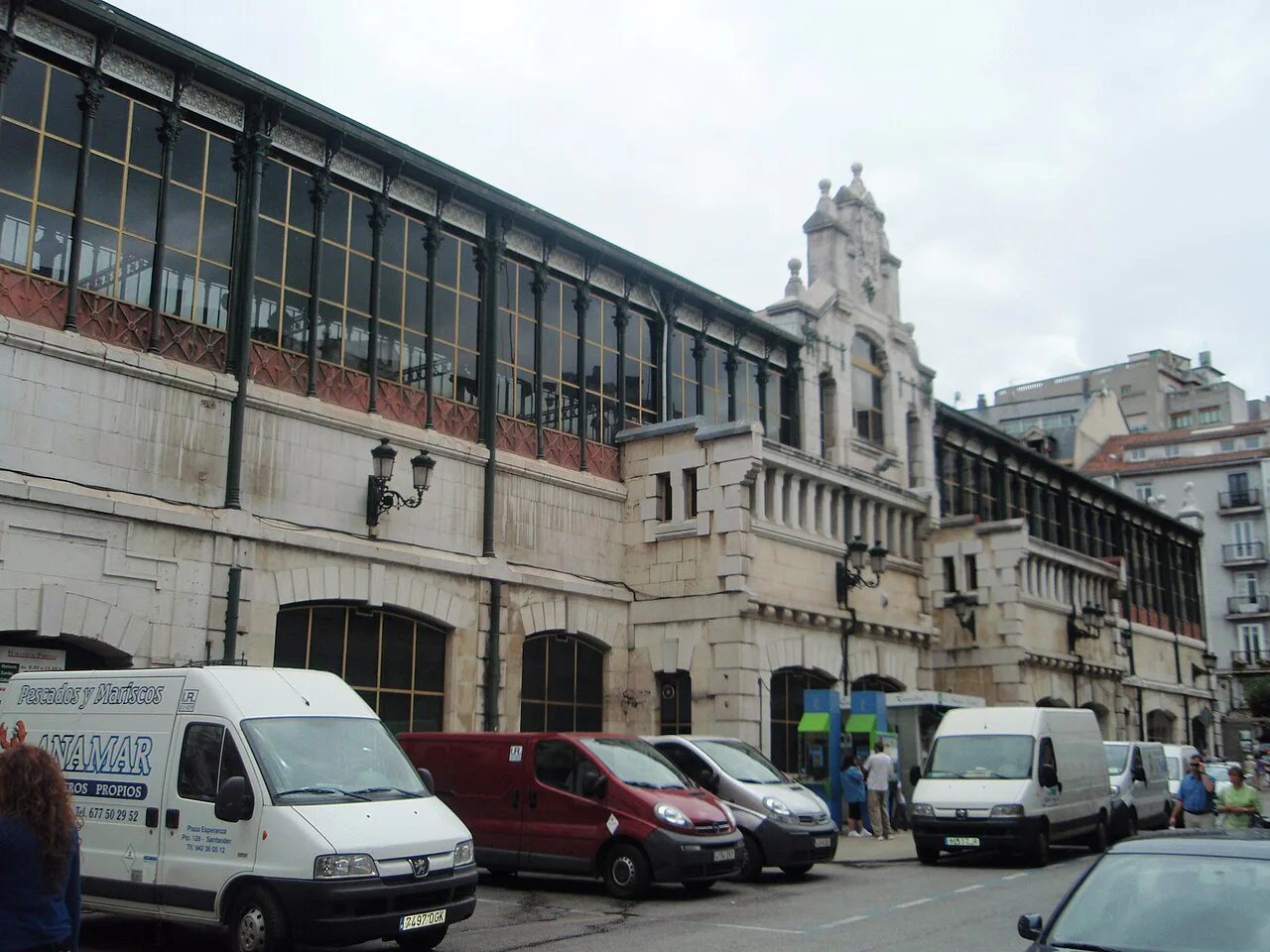
The present market was completed in April 1904, designed by the architects Eduardo Reynals and Juan Moya as part of the remodelling of the city centre after the explosion of the ship Cabo Machichaco in 1893. It follows the European fashion of the period, pairing stone with a large iron-and-glass structure, and it occupies part of the ground of the old convent beside the church.
Two later events shaped what you see. The fire of 1941 destroyed the stained glass and forced a first renovation, and the most recent major work came in 2010, when a new metal roof was installed over the hall.
What Is on the Two Floors
Across the two floors you will find meat, fish, fruit, vegetables, cheeses and other fresh produce. In a coastal city with a long fishing tradition, fish and seafood take the largest share of the space, which makes the fish floor the main event of any visit.
Expect the counters to change with the season and the catch, so there is no fixed list of what will be laid out on a given day. What stays constant is the split between the fresh-produce trade downstairs and the scale of the fish hall.
At the Fish Counters: Look for the Cabracho
The curiosity of the fish hall is the scorpionfish, cabracho in Spanish: an ugly, striking red fish displayed in quantity on the fish counters. Alongside it you will see a broad selection of seafood, from shellfish to whole fish, laid out on ice.
If you are here for the spectacle rather than the shopping, the fish floor alone justifies the stop. It is the reason to choose a Friday morning over a midweek afternoon, when many stalls are packing up or shut.

Cantabrian Produce to Buy Before You Leave
Before heading home, head for the stalls selling typical Cantabrian products. The reliable purchases are quesada, anchovies and cheese, all of which travel well and make far better souvenirs than anything branded.
Buy them at the end of the visit rather than the start, so you are not carrying cheese and tins around the fish hall. Bring a bag with you; a market of this kind is not the place to rely on shop packaging.
Opening Hours
The indoor market opens Monday to Saturday from 8am to 2pm. On Thursdays and Fridays it also reopens in the afternoon from 5pm to 7.30pm, and it is closed to the public on Sundays. Check the hours again before a special trip, since they are worth confirming on the official site.
The Thursday and Friday afternoon slot is a useful fallback if your morning is taken by the cathedral or the Centro Botín, though the counters will be quieter than at the morning peak. Sunday visitors should plan the market for another day. If you are weighing up the museum against the art and beaches instead, our guide to things to do in Santander can help you decide.
The Outdoor Stalls on Plaza de la Esperanza
Outside the hall, in Plaza de la Esperanza, a separate street market sets up on different days according to what is being sold. Fruit and vegetables are pitched on Tuesdays, Fridays and Saturdays, while textiles, jewellery and accessories take the square on Mondays, Wednesdays and Thursdays.
Check which day you are in town before you go, because the outdoor stalls are the part of the visit you cannot see on any other morning. A Friday combines the best of both: the fullest fish counters inside and the produce stalls outside.

How Long to Allow
Give the market an hour. That is enough to walk both floors, look closely at the fish and seafood counters, and buy a few Cantabrian products without rushing.
Because the market shuts at 2pm, it fits neatly into the morning before a long lunch. Most of Santander eats between 1.30pm and 4pm, so an 11am market visit leaves you plenty of time to reach a table.
Practical Points: Cash, Bags and Coffee
Bring cash and a bag. The market is a working food hall, not a shopping centre, and stallholders value straightforward transactions; there is no need to over-plan beyond that.
Friday mornings are the busiest time for fish and seafood, so expect crowds around the counters and go early if you want space to look. When you have had enough, step back out onto Plaza de la Esperanza and find a coffee in the old centre rather than hunting for one inside.
What Is Nearby
The market is part of a compact old-centre circuit. The town hall and the church of San Francisco are on the doorstep, the cathedral is a short walk away, and the Centro Botín and the waterfront are close enough to combine with a market morning. If you are planning the wider day around it, these are among the best things to do in Santander.
Pair the market with a single bigger sight rather than trying to cover the whole city in one day. The catedral de Santander makes the natural companion, and the Palacio de la Magdalena is the choice for a longer, gentler walk by the sea. For the art and beach side of the city instead, these things to do in Santander make an easy pairing with a market morning.
If you have a wet morning or want to stay indoors, the Museo de Prehistoria y Arqueología de Cantabria on Calle Casimiro Sainz is another option within the centre; check its own hours before setting out, and confirm the market's on the official site.
Plan Your Visit
Mercado de la Esperanza is a one-hour stop that rewards a carefully chosen morning. Aim for Friday if you can, so the fish counters are at their fullest and the outdoor produce stalls are also pitched on the square.
Go early, bring cash and a bag, buy your quesada, anchovies and cheese last, and leave the rest of the day for the cathedral and the waterfront.
Frequently Asked Questions
What are the opening hours of Mercado de la Esperanza in Santander?
The indoor market is open Monday to Saturday from 8am to 2pm, with an extra afternoon session on Thursdays and Fridays from 5pm to 7.30pm. It is closed to the public on Sundays. Confirm the hours on the official site before a special trip.
Is Mercado de la Esperanza open on Sundays?
No. The market is closed to the public on Sundays. If Sunday is your only day in Santander, plan the visit for another morning and use Sunday for the waterfront or the cathedral instead.
What can you buy at Mercado de la Esperanza?
The two floors hold 80 stalls selling meat, fish, fruit, vegetables, cheese and other fresh products. Cantabrian specialities such as quesada, anchovies and cheese are the things to buy for the journey home.
When is the outdoor market in Plaza de la Esperanza?
Fruit and vegetables are sold on the square on Tuesdays, Fridays and Saturdays. Textiles, jewellery and accessories take over the square on Mondays, Wednesdays and Thursdays.
How long do you need to visit Mercado de la Esperanza?
An hour is enough to see both floors, look properly at the fish and seafood counters, and buy a few things. The market closes at 2pm, so a late-morning visit fits neatly before a long Spanish lunch.
What is the best day to see the fish counters at Mercado de la Esperanza?
Friday morning is the peak trading time for fish and seafood, so the counters are at their fullest. The same day also brings the outdoor produce stalls to Plaza de la Esperanza.
Do you need tickets for Mercado de la Esperanza?
There is no ticket and no booking: you walk in from Plaza de la Esperanza during trading hours. The practical things to bring are cash and a bag for your purchases.
What is nearby after the market?
The market sits behind the town hall and beside the church of San Francisco, with the cathedral a short walk away. The Centro Botín and the Palacio de la Magdalena are both close enough to combine with a market morning.