
Santander Cathedral: What to See and How to Visit

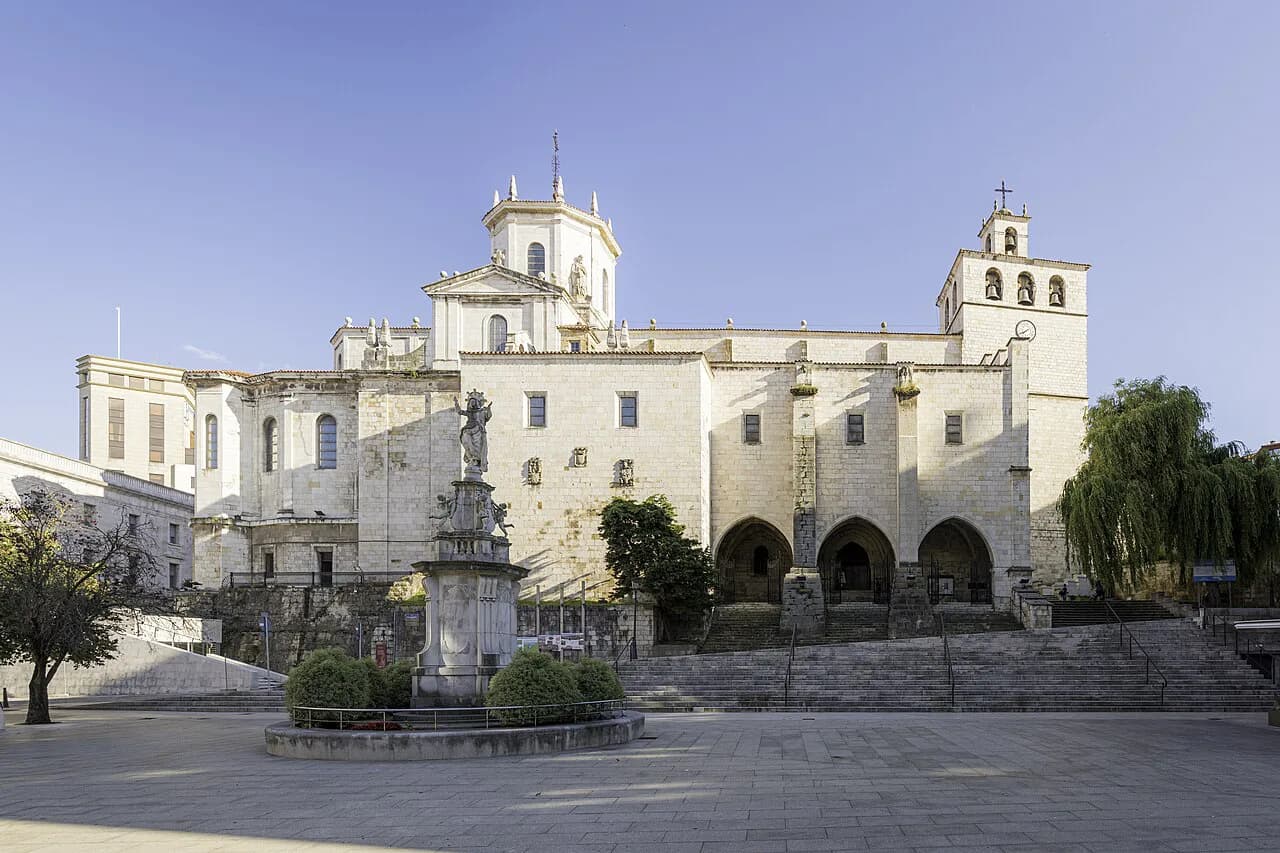
Santander Cathedral is a quick, central stop rather than the city's headline sight: a fortress-like building that is actually two churches combined, standing on a pile of Roman ruins. It sits in the middle of Santander's old town, minutes from the shopping streets and the bay, so it slots easily into a morning built around the Centro Botín or a walk through the market. Give it half an hour, see the Gothic structure and the religious works inside, and get back out into the city.
Cantabria's capital spreads around one of Spain's most celebrated bays, with the Magdalena Palace on its peninsula and the Sardinero beaches along the northern edge. The cathedral is the historic counterweight to all that seaside scenery, and its central position makes it the natural first stop while you find your bearings.
What Santander Cathedral Actually Is
Expect one building that reads as two churches joined together, not a single soaring nave in the style of Spain's bigger cathedrals. The structure is mainly Gothic, and it stands on Roman remains rather than on clear ground, which explains the layered, slightly compressed feel of the place. Knowing this in advance stops the common moment of confusion at the door: you are in the right building. If you enjoy comparing cathedral interiors, the Málaga Cathedral is a rewarding contrast on a southern trip.
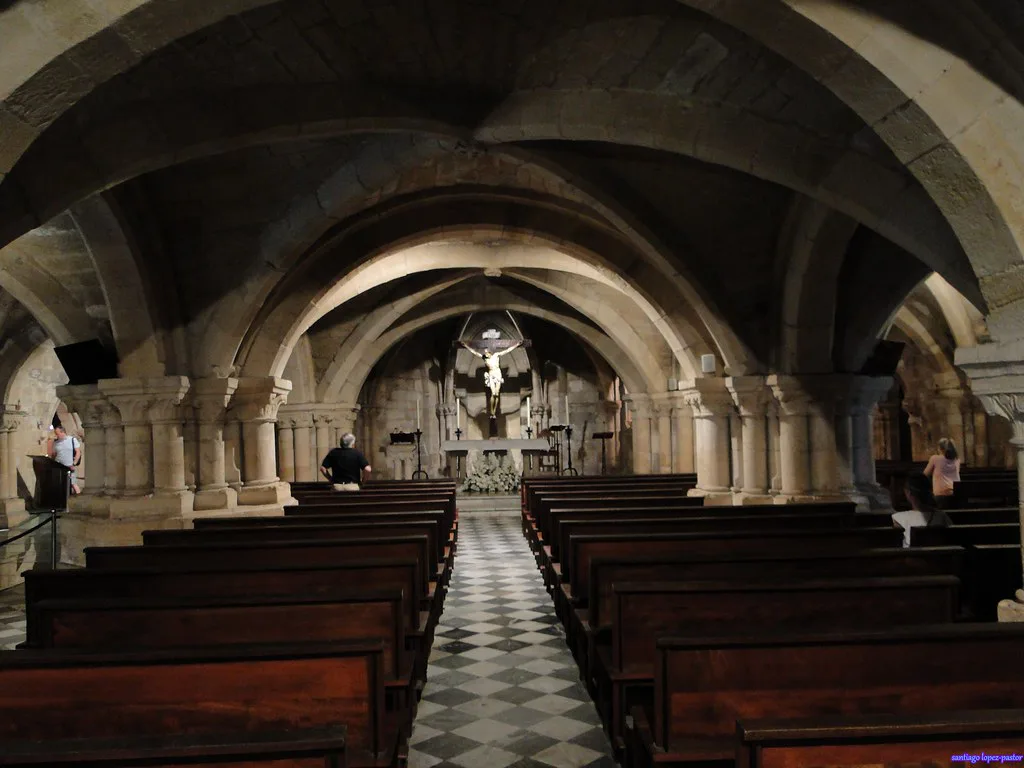
Inside, the draw is religious artwork and sacred relics rather than scale or spectacle. Treat it as a working church first and a monument second: keep your voice down, dress sensibly, and step aside when services are under way. The compact footprint means you can see the main interior in a single loop.
Where the Cathedral Sits in Santander
The cathedral is in the city centre, in the pocket of old streets between Plaza Porticada and Plaza de Pombo. Both squares are easy landmarks to navigate by, and either works as the point where you start or end your visit. The Museum of Prehistory and Archaeology of Cantabria sits in the same tangle of side streets, on Calle Casimiro Sainz, so a cathedral stop can share an hour with it.
Santander rewards walking, and nearly all the central sights sit within a comfortable radius of the cathedral. The old town climbs, though, so allow for a few steep stretches on the way in rather than expecting a flat grid.
Getting There on Foot
Because the cathedral is central, walking is the obvious way in, whether you are coming from the railway station, the bus station opposite it, or a hotel near Calle San Fernando. The old town's sloping streets are broken up by ramps and escalators, plus a cable car, which take the sting out of the climb for anyone with tired legs or a pushchair.
If you arrive at the airport, the transfer into town is short: Santander-Seve Ballesteros Airport lies about five kilometres out, roughly a 15-minute drive on the S-10, with a bus service into the city and taxis on hand. Drop your bags and walk to the cathedral rather than driving into the centre, where street parking is limited to two hours and is not free except on Saturday afternoons and Sundays.
What to See Inside
Look for the Gothic stonework and the religious works of art and relics that give the interior its character, rather than arriving in search of a single unmissable masterpiece. The two-church layout means the space unfolds in stages, so wander rather than following a fixed route. Photography is best kept quiet and unobtrusive.

Opening Hours and Entry
The city's own visiting-hours listing for Santander's points of interest is the most specific published reference, but treat it as a starting point rather than gospel, since cathedral access shifts around services. Check the hours before you set out, and ask at the door or check the cathedral's own channels for the day you plan to visit. That single check saves a wasted walk across the old town.
How Long to Allow and When to Go
Half an hour covers the interior comfortably, and an hour is plenty if you linger over the artwork or sit for a few minutes. Go in the morning, when the old town is busy with shoppers and the light through the windows is at its best, or in the early evening after the day's sightseeing. Avoid the middle of a Sunday service unless you intend to attend.
Santander's weather is northern Spanish rather than Mediterranean: mild and breezy, with regular cloud even in summer. October days run from around 14°C to 20°C, and July sits between roughly 17°C and 23°C, so a light layer is worth carrying even on a bright morning. Rain is a reason to duck into the cathedral rather than walk past it.
What Is Nearby
The Centro Botín, Renzo Piano's waterfront art venue, is a short walk downhill towards the bay, and it makes the obvious next stop after the cathedral. Its exhibitions change, so buy tickets and check times directly with the venue. Pairing the two gives you a compact art-and-heritage morning without crossing the city.
For food, head west to the Barrio Pesquero, the fishing quarter near the ferry port, where the cooking follows the sea: rabas, maganos and clams in marinara sauce are the local markers. Plaza Cañadío holds the densest cluster of bars and restaurants if you want to stay central. Lunch runs from about 1:30pm to 4pm and dinner starts around 8:30pm to 9pm, so time your cathedral visit for the late morning.
The Mercado de la Esperanza is the city's largest and most atmospheric market, best visited in the morning when the traders are in full voice; it closes on Sundays, and Monday is not the day to buy fish. If you want a longer walk, the Palacio de la Magdalena and its peninsula park lie about three kilometres from the centre.
Practical Trade-offs
This is a short visit, so do not build a day around it: the cathedral works best as a 30-minute pause inside a wider old-town walk. The approach involves uneven paving and slopes, which matters if you are pushing a buggy or travelling with someone unsteady on their feet.
English is less widely spoken in Santander than in Barcelona or Bilbao, and menus in local bars are often Spanish-only. A few phrases go a long way, and they make the post-cathedral lunch far easier.
Plan Your Visit
Slot Santander Cathedral into a morning that starts in the old town and ends at the Centro Botín or over rabas in the fishing quarter. Check the day's opening hours before you walk over, and keep the visit short so the rest of the city gets your time.
If you have a full day, add the Palacio de la Magdalena and its peninsula park, or the Sardinero beaches, to the same trip. Santander rewards slow walking more than box-ticking, and the cathedral is a good place to start.
Explore more Santander guides
Frequently Asked Questions
Is Santander Cathedral free to enter?
Entry arrangements vary, so check the cathedral's own information or the city's visiting-hours listing before you go. Do not assume a ticket price either way.
How long does it take to visit Santander Cathedral?
Half an hour covers the interior comfortably, and an hour is enough if you linger over the artwork. It works best as a short stop inside a wider old-town walk.
Where exactly is Santander Cathedral?
It sits in the city centre, between Plaza Porticada and Plaza de Pombo, within walking distance of the railway and bus stations. The Museum of Prehistory and Archaeology of Cantabria is on a nearby side street.
Why does the cathedral look like two churches?
It is two churches combined into one fortress-like building, standing on Roman remains. The structure is mainly Gothic, and the interior holds religious artwork and sacred relics.
What is there to see near Santander Cathedral?
The Centro Botín is a short walk towards the bay, the Pereda Gardens sit by the water, and the Barrio Pesquero fishing quarter is west of the centre for seafood. The Mercado de la Esperanza is the best central market, though it closes on Sundays.
When is the best time to visit Santander Cathedral?
Mornings are best, before the old town fills with shoppers, and the weather is mild and breezy year-round. October days run from around 14°C to 20°C, so carry a light layer.