
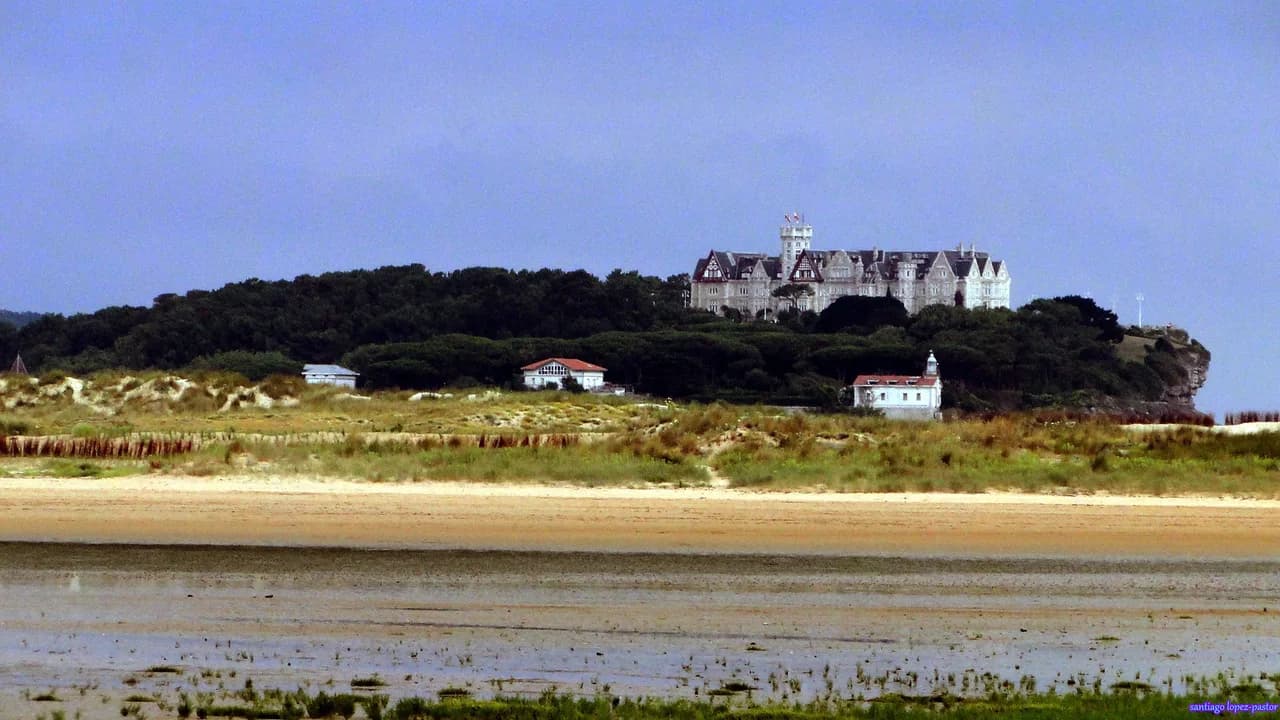
Palacio de la Magdalena: a visitor's guide to Santander's royal palace
The Palacio de la Magdalena is a former royal summer residence on the Magdalena peninsula, a grassy headland that juts into the Bay of Santander east of the city centre. Come for the building as a landmark and the walk around it: the palace itself is a short guided visit, while the park, cliffs and beaches fill most of a half day.
What the Palacio de la Magdalena is
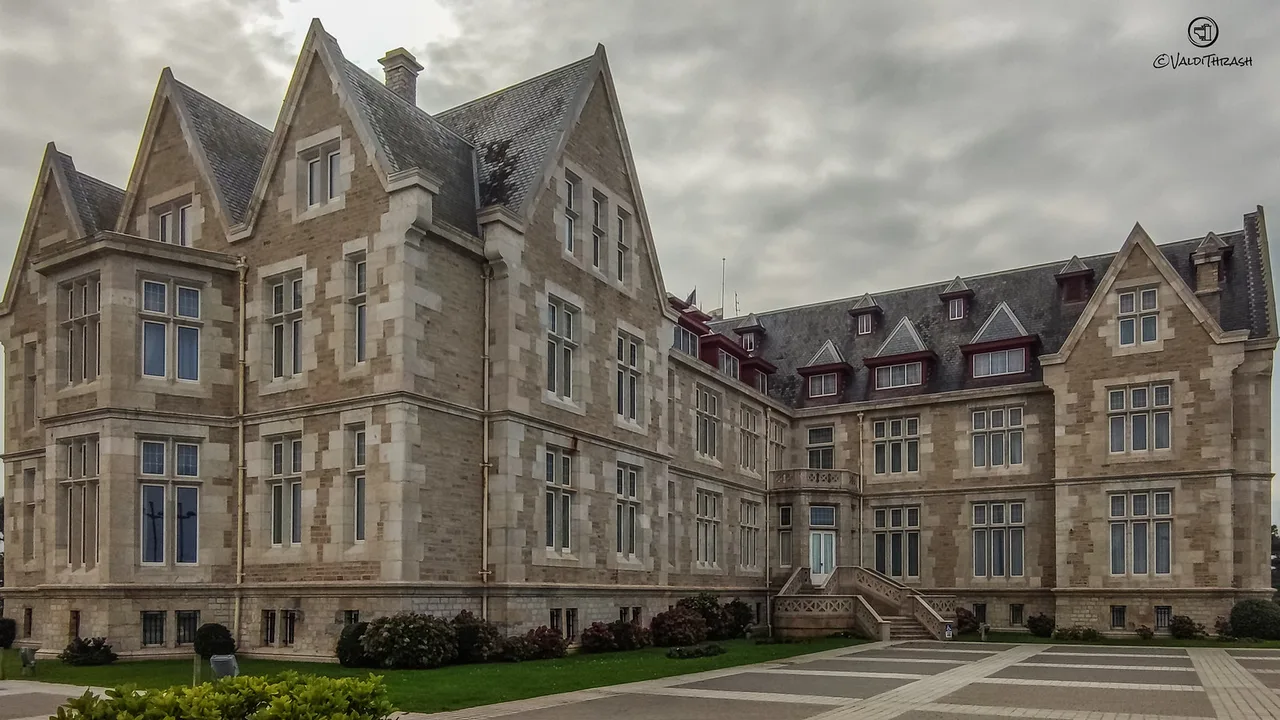
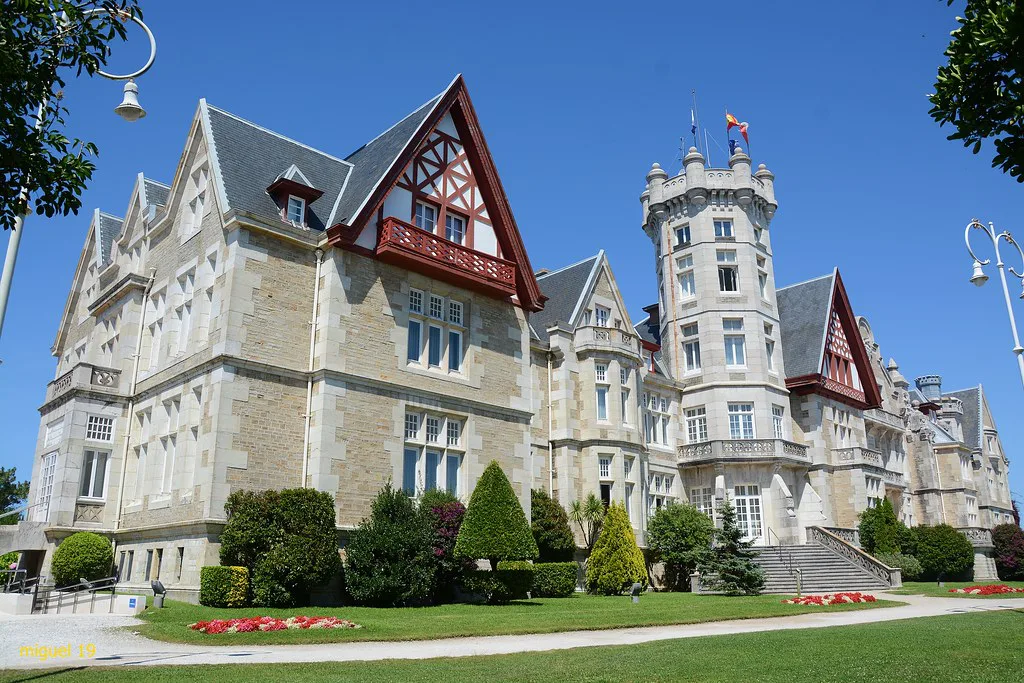
This is the building Santander treats as its emblem: an early twentieth-century palace on the highest point of the peninsula that bears its name. It was built between 1908 and 1913 as the summer home of the Spanish royal family, and it looks out over the bay on one side and the open Atlantic on the other.
Its cliff-edge position gives the building its drama, but it also means the visit is split between the palace and the headland around it. The palace is now used as a venue for courses and events rather than as a museum of furnished royal rooms, so treat the interior as a short add-on rather than the main event.
If you want a museum interior with a fixed ticket, the Centro Botín, Santander Cathedral or the maritime museum are better fits. For more ideas on the city's art and beaches, see our things to do in santander. The Palacio de la Magdalena rewards people who like architecture from the outside, sea views and a proper walk. For the practical details, see the catedral de santander.
Where it is: the Magdalena peninsula
The peninsula lies about three kilometres east of the city centre, and the palace sits at its highest point, roughly a 40-minute walk from the centre or a short bus ride. Buses to the peninsula leave from the Jardines de Pereda every ten minutes and take about eight minutes, which makes the palace an easy half-day from a central hotel or the ferry port.
Once you are on the headland, the arrangement is simple: the palace at the top, parkland and paths all around, two beaches at the foot of the cliffs, and a small marine park with seals and penguins on the seaward side. The whole peninsula covers around 70 acres, so the distances on foot add up more than the map suggests.
How to get there: walk, bus or the tourist train
Walking from the centre along the seafront is the most pleasant approach and puts you at the peninsula gate without any planning. The catch is the climb: the palace stands on the high part of the headland, and the old town's sloping streets give way to ramps and paths up.
If the hill is a problem, take the tourist train, known locally as El Magdaleno, which runs up to the palace area, or use the city bus. The bus is the cheaper option and runs frequently from the Pereda gardens.
With a car, treat parking as the constraint rather than the drive. Street parking in central Santander is limited to two hours and is not free except on Saturday afternoons and Sundays, so use a commercial car park and walk or ride from there.
The palace itself
The royal connection is the reason the building matters: Alfonso XIII and Victoria Eugenia used it as their summer residence from 1913 until 1930, part of Santander's era as a favourite resort of the Spanish monarchy. That history is what you come to read about before or after seeing the façade.
Interior access is by guided tour only, and tours run on a limited pattern rather than all day. Check the palace's own site before you travel for current tour times, prices and whether the building is closed for an event, since the venue hosts courses and conferences.
Go in expecting a short visit inside: a handful of rooms and the story of the summer court, not a full palace tour. Most people spend far longer outside on the terraces, where the panorama takes in the bay, the beaches and the mountains behind the city.
The grounds and park: cliffs, gardens and viewpoints
The park is the real reason to come, and it is free to wander. Paths loop around the headland past lawns, sculpture and formal gardens, with benches set along the cliff edge where you can sit and watch the swell break against the rocks.
Allow time for the seaward side: the views back across the bay to the city and out towards the Isla de Mouro are the postcard shot of Santander. On a clear day the mountains of Cantabria frame the whole scene, which is why the bay is counted among the world's most beautiful.
Practical note for families: the small zoo with seals and penguins divides opinion, and reviewers complain there are few toilets or amenities on the headland itself. Plan your stop before you walk up, and carry water.
Beaches on the peninsula
Two beaches sit at the foot of the peninsula: La Magdalena on the sheltered side and El Camello on the ocean side, the latter a sandy strip looking back at the headland. Both are small and best for a quick swim or a paddle rather than a full beach day.
For a longer stretch of sand, walk on to El Sardinero, Santander's main beach, which is split into two sections by a rocky point. It has snack bars and sun-lounger hire and is the obvious pairing with a peninsula visit.
Opening hours and guided tours: where to check
Tour times, ticket prices and any closures for events change with the season, so confirm them on the palace's official site before setting out. If the palace is shut, the peninsula park stays open and is still worth the trip.
A third-party account from a past visit put the guided tour at €3, but that figure is dated and should not be relied on. Treat any price you see quoted online as history and check the current charge at the source.
How much time to allow, and the best time of day
Set aside two to three hours for the peninsula: an hour for the palace and its immediate terraces, and the rest for the loop of the headland and a stop at one of the beaches. If you add El Sardinero and the cliff walk to the Cabo Mayor lighthouse, give it a full half day.
Mornings are quieter and the light is better for photographs of the bay; late afternoon brings the sunset crowd to the cliffs. Remember Spanish meal times when you plan: lunch runs from about 1.30pm to 4pm, and dinner starts at 8.30pm or later.
Accessibility and the uphill approach
The climb to the palace is the main obstacle for anyone with limited mobility. The tourist train and the city bus both cut out the worst of the hill, and the promenade and old town have ramps and escalators to help.
Once at the top, the terraces and main paths are largely level, but the cliff paths and beach steps are steep and uneven. If wheels or a stick are in play, stay on the upper paths and skip the beach descents.
Practicalities: weather, footwear and winds
This is northern Spain, not the Costa del Sol: Santander is green for a reason, and the headland catches the Atlantic wind. Even in summer, July highs sit around 23°C with a breeze, so bring a light jacket and something windproof.
October brings milder days around 20°C with a real chance of rain, and the cliffs get slippery after a shower. Wear shoes with grip for the coast path rather than sandals, and keep a rain layer in your bag year-round.
If you are coming off a ferry from the UK, the palace is an easy first or last stop: the port is central, and the peninsula is a short bus or taxi ride east. Drop the bags and walk the headland to shake off the crossing.
Nearby: El Sardinero, Cabo Mayor and the maritime museum
From El Sardinero, a clifftop path runs about two miles to the Cabo Mayor lighthouse, passing more beaches including Mataleñas on the way. The lighthouse has been automated since 2001 and part of the tower now holds an art gallery.
West of the peninsula, the Museo Marítimo del Cantábrico overlooks the bay with ship models, a whale skeleton and an aquarium, and suits families. It sits around 800 metres east of the Puerto Chico neighbourhood.
Back in the centre, the Centro Botín, designed by Renzo Piano, sits on the waterfront in front of the Jardines de Pereda with rotating exhibitions and floor-to-ceiling bay views. Pair it with the palace for an architecture-and-art day, and see our things to do in santander for the art, beaches and seafood around it.
Getting back into the city centre for lunch or dinner
Walk back down to the centre for a late lunch between 1.30pm and 4pm, or head to the Plaza Cañadío area, where the streets hold the densest cluster of bars and restaurants. Order Cantabrian classics such as rabas or cocido montañés rather than looking for an international menu.
For fish, the Barrio Pesquero west of the centre near the ferry port is the traditional quarter, and the Mercado de la Esperanza is the place to see the catch before you eat it. The market is closed on Sundays.
If you want to build a wider day around the city's sights, the cathedral and the Centro Botín sit within walking distance of each other in the centre. The cathedral's Nuestra Señora de la Asunción is one of the city's main monuments. For the wider picture beyond the palace, our guide to things to do in Santander lines up the art, beaches and seafood around this half day.
Plan Your Visit
The Palacio de la Magdalena is best treated as a half-day on the headland: the building, the park, the cliffs and a beach, with lunch back in the city. Check tour times and ticket prices on the official site before you go, and wear shoes that cope with a clifftop path.
For the rest of your trip, use the city guides to line up the cathedral, the Centro Botín and the food markets around a few meals at Spanish hours. That way the palace fits into a proper Santander day rather than a rushed stop.
Explore more Santander guides
Frequently Asked Questions
Who lived at the Palacio de la Magdalena?
It was the summer residence of the Spanish royal family, used by Alfonso XIII and Victoria Eugenia from 1913 until 1930. Earlier, at the end of the nineteenth and start of the twentieth century, Santander was a favoured resort of the monarchy, and the palace is the surviving symbol of that era.
How much does it cost to enter the Palacio de la Magdalena?
Tour charges change, so confirm the current ticket price on the palace's official website before you travel. Entry to the peninsula park and the surrounding paths is separate from any guided tour of the building.
What is inside the Palacio de la Magdalena now?
The building is used as a venue for courses and events rather than as a furnished royal museum. Visitors see the interior on a guided tour, and most of the experience is the architecture, terraces and views from the headland.
How do you get to the Palacio de la Magdalena from Santander city centre?
Walk east along the seafront for about three kilometres, or take a city bus from the Jardines de Pereda, which runs frequently. The tourist train, El Magdaleno, also climbs to the palace area and is the easiest option if the hill is a problem.
How long do you need at the Magdalena peninsula?
Allow two to three hours for the palace, the park loop and one of the beaches, and a full half day if you add El Sardinero and the cliff walk to the Cabo Mayor lighthouse. The climb up the headland adds time you may not expect from the map.
Sources
- Tourism in Santander: what to do in Santander | spain.info
- A Weekend in Santander: 10 Reasons Why this Spanish City Should Be on Your Radar - Gallop Around The Globe
- Things to do in Santander in October – Wanderlog
- Things to do in Santander in July – Wanderlog
- Palacio de la Magdalena
- Palacio de la Magdalena - Wikipedia, la enciclopedia libre