
Museo de Prehistoria y Arqueología de Cantabria: What to See in Santander
The Museo de Prehistoria y Arqueología de Cantabria is Santander's collection of finds from the caves and settlements of Cantabria, tracing human presence from the Upper Palaeolithic through to the Middle Ages. Allow an hour or two, and go for the objects rather than the building.
It rewards anyone curious about Cantabrian cave art without committing to a cave visit: the displays include the engraved batons from El Pendo and a replica of the lower gallery of La Garma. The trade-off is that the collection has been in transit to a new permanent home, so confirm what is on show before building a day around it.
Where the museum is in Santander
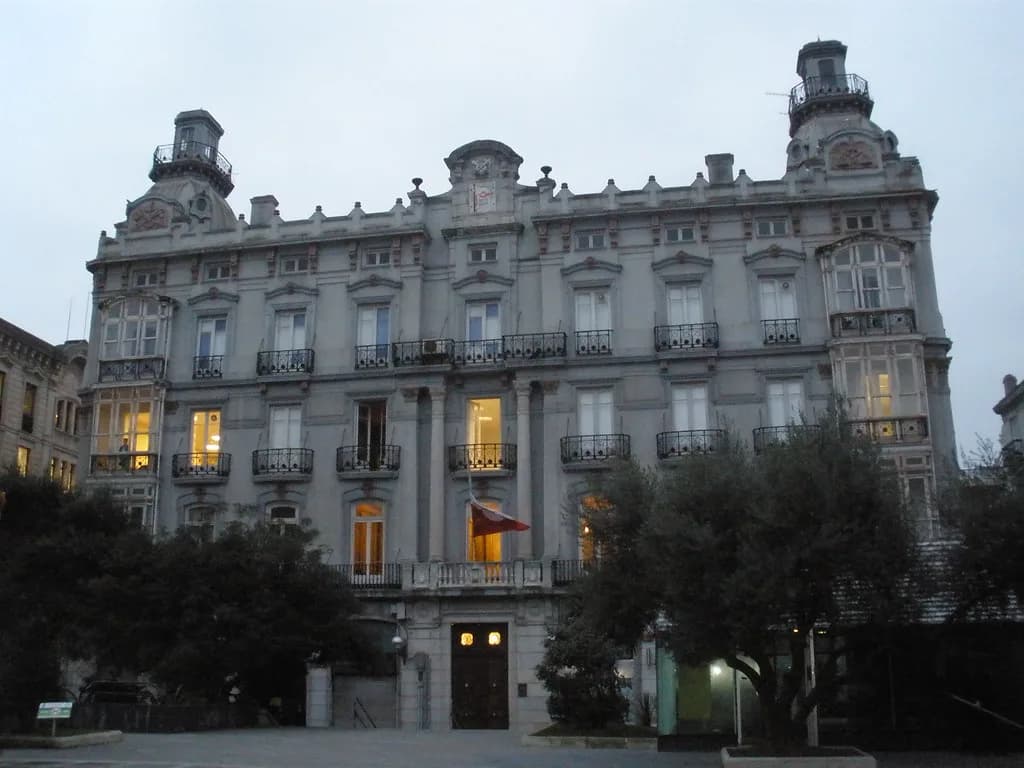
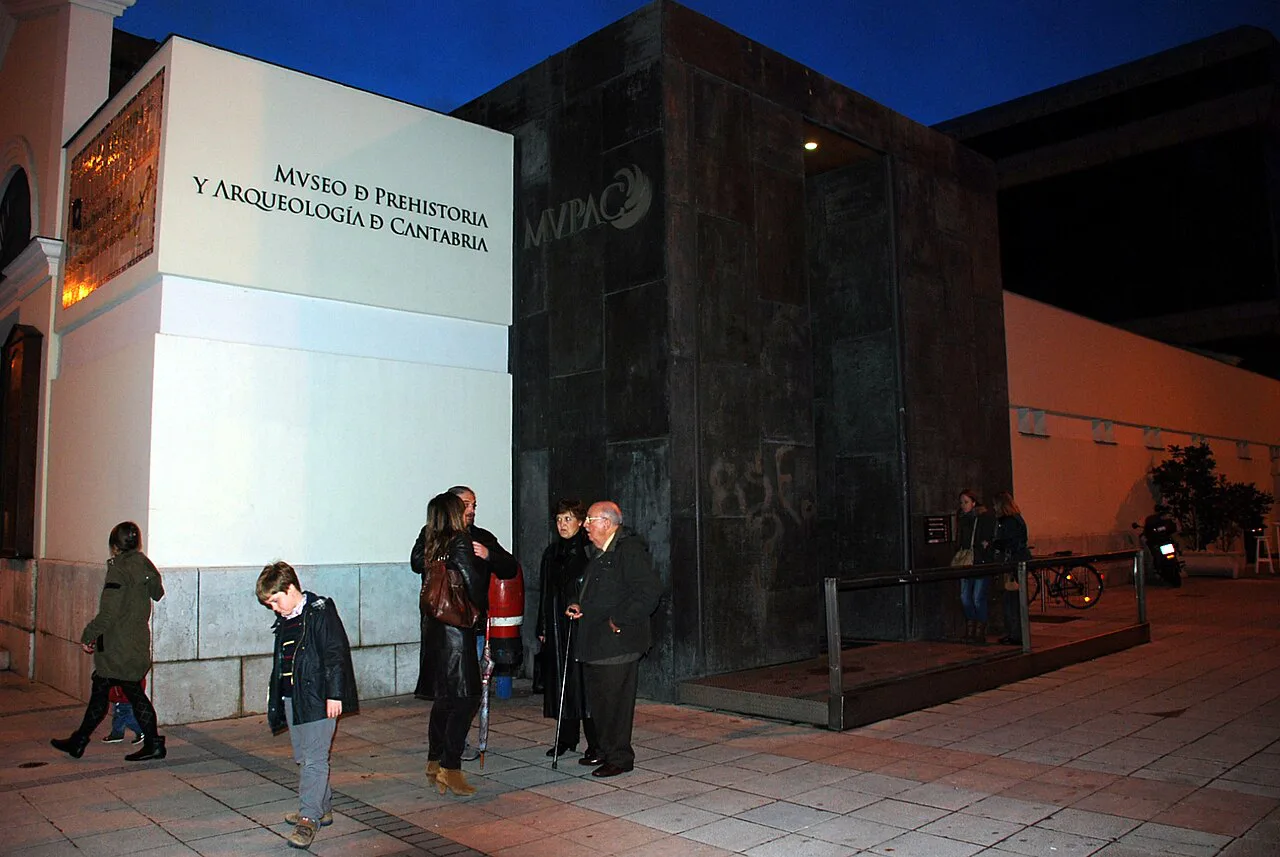
Visitor listings record the museum at Calle Casimiro Sainz, 4, in the centre of Santander, a short walk from the shopping streets and the waterfront. The national museum directory gives a different address for the same institution: Calle Bailén s/n, at the Mercado del Este.
Treat this as a practical warning rather than a puzzle: the museum has shifted its base over the years and its collections have been moving towards a definitive site. Check the door before you set out, and plan the visit around the Mercado del Este end of the centre, which is where the Bailén address sits.
Whichever entrance you use, you are inside the compact core of Santander, where the cathedral, the market and the botín gallery are all within easy walking distance. See Santander Attractions: 5 Visitor Guides for how these pieces fit together.
How to get there and orient yourself
On foot is the sensible way: from the main shopping streets and the Puerto Chico area you reach the museum in minutes, and the walk passes the market hall that gives the Bailén address its landmark. Buses and taxis serve the centre rather than the museum door, so aim for the Mercado del Este and walk from there.
If you are coming from the estación de autobuses or the Renfe station, the walk into the centre takes you past the cathedral, which makes a natural first stop of the morning. Nuestra Señora de la Asunción Church-Cathedral is the city's main religious building and sits close to the market.
What is inside the permanent collection
The museum holds more than 1,200 prehistoric and archaeological pieces from sites across Cantabria, dated from the Upper Palaeolithic to the Middle Ages, with most of the material falling between the Upper Palaeolithic and the Iron Age. Its collection of Upper Palaeolithic tools and portable art is one of the richest in the world.
The permanent display is arranged in open rooms by theme. One room covers the practice of archaeology itself, another is given over to hominids and their ecosystem through audiovisual and multisensory installations, and a third deals with the river terraces of the early Palaeolithic and the stone tools and jewellery found there.
The highlights to look for
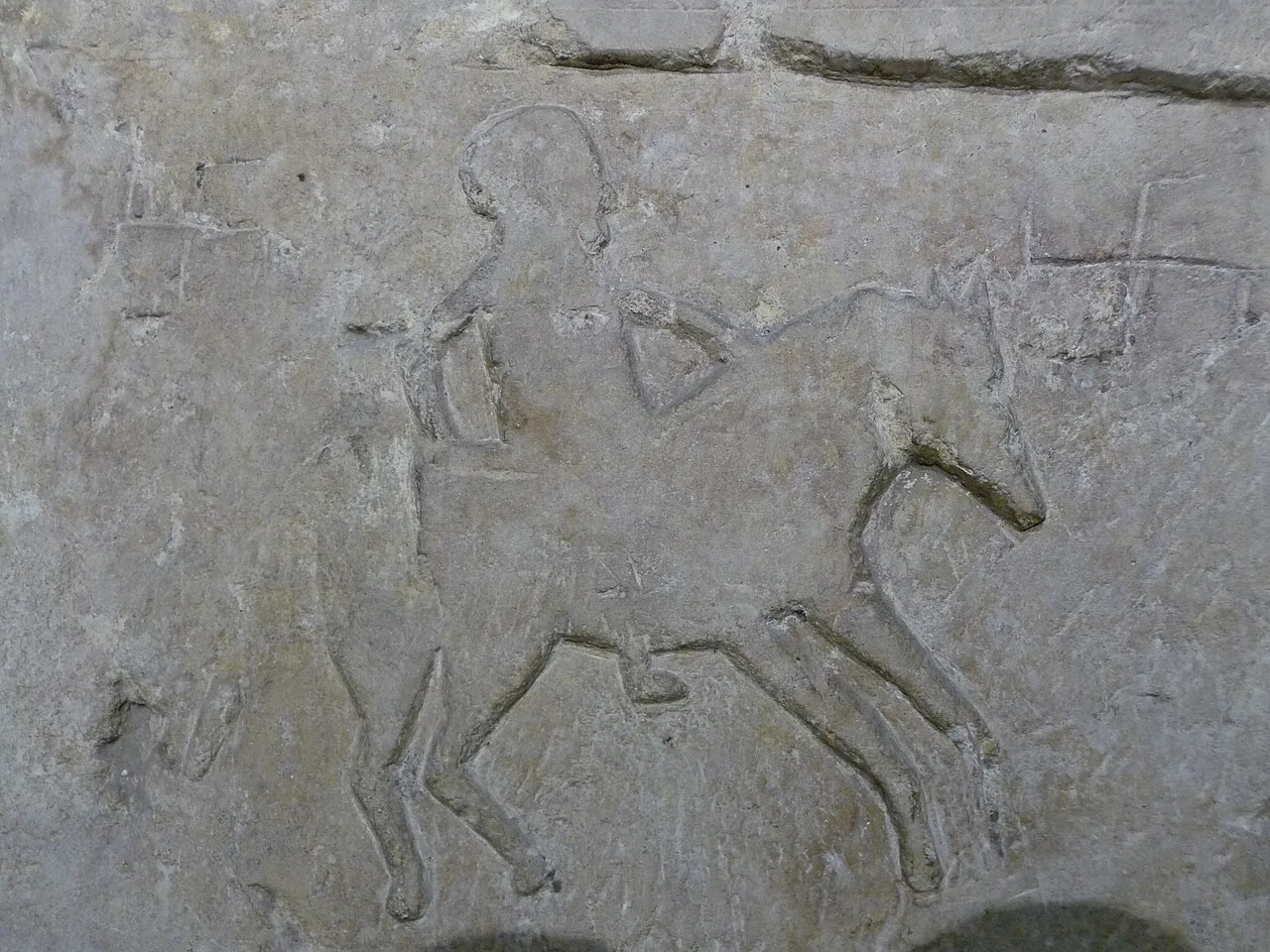
Head first for the batons de commandement, the decorated staffs of which the example from the cueva de El Pendo carries engraved horses. These carved objects are the signature of the Cantabrian Upper Palaeolithic and the reason the collection has an international reputation.
The giant Cantabrian stelae and the caldero de Cabárceno preside over the later rooms as emblems of the region, and the Roman and early medieval material broadens the story. Roman pieces come mainly from Julióbriga and Castro Urdiales, the ancient Flavióbriga, while the early medieval holdings are strongest in brooches and funeral stelae.

The La Garma cave replica and the multisensory rooms
One room holds a replica of the lower gallery of the cueva de La Garma, giving a sense of what the inside of a Cantabrian cave is like without going underground. Pair it with the 'Hombre y medio' room, where audiovisual and multisensory displays reconstruct the hominid world and its surroundings.
The archaeology room is the most didactic in the building, and children can follow how fieldwork turns a site into a museum case. That makes the museum a reliable wet-weather stop on a family day in the city.
Opening hours, closures and entry
Published hours run on a split timetable: Tuesday to Friday from 10:00 to 14:00 and again from 17:00 to 19:30, with Saturdays, Sundays and public holidays adding an evening session from 17:00 to 20:00. The museum closes on 1 and 6 January, 24 and 25 December and 31 December.
Access is free for all visitors, and there is a free cultural guide service for anyone who asks, either individually or in a group with advance booking. Treat free entry as the standard and confirm any charge at the desk.
How long to allow and the best order
Budget between one and two hours for the permanent rooms, longer if you use the free guide service or work slowly through the archaeology display with children. The collection is not vast in floor area, so a rushed forty minutes is possible but wastes the objects.
Start with the hominid and early Palaeolithic rooms to set the chronology, move to the Upper Palaeolithic art and the El Pendo batons while your attention is fresh, then finish with the Roman and medieval cases. That order follows the story the museum tells rather than the room numbering.
Who it suits
Families do well here: the multisensory installations and the cave replica give children something to look at and touch the imagination, and the free entry removes the pressure of getting full value from a ticket. Cave-art enthusiasts will find the portable art and the La Garma replica a useful primer before visiting the real caves of Cantabria.
For a rainy day in Santander it is one of the easiest indoor stops in the centre, and it slots naturally into a morning that also covers the market. Visitors report displays explained in English as well as Spanish, which helps if your Spanish is limited.

What to see nearby
The Mercado del Este sits beside the museum's Bailén address, so a visit pairs neatly with a coffee or a plate of raciones in the market building. On the other side of the centre, the Centro Botín, Santander adds contemporary art and a waterfront terrace to the same morning, and it is one of the highlights among the things to do in Santander.
If you are staying in the city for a day or two, Palacio de la Magdalena, Santander is the classic coastal walk on the Magdalena peninsula, best saved for a clear afternoon rather than a wet one. For a full list of city stops, see things to do in Santander.
Honest trade-offs before a special trip
The museum has been transferring its collections to a new permanent site since leaving the Palacio de la Diputación in 2010, so the displays you see may not be the full collection. If you are travelling to Santander specifically for a particular piece, telephone ahead rather than assume it is on view.
It is a regional museum rather than a blockbuster, and the building is functional. The reason to go is the material itself: the portable art, the stelae and the Roman finds that make Cantabria's archaeology concrete.
Plan Your Visit
Build the museum into a morning in central Santander: a walk past the cathedral, an hour or two with the El Pendo batons and the La Garma replica, then lunch at the Mercado del Este. Confirm the entrance and the day's hours on the day, since the collection is still moving towards its permanent home.
For anyone with an interest in Cantabrian prehistory, this is the place to see the objects up close before or after visiting the caves themselves. It costs nothing, suits children, and fills a wet hour better than most alternatives in the city.
Explore more Santander guides
Frequently Asked Questions
What can you see at the Museo de Prehistoria y Arqueología de Cantabria?
The permanent collection runs from the Upper Palaeolithic to the Middle Ages and includes more than 1,200 pieces from sites across Cantabria. Look for the engraved batons de commandement from the cueva de El Pendo, the giant Cantabrian stelae, the caldero de Cabárceno, Roman material from Julióbriga and Castro Urdiales, and a replica of the lower gallery of the cueva de La Garma. Separate rooms cover the practice of archaeology and hominids and their ecosystem.
Is the museum free to enter?
Entry is free for all visitors, and a free cultural guide service is available on request, either individually or for a group booked in advance. Ask at the desk about the guide when you arrive. Confirm anything you are unsure about directly with the museum before you travel.
How long does a visit take?
Allow one to two hours for the permanent rooms, and longer if you join the free guide service or go slowly through the archaeology display with children. A workable order is the hominid and early Palaeolithic rooms first, then the Upper Palaeolithic art and the El Pendo batons, then the Roman and medieval cases.
Where exactly is the museum in Santander?
You will see two addresses for the museum: Calle Casimiro Sainz, 4 and Calle Bailén s/n at the Mercado del Este. Both sit in the compact centre, within walking distance of the cathedral and the waterfront. Check which door is in use before you set out.
Is it good for children?
Yes. The multisensory 'Hombre y medio' room and the La Garma cave replica give children something concrete to look at, and the archaeology room shows how fieldwork becomes a museum display. Free entry also means you can leave early without feeling short-changed.
What is nearby if it is raining in Santander?
The Mercado del Este is right beside the Bailén address, so a coffee or a plate of raciones follows naturally. The Centro Botín, Santander adds contemporary art and a waterfront terrace within the same central walk, and the cathedral is a few minutes away.