
Pont del Diable: Tarragona's Roman Aqueduct of Les Ferreres
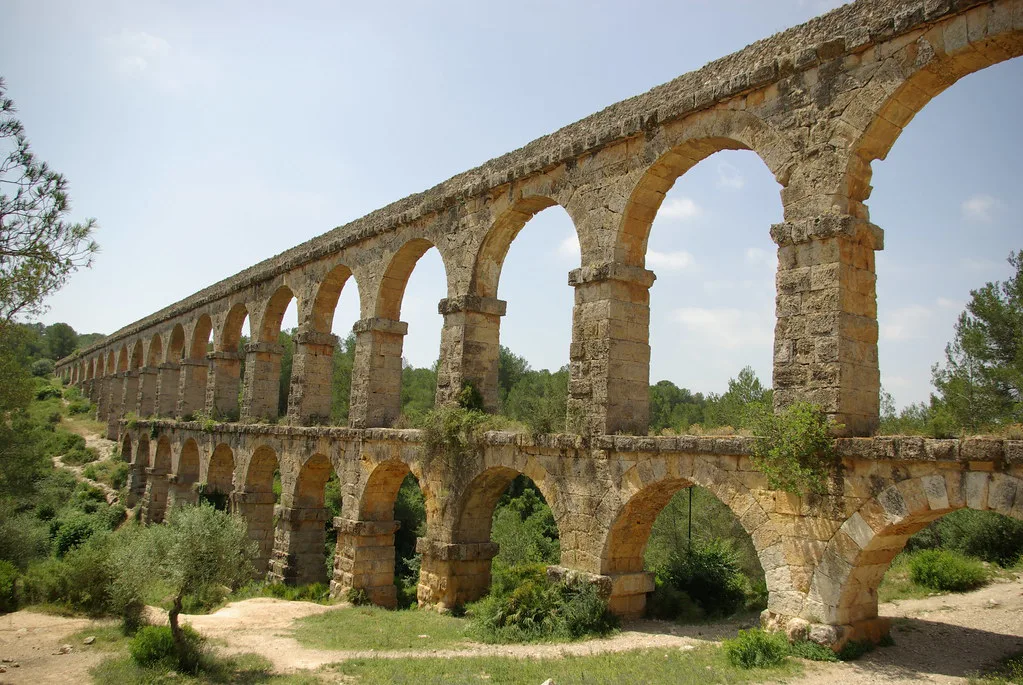
The Pont del Diable is Tarragona's Roman aqueduct, the Aqüeducte de les Ferreres, a two-tier arcade of stone arches that once carried water into the ancient city of Tarraco. It sits on the N-240 towards Lleida, about 4km from the city centre, with bus lines 5 and 85 stopping at the Pont del Diable stop. Treat it as a half-day outing from Tarragona rather than a quick photo stop.
What the Pont del Diable is
The structure is a Roman aqueduct, part of the system of channels and bridges that fed water into Tarraco, the Roman city beneath modern Tarragona. Its popular name, Devil's Bridge, is the kind of folk label that clings to improbable old engineering across Catalonia. The arches stand in open ground outside the city, so the visit is about the monument and the landscape rather than a museum interior.
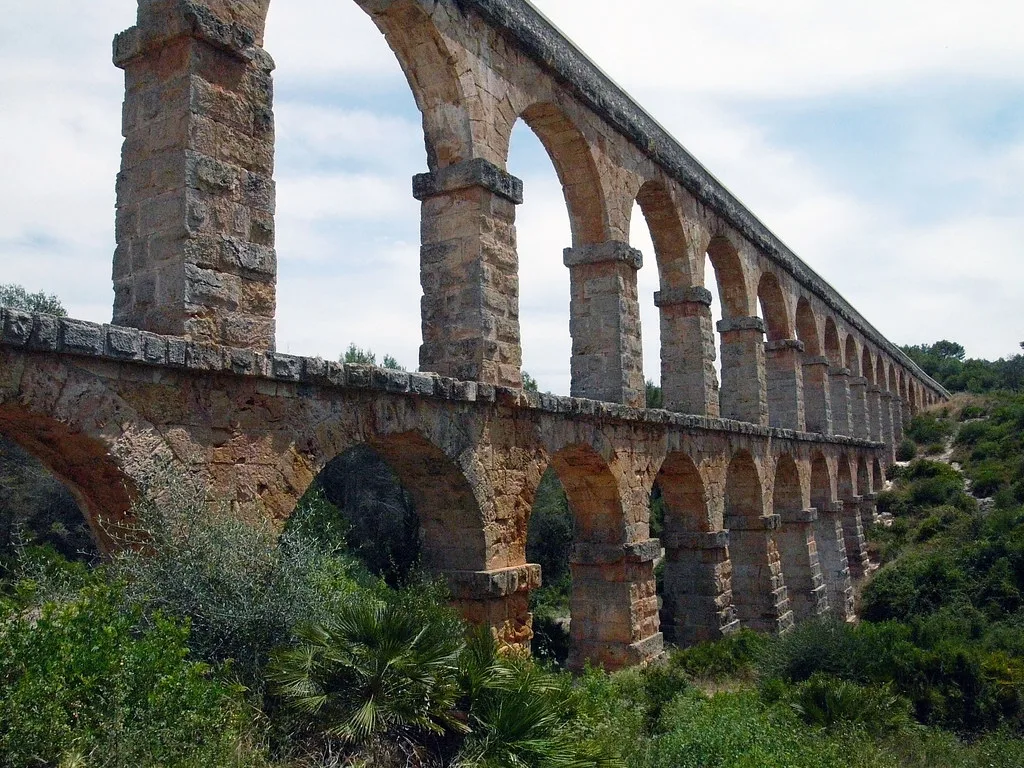
The scale is the point. Two tiers of arches carry the water channel across a dip in the ground, and the whole thing is best appreciated by walking along the top or down into the gully beneath. Allow time simply to look at it from different angles, because the view from below shows the arcade's height far better than the roadside approach.
Where it is and how to get there
The aqueduct lies on the N-240 towards Lleida, roughly 4km from Tarragona's centre, and the local bus lines 5 and 85 serve a stop named Pont del Diable. That makes the bus the simplest option if you are staying in the city without a car. Check the current timetable before setting out, since the last return bus is the detail that shapes your afternoon.
Drivers have the easier trip, following the Lleida road out of Tarragona and parking near the monument. If you are basing yourself in Tarragona and want a wider look at the city's Roman sites and neighbourhoods before deciding what to combine with the aqueduct, the Tarragona Attractions: 4 Visitor Guides section sets out the main options.
Walking from the city
Walking to the aqueduct from Tarragona is feasible and takes about an hour each way at a steady pace, but it is not a shaded stroll. The route follows roads and open ground, so build the walk into a half-day and carry water. Doing it in the middle of a summer day is the classic mistake; early morning or late afternoon is far more comfortable.
A sensible plan is to take the bus out and walk back, or the reverse, so you see the aqueduct without turning the day into a slog. The walk back into Tarragona brings you towards the coast and the city centre, where the amphitheatre sits close to the beach below the old town.
What you see on arrival
Two rows of arches rise in tiers above the gully, with the upper channel where the water once ran. You can walk along the top for the long view down the arcade, then drop into the dip to look up at the piers and the springing of the arches. The stonework rewards a slow look: the cut blocks and the way the tiers line up are the details that make Roman engineering legible.
There is no grand visitor centre around the monument, so the visit is self-guided. Wear shoes with grip for the slopes and the uneven ground under the arches, and bring sun protection, because the site offers little cover.
A short history
Les Ferreres supplied water to Tarraco, the Roman provincial capital whose amphitheatre, circus and walls still shape the modern city. The aqueduct belongs to that same period of Roman infrastructure, and the surviving arcade is the reason it remains one of the region's most photographed ancient structures. Reading up on Roman Tarragona before you go makes the arches easier to place in the city's layout.
Pair the aqueduct with the city's Roman core and the history clicks into place. The Tarragona Amphitheatre, cut into the hillside above the beach, and the Roman Circus under the old town both show how thoroughly Tarraco was built up; the aqueduct shows the engineering that kept it supplied. If you are still weighing which Roman sites deserve your time, the things to do in Tarragona guide ranks them alongside the aqueduct.
Tickets, opening hours and what to check
The aqueduct is managed as part of Tarragona's Roman heritage, so check the current access arrangements before you travel rather than assuming the gates are always open. The city's heritage sites are grouped under the Museum of History of Tarragona (MHT), which sells combined passes for the amphitheatre, circus, walls and other monuments. If you plan to see several, a pass usually works out cheaper than paying at each door.
Opening times and any entry charge change with the season, so confirm them on the official Tarragona tourism page or at the city's tourist office before you set out.
Nearby: beaches and the coast
The aqueduct sits inland, but the Costa Daurada coast is a short hop away. Platja Llarga is the biggest sandy beach in the area, about twenty minutes from the city by bus and a short walk, with restaurants and a sailing club nearby. Buses 8, 11 and 13 run from the Rambla towards the northern beaches, which makes a beach afternoon an easy add-on to a morning at the arches.
Inland, the medieval town of Altafulla and the castle at Tamarit are reachable by train or car from Tarragona and make a natural second stop if you have a full day. Both are quieter than the city and work well after a morning at the aqueduct. If you would rather spend the rest of the day in the city itself, the things to do in Tarragona guide covers the main sights and neighbourhoods.
Combining it with Roman Tarragona
The aqueduct alone takes an hour or two; the city's Roman sites take most of a day. Start early with the amphitheatre near the beach, then work up through the old town to the circus and the walls. The Tarragona Cathedral, built on the site of a Roman temple to Augustus, sits at the top of the medieval quarter and makes a natural end point, and if you want to linger in that quarter afterwards the Tarragona Neighborhoods guide explains where it sits in the city.
If you are working out how the aqueduct fits into a wider itinerary, the things to do in Tarragona guide covers the city's main sights and neighbourhoods in more detail, and the Tarragona Neighborhoods: 3 Area Guides help you choose where to base yourself for lunch and an evening out.
Plan Your Visit
Go early or late, take the bus out if you are not driving, and give the aqueduct at least an hour so the two tiers of arches get a proper look. Check the bus times and the current access arrangements before you leave the city, then build the rest of the day around the Roman core or a beach. The result is a half-day that feels like a proper excursion rather than a box-ticking stop.
Frequently Asked Questions
How far is the Pont del Diable from Tarragona city centre?
It stands on the N-240 towards Lleida, about 4km from the centre. Bus lines 5 and 85 serve a stop named Pont del Diable, and walking takes roughly an hour each way.
Can you walk to the Les Ferreres aqueduct from Tarragona?
Yes, but allow about an hour each way along roads and open ground with little shade. Take water and go early or late, and consider taking the bus one way to save your legs.
Do you need tickets for the Pont del Diable?
Access arrangements change with the season; check with Tarragona tourism or the city tourist office. Tarragona's Roman monuments are grouped under the MHT, which sells combined passes that cover several sites.
How long should I spend at the aqueduct?
An hour or two covers the monument properly, including the walk along the top and down into the gully beneath the arches. Add travel time if you are coming by bus.
What else is near the Pont del Diable?
The coast is close: Platja Llarga is the biggest beach in the area, with buses 8, 11 and 13 running north from the Rambla. Inland, Altafulla and the castle at Tamarit make a natural second stop.