
Roman Circus Tarragona: What to See at the Circ Romà
The Roman Circus in Tarragona is the hippodrome where chariot races ran in Roman Tarraco, and most of it now lies under the medieval city centre. What you visit is a stretch of surviving structure and the vaulted passages that once funnelled spectators to their seats, plus the Praetorium tower that rises above the site. Treat it as one part of a Roman half-day with the amphitheatre rather than a stand-alone blockbuster, and the visit makes sense.
What the Roman Circus in Tarragona is
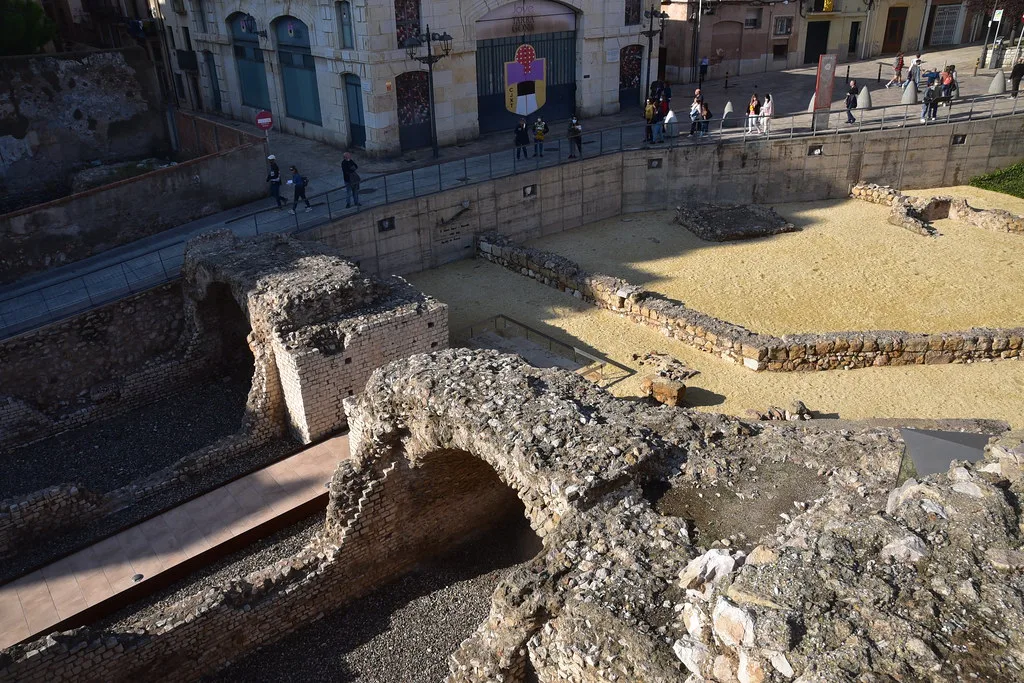
The circus was a racing track built in the first century AD, measuring roughly 350 metres by 115 metres with capacity for around 30,000 spectators, according to Barcelona Lowdown. It sat inside a city that was capital of the Roman province of Hispania Tarraconensis, which is why the remains here are on the UNESCO World Heritage list alongside a dozen other Roman sites. The track itself has gone: later building swallowed the stands, and the medieval street plan of the Part Alta now sits on top of the Roman footprint.
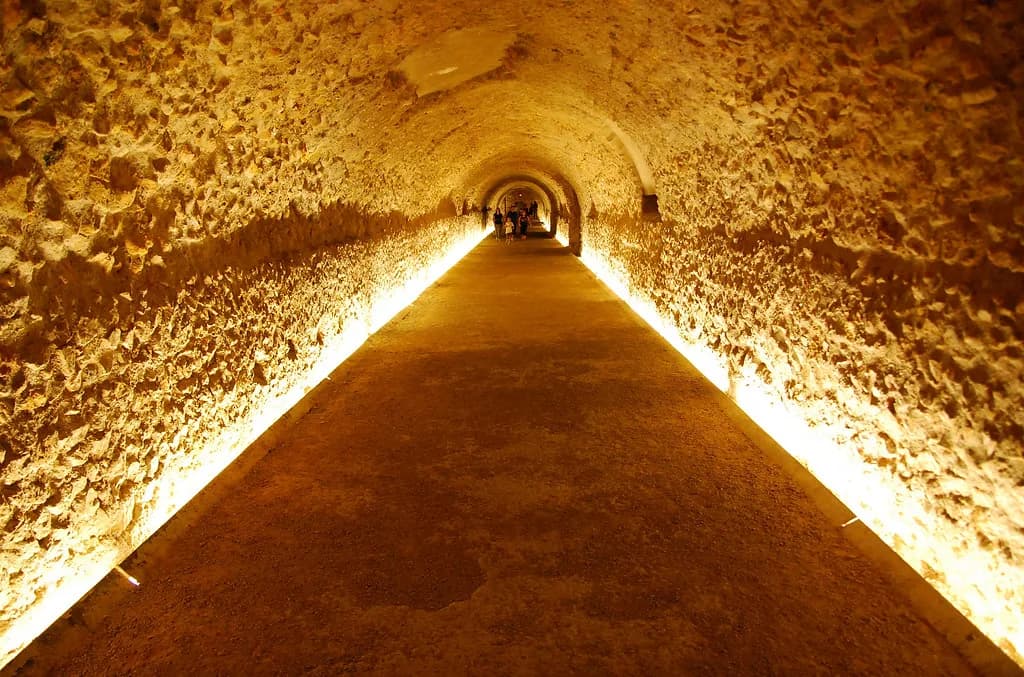
What remains is best understood as the service architecture of the circus. Sections of wall and the tunnels that once gave access to the seating survive beneath the surrounding streets and buildings, and these are what you walk through on a visit. Go in expecting Roman engineering and atmosphere rather than a reconstructed arena, and the site delivers.
Where it is and how to reach it
The circus sits in Tarragona's old town, close to the Roman Amphitheatre and the Mediterranean, with the Praetorium tower forming part of the visiting circuit. If you arrive by train, the station is about a ten-minute walk from the centre: turn right out of the station, take the stone staircase on the left after a few metres and you come up at the Balcó del Mediterrani and Rambla Nova. From there the Roman sites are uphill in the Part Alta, so wear shoes that cope with cobbles and steps.
Rambla Nova is the easy orientation line: it runs across the city from Plaça Imperial to the Balcó del Mediterrani, and the old town and its Roman remains sit above and behind it. Arriving on the AVE high-speed train puts you at Camp de Tarragona station, 16 kilometres outside the city and connected by bus and taxi rather than a short walk. Regional trains from Barcelona take around an hour and stop at the central station, which is the more practical choice for a day trip.
What you actually see: walls and vaulted tunnels
The visit is an underground one. You follow passages that once carried spectators to the stands, with sections of the circus structure visible where later buildings have been peeled back. Low ceilings and uneven floors are part of the experience, so a small bag and flat shoes help.
Because the circus is fragmentary and buried, the interpretation matters more than the monument count. Read the panels as you go and the tunnels stop looking like corridors and start reading as the back-of-house of a 30,000-seat venue. Budget longer than you would for a photo stop at street level. If you are weighing whether the circus earns its slot in your itinerary, compare it with the rest of the things to do in Tarragona before you commit an afternoon.
The Praetorium and the Torre del Pretori
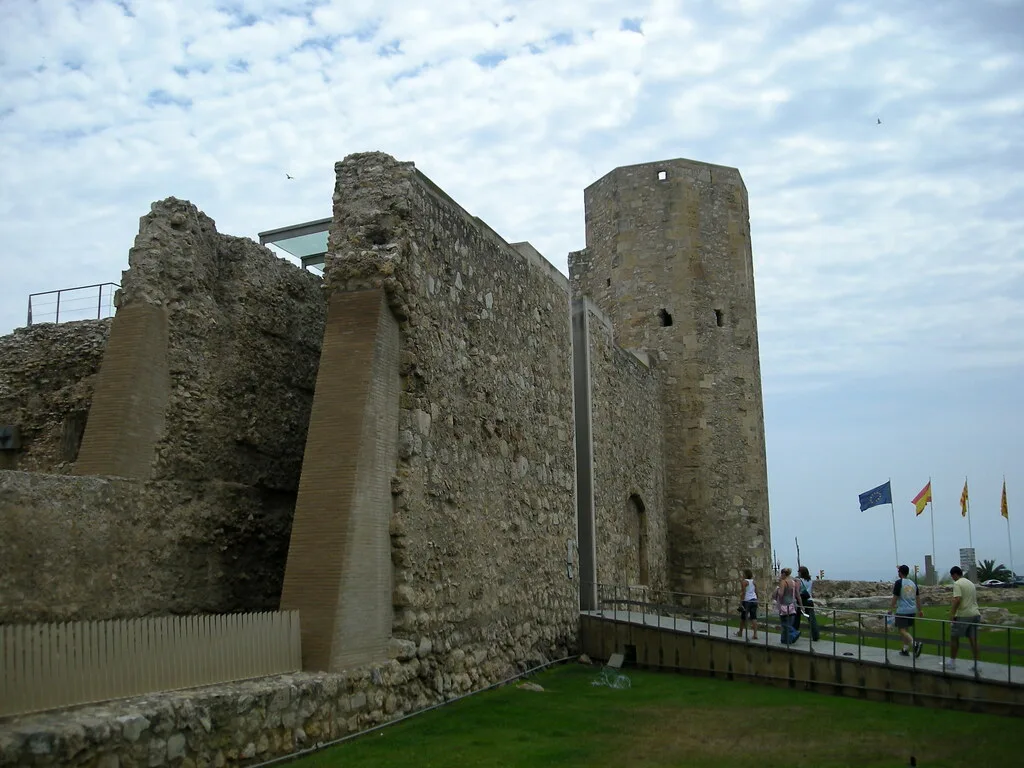
The Praetorium tower is included in the circus circuit and is the reason to time your visit rather than drift through. Climb it late in the day and you get views over the amphitheatre and across the old town, with the cathedral facade catching the low sun; the TGNA guide recommends the sunset climb for exactly that ochre light on the cathedral. Check the day's closing time before you plan an evening ascent, since the tower shuts with the site rather than with the sunset.
How long to allow, and pairing it with the amphitheatre
Give the circus and tower around an hour, more if you read every panel or linger on the roof. The amphitheatre is a few minutes' walk away, cut into the hillside above the beach, and the two together make a natural Roman pairing. At the amphitheatre, buy the ticket and go down into the arena rather than photographing it from outside; the arena level is where the scale lands. It slots easily into a wider plan of the things to do in Tarragona.
If you want a fuller Roman day, add the Colonial Forum near the Central Market and the Provincial Forum in the historic centre, which are separate sites and easy to confuse. Allow a comfortable half-day for the circus, amphitheatre and one forum, and keep the cathedral quarter for a cooler, slower hour afterwards.
Tickets and passes
Tickets for the circus and the city's other Roman sites are sold through the Museu d'Història de Tarragona (MHT), individually or as combined passes bought at the ticket desk of each participating attraction. Barcelona Lowdown lists single-site adult entry at €3.30, a four-site pass at €7.40 and an all-sites pass at €11.05, with reduced rates and free entry for children under 16. Treat those as the published figures rather than a promise for your dates.
The trade-off is straightforward: if you are visiting only the circus and amphitheatre, singles may be enough, but once you add a forum or the walls the combined pass usually wins. The TGNA apartment guide describes a €15 ticket covering five heritage sites in one day, bought online through the Tarragona History Museum, including the Archaeological Promenade, Praetorium and Circus, Amphitheatre, Colony Forum and Casa Canals. Compare that offer against the MHT passes on the day you book and pick whichever covers the sites you will actually reach.
Opening hours and last entry change with the season, so check the Museu d'Història de Tarragona's own pages for the day you plan to visit. Buy online where you can: it saves queueing at the ticket desk and secures a slot on busy weekends.
Practical timing around the Spanish day
Spanish lunch runs from about 1.30pm to 4pm and dinner starts around 8.30pm to 9pm, which leaves a useful afternoon window for the circus and tower. Do the underground passages in the middle of the day when the sun is at its fiercest, then climb the Praetorium later for the light. Many kitchens close between services, so plan a proper sit-down meal either before 4pm or after 8.30pm rather than at 6pm.
Nearby: forums, walls and the cathedral quarter
The Archaeological Promenade follows the Roman walls that once ringed Tarraco, and over a kilometre of well-preserved wall survives after 19th-century expansion destroyed other sections. It is a gentle walk with views and pairs well with the circus on the same ticket. The Field of Mars sits next to the promenade and works as a landmark when you are finding your way through the old town.
The medieval streets around the cathedral are a labyrinth of cobbles and small squares, good for a slow hour with a vermouth or coffee after the Roman sites. The cathedral itself mixes Romanesque and Gothic work and occupies a site that once held a Roman temple to Augustus, so it continues the same story above ground. Entry prices and visiting times are posted at the door.
If you have a car or a spare half-day, the Pont del Diable aqueduct stands in woodland about four kilometres from the centre, reachable by bus or on foot, and it is the most dramatic single Roman structure in the area. It supplied water to the city until the 18th century. Save it for a separate trip rather than cramming it into the circus morning.
Where to eat afterwards
The old town and the port area cover most appetites. El Serrallo is the old fishermen's quarter beside the harbour and is where locals go for seafood, with the church of Sant Pere and the old harbour clock as landmarks while you walk off lunch. The Plaça del Fòrum in the historic centre is ringed by small bars and restaurants with outside tables, and on Saturdays it hosts a food market that makes a light lunch easy.
For a Roman-themed meal, the Tàrraco a Taula association groups restaurants cooking dishes inspired by ancient recipes. The TGNA guide singles out El Terrat and its tasting menu, which includes garum, as its most memorable option. Book ahead for dinner, which starts around 8.30pm rather than at British teatime.
Is it worth it? The honest trade-off
Come for the tunnels, the tower and the sense of a buried city, not for a stadium view: there is no sweeping arena to photograph at the circus itself. The amphitheatre next door supplies the grandstand moment, which is why the two work as a pair. If you only have an hour in Tarragona, spend it at the amphitheatre and the Balcó del Mediterrani and save the circus for a return visit. It is one of several choices that depend on where you base yourself, so check the Tarragona Neighborhoods before you settle on an area, and see what else the city offers with this guide to the things to do in Tarragona.
Plan Your Visit
Build the circus into a half-day with the amphitheatre, the Praetorium tower and one forum, and choose a combined pass only if you will genuinely reach the extra sites. Time the tower for late afternoon and eat either before 4pm or after 8.30pm to match the Spanish day. Check the Museu d'Història de Tarragona for current opening times and ticket prices before you travel.
Frequently Asked Questions
Is the Roman Circus in Tarragona worth visiting?
Yes, if you know what you are getting. The circus is largely buried beneath the medieval city, so you visit surviving walls, the vaulted access tunnels and the Praetorium tower rather than a reconstructed racetrack. Pair it with the amphitheatre a few minutes away for the grandstand moment, and allow about an hour for the circus and tower together.
How much does it cost to visit the Roman Circus in Tarragona?
The circus is managed by the Museu d'Història de Tarragona and sold as a single ticket or within combined passes bought at each participating site's ticket desk. Barcelona Lowdown lists adult prices for a single site, a four-site pass and an all-sites pass, with reduced rates and free entry for under-16s. Confirm the current price with the museum before you buy.
How long do you need at the Roman Circus?
Allow around an hour for the circus passages and the Praetorium tower, and longer if you read the interpretation panels or linger on the roof for the views. Add another hour for the amphitheatre nearby. A half-day covers both comfortably with a forum or the walls.
Can you walk through the tunnels under the Roman Circus?
Yes. The surviving vaulted passages that once led spectators to their seats are the core of the visit, and you walk through them beneath the surrounding streets. Expect low ceilings, artificial light and uneven floors, so flat shoes and a small bag make it easier.
What is the Praetorium tower and is it included?
The Torre del Pretori is the Roman tower that forms part of the circus visiting circuit and gives rooftop views over the amphitheatre, the old town and the cathedral. It is included with the circus rather than sold separately. Go late in the day for the best light, but check the site's closing time first, as the tower closes with the site.
What else is near the Roman Circus in Tarragona?
The Roman Amphitheatre is a few minutes' walk away, the Colonial Forum sits near the Central Market and the Provincial Forum lies in the historic centre. The Archaeological Promenade follows the surviving Roman walls, and the cathedral quarter is a short climb uphill. The Pont del Diable aqueduct is about four kilometres outside the centre and needs its own trip.