
Castillo de San Cristóbal: Tenerife's Subterranean Castle Remains

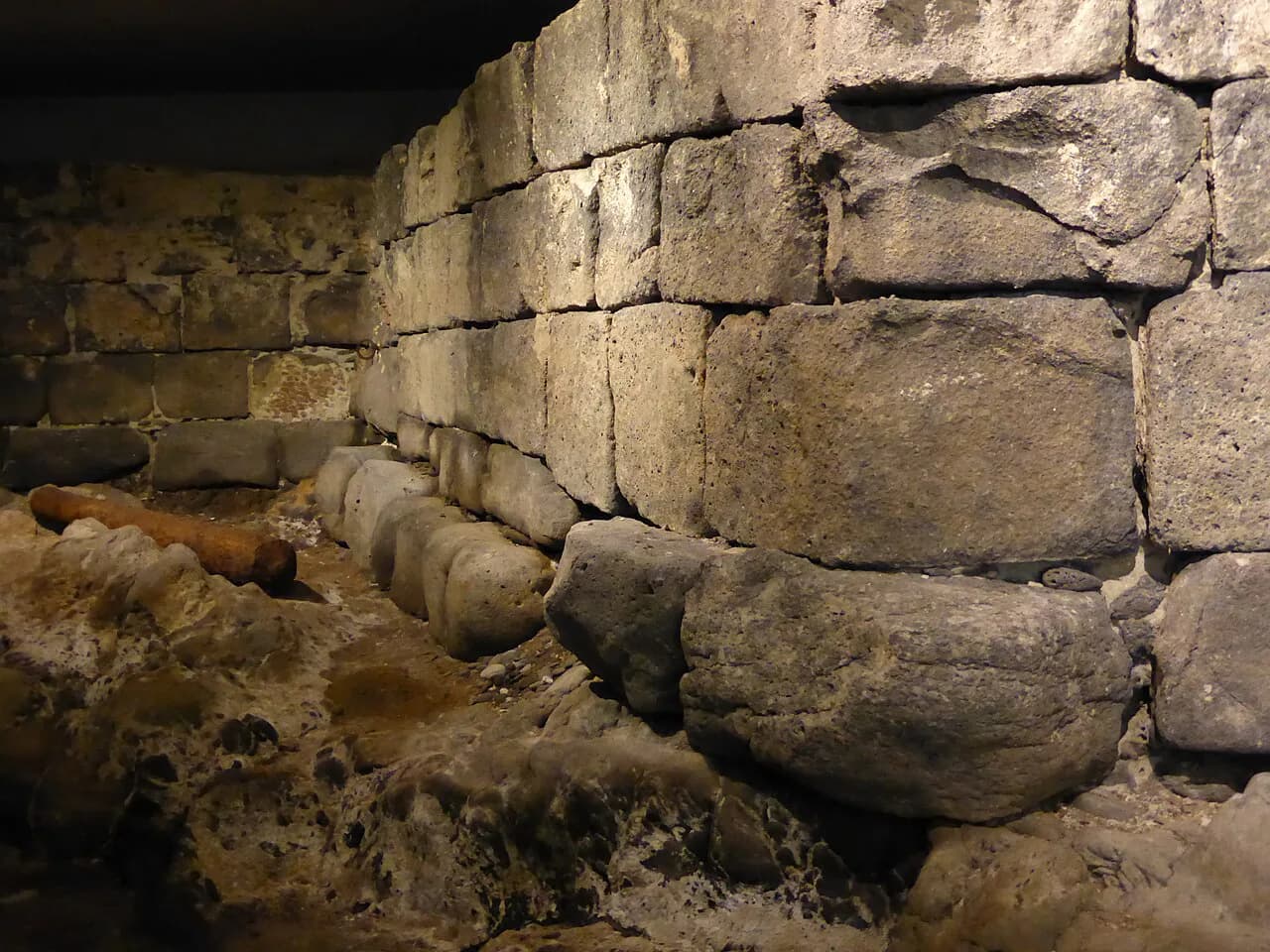
The Castillo de San Cristóbal is not a castle you walk around. It is a small, free interpretation centre beneath Plaza de España in Santa Cruz de Tenerife, built around a surviving stretch of the fortress wall that was uncovered during the square's remodelling. Expect twenty to thirty minutes underground, not a half-day out.
Two things justify the stop: the wall remains themselves, displayed in a purpose-built subterranean gallery, and the bronze cannon known as El Tigre, an eighteenth-century piece associated with Nelson's failed assault on the city. Both sit a few steps from the plaza's lake, where the castle's footprint is marked in the paving.
What the Castillo de San Cristóbal is today
The site is run by the Museo de Historia y Antropología de Tenerife as the Centro de Interpretación Castillo de San Cristóbal. Its exhibition sets the wall remains in context, tracing the island's defensive system and the castle's own life from construction to demolition rather than presenting a standing monument.
The castle was built around 1575 and demolished in 1928, so there is no battlement, tower or courtyard to climb. What you get instead is archaeology, interpretation panels and one exceptional object, all in a compact underground space. If you are picturing a fort, reset expectations before you go.
Where it is and how to get there
The entrance is on Plaza de España, the square at the western edge of Santa Cruz's centre where the city meets the port area. It is a short walk from the main shopping streets and from the transport hub around the Intercambiador, which makes it easy to fold into a morning in the city rather than a separate trip.
Because the centre sits under the square, the entrance is easy to walk past; look for the access point on the plaza rather than a historic facade. Pair it with a wander through central Santa Cruz de Tenerife, which has the city's main shopping and civic buildings within a few minutes' walk.
Opening hours, last access and admission
The centre opens Monday to Saturday from 10:00 to 18:00, closed on public holidays, with last access fifteen minutes before closing. Admission is free. Sunday is not included in the published schedule, so plan a weekday or Saturday visit.
Public holidays can shift the pattern, and the museum publishes its own calendar, so check the day before if your visit falls near a fiesta. Turning up in the final quarter of an hour only gets you through the door, not a proper look at the exhibits.
What you see underground
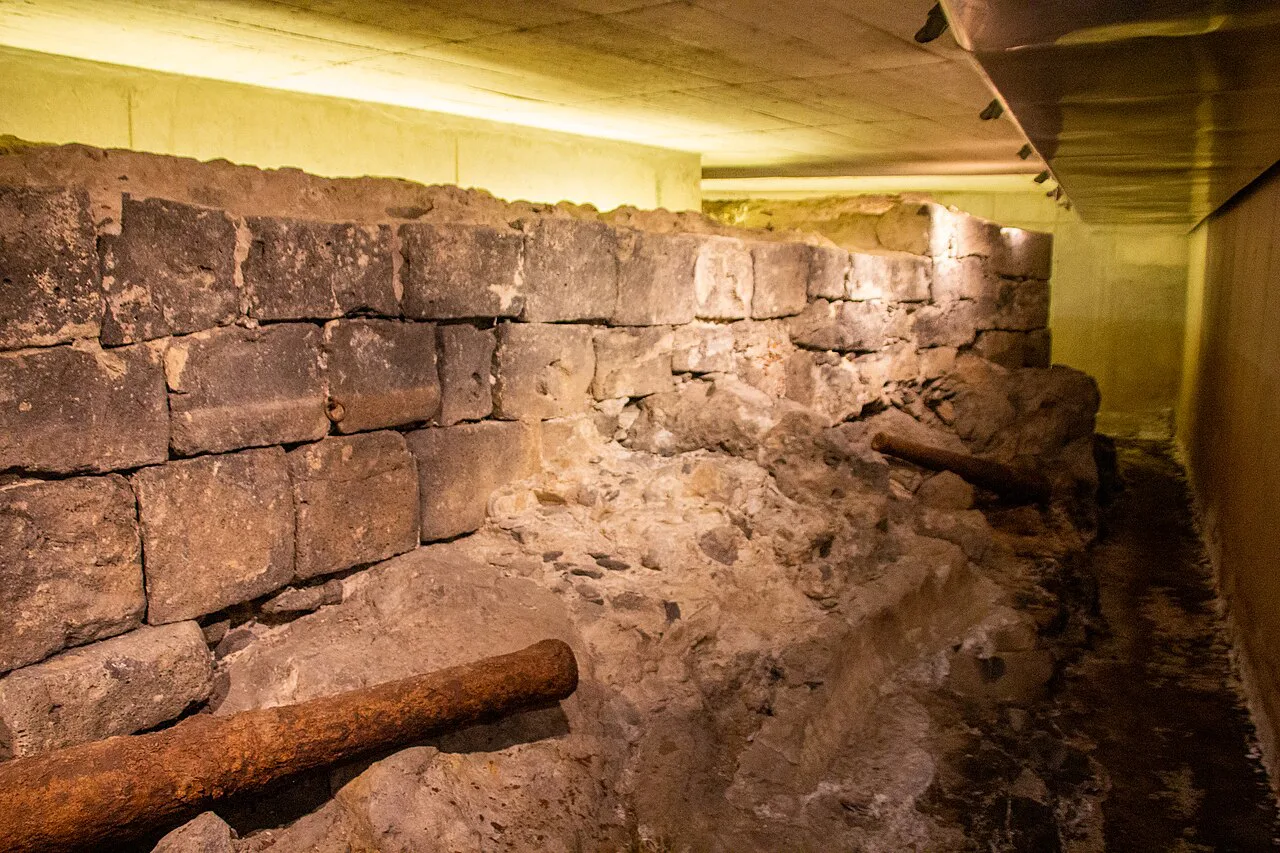
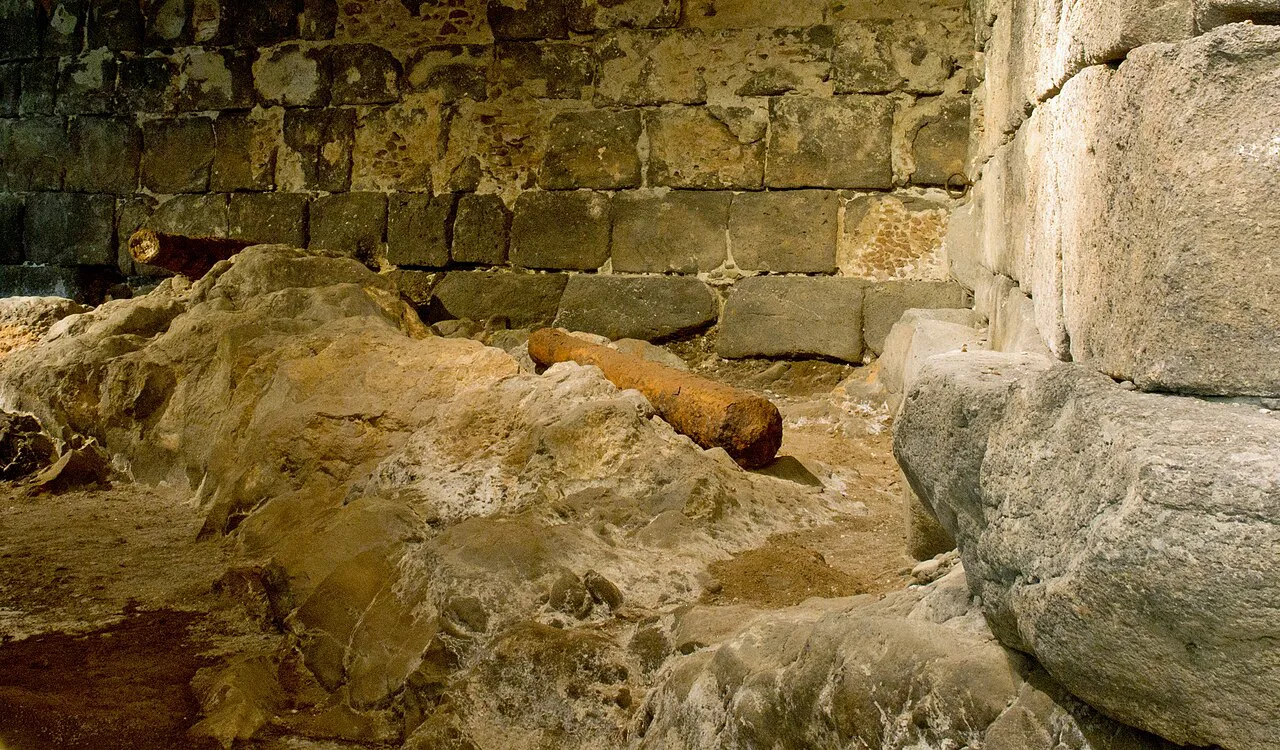
The core of the visit is the surviving section of the castle's perimeter wall, found in June 2006 during remodelling work on Plaza de España. The project, designed by Herzog & de Meuron, folded a subterranean gallery into the new square so the remains could be protected and shown to the public.
Around the wall, the exhibition explains how Santa Cruz and the rest of the island were defended, drawing in other fortifications such as San Juan and Paso Alto in the city, San Felipe in Puerto de la Cruz and San Miguel in Garachico. It is a useful primer if you plan to visit any of those sites later in your trip.
Look up when you come back out: the outline of the castle's plan is marked on the floor of the lake in Plaza de España, which now covers part of the original site. It is the kind of detail most visitors miss, and it ties the underground gallery back to the square above.

El Tigre: the cannon and the Nelson story
Since 25 July 2009 the centre has displayed El Tigre, an eighteenth-century bronze cannon cast in a Seville workshop, roughly 3 m long and weighing about 2,000 kg. It was moved here from the Museo Histórico Militar de Canarias and sits in its own conditioned room.
The gun is tied to the night of 24 July 1797, when British forces under Horatio Nelson failed to take Santa Cruz. Popular tradition holds that El Tigre inflicted the wound that cost Nelson his arm, though the museum is careful to call this tradition rather than proven history. Treat the story as the gripping local legend it is.
The wider chain of Tenerife castles
The interpretation centre works best as an orientation point for the island's other fortifications. In Santa Cruz, the castles of San Juan and Paso Alto belonged to the same defensive scheme; further afield, San Felipe at Puerto de la Cruz and San Miguel at Garachico still stand and can be visited on separate days out.
If coastal forts appeal, build them into a wider island itinerary rather than treating San Cristóbal as the main event. The Tenerife Attractions: 6 Visitor Guides hub covers the big-name sights, from the volcanic landscapes of Teide National Park, Tenerife to the city's own parks and markets, so you can slot the castle into a realistic day.
How long to allow and when to go
Budget twenty to thirty minutes for the gallery and cannon. That leaves the rest of the morning for the city, and it times neatly with Spanish eating habits: arrive when the centre opens at 10:00, finish well before lunch, and sit down to eat between 13:30 and 16:00 rather than rushing.
The underground space is sheltered, which makes it a sensible stop when the weather on the coast turns, and it is compact enough for mixed groups where not everyone wants a long museum visit. History-minded travellers will linger over the panels; everyone else will be through in a quarter of an hour.

Nearby in central Santa Cruz
Plaza de España itself is the obvious place to linger, and the lake with the castle outline is directly outside. A few minutes inland, the Parque García Sanabria, Santa Cruz gives you a larger green space with sculptures and shade, a good contrast to the underground gallery.
For a city market with produce, stalls and a proper sense of local shopping, head to the Mercado de Nuestra Señora de África, Santa Cruz, where the food side of Tenerife is on show. The Auditorio de Tenerife Adán Martín, the city's striking waterfront concert hall, is another short hop if you are staying in the centre.
Practical trade-offs
This is a small site. If you want ramparts, sea views and a full afternoon of exploring, the Castillo de San Cristóbal will disappoint; it rewards curiosity about how the city defended itself rather than a taste for spectacle. If that taste for scale is what you are after, it is worth working out how many days in tenerife you have before committing a slot to it. Come for the wall, the cannon and the story, not for scale.
Its central position and free entry make it a low-risk addition to a Santa Cruz morning, especially combined with the market or a walk through the city's parks. Skip it only if your time on the island is very short and already committed to the big natural sights. If you are weighing how long to base yourself here, our guide to how many days in tenerife helps you judge whether a city morning like this fits.
Plan Your Visit
Go on a weekday or Saturday between 10:00 and 18:00, allow half an hour, and spend the rest of the morning in central Santa Cruz. The underground setting means weather rarely spoils the plan, and the plaza location keeps transport simple.
Check the museum's calendar for public holidays before you set out, then build the visit around lunch rather than the other way round. For the rest of your island sightseeing, the things to do in tenerife guide covers the bigger draws, from Basílica de Candelaria, Tenerife to Teide National Park.
Frequently Asked Questions
Is the Castillo de San Cristóbal a standing castle?
No. The fortress was demolished in 1928, and what remains is a surviving stretch of its perimeter wall, displayed in a free underground interpretation centre beneath Plaza de España in Santa Cruz de Tenerife.
How much does it cost to visit?
Admission is free according to the Museo de Historia y Antropología de Tenerife, which runs the centre. Check current details before you travel, as arrangements can change.
What are the opening hours?
The centre opens Monday to Saturday from 10:00 to 18:00, closed on public holidays, with last access fifteen minutes before closing. Check the museum calendar around fiestas.
Can you still see the castle walls?
Yes. A section of the castle's perimeter wall was uncovered in June 2006 during remodelling of Plaza de España and is now displayed in a subterranean gallery built into the new square.
What is the El Tigre cannon?
El Tigre is an eighteenth-century bronze cannon, about 3 m long and 2,000 kg, cast in Seville and displayed at the centre since 25 July 2009. Popular tradition links it to the wound that cost Horatio Nelson his arm in 1797.
How long should I allow for a visit?
Twenty to thirty minutes covers the wall remains, the exhibition panels and the cannon. It fits neatly into a morning in central Santa Cruz before lunch.
What else can I see nearby?
Plaza de España and its lake sit directly outside, the Parque García Sanabria is a short walk inland, and the Mercado de Nuestra Señora de África is nearby for food shopping.
Is it worth visiting with children?
The underground gallery is compact and sheltered, so it suits short attention spans. The cannon and the Nelson story tend to land better with children than the interpretation panels.