
Teide National Park, Tenerife: A Visitor's Guide
Teide National Park is the volcanic heart of Tenerife, a UNESCO World Heritage site inscribed in 2007 that covers more than 18,990 hectares at roughly 2,000 m above sea level, with Pico del Teide rising to 3,718 m. Entry to the park itself is free, so your budget decision is about transport and the cable car rather than a gate ticket.
Most visitors come for one of two things: the eight-minute cable car ride up to La Rambleta station, or a day of waymarked trails through lava flows and rock formations. The one thing that catches people out is the final climb to the crater, which needs a free permit if you start after 09:00.
What Teide National Park is
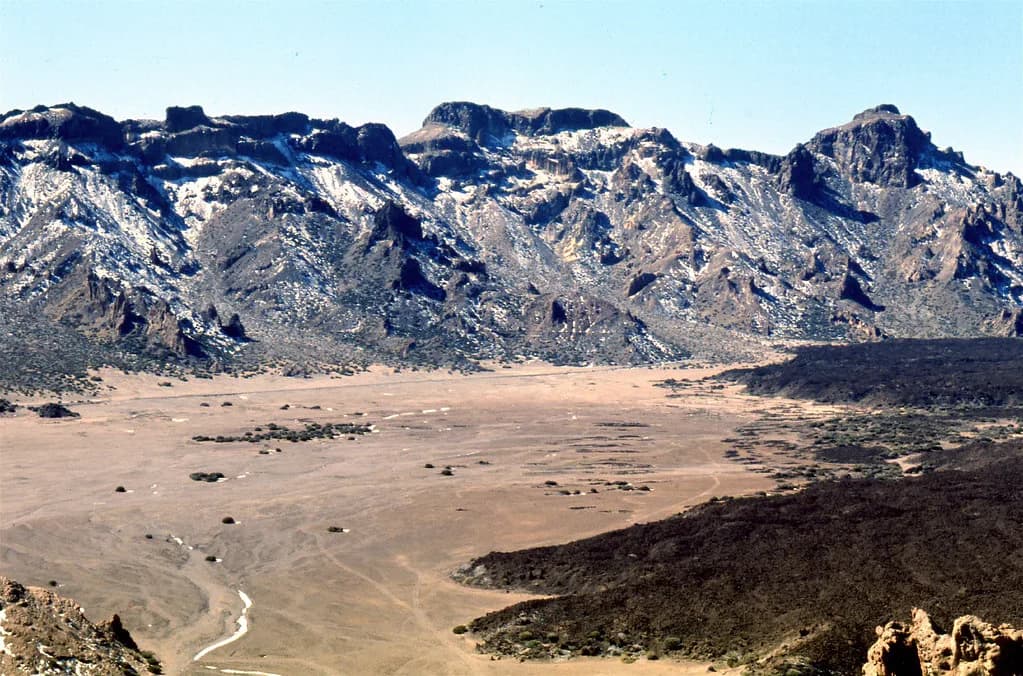
The park dominates the centre of Tenerife and draws over three million visitors a year, making it the most visited national park in Spain. It was listed for its exceptionally complex, mature volcanic system, and the landscape of caves, lava tongues and cones is unlike anything else in the Canary Islands.
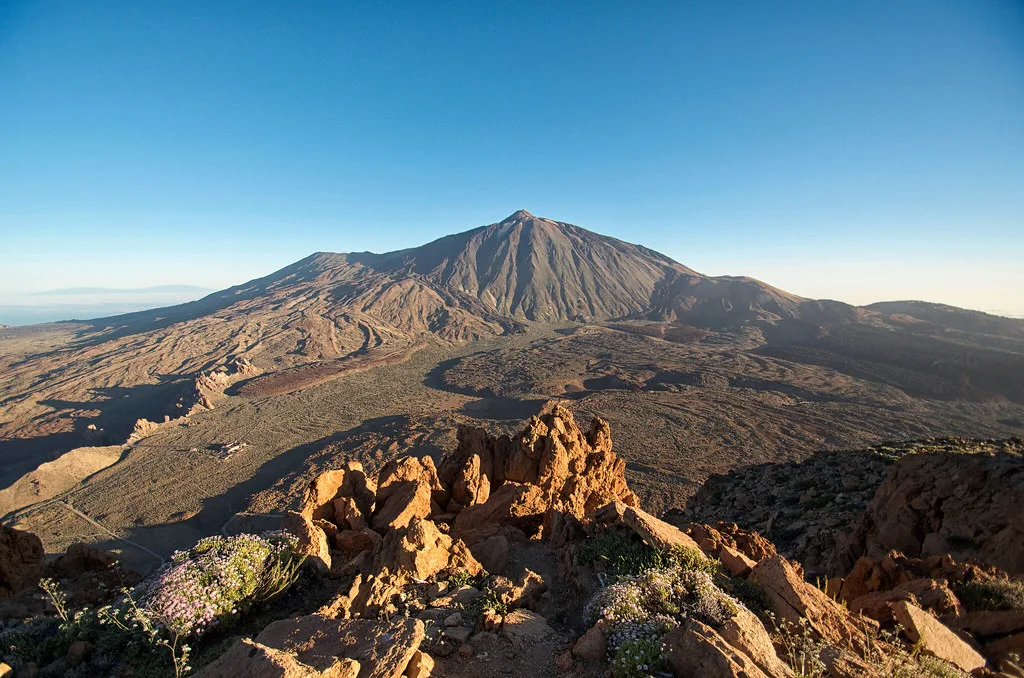
Pico del Teide is Spain's highest peak at 3,718 m and forms part of the Teide-Pico Viejo stratovolcano, the third-highest volcanic structure in the world. The park also holds endemic plants and animals found nowhere else, which is why the UNESCO listing covers the whole landscape rather than the summit alone.
For a visitor, that translates into an otherworldly, near-lunar scene of rock, pumice and bare cones, best appreciated slowly rather than from a moving car. If you are building a wider itinerary around the island, our other Tenerife Attractions: 6 Visitor Guides cover parks, markets and architecture in Santa Cruz and beyond.
Where the park sits and how the access roads work
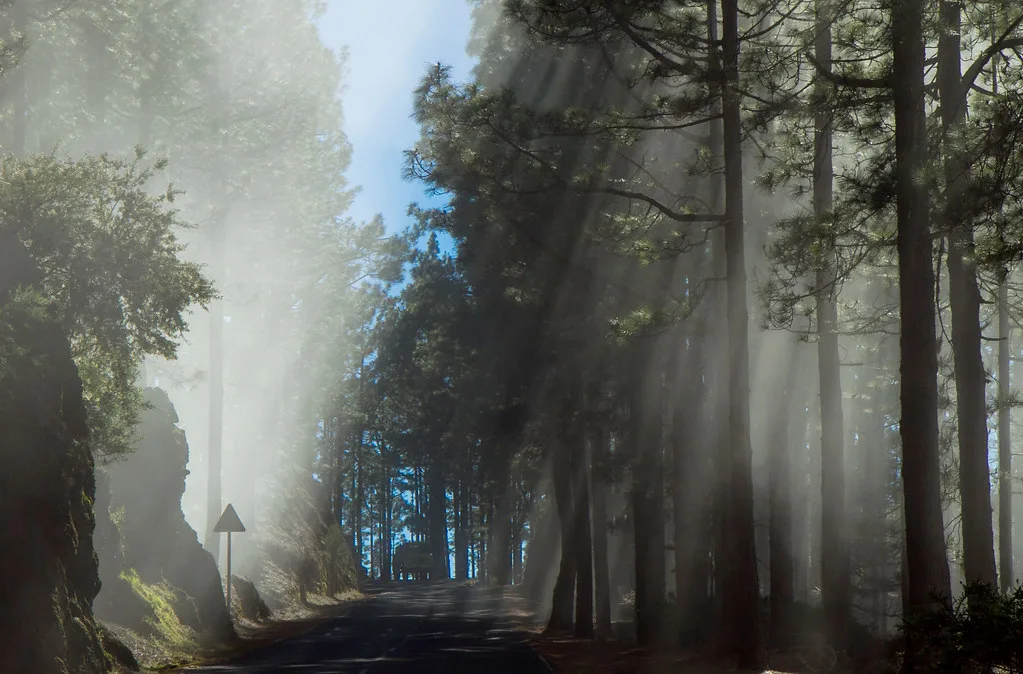
The park lies in the middle of Tenerife, and the main road into it is the TF-21, which arrives from the north through La Orotava and from the south via Vilaflor. From the west you take the TF-38 through Chío, which joins the TF-21 and puts you into the park from a third direction.
Roads and signage on Tenerife are well maintained, so navigating to the park is straightforward even on a first visit. A hire car is the most flexible option, and public buses (guaguas) also run to the park as a fallback.
Getting there by hire car
Drive times vary sharply by coast: roughly 30 minutes from Los Cristianos and Costa Adeje in the south via Arona and Vilaflor, about an hour from Puerto de la Cruz in the north through La Orotava, and around 40 minutes from Los Gigantes in the west. Parking inside the park is free, which removes the usual worry about meters and time limits.
Because the park sits at around 2,000 m, the drive climbs hard and the temperature drops on the way up. Set off with a jacket in the boot even if you left the coast in beach weather, and allow for the altitude on the final stretch of road.
Buses and guided trips
Tenerife's public buses are called guaguas, and services do run to the park, but timetables change often enough that you should confirm your return journey with Titsa before committing to a bus-only day. Miss the last convenient departure and you are stranded at altitude with no cheap way down. If the bus timetable feels too tight, weigh it against how many days in tenerife you have and consider a guided trip or hire car instead.
Without a car, a guided trip is the simplest way to see the park, since transport, timing and the main viewpoints are handled for you. It costs more than a bus fare but buys certainty on a day when wind or cloud could otherwise waste the journey. If you are still deciding how many days in tenerife to set aside, a guided tour makes it easy to fit the park into a tighter schedule.
Riding the cable car to La Rambleta
The cable car is the popular way up Mount Teide, and the ride to the top station, La Rambleta, takes only eight minutes. On a clear day the views stretch beyond Tenerife to La Gomera, El Hierro, Gran Canaria and La Palma, so pick a day with good visibility rather than settling for the first free morning.
The cable car runs only in stable weather, and strong winds can suspend services until conditions improve. Build a backup plan into the day, such as a low-level walk or a Santa Cruz de Tenerife afternoon, so a cancelled ride does not sink the whole outing.
Reaching the summit: the free permit
From La Rambleta there is a further 163 m of climbing to the crater, an uphill trek of about 40 minutes that is considered difficult. The reward is the top of Spain's highest peak, but the effort is real at this altitude and the path is not a stroll.
If you want to summit Pico del Teide after 09:00, you need a free permit, applied for in advance on the national park website, ideally one to two months ahead. Serious hikers can also take a nighttime summit hike, with stargazing on the way up and sunrise from the peak.
Walking in the park
Beyond the summit, the park holds trails of varying length and difficulty, so a half-day walk and a full day of hiking are both realistic. The Mirador de Samara area gives you a section of trail with big views and passes through striking rock formations and volcanic terrain.
Wear suitable shoes, carry enough water and food, bring layers and use sun protection, because the mountain climate is cold and exposed even when the coast is hot. A stop at one of the park's visitor centres gives you current information on the hikes before you set off.
The observatory and stargazing
Inside the park sits the largest solar observatory in the world, and the Canary Islands are among the best places on the planet for stargazing. Guided visits and night experiences are available, and they work best as a deliberate evening plan rather than something tacked onto a beach day.
If astronomy is the reason for your trip, check what is running before you fix your dates, since guided visits depend on the observatory's own programme. For daytime sightseeing around the island capital, the Auditorio de Tenerife Adán Martín is a striking modern landmark on the Santa Cruz waterfront.
What it costs
There is no entry fee to visit the park; the charge is for the cable car, with tickets sold through Volcano Teide alongside other Teide experiences. Check the current fare when you book rather than budgeting from an old figure.
The summit permit, by contrast, is free, but it is limited and needs booking ahead, so treat it as a deadline rather than a cost. Parking in the park is also free, which keeps a self-drive day relatively cheap once the car is hired.
Weather and altitude
Mount Teide has a mountain climate, so dress for cold weather even on a warm Tenerife holiday, and expect wind to be the deciding factor in whether the cable car operates. A cloudy coast does not always mean a cloudy summit, and vice versa, so check conditions on the day rather than cancelling the night before.
Above 2,000 m, sun and cold both hit harder than at sea level, and the summit climb adds another 163 m of altitude on top of the cable car. Plan the day around shorter walks and earlier starts if you are not used to height.
How long to allow
A half day covers the drive up, the cable car to La Rambleta and time at the viewpoints, which suits families and anyone fitting Teide around other plans. A full day lets you add a proper trail, a visitor centre stop and a slower drive back through Vilaflor or La Orotava; if you are still weighing how many days in tenerife to book, factor in that the park deserves at least a full day of them.
Nature lovers may want more than one day in the park given the variety of trails. If you are short on time, decide between the cable car and a walk before you go, because trying to do both properly in a single morning rarely works. If you are still deciding how many days to give the island, our guide to how many days in tenerife covers 3, 5, 7 and 10-day splits.
Nearby options and eating around the trip
The park sits between the north and south coasts, so you can pair it with a coastal stop on the way back rather than driving straight to the resort. Santa Cruz de Tenerife, with the Parque García Sanabria, Santa Cruz, makes a civilised end to a mountain day and has plenty of places to eat.
Spanish meal times shape the day: lunch runs roughly 1:30–4pm and dinner starts around 8:30–9pm, so a late return from the park still leaves time for a proper evening meal. Eat a substantial lunch before heading up, since the park itself is a landscape to explore rather than a place to graze.
If you want more ideas for the rest of the trip, from markets to city architecture, browse our things to do in tenerife guide and slot Teide in as the day that needs the clearest weather.
Plan Your Visit
Teide National Park rewards planning: pick a clear, calm day for the cable car, apply for the free summit permit one to two months ahead if you want the crater, and dress for 2,000 m rather than the beach. Drive if you can, since parking is free and the TF-21 puts the whole park within reach from either coast.
Keep the day flexible enough to absorb a wind suspension, and treat the observatory or a longer trail as the reason to come back. Confirm cable car tickets and park information with the official operators before you set out.
Frequently Asked Questions
Is Teide National Park free to enter?
Yes. There is no entry fee for the park and parking is free; the charge is for the cable car, and the summit permit is free but must be booked in advance.
Do you need a permit to reach the summit of Mount Teide?
If you want to climb the final 163 m to the crater after 09:00, you need a free permit applied for in advance on the national park website, ideally one to two months ahead.
How long does the Teide cable car take?
The ride from the base station to La Rambleta takes about eight minutes. From there the summit climb is a further 163 m and roughly 40 minutes uphill.
Can you drive to El Teide?
Yes. The TF-21 reaches the park from the north via La Orotava and from the south via Vilaflor, and the TF-38 joins it from the west through Chío. Parking in the park is free.
How do you get to Teide National Park without a car?
Public guaguas run to the park but timetables change, so confirm your return service with Titsa in advance. A guided trip is the simpler option if you want transport and timing handled.
What should you wear to Teide National Park?
Dress for a mountain climate: layers, cold-weather gear, sturdy shoes, sun protection and enough water and food. The park sits at around 2,000 m and the summit is higher still.
Is Teide volcano still active?
Teide is a stratovolcano and forms part of the Teide-Pico Viejo system, the third-highest volcanic structure in the world. Its volcanic landscape of lava tongues and cones is exactly why the park holds UNESCO World Heritage status.
How long should you spend in Teide National Park?
Allow half a day for the drive, cable car and viewpoints, or a full day if you want a trail and a visitor centre stop. Hikers may want more than one day given the range of routes.