
Museo del Greco in Toledo: What to See Inside
The Museo del Greco is the place to start with El Greco in Toledo: a small house-museum in the Jewish Quarter whose two anchors are the Apostolate series and the View and Plan of Toledo. It suits a focused hour or so rather than a whole afternoon, and it makes most sense as the first stop before the cathedral and Santo Tomé, where his largest works hang in their original church settings. Treat it as the first item on a broader list of things to do in Toledo, with the churches following after.
Doménikos Theotokópoulos, born in Crete in 1541, trained in the Byzantine icon tradition before working in Venice and Rome, then settled in Toledo, where he painted the elongated, flickering figures that later fascinated Picasso. Treat the museum as your introduction to that style: the house, gardens and apostolate portraits set up the vocabulary you will read on a much bigger scale in the churches.
Where the museum sits in Toledo
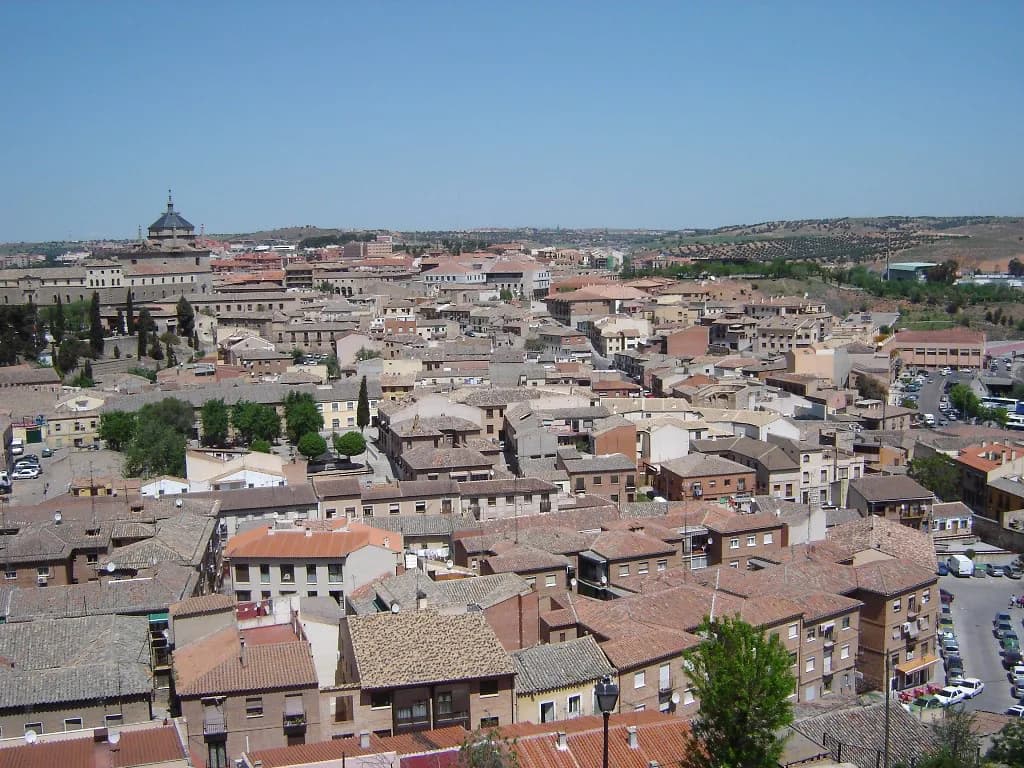
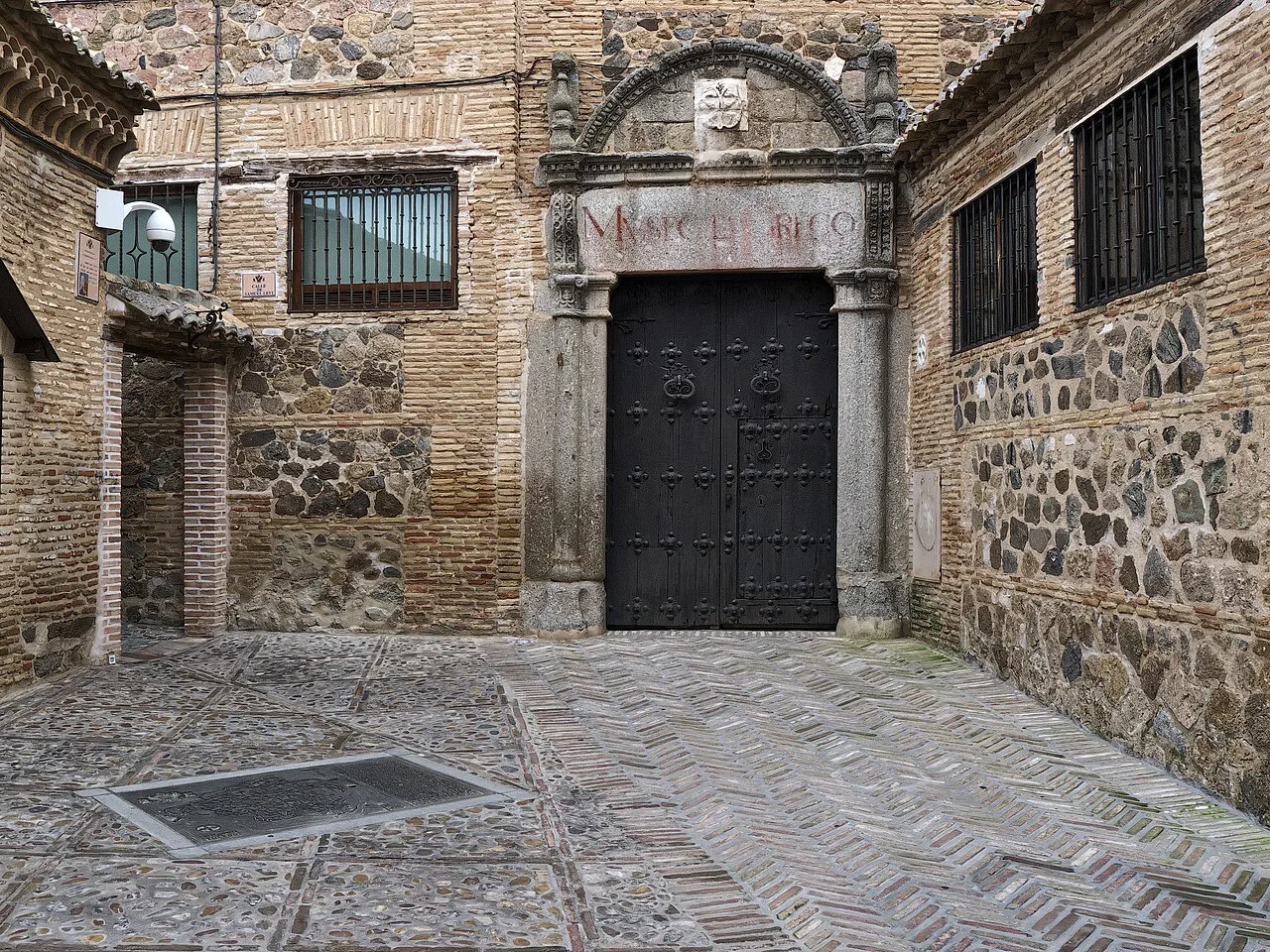
The museum stands in Toledo's old Jewish Quarter, the tangle of lanes below the cathedral on the city's western side. Walking from the cathedral square, head downhill into the quarter and follow signs for the Museo del Greco rather than trying to thread a car through the old town, where streets are narrow and parking is limited. The approach is on foot, and the lanes themselves are part of the visit.
If you are coming from the Plaza de Zocodover, the city's central square, allow a slow fifteen to twenty minutes through the shopping streets and into the quarter, and use the cathedral towers as your landmark. The museum is close enough to the cathedral that you can pair the two in one morning, though the cathedral deserves its own block of time for the sacristy alone; for the wider circuit around both, see this guide to things to do in Toledo.
What to see inside: the Apostolate and the View and Plan of Toledo
The Apostolate is a series of portraits of Christ's apostles, each a distinct character study in El Greco's hands, and it is the spine of the collection. Give it the most time: seen together, the faces and gestures carry the museum. The View and Plan of Toledo is the other headline work, a cityscape that shows Toledo itself alongside a plan of the city, and it rewards a few minutes up close for the way the streets and buildings are compressed into a single view.
The museum's collection is presented in a 16th-century-style house with gardens, which is the reason the visit feels domestic rather than institutional. The Apostolate and the View and Plan of Toledo are the two names to know before you arrive, so you can move through the smaller rooms without losing the thread.
The house and gardens: why the building matters
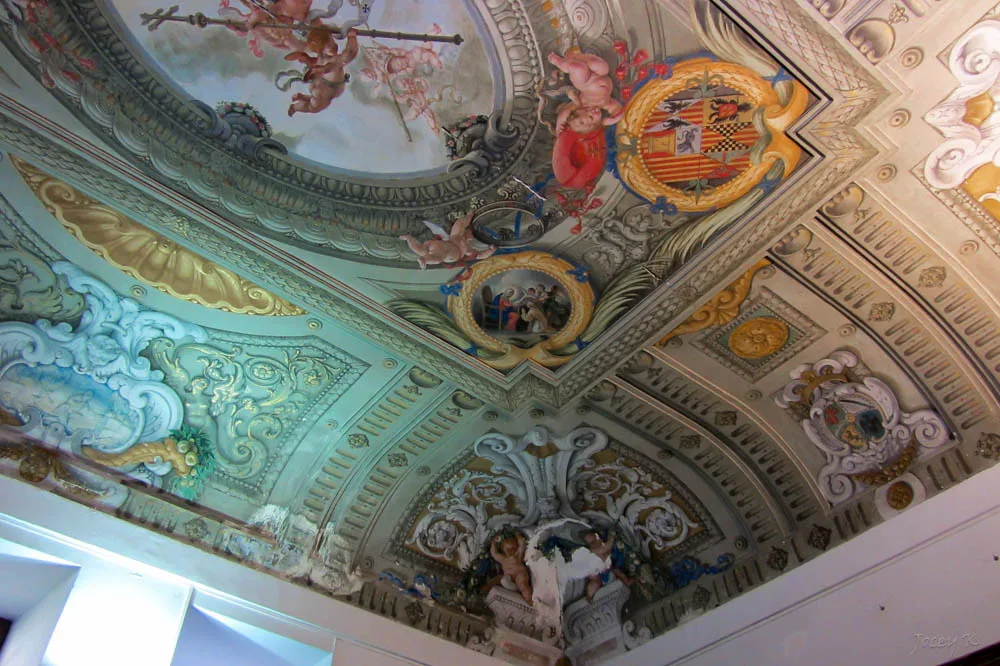
This is a house-museum, not a neutral gallery, and the setting is part of the point: the building is styled after a 16th-century house and set around gardens, so the paintings are seen in rooms and courtyards rather than white-cube spaces. That suits El Greco's portraits particularly well, because the Apostolate reads as a set of figures in a domestic setting. Plan to spend some time in the garden as well as the galleries; it is the breathing space between the denser rooms.
Because the building is compact, the visit works best if you resist trying to see everything at once. Choose the Apostolate, the View and Plan of Toledo and the rooms that connect them, then let the house and garden close the visit. That pace also leaves you fresh for the cathedral and Santo Tomé later in the day.
How long to allow and how to pace a small museum
Budget around an hour to ninety minutes for the museum itself, with more time if you like to read every label. The Apostolate room is where the hour goes; the rest of the house and gardens are quick by comparison. If you are on a tight day, do the Apostolate and the View and Plan of Toledo, then leave.
The best pacing is to arrive early in the day, before the old town fills up, and to treat the museum as the opening act of an El Greco morning. Small rooms fill quickly when a group arrives, so start with the Apostolate and work outwards rather than saving it for last. This is an attraction rather than a food stop, so keep lunch for after the churches and aim for the Spanish lunch window of 1.30 to 4pm.
Tickets and opening times
Admission is listed at 3€ for adults, 1.50€ for seniors and students and free for children 17 and under, with opening hours from Tuesday to Saturday, according to Frommer's. Check the day's hours before you set out, since museum timetables can change, and confirm at the box office when you arrive.
Several operators sell museum tickets and guided tours that bundle the Museo del Greco with a walk through the Jewish Quarter. Booking ahead is useful in high season, when small rooms fill, but it is not required for a solo visit outside holiday periods. Compare what a tour includes with the plain admission price before you commit.
El Greco beyond this museum: the cathedral and Santo Tomé
The Disrobing of Christ, or El Expolio, painted in 1577–79, hangs in the sacristy of Toledo Cathedral and is the first major commission El Greco took on after arriving in the city. It is a large vertical composition with Christ as the axis, and seeing it in the cathedral's vestment room is a different experience from the museum's domestic rooms. The cathedral is a short walk from the museum, so pair the two for the fullest El Greco day.
The Burial of the Count Orgaz, painted in 1586–88, is at Santo Tomé and is El Greco's largest work, a fifteen-by-eleven-foot canvas that splits the scene between the burial below and the celestial realm above. See the museum first, then the cathedral, then Santo Tomé, so the scale builds. The church is in the old town, a short walk from the cathedral.

What else in the old town pairs sensibly with a museum visit
San Juan de los Reyes, the late-Gothic monastery in the Jewish Quarter, is close to the museum and makes a natural second stop, with its cloisters and hanging chains. Allow half an hour to an hour and check opening times on the day. It is a different century and a different mood, which keeps the morning varied.
The Alcázar de Toledo rises over the old town and is best tackled separately, either in the afternoon after the churches or as part of a wider walk through the city. Its scale and history will fill the rest of a day, so do not try to squeeze it in between the museum and the cathedral. Pair it with a slow lunch instead.
If you want to build a full day, use the museum as the anchor and pick one other site in the same quarter, one church, and a tapas stop for lunch. The old town is small enough to walk between the major sights, but the hills make the days longer than the distances suggest. Keep a quarter of the day free for simply wandering the lanes.
Practical trade-offs: small galleries, group traffic and booking ahead
The main trade-off is scale: the museum is compact, so the Apostolate and the View and Plan of Toledo carry a short visit, while the big set-piece canvases are in the cathedral and at Santo Tomé. If you only have time for one El Greco stop, choose the museum for context and the churches for spectacle. Seeing all three in one day is feasible on foot but requires an early start. Fitting the museum into a broader day of sightseeing is easy to plan, and our guide to the things to do in Toledo shows how the rest of the old town slots around it.
Guided groups arrive in waves, and the small rooms can feel crowded when they do. Booking a morning slot and starting with the Apostolate gives you the clearest view, and tours through the Jewish Quarter are a reasonable option if you want the museum contextualised rather than read room by room. Tours add cost and a fixed schedule; plain admission gives you freedom to linger in the garden.
Is the Museo del Greco Worth Visiting?
Yes, if you want to understand El Greco before you see his biggest works in the churches. The Apostolate and the View and Plan of Toledo give you the style and the city in one compact visit, and the house and gardens make the museum a pleasant stop in the Jewish Quarter. Build the cathedral and Santo Tomé around it for a full El Greco day in Toledo, following the same build-up from museum to churches you'll find in our guide to things to do in Toledo.
Go early, allow an hour or so, and keep the afternoon for the cathedral and Santo Tomé. Check the current admission price and opening hours before you travel, since the published figures are not guaranteed. Bring comfortable shoes for the hills and lanes of the old town.
Frequently Asked Questions
What is the Museo del Greco in Toledo?
It is a compact house-museum in Toledo's Jewish Quarter devoted to El Greco, the painter born Doménikos Theotokópoulos in Crete in 1541. The collection is built around the Apostolate series and the View and Plan of Toledo, shown in a 16th-century-style house with gardens.
What paintings can you see at the Museo del Greco?
The museum's two anchors are the Apostolate series, a set of portraits of Christ's apostles, and the View and Plan of Toledo, which shows the city alongside a plan. Both are worth the visit on their own; give them most of your time before you move on to the churches.
How long does it take to visit the Museo del Greco?
Allow one hour to ninety minutes. The Apostolate room takes most of that, while the rest of the house and the gardens are quicker. It is a small museum, so it works well as the opening stop of an El Greco morning before the cathedral and Santo Tomé.
Where else in Toledo can you see El Greco paintings?
The Disrobing of Christ, or El Expolio, hangs in the sacristy of Toledo Cathedral, and the Burial of the Count Orgaz is at Santo Tomé. Both are a short walk from the museum, so you can see the three sites in one day on foot.
Is the Museo del Greco worth visiting?
Yes, as an introduction to El Greco and his adopted city. It is small, but the Apostolate and the View and Plan of Toledo give you the context to appreciate the larger works in the cathedral and at Santo Tomé. If time is short, do the museum first and the churches second.