Free Things to Do in Tenerife: Walks, Views and Villages
Free things to do in Tenerife, from Teide's lava plains and Anaga's laurel forests to Garachico's old town, with the paid add-ons laid out honestly.
On this page
Tenerife's strongest free attractions are not ticketed sights but landscapes and old towns: the lava plains of Teide National Park, the laurel forests of Anaga Rural Park, the rebuilt streets of Garachico and the cliff path at Los Gigantes. Most of the north of the island can be strung together by bus, which keeps a day's outlay to fares and food. The trade-off is time: winding roads and long descents eat into a short trip, so pick two bases rather than chasing the whole island.
Plan around Spanish meal times and a free day falls into shape. Start a walk early, be back in a town for lunch between 1.30pm and 4pm, then use the late afternoon and sunset for viewpoints when the tour buses have thinned out. Tenerife's high ground is cold at any time of year, so carry a layer even when the coast is hot.
Teide National Park: lava plains and dark skies at no charge
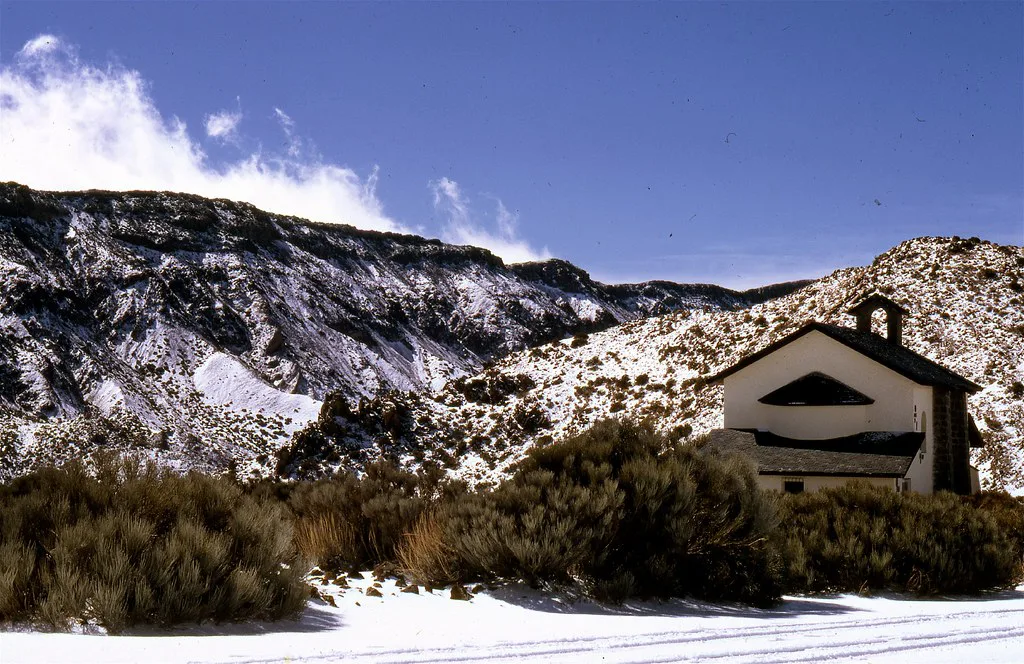
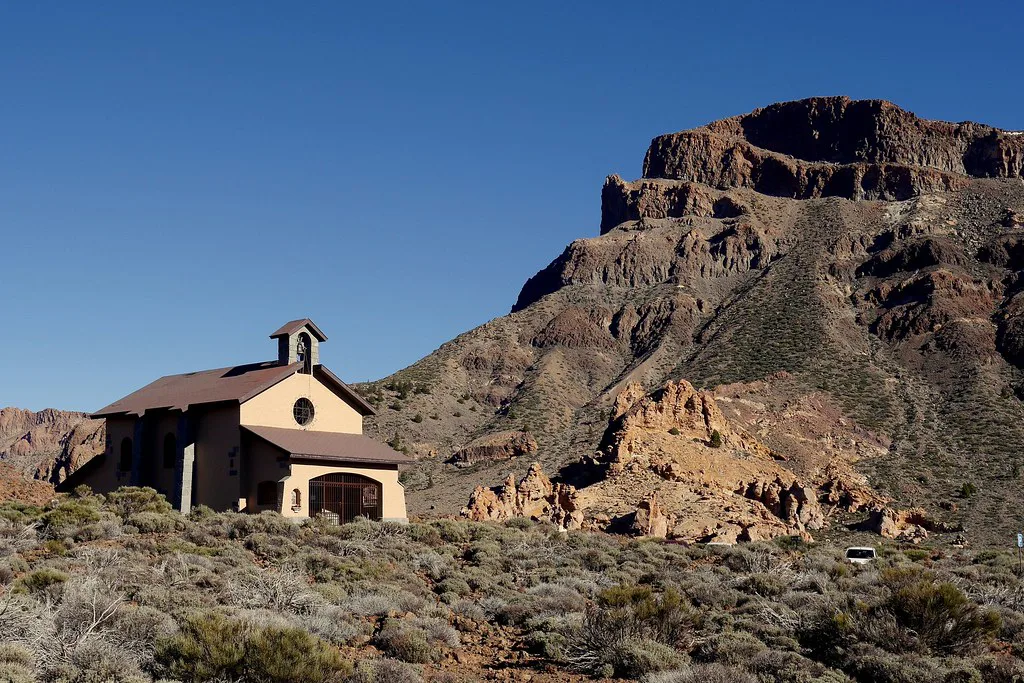
Driving up into Teide National Park costs nothing beyond fuel, and the reward is the Llano de Ucanca, a bare volcanic plain that reads like another planet. Parking on the high road and walking a short stretch of the Sendero Roques de García gravel path gives you lava fields and rock formations without a ticket. Keep an eye on the clock and the cloud: the light is best late, but you do not want to be walking back in the dark.
After sunset the park becomes one of Europe's best stargazing spots, and looking up costs nothing. The Teide visitor centre is free to enter, with film rooms in several languages, so it doubles as a bad-weather stop. The cable car to the summit is the paid extra: 24 EUR one way.
Getting there without a car is possible but slow. A direct bus runs from Puerto de la Cruz, and the drive from Santa Cruz takes around 1.5 hours on the scenic TF-21. If you are weighing up a longer stay to fit in the national park and the north coast, our guide to how many days in tenerife sets out what three, five and seven days realistically cover.
Anaga Rural Park: laurel forest walks and the Roque de Taborno circuit
Anaga Rural Park in the north-east holds some of the world's oldest laurel cloud forest, and entry is free. The classic short outing is the Roque de Taborno circuit, roughly 3.5km of moderate walking around the base of a rock that juts out over the coast. The Enchanted Forest route through El Pijaral needs a free permit applied for online beforehand, so sort that before you travel rather than at the trailhead.
The drive is the honest trade-off. The roads are narrow and winding with steep drops, and buses only stop at a few points such as Chamorga and Taganana, so a confident driver gets far more out of a day here. Arrive before 9am or after 3pm to dodge the worst of the traffic and the crowds.
Garachico: old town, castle museum and lava pools
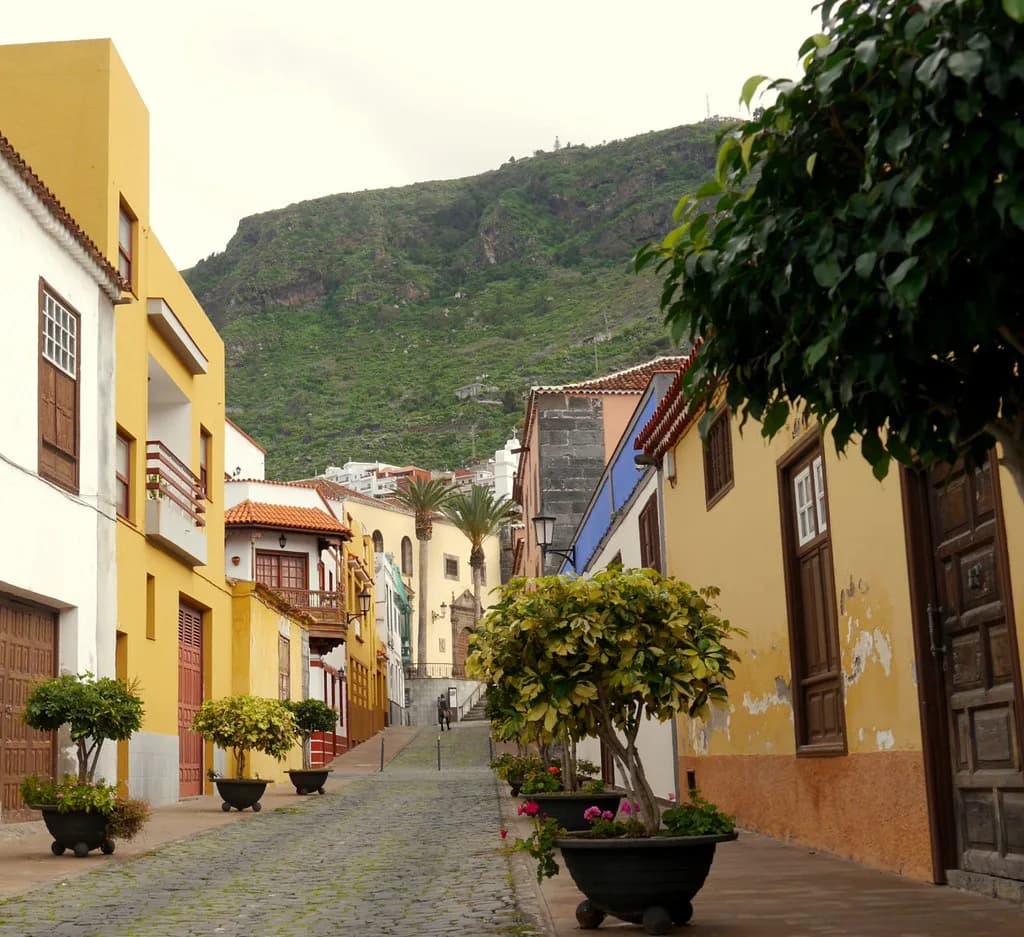
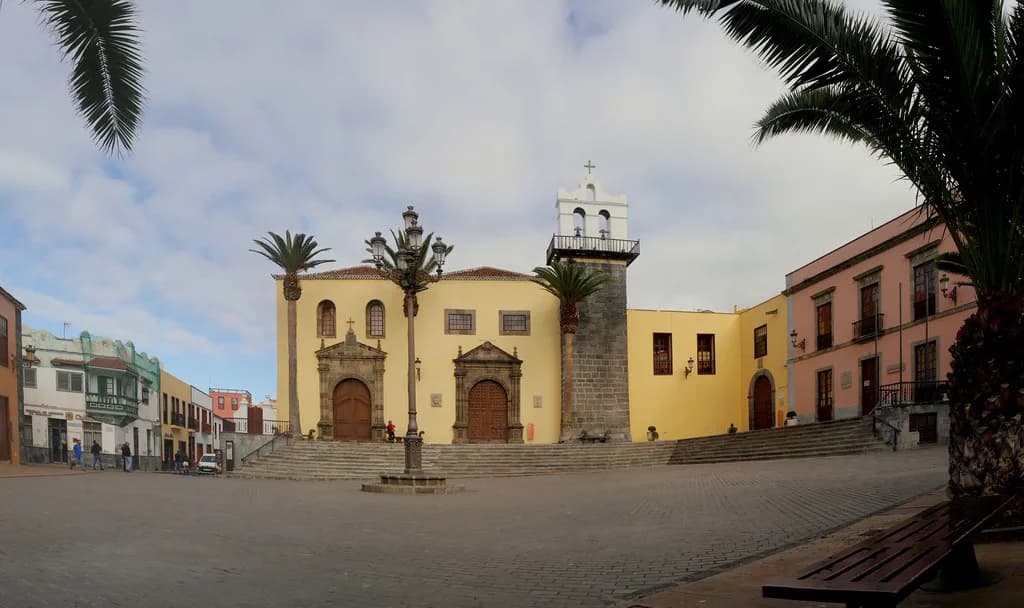
Garachico was devastated by a volcanic eruption in 1706 and rebuilt as one of the most colourful towns on the island. Wandering the old centre costs nothing: Plaza de la Libertad, the Convento de San Francisco, the Iglesia de Santa Ana and the viewpoints above the village are all free to walk around. The Castillo de San Miguel is a small castle now run as a museum, so treat it as a paid extra rather than part of the free circuit.
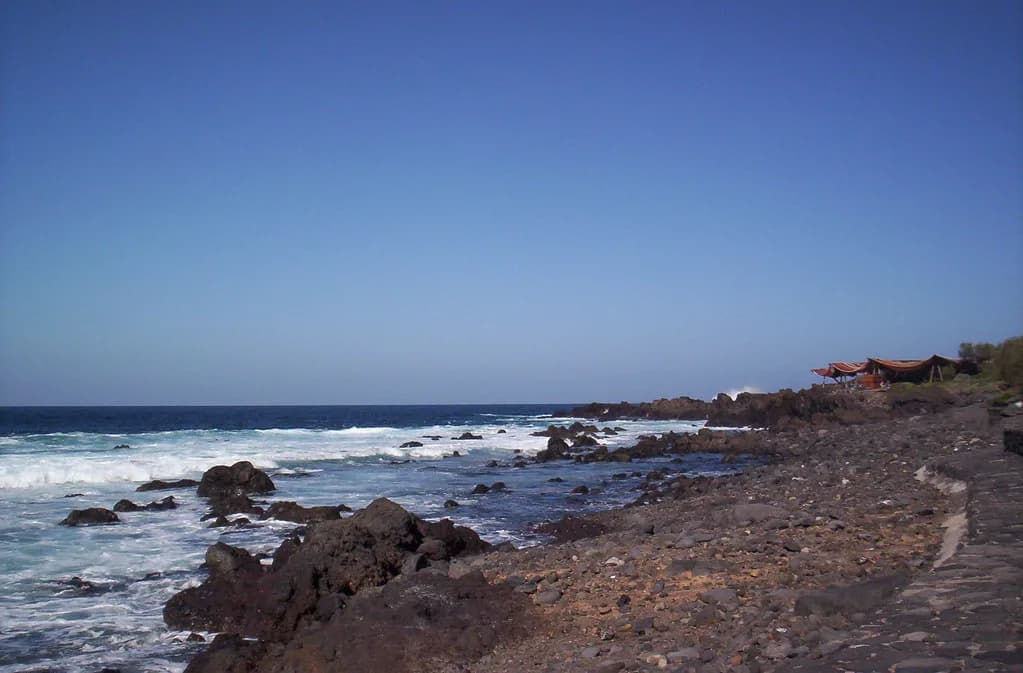
Piscinas Naturales El Caletón, the lava pools fringed by stone paths, are free to use and the best reason to bring swimwear. The village beach is small, black pebbles, and the waves can be strong, so swim with care. From Puerto de la Cruz it is about 35 minutes by car, or just over an hour on the 363 bus.
Los Gigantes: cliffs, old town and a coastal walk
The cliffs at Los Gigantes rise to around 600 metres and are the tallest sea cliffs in Europe, which makes the town's seafront one of the island's great free spectacles. Walk the old centre, then take the coastal path along the cliffs in the late afternoon for sunset. The natural pools here are free too, but the swell can make them unusable, so have the cliff walk as your fallback.
Dolphin and whale boat trips leave from the west coast, and this is where a free day can quietly become an expensive one. If you book, choose an operator with the Barco Azul certification, which marks boats following eco-friendly guidelines.
Masca: the viewpoint is free, the gorge hike is not
Masca sits in a valley in the Teno Mountains, and the village itself is small: the draw is the setting and the Mirador de Masca, which costs nothing. The TF-436 road from Santiago del Teide is one of the island's great scenic drives, all hairpins and drops, so only take it on if you are happy at the wheel of a hire car. Arrive before 9.30am for parking, or come after 4.30pm when the tour groups have gone.
The famous Masca gorge hike is not a free outing. It is 5km one way and takes about three hours down to the sea, and you must book in advance and pay online, including the taxi boat from the beach back to Los Gigantes. Only the descent or the ascent is permitted, so decide which before you book.
Puerto de la Cruz on foot: squares, street art and free viewpoints
Puerto de la Cruz is a good free base: the old town mixes traditional Canary architecture with colourfully painted houses, and Plaza del Charco is the spot to sit, eat and catch live music without paying for a show. The Ranilla district is worth a slow loop for its street art, which has turned the neighbourhood itself into the attraction.
For views, Mirador de la Paz looks over the ocean and the coastline, and El Castillo San Felipe is a fine place to watch the sunset from the stone steps. The beaches are free: Playa Jardín is volcanic sand, Playa San Telmo is rocky, and Playa Martiánez draws surfers.
Two nearby stops charge modest entry but are worth budgeting for. Lago Martiánez, the saltwater pool complex by the Atlantic, costs 7 EUR including a sunbed, and the Jardín Botánico charges 3 EUR and opens from 9am to 6pm most days of the year.
San Cristóbal de La Laguna: the historic quarter and cathedral
The university city of San Cristóbal de La Laguna is the best free urban day in the north. Its historic quarter is a UNESCO-listed grid of churches and old houses, and the cathedral is the centrepiece to walk to. Base yourself here and Anaga, Garachico and La Orotava all become realistic day trips.
La Laguna is also where the weather bites. At this altitude the north is cooler and cloudier than the resort south, which is welcome in high summer but means a jacket the rest of the year. If you are visiting in Tenerife in July, the cloud can be a relief after the heat of the coast.
Santa Cruz de Tenerife: Tenerife Espacio de las Artes
In the capital, Tenerife Espacio de las Artes, known as TEA, is a striking modern building with rotating art exhibitions. Entry to some exhibitions is free, but not all, so check the board before you commit an afternoon. Pair it with a walk along the harbour front and the city's own beaches if the weather holds.
Santa Cruz gets busy in high summer and around festivals, and some of the city's biggest events fall in August. If your dates land then, check what is on before you plan a quiet museum day. Our guide to tenerife in august covers the festival calendar and the practical knock-on effects.
Free hiking: Cruz del Carmen and the Sendero El Sauzal
Most of Tenerife's best trails need no permit or fee, and the Cruz del Carmen information point in Anaga is the place to pick up route details before you set off. Conditions are well marked, so a guided walk is optional unless the route is exposed or confusing. Good shoes matter on the steeper sections, especially where stones are loose.
The Sendero El Sauzal is a coastal route from the Mirador de Las Breñas, descending steeply to the shore and then running along the cliffs for about 3.7km out and back. The descent is the hard part, with slippery stones on the first stretch; the coastal path itself is easy. Bus 30 from Puerto de la Cruz gets you within a 30-minute walk of the viewpoint.
Beaches and natural pools that cost nothing
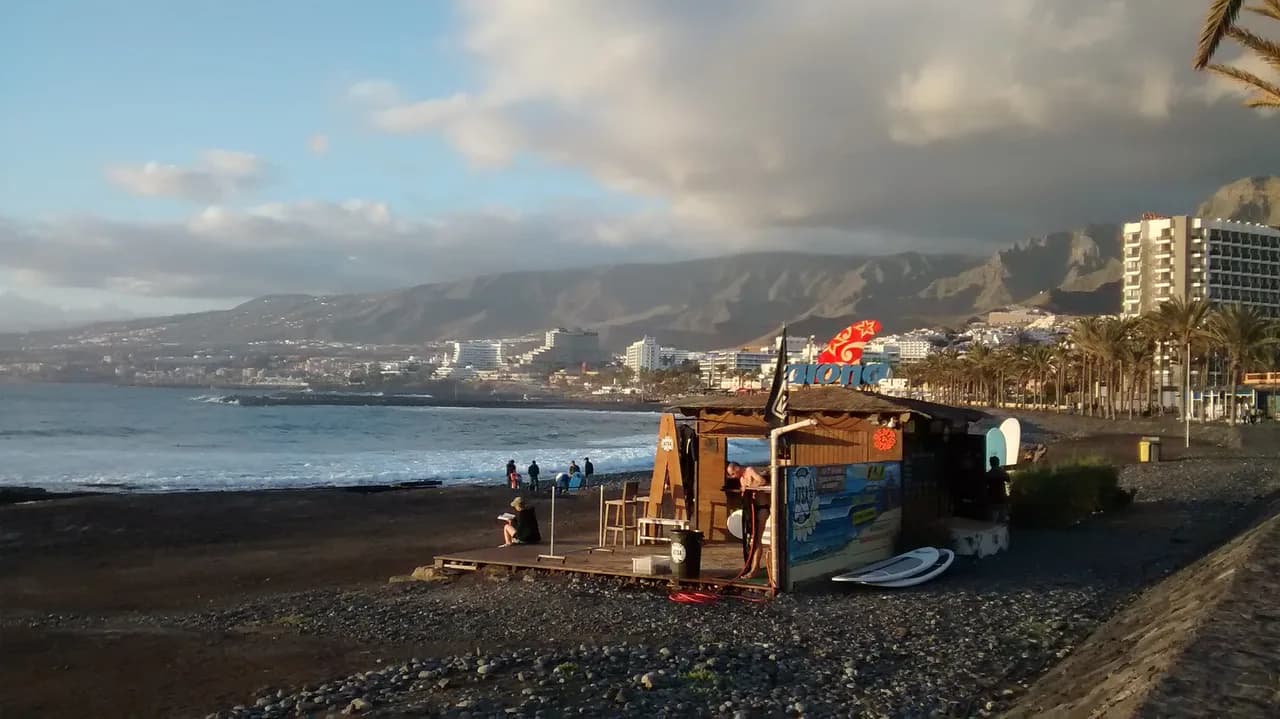
The cheapest days on Tenerife are beach days. The island's beaches and natural pools are free to use, and there are enough of them that you never need to pay for a water park to cool off. Bring your own shade, water and food, and you have a full day out for the price of a bus fare.
The wild swimming options here are the draw: rock pools, lava pools and black-sand beaches. Conditions change with the swell, so treat any pool as a decision for the day rather than a fixed plan, and keep a beach as the backup. Sun cream and a hat are not optional, even under cloud.
When free stops being free: cable cars, permits and paid pools
A few things that look free are not. The Teide cable car costs 24 EUR one way, the El Pijaral walk needs a permit (free, but you must apply), and the Masca gorge walk requires advance booking and payment including the boat. Garachico's Castillo de San Miguel is a museum, not a free ruin. Lago Martiánez and the Jardín Botánico are cheap rather than free.
Booking ahead matters most for the Masca gorge, the El Pijaral permit and any Teide tour, all of which sell out in peak season. For the rest, you can decide on the day. Bodegas Monje, a winery near El Sauzal, runs English tours on Saturdays and Sundays at 11am and 4pm, which is the paid alternative to a free coastal hike.
Practicalities: buses, parking and timing your day around the heat
Public buses on Tenerife are cheap and cover the whole island, and a rechargeable card makes them easier still. The trade-off is time: some cross-island journeys take twice as long as driving, and Anaga's inside roads only have a few stops. If you are relying on buses, group your free sights by valley rather than criss-crossing the island.
Driving gives you the freedom to reach Llano de Ucanca at dusk and Masca before the crowds, but it brings narrow roads, hairpins and limited parking. Budget for a hire car only if you will use it across several days; for a single free day, buses plus one paid tour usually work out simpler.
Time your day around the sun. Start walking early, rest through the hottest hours, and take in your viewpoints late. Spanish meal times help here: lunch from 1.30pm to 4pm, dinner from around 8.30pm to 9pm, so a free morning ends with a proper lunch and leaves the long evening light for the cliffs and the mountains.
Plan a Free Day in Tenerife
Start with the landscape. A morning on the Teide paths or an Anaga circuit, an afternoon in Garachico or La Laguna, and a sunset from Los Gigantes or Mirador de la Paz gives you a full day for the cost of transport and lunch. Keep one paid extra in reserve for the cable car or a boat trip if the weather turns.
If you are comparing islands, our guides to free things to do in lanzarote and free things to do cover the same approach elsewhere in Spain: build the day around what the landscape gives you for nothing. Check bus timetables and any permit or booking requirements before you travel, then fill the rest of the day around Spanish meal times.
Explore more Tenerife guides
Frequently Asked Questions
What can you do for free in Tenerife?
The landscape does the heavy lifting. Teide National Park's lava plains, Anaga Rural Park's laurel forest trails (except the permitted El Pijaral route), Garachico's old town and lava pools, Los Gigantes' cliff path, Puerto de la Cruz's squares and street art, and La Laguna's historic quarter are all free to visit.
Is Teide National Park free to visit?
Entering the park and walking its trails costs nothing, and the visitor centre is free. The cable car to the summit is a paid extra, and the national park bus from Puerto de la Cruz is the car-free way to get there.
Do you need a permit to walk in Anaga Rural Park?
Not for most of Anaga. The Enchanted Forest route through El Pijaral needs a free permit applied for online in advance, so sort that before you travel. Other routes, including the Roque de Taborno circuit, do not.
Are Tenerife's natural pools free?
Yes. Piscinas Naturales El Caletón at Garachico and the natural pools at Los Gigantes are free to use. Sea conditions vary, so treat them as a decision for the day and keep a beach as a backup.
Is it worth hiring a car for Tenerife's free sights?
For Anaga, Teide and Masca, a car gives you far more flexibility than the buses, and it is the only practical way to reach some trailheads. The catch is narrow, winding roads and tight parking. For one free day, buses plus a town base are simpler.
What free things can you do in the north of Tenerife?
Anaga's forest walks, Garachico's old town and lava pools, La Laguna's historic quarter, Puerto de la Cruz's Plaza del Charco and Ranilla street art, the Sendero El Sauzal coastal path and the Teide visitor centre are all free. The north is also cooler and cloudier than the south, which suits walkers.
Sources
Notes for eating well in Spain
Optional updates to our guides.
You might also like
Continue reading
More guides you'll find useful