Best Tapas in Palma: Where to Eat and What to Order
Our picks for tapas in Palma, from old-town bars to Santa Catalina market. What to order, where to sit and how to time an evening around Spanish meal hours.
On this page
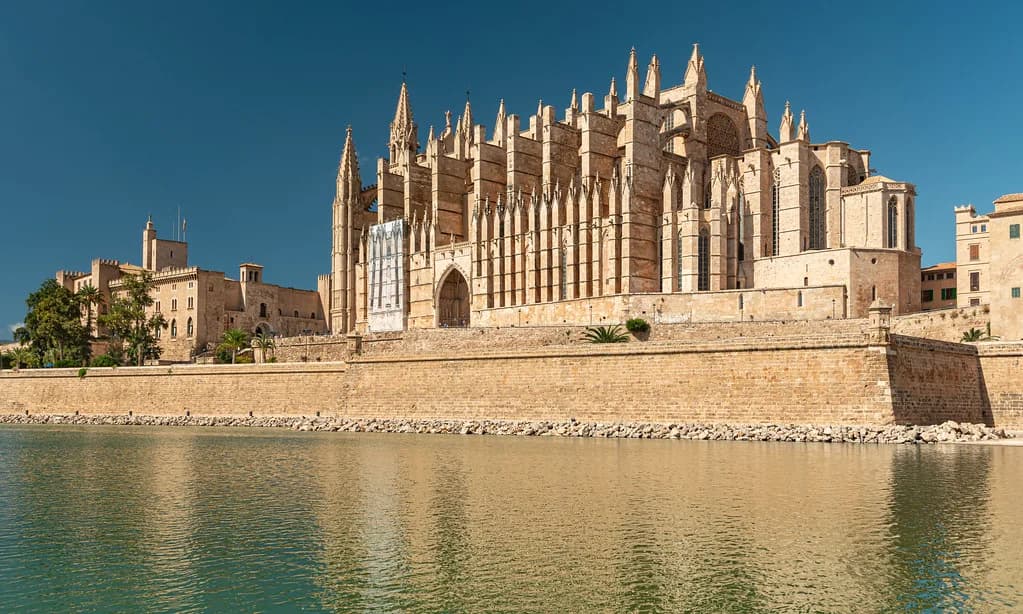
The best tapas in Palma sits in two neighbourhoods: the old town around Carrer dels Apuntadors and Plaça de la Llotja, and Santa Catalina, where the market and the Carrer de la Fàbrica strip sit a few minutes' walk apart. Pick one of the two per evening rather than trying to cover both — the centre is compact on foot, but a night split across three areas means walking past bars you will wish you had stayed in. If you want the wider sightseeing picture first, our guide to the best things to do in Palma puts the cathedral, the old town and the seafront in walking order.
The short answer: which area suits which evening
For a classic tapas crawl, base yourself in the old town, where La Bodega on Carrer dels Apuntadors and the streets around Plaça de la Llotja put traditional Spanish and Mallorcan plates within a few minutes of each other. For something more contemporary, head west to Santa Catalina and build the evening around the market building and the streets running off Carrer de la Fàbrica.
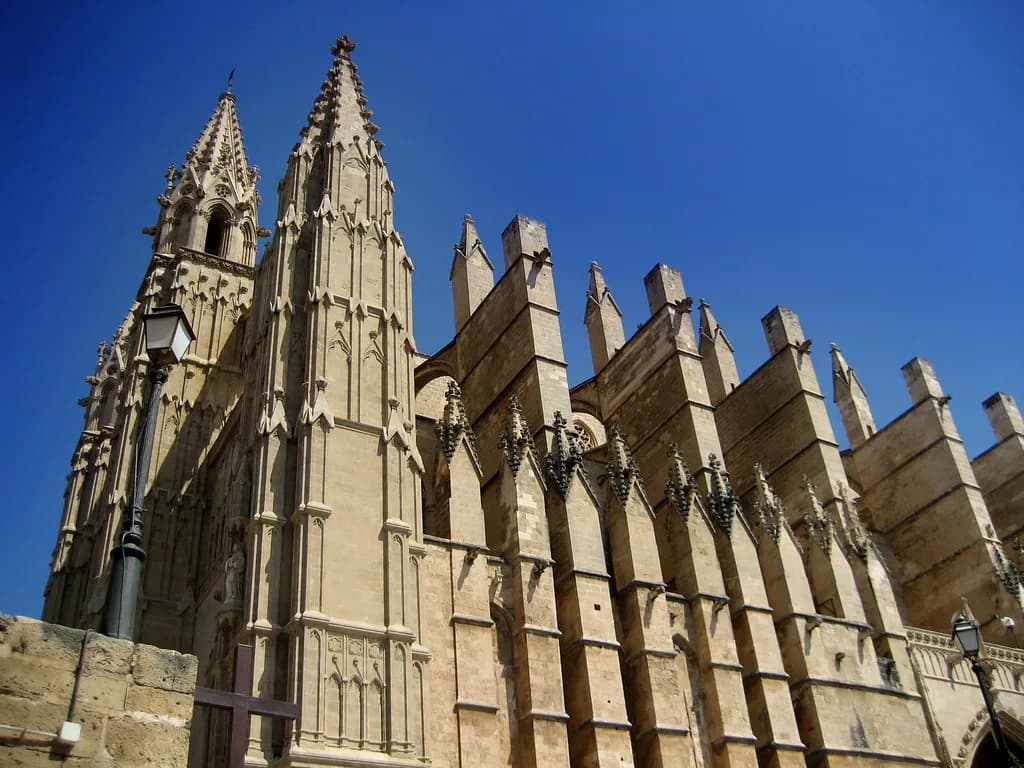
With a single night in the city, choose the old town: the cathedral, the Arab quarter and the tapas bars sit in one walkable circuit, so you can eat late and still see La Seu lit up afterwards. Santa Catalina rewards a longer stay, because its appeal spreads across a morning market visit, lunch, and a second wave of bars that fills after dusk.
How tapas timing works in Palma
Palma runs on Spanish hours. Lunch is eaten from about 1:30pm to 4pm, and dinner rarely starts before 8:30pm or 9pm, so a tapas bar at 6pm will be near-empty and the kitchen may not be serving. Aim for a late lunch around 2pm or a table at 9pm, and let the evening stretch.
The best value evening of the week is Tuesday. La Ruta Martiana runs in the old town, when bars offer a small tapa or pintxo plus a caña of beer at a modest price, and it is a good way to find authentic bars rather than menus aimed at visitors.
At the end of October, TaPalma runs tapas routes across the city that push you towards the smaller, less obvious bars for a reduced fee, with participating spots marked on a map available in bars and cafés. If your trip lands in that window, pick up the map on day one and build your eating around it.
La Bodega on Carrer dels Apuntadors: the old-town pick
La Bodega sits in a narrow side street on Carrer dels Apuntadors in the old town, with no more than ten tables and a menu that has not been reinvented for tourists. Book, because the size that makes it charming is also why a walk-in at 9pm often fails.
Build the order from whitebait, house croquettes, chopped squid slow-cooked until tender in a savoury sauce, and braised octopus. Save room for the crème catalana, which finishes with citrus and a properly crisp top.
La Lonja and the old town: traditional eating around Plaça de la Llotja
Plaça de la Llotja is the old town's main square for outdoor eating, ringed with restaurants and bars with al fresco seating, and the Gothic Llotja de Mallorca building on one side is free to enter, with art displays sometimes set up under its arches. It is a fine spot for a drink before dinner, though you pay for the position.
For casual tapas off the square, Gaudeix, Wineing and Boveda are dependable old-town options, while Forne suits an evening when you want a restaurant table rather than a bar stool. The streets around La Lonja hold the traditional Spanish and Mallorcan eateries, so walk the back streets and read the menus posted outside before committing.
Finish with ice cream from Riva Reno Gelataria on Plaça de la Llotja, where the queue is a reliable signal that it is worth the wait. It sits a short walk from the bars, an easy last stop before the cathedral end of the old town.
Santa Catalina: market first, then the bars
Santa Catalina was once a fishing and artisan quarter and is now Palma's most interesting eating neighbourhood, with independent shops by day and contemporary restaurants and bars after dark. The core is walkable: start on Carrer de Argentina and wander the streets between Carrer de San Magí and Carrer de la Fàbrica.
Restaurante Brutal on Carrer de la Fàbrica 10 is the neighbourhood's most straightforward introduction to local cooking: the traditional Mallorcan cod, bacallà, comes salt-rich and silky in olive oil with confit tomatoes and garlic. Book ahead and sit outside if the evening is warm.
Directly opposite, La Bottega di Michele serves generous Italian cooking — a pork belly salad with olives and sharp vinaigrette, then a slow-cooked beef ragù pasta — useful when part of your group wants a bowl of pasta rather than plates to share. Rikito, on the same street, is the pizza option, with prices a touch steeper than the rest of the strip and a room that fills quickly.
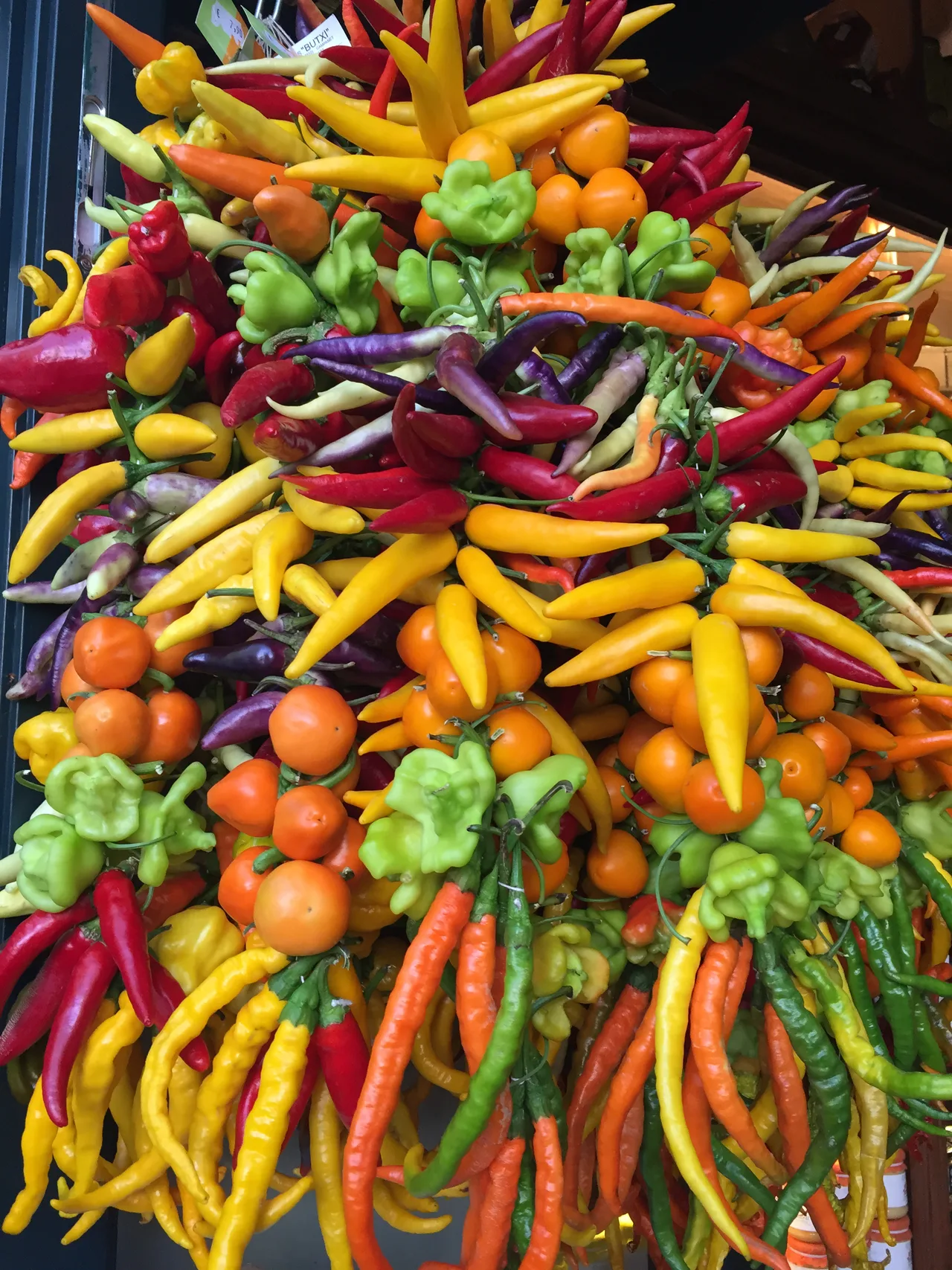
Mercat de Santa Catalina: a tapa and a glass of wine at the market
Mercat de Santa Catalina, established in 1920, is Palma's oldest food market, with dozens of producers selling fruit, vegetables, meat, cheese, seafood, flowers and pastries. Browse the stalls, then sit down at one of the small cafés inside for a tapa with a glass of wine — the neighbourhood's best-value lunch and a sensible stop before the bars open.
Portixol and Molinar: seafood and paella by the water
When tapas is not the whole point, head east to the fishing ports of Portixol and Molinar, about 3km from the cathedral along the seafront. These are the places to go for traditional seafood and paella, and the waterfront walk or cycle out is a good way to earn the meal.
Portixol is a former working fishing village with colourful fishermen's houses, a small beach popular with locals and a marina, roughly a five-minute taxi ride from the centre. Go for lunch and the afternoon rather than a late night, because the appeal is the seafront and the restaurants lining it.
Worth knowing before you book: DINS Santi Taura
DINS Santi Taura, in the Sa Calatrava neighbourhood a few metres from the cathedral and the sea, serves contemporary Mallorcan cooking with a Michelin star and two Repsol Suns. Treat it as a special-occasion dinner booked in advance, not part of a tapas crawl.
Dishes to order across a tapas evening
Start with bacallà — salt cod in good olive oil with confit tomato and garlic — the honest test of a Mallorcan kitchen. Follow with croquetes, golden outside and loose inside, and whitebait fried hot and crisp.
For the middle of the table, order chopped squid cooked slowly until tender in a deep savoury sauce, and braised octopus with just enough sauce to drag each piece through. Curry meatballs with shrimp are an unexpected pairing that works better than it sounds.
Finish with crème catalana, creamy and citrus-tinged under a top that cracks cleanly. Share everything and order in two or three waves rather than all at once, so the hot plates arrive hot.
Drinks: what to pair and where to go before or after
A caña of cold beer is the standard tapas partner, and on Tuesday's La Ruta Martiana it comes with the tapa. For wine, Wineing in the old town pours largely local Mallorcan bottles alongside a few international ones, and it is popular for both drink and food.
For a pre-dinner stop in Santa Catalina, Lili's sits on a tucked-away square just off the main drag, and the Fiero spritz with cava, white peach and elderflower is a light way to open the evening. Neo Cultural at Carrer de la Boteria 8 in La Lonja is a discreet, air-conditioned cocktail room with no outside seating and a bartender who works from what you ask for rather than a menu — a good choice when the heat has worn you out.
Budget and booking
Tapas bars sit at the affordable end of Palma eating, and competition among the small Santa Catalina places keeps both quality and prices good. A premium pizza or a Michelin-starred tasting menu costs considerably more, so decide which kind of night you want before you book.
Book the tables that matter, especially a ten-table room like La Bodega or a popular Santa Catalina spot, and trust the chalkboard specials when you arrive. For value away from the tourist centre, the streets around Plaça d'Espanya hold top-class restaurants where locals eat at reasonable prices, and Carrer del 31 de Diciembre and Carrer de Blanquerna are good for tapas and heartier Spanish meals.
Practical trade-offs
The best bars are small, so an unbooked party of four at 9pm may wait or be turned away, and the most atmospheric rooms are also the loudest. Menus printed in several languages along the main tourist strips are a warning sign rather than a welcome, and a short walk into the back streets usually improves both the food and the bill.
Choose one area per night. Splitting an evening between the old town and Santa Catalina costs an hour of walking and lands you at both bars mid-service; either area has enough to fill a night on its own.
Plan Your Tapas Evening
Build your Palma tapas night around one neighbourhood: La Bodega and the La Lonja streets in the old town, or the market and Carrer de la Fàbrica in Santa Catalina. Eat late, order in waves, and book the small rooms ahead.
Check opening days and current menus with each venue before you travel, since small kitchens change their hours through the season.
Explore more Palma guides
Frequently Asked Questions
Where are the best tapas bars in Palma old town?
La Bodega on Carrer dels Apuntadors is the pick, with about ten tables and a traditional menu of whitebait, croquettes, chopped squid and braised octopus. Around Plaça de la Llotja you also have Gaudeix, Wineing and Boveda for casual tapas, and Forne when you want a restaurant table.
What should I order on a tapas evening in Palma?
Start with bacallà, the Mallorcan salt cod in olive oil with confit tomato and garlic. Then croquetes, whitebait, chopped squid slow-cooked in a savoury sauce, and braised octopus, finishing with crème catalana. Order in two or three waves so hot plates arrive hot.
Is Santa Catalina good for tapas?
Santa Catalina is Palma's most interesting eating neighbourhood, and the market building is the best place to start with a tapa and a glass of wine. On Carrer de la Fàbrica, Restaurante Brutal serves local cooking including bacallà, with Italian and pizza options on the same street for mixed groups.
What time do people eat dinner in Palma?
Dinner starts from about 8:30pm to 9pm, and lunch runs from roughly 1:30pm to 4pm. Arriving at a tapas bar at 6pm usually means an empty room and a kitchen that is not yet serving, so plan a late lunch or a 9pm table instead.
How much does a tapas meal cost in Palma?
Tapas bars are the affordable end of Palma eating, and competition among the small Santa Catalina places keeps quality and prices good. A Michelin-starred meal at DINS Santi Taura or a premium pizza costs noticeably more, so check menus outside each venue before you sit down.
Do you need to book tapas restaurants in Palma?
Book the small rooms, particularly La Bodega and the popular Santa Catalina spots, because ten tables fill quickly after 9pm. For Tuesday's La Ruta Martiana in the old town you can move between bars without a reservation.
Sources
Notes for eating well in Spain
Optional updates to our guides.
You might also like
Continue reading
More guides you'll find useful