Best Tapas in Ronda: Where to Eat and What to Order
Plan a tapas crawl in Ronda with named bars, the local dishes to order and the Spanish meal times that shape lunch and dinner.
On this page
The best tapas in Ronda come from small rooms where the cooking is Andalusian and the wine list stays local: a glass of Sierra de Ronda red, a plate of rabo de toro or a wedge of queso Payoyo. Start with Entre Vinos for regional wines by the glass, then work through Tragatá, Casa María and Bodega San Francisco depending on whether you want modern plates or traditional stews. It pays to sketch the crawl around a couple of nearby sights first, and our guide to the things to do in Ronda gives you the geography to do it.
Timing matters more than any list. Lunch runs from about 1:30pm to 4pm and dinner starts around 8:30pm to 9pm, so a late-afternoon crawl between those windows hits closed kitchens. Build the day around a long lunch, then an evening of small plates once the bars reopen.
What tapas in Ronda look like: rabo de toro, queso Payoyo and Sierra de Ronda wines
Two dishes anchor a Ronda crawl. Rabo de toro is oxtail stewed slowly in red wine sauce, one of the most classic dishes in the town, and queso Payoyo is a local cheese with a rich, tangy flavour that works on its own, in salads or as a tapa. Both are worth ordering wherever you see them on a menu.
Ronda sits on an official wine route, and the countryside around the town is known for winemaking, which is why the better bars pour local bottles rather than generic Spanish labels. Ask for Sierra de Ronda wines by the glass and you will drink something you cannot easily buy at home.
How Spanish meal times shape a tapas crawl in Ronda
Spanish meal times are the single biggest planning constraint. Lunch service starts around 1:30pm and runs to about 4pm, and dinner begins around 8:30pm to 9pm, so the quiet hours in between are for walking the gorge rather than eating. A bar that looks empty at 6pm is simply between services.
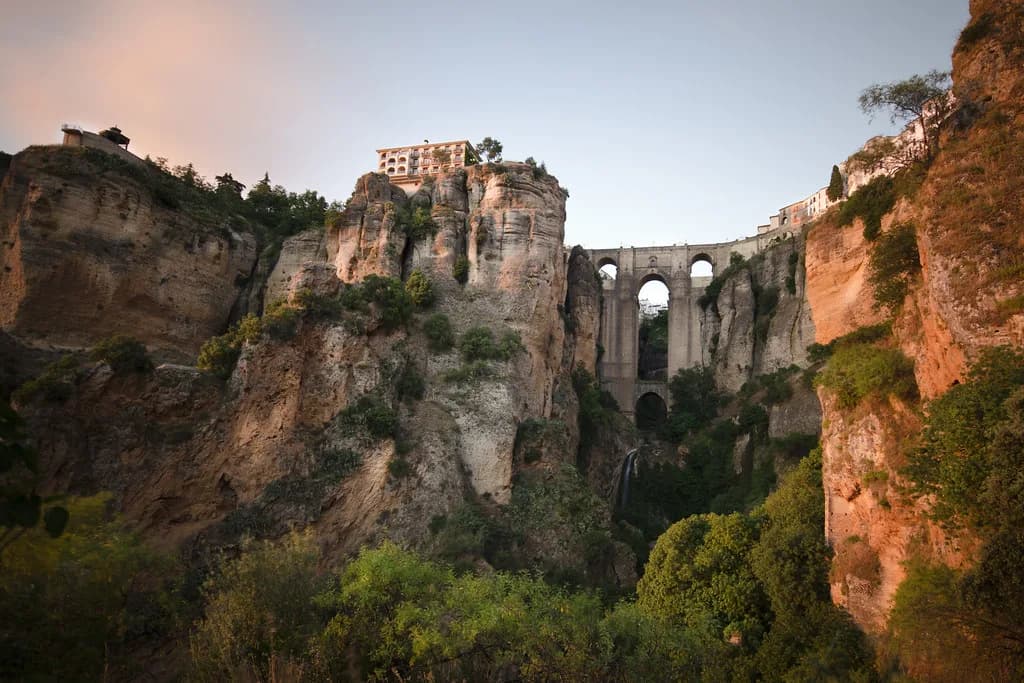
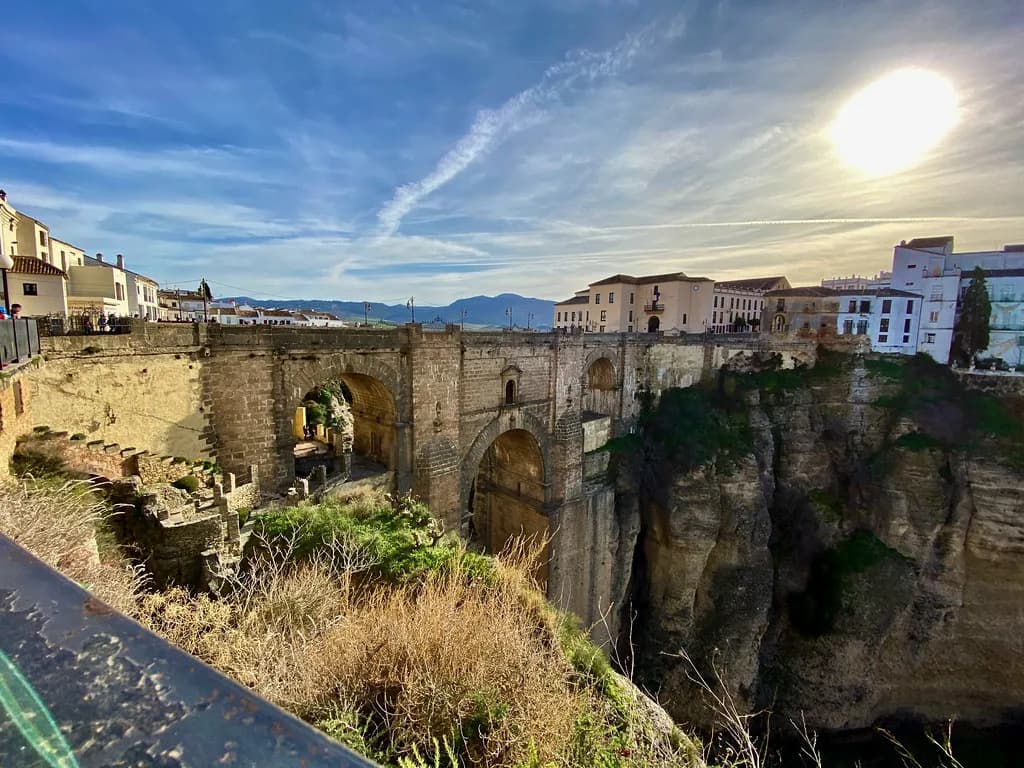
Use the gap for sightseeing and come back hungry. A steep walk down to the Puente Nuevo viewpoints earns an appetite before the evening service, and the climb back up is the reason you will want more than one plate.
Entre Vinos: the small wine bar with Ronda wines by the glass
Entre Vinos on Calle Pozo is the pick for a wine-led crawl, with a list built entirely around the Ronda region and a strong selection by the glass. The tapas are original and include vegetarian options, which is worth noting in a town where meat-heavy plates dominate. It is a small room, so arrive early rather than late.
This is also the place to buy bottles to take away if you want to keep drinking local wine back at the hotel. Pair a glass of the region's red with charcuterie and local cheeses rather than a full meal.
Tragatá: modern Andalusian tapas near the bullring
Tragatá on Calle Nueva is the hardest table to walk into in Ronda, a modern kitchen serving dishes such as a crunchy octopus roll, patatas bravas, croquettes and salmorejo. It sits near the bullring, which makes it a natural stop before or after a visit to the Plaza de Toros. Get there at opening if you have not booked.
The cooking is creative tapas rather than traditional, so treat it as a contrast to the stew-and-cheese bars rather than a replacement for them. If the wait is long, the bullring and the cliffside promenade are minutes away.
Casa María: no menu, the kitchen cooks what is fresh that day
Casa María on Plaza Ruedo Alameda has no menu at all. You rely on the staff to tell you what is fresh and what the day's specials are, which suits anyone happy to hand over the ordering. It is a cosy spot in the old town and the arrangement is part of the appeal rather than a quirk to work around.
The same no-menu setup earns Casa María a place among the tapas options worth seeking out in Ronda, and it fits neatly into an old-town morning of churches and gates. Go without a fixed idea of what you want to eat and let the kitchen lead.
Bodega San Francisco: traditional Andalusian classics such as rabo de toro
Bodega San Francisco on Calle Comandante Salvador Carrasco serves Andalusian classics including rabo de toro, in the charming Barrio San Francisco. This is where to go for the slow-cooked oxtail stew that defines Ronda cooking, rather than for experimental plates. The setting is a traditional bodega, so expect a plain room and a short, familiar menu.
Pair it with a local red and keep the rest of the order simple. After eating, walk the Barrio San Francisco streets rather than heading straight back to the bridge.
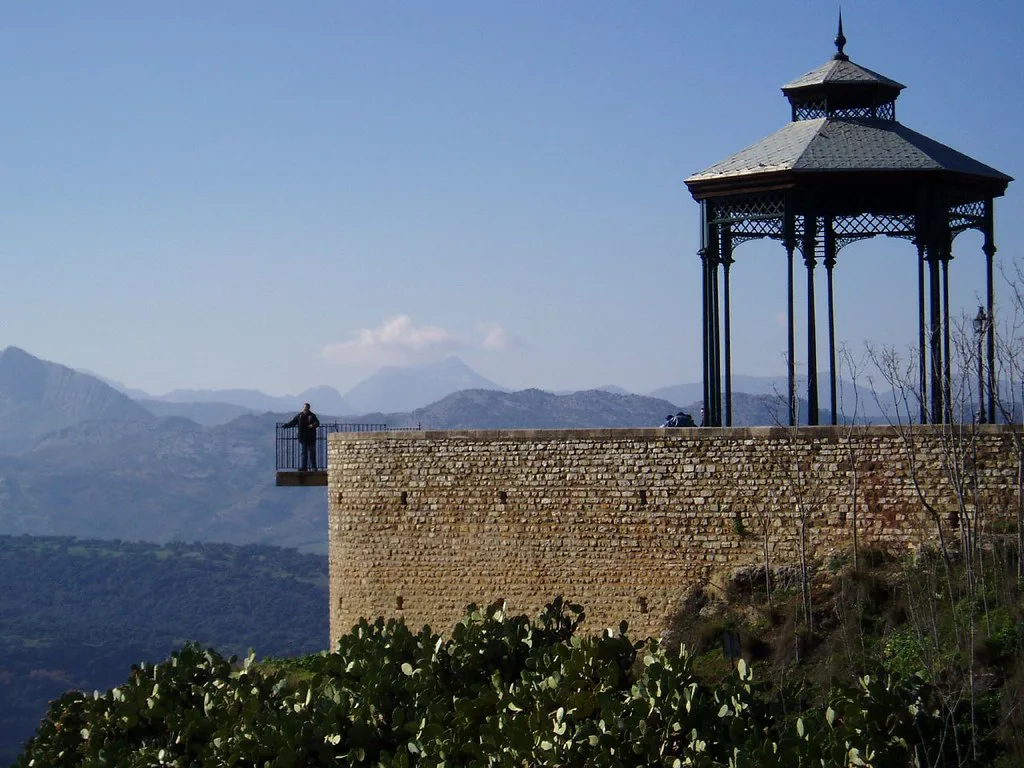
Toro Tapas: a convenient stop by the bullring
Toro Tapas sits a stone's throw from the bullring and offers a good selection of tapas and regional wines. The boletus risotto and the aubergine with honey are the dishes to order, both a break from the fried-and-stewed rhythm of a long crawl. It works well as a lunch stop mid-walk.
Because it is steps from the Plaza de Toros and the Alameda del Tajo park, you can eat here between sights without a detour. Save it for a day when you are covering the new town.
El Lechuguita: the cheap, busy local favourite
El Lechuguita is the local favourite of the list, very affordable and authentic, and it fills up for exactly that reason. The name points to lechuga, the small lettuce-based tapa that gives the bar its identity, so order it alongside the house specials. Expect noise, speed and a queue rather than a relaxed meal.
Budget bars like this are where a tapas crawl gets expensive in time rather than money, so go early in the service and move on. Do not plan a long sit-down dinner here.
Casa Ortega and Albacara: two more traditional kitchens, and Albacara's gorge views
Casa Ortega serves traditional flavours with imaginative preparation, a solid old-town option when you want familiar Andalusian cooking with a little more thought behind it. Albacara pairs traditional Mediterranean and Andalusian food with views over the gorge, which is the reason to choose it over a cheaper bar nearby.
Arrabal Restaurante takes the same approach, with cliffside dining and panoramic views to go with the food. These three are places to book for a sit-down meal rather than to graze.
Bar Sanchez: a small room, so book ahead
Bar Sanchez on Plazuela Arquitecto Francisco Pons Sorolla is a small restaurant, so reserve in advance if you want a table at a sensible hour. The size is the point: a short menu, a handful of tables and none of the turn-up-and-hope flexibility of the bigger bars.
Treat it as the sit-down meal in a two-day plan, with grazing bars either side. A practical Ronda itinerary helps here, because it fixes which neighbourhood you end up in at lunch and at dinner.
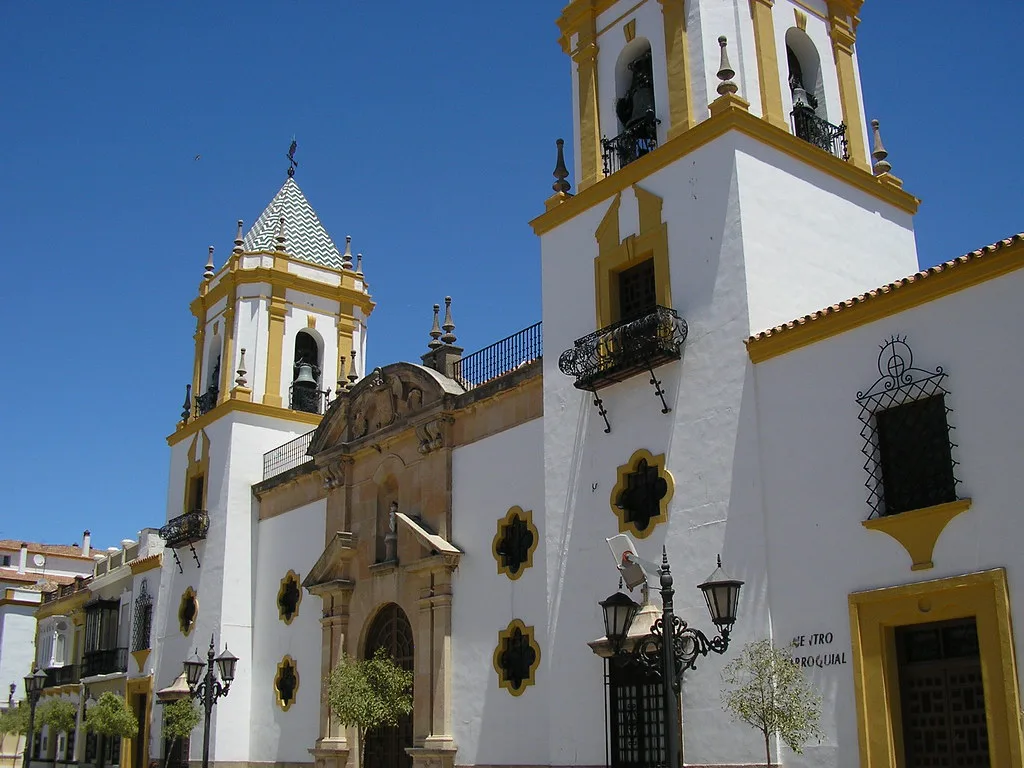
Bardal and Tragatá: how Michelin-listed cooking sits alongside everyday tapas bars
Bardal is the famous two-Michelin-starred restaurant in Ronda, run by chef Benito Gómez, who is also behind Tragatá. That connection explains why a casual tapas bar near the bullring attracts the queues it does. The two offer the same chef at very different prices and tempos.
The practical split is simple: book Bardal well ahead for a tasting-menu evening and use Tragatá for the same kitchen's ideas at tapas prices. Do not expect to walk into either on a summer weekend.
Ronda cheese and wine: queso Payoyo and the Sierra de Ronda wine route
Queso Payoyo is the cheese to seek out in Ronda, tangy and rich enough to carry a glass of local white. Order it as a tapa with bread rather than as a dessert course. Wine bars such as Entre Vinos keep the regional list short and the cheese plates local.
The Ronda wine route has grown from a handful of growers since the 1980s into a region with almost two dozen wineries, some open for visits and tastings. Several bodegas sit in the countryside around town, which makes a tasting an afternoon rather than an hour.
Trade-offs: views, price and crowds, and when to book
Views cost money. Albacara and Arrabal charge for the gorge panorama, while El Lechuguita and the small bars keep prices low and put you in a crowd instead. Decide per meal whether you are paying for the plate or the setting.
Peak season is the crowding problem. Many of these places fill up fast, so book ahead by phone or online where the bar takes reservations, and walk into the rest at opening. Shoulder months bring fewer people and easier tables.
Pairing tapas with the Puente Nuevo and the gorge viewpoints
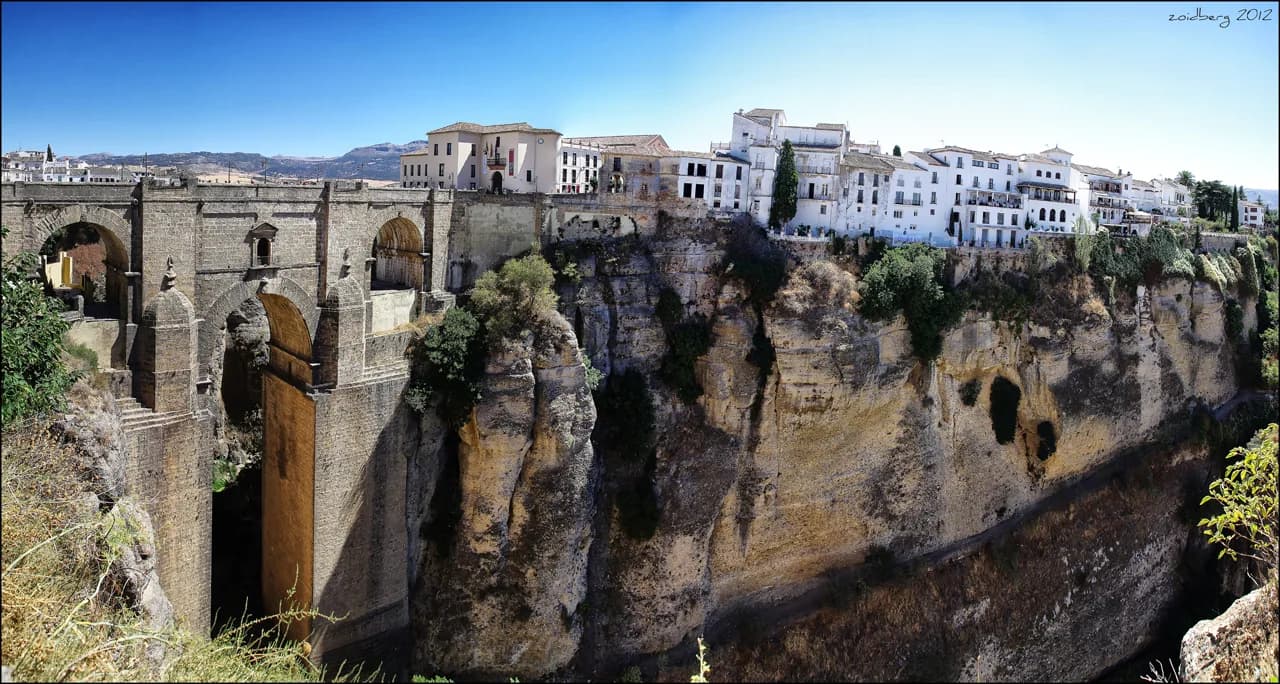
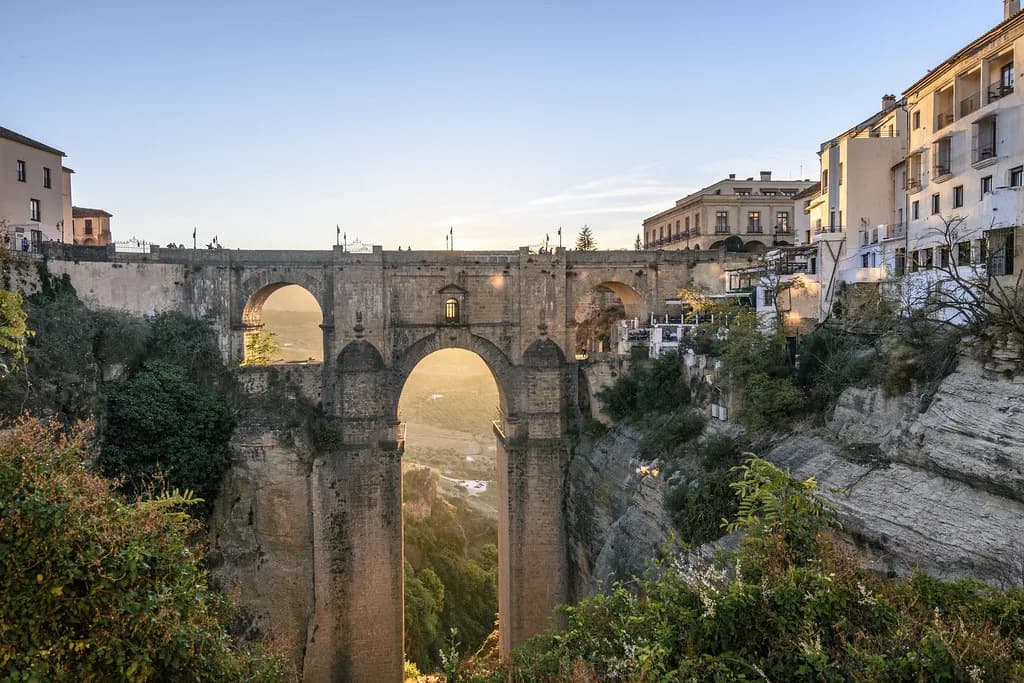
Build the day around the Puente Nuevo. Cross the bridge in the late morning, see it from Mirador de Aldehuela, then eat lunch when kitchens open at 1:30pm. The bridge is free to walk across, which leaves more of the budget for food.
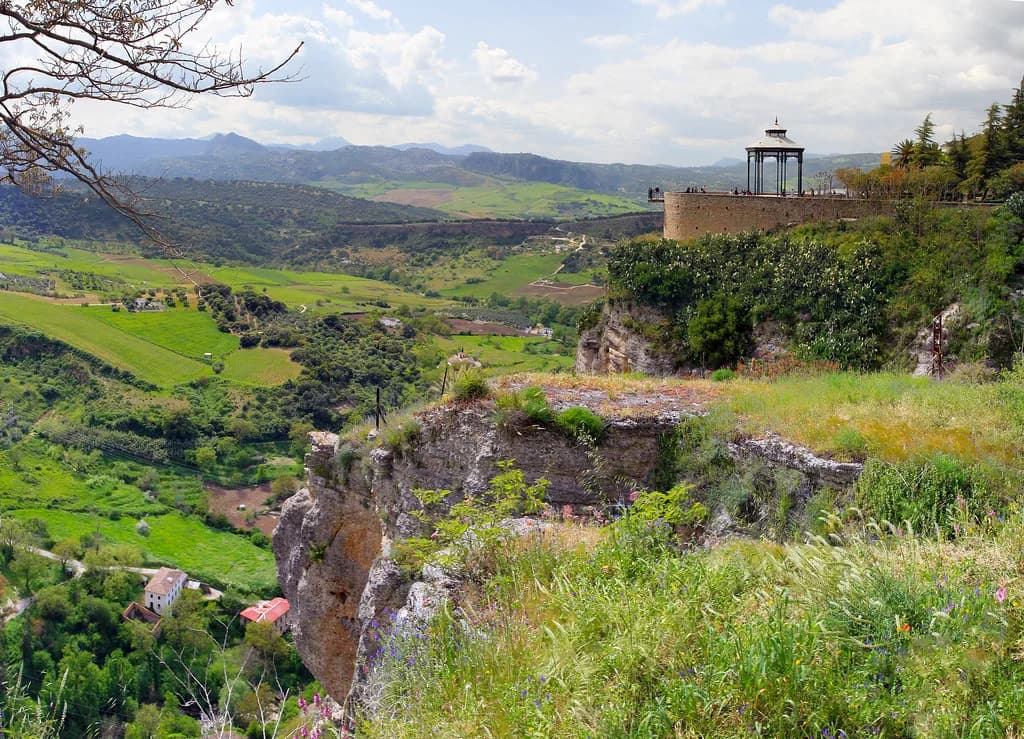
After lunch, descend into the El Tajo gorge for the view from below, then climb back for dinner from 8:30pm. It is a steep walk, but it separates the two meals and puts you in the old town for the evening service.
Plan Your Tapas Crawl
Two bars a day is a realistic pace in Ronda: one long lunch, one evening of small plates, with the gorge walk in between. Entre Vinos for wine, Bodega San Francisco or Casa María for the traditional cooking, and Tragatá or one of the cliffside restaurants when you want a proper table.
Practical details shift, so confirm menus and booking arrangements with each bar directly before you go. Between meals, Carrera Espinel is the street for a walk and a coffee.
Explore more Ronda guides
Frequently Asked Questions
Where can I eat the best tapas in Ronda?
Start with Entre Vinos on Calle Pozo for Ronda wines by the glass and vegetarian tapas, then choose between Tragatá for modern plates near the bullring, Bodega San Francisco for rabo de toro, and Casa María in the old town, where there is no menu and the kitchen cooks what is fresh that day.
What food is Ronda famous for?
Rabo de toro, the slow-cooked oxtail stew in red wine sauce, and queso Payoyo, a tangy local cheese. Both are classic Ronda dishes and appear across the town's tapas bars, alongside wines from the surrounding Sierra de Ronda wine route.
Which Ronda tapas bars have views of the bridge?
Albacara and Arrabal Restaurante both offer cliffside or gorge views with traditional Andalusian cooking. The trade-off is that you are paying for the setting as well as the food, where small bars in the old town keep prices lower and put you in a busier room.
Do you need to book tapas bars in Ronda?
Some do, some do not. Bar Sanchez is a small room, so reserve in advance, and the same applies to cliffside restaurants and to Bardal. Smaller bars such as El Lechuguita work on a turn-up basis and fill up fast in peak season, so arriving at opening is the safer plan.
Is Tragatá worth it in Ronda?
Yes if you want modern cooking at tapas pace. It serves dishes such as an octopus roll, patatas bravas, croquettes and salmorejo, and it is the casual counterpart to Bardal, the two-Michelin-starred restaurant run by the same chef, Benito Gómez. Arrive at opening if you have not booked.
What time do people eat tapas in Ronda?
Lunch service runs from about 1:30pm to 4pm and dinner starts around 8:30pm to 9pm. The hours in between are for walking the gorge or having a coffee rather than eating, so plan two sittings rather than one continuous crawl.
Sources
Notes for eating well in Spain
Optional updates to our guides.
You might also like
Continue reading
More guides you'll find useful