
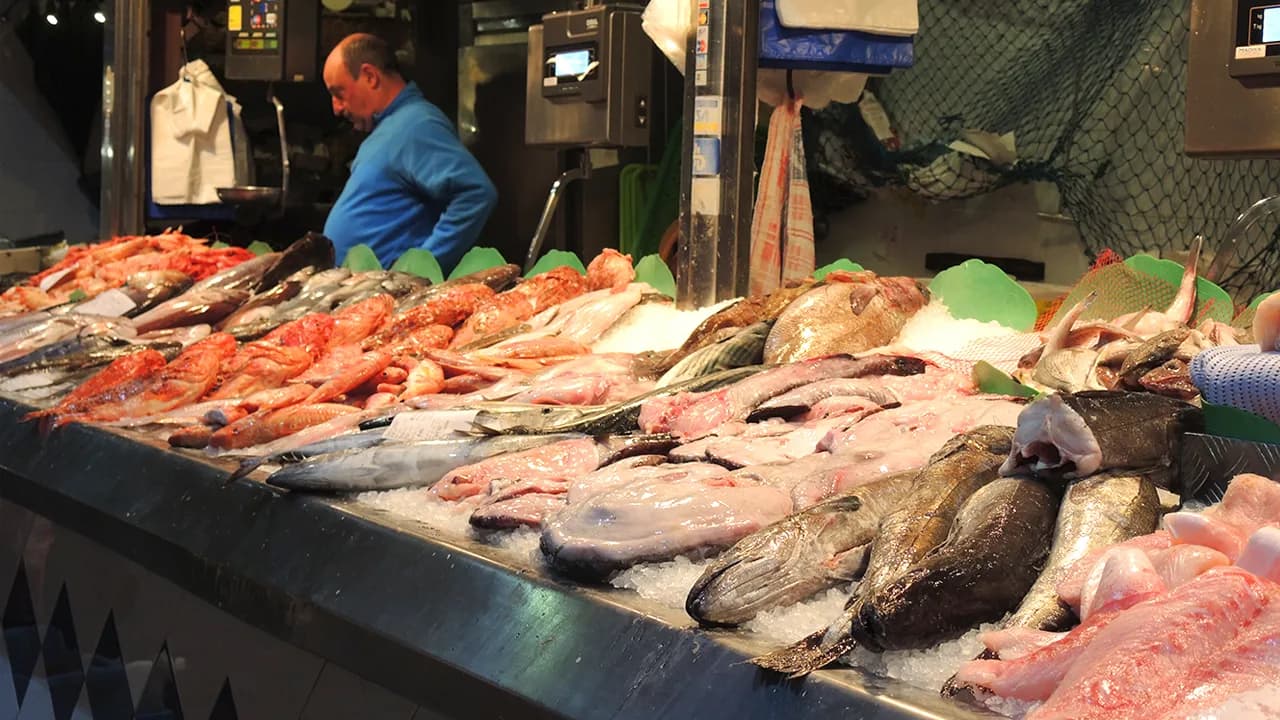
Santa Catalina, Palma: A Neighbourhood Guide
Santa Catalina is Palma's old fishing quarter, sitting west of the Passeig del Born, and it now works as the city's restaurant and nightlife district. Come for a food-led evening and small streets rather than for beach time, and plan to eat late.
The barrio sits under 20 minutes on foot from the busy cathedral area, yet the narrow lanes at its heart feel like a small Mallorcan village. That contrast is the reason to build an evening around it.
What Santa Catalina Is
Santa Catalina grew as a fisherman's village, and its tight street plan still reads that way. Houses that once sat neglected have been restored, and parts of the barrio now resemble the calm Mallorcan village it was decades ago rather than a new-build resort.
What changed is the ground floors. The main street carries Scandinavian estate agencies selling flats in the area at high prices, so the village feel is partly restored and partly remade rather than untouched. Expect a laid-back Mediterranean mood layered with modern bars and inventive restaurants.
Where It Sits and How to Walk In
The simplest route on foot is to start on the Passeig del Born, the tree-lined street that runs from the beach promenade and La Seu into the city centre. Turn off at Bar Cuba and keep going straight: you are in Santa Catalina.
From the cathedral the walk takes under 20 minutes, which makes Santa Catalina easy to pair with a morning in the old town and a late lunch or dinner here. Bar Cuba itself is a long-standing Palma institution, now part of a hotel, and serves as the handiest landmark for the turn.
Who It Suits and Who It Does Not
Santa Catalina rewards travellers who organise a day around eating and drinking: a coffee, a wander, a long dinner and a bar afterwards. It suits couples and friends on a city break, and anyone who prefers small streets to a beachfront strip.
It suits less well if you want sand and swimming as the main event, or if you eat early. Spanish dinner service starts around 8:30–9pm, so an evening here finishes late; families with very young children and early risers should plan accordingly.
The Windmill and the Harbour View
Climb through the barrio to the top and you reach an original old windmill, the landmark of Santa Catalina. From up here the view opens over the harbour of Palma and across to the cathedral.
Treat the windmill as the reason to walk the lanes rather than a sight that fills an afternoon. It pairs naturally with a coffee stop on the way back down, in one of the small cafés around the market.
Wandering the Narrow Lanes by Day
By day, Santa Catalina is a walking neighbourhood: curving streets, restored facades and quiet corners where the city noise drops away. Give it an hour of unstructured wandering before the bars open.
The area also has a run of small shops, which makes it a reasonable stop for browsing between meals. Keep the pace slow and let the streets do the work instead of chasing a checklist.
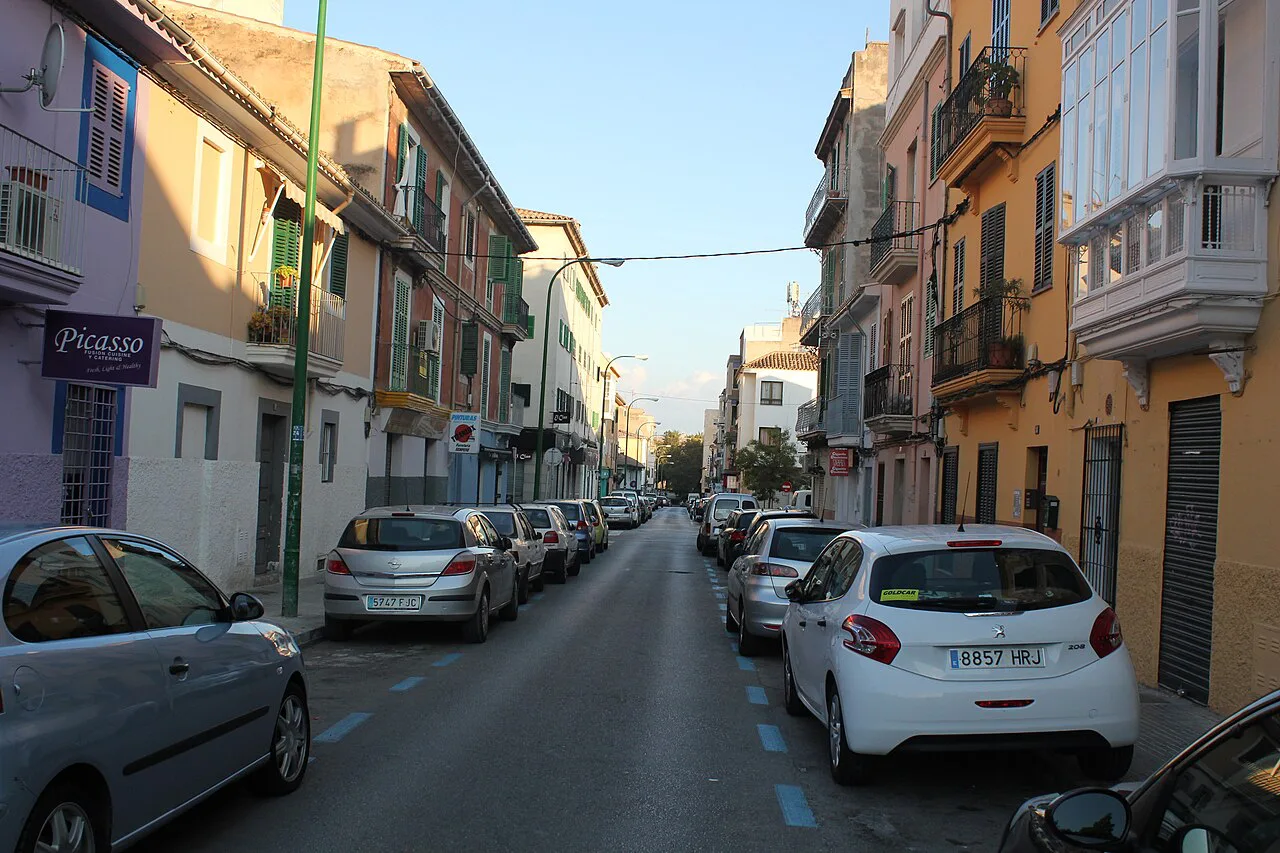

Mercat de Santa Catalina
Mercat de Santa Catalina is the neighbourhood's food hall, and after a major renovation it functions as a gourmet market rather than an everyday produce market. That is a trade-off: it is comfortable and central, but it has shed much of the authenticity visitors come looking for.
If a cheaper, less polished market is what you want, head to Mercat de l'Olivar in the city centre instead, or to one of the island's farmers' markets. Choose Santa Catalina's market for grazing and atmosphere, and Olivar for a more everyday shop.
What to Order: Sobrasada and Market Grazing
Sobrasada, the Mallorcan cured sausage, is the local thing to try while you are in the barrio. Order it as part of a spread of small plates rather than as a main, and let the market stalls and bars set the pace.
Prices at the market's food counters change with the season and the stall, so read the boards before you commit and pay at the counter as you go. A grazing lunch of several small plates keeps the bill predictable.
Eating and Drinking on Spanish Timing
Santa Catalina is a foodie district first: the main street and side lanes hold bars and restaurants that range from traditional to experimental. Plan a late dinner from about 8:30–9pm, so a late-afternoon visit is better spent on a coffee and a wander than on a full meal.
Book ahead for the most popular tables on Friday and Saturday, and keep a bar as your fallback if a kitchen is full. Many kitchens close between services, so arriving at 5pm expecting a full menu rarely works.
Nightlife: Local Bars Rather Than Pub Crawls
After dark Santa Catalina becomes one of Palma's nightlife hubs, with restaurants, bars and clubs that draw a local crowd rather than organised pub crawls. The atmosphere is relaxed and mixed, closer to a neighbourhood night out than a tourist strip.
Start with a drink near the market, then move deeper into the lanes as the evening builds. Walking between venues is easy because the barrio is compact, so you can change plan without a taxi.
Getting There and Getting Around
On foot, enter from the Passeig del Born at Bar Cuba and you are in the barrio within a minute. An airport bus stop sits nearby, which makes Santa Catalina a practical first or last stop on a Palma trip.
Inside the neighbourhood everything is walkable, including the climb to the windmill, but the lanes are narrow and pavements are slim. Wear shoes you can walk in and keep an eye on traffic in the tighter corners.
Where to Stay in Santa Catalina
Staying here buys you an evening district on your doorstep: you can eat, drink and walk back to your room without crossing the city. Hotels in the barrio include the property that now incorporates Bar Cuba, so the old landmark doubles as a place to sleep.
Compare that with the old town, which puts the cathedral and the city's historic core on your doorstep instead. Santa Catalina is the better base for food and late nights; the old town is the better base for sightseeing on foot from the moment you wake. If you are still deciding how to split your stay between the two, how many days in Palma is a good place to weigh up a food-led base against a sightseeing one.
If you want a quieter stay with sea air, look at Portixol, Palma, a short walk along the waterfront, and commute into Santa Catalina for dinner.
Practical Constraints Before You Go
Plan around two fixed points: the market, which runs as a food hall during daytime hours, and dinner, which starts at 8:30–9pm. Build the rest of the day around those and the neighbourhood works smoothly.
Check market hours and restaurant closing days before you travel, and book dinner for the weekend in advance. Also note that the estate-agent shopfronts on the main street signal rising prices, so budget for central-city rates at the bars.
Plan Your Santa Catalina Evening
Base an afternoon and evening here: wander the lanes, climb to the windmill for the harbour view, graze at the market, then eat late on Spanish timing. Choose the market for atmosphere and Mercat de l'Olivar if you want a cheaper, plainer shop.
Stay in the barrio for the nightlife on your doorstep, or in the old town if sightseeing comes first. If you are weighing up how long to give Palma overall, our guide to how many days in Palma helps you slot Santa Catalina into a one, two or three day trip. Check opening days and book weekend tables before you go.
Explore more Palma guides
Frequently Asked Questions
How far is Santa Catalina from Palma Old Town?
It is under 20 minutes on foot from the cathedral area. Walk to the Passeig del Born, turn off at Bar Cuba and continue straight into the barrio.
What is there to do in Santa Catalina, Palma?
Wander the restored fishing-village lanes, climb to the old windmill for views over the harbour and the cathedral, graze at Mercat de Santa Catalina and eat and drink in the neighbourhood's bars and restaurants.
Is Santa Catalina worth visiting in Palma?
Yes if you want a food-led evening and small streets rather than beach time. The trade-off is a main street full of estate agents and a market that is now gourmet rather than everyday.
Where do locals go out in Palma?
Santa Catalina draws a local crowd to its restaurants, bars and clubs after dark, with a more relaxed feel than organised pub crawls. Arrive after the Spanish dinner hour to catch it at its best.
Which market should I choose, Santa Catalina or Olivar?
Pick Mercat de Santa Catalina for atmosphere and grazing, and Mercat de l'Olivar in the city centre for a cheaper, less polished market experience.
When should I eat dinner in Santa Catalina?
Dinner service starts around 8:30–9pm, so plan a late afternoon coffee and wander before you sit down. Book ahead for weekend tables and keep a bar as a fallback.