Brunch in Palma: Where to Eat and What to Order
Plan brunch in Palma with named restaurants in Santa Catalina and the old town, what to order, and how Spanish meal times shape a late breakfast.
On this page
Palma does brunch best as a late, unhurried meal built around Mallorcan produce, eaten in Santa Catalina or the old town before a walk along the seafront. The city's eating day runs late, so a 1.30pm start often works better than a 10am one, and a market graze covers the mornings when you want something lighter.
Santa Catalina is where most of the food-led action sits: a former fishermen's quarter turned neighbourhood of independent restaurants, wine bars and a covered market. The old town around Carrer dels Apuntadors and La Lonja adds tapas bars and cocktail rooms within walking distance of La Seu.
Brunch in Palma: the short answer
Brunch as a fixed British-style menu is not a Palma institution; the city eats late and eats well, which is a different thing. Treat brunch as a generous late breakfast or an early lunch of tapas, market plates and pastries, and you will find plenty of it. If you want the British-style version done properly, brunch in Ibiza is the closer match; in Palma the local version is the better meal.
Two areas do the job for visitors: Santa Catalina for restaurant brunch and market grazing, and the old town for tapas bars tucked into narrow streets behind the cathedral. Both are compact and walkable, so you can pick one base and cover the other on foot.
For Playa de Palma, east of the city along the bay, Little Brunch sits at Balneario 13 and serves breakfasts, brunches and lunches with a sea view — a useful option if you are staying on that stretch of coast rather than in the centre.
How Spanish meal times change your brunch timing
Palma's restaurant day is built around a lunch service that runs from roughly 1.30pm to 4pm and a dinner service that rarely starts before 8.30pm or 9pm. That long gap in the afternoon is why a substantial late breakfast earns its place: it carries you to a properly late lunch or an evening of tapas.
In practice, aim to sit down between 11am and 1pm if you want a relaxed brunch, or book a 1.30pm table and call it lunch. Turning up at 3pm hoping for eggs usually means you have missed the window and are looking at a bar snack instead.
Sunday is the day Palma actually slows down, and the old town's squares fill with families and promenaders rather than office workers. Book the table you care about rather than relying on walk-ins, especially for a small room with a dozen covers.
Santa Catalina: Palma's brunch and market district
Santa Catalina was once a fishermen's and artisans' quarter, and it has become the city's most concentrated eating neighbourhood, with independent shops by day and bars and contemporary restaurants after dark. The streets around Carrer de la Fàbrica, Carrer de San Magí and Carrer de Argentina hold most of the modern dining and cocktail scene.
The neighbourhood's anchor is the Mercat de Santa Catalina, established in 1920 and Palma's oldest food market, where dozens of producers sell fruit, vegetables, meat, cheese, seafood, flowers and pastries. It is the obvious first stop of the day: graze the stalls, then sit down at one of the small cafés inside for a tapa and a glass of wine.
For a sit-down brunch, Restaurante Brutal on Carrer de la Fàbrica 10 is the neighbourhood's Mallorcan-flavour choice, with a traditional bacallà — salt cod in olive oil with confit tomatoes and garlic — that sets the tone for the island's cooking. It is popular, so reserve rather than gamble on a table.
Where to eat brunch in Santa Catalina
La Bottega di Michele, directly opposite Brutal on Carrer de la Fàbrica, cooks rustic Italian food in generous portions — a pork belly salad with rocket and olives, then a slow-cooked beef ragù pasta that clings to every strand. It is the pick when one of your party wants pasta at midday and the other wants something lighter.
Rikito, also on Carrer de la Fàbrica, is the pizza option: a blistered base with paper-thin courgette, stracciatella and mortadella, plus a tomato and burrata salad that is worth ordering on its own. Expect a slightly more premium feel and a younger crowd, and book ahead because the room fills quickly.
For a pre-brunch drink, Lili's sits on a tucked-away square a little off the main drag and mixes a Fiero spritz with Martini Fiero, white peach, cava and elderflower, served with warm flatbread, olives and a herby dip. It is a good way to start a slow Sunday before the kitchen opens.
Old town brunch and tapas spots
La Bodega on Carrer dels Apuntadors is the old town's small-plates benchmark: a tiny room of about ten tables serving whitebait, chopped squid slow-cooked in a deep savoury sauce, house croquettes, braised octopus and a curry meatball dish brightened with shrimp. Finish with a crème catalana and book, because a room that size fills fast.
Beyond that, the old town's eating concentrates in La Lonja, where traditional Spanish and Mallorcan places sit close together and menus are posted outside for inspection. Wander the back streets before committing: comparing the boards on Carrer del 31 de Diciembre and Carrer de Blanquerna takes ten minutes and usually pays off.
When you want a full sit-down meal rather than small plates, the city's best cooking spreads well beyond the old town, from Sa Calatrava to the back streets around Plaça d'Espanya.
Markets and food halls for a DIY brunch
Grazing beats booking when you want to be on your feet: the Mercat de Santa Catalina covers fruit, cheese, ham, seafood and pastries under one roof, and a few stalls sell prepared food to eat at the counter. Go before midday for the fullest stalls and the quietest aisles.
The San Juan Gastronomic Market, a converted old hall, gathers 17 food stalls plus a bar and café and runs daily, which makes it a fallback when other places are shut. Saturday brings a market to Plaça Major if you would rather build a picnic than sit down.
For coffee and pastries in the centre rather than a full plate, the city has a deep bench of small cafés, and a local guide to them saves you from defaulting to the first terrace you pass.
What to order: Mallorcan dishes and pastries worth trying
Start with bacallà, the salt cod that turns up on menus across the island, served silky in olive oil with confit tomato and garlic. It is a good test of a kitchen: plain ingredients, nowhere to hide.
From Sóller's orange groves comes the island's most famous drink, freshly squeezed orange juice, and it is genuinely different from the supermarket version — order it with breakfast rather than with lunch. The same valley supplies the oranges behind the island's pastries and desserts.
Round things off with crème catalana, wobbly and citrus-tinged under a cracked sugar top, or croquettes from a tapas bar counter. For the broader island repertoire, from seafood rice to sobrasada, the city's tapas bars cover most of it.
Coffee, orange juice and drinks with brunch
Coffee in Palma is short and strong by default: order a café con leche if you want milk, or a cortado if you want it cut. Bar counters are for standing, drinking and eating a pastry quickly, not for lingering over a laptop.
For a proper drink before food, Neo Cultural at Carrer de la Boteria 8 in La Lonja is a discreet, air-conditioned cocktail room with marble counters and no menu — the bartender asks what you fancy and builds it. It opens later in the day, so it works as a pre-dinner stop rather than a brunch venue.
A glass of local Mallorcan wine with a late breakfast is entirely normal here, and the island's bodegas produce enough white and rosé to make it worthwhile. Ask what is open by the glass rather than ordering blind from the list.
Prices: what brunch costs in Palma
Specific dish prices move with the season and the kitchen, so the reliable approach is to check the menu board outside before you sit down — Palma restaurants generally display one, and it is normal to read it and walk on. Market stalls price by weight and by portion, so a graze usually costs less than a sit-down plate.
For paid extras such as guided food tours, the tour company's own booking page is the only current source. A local food writer sells an interactive Palma restaurant map as a paid download, which gives you an idea of what add-on guides cost rather than what a meal does.
Palma Cathedral charges an entry fee for adults, so budget separately for sightseeing if you are combining brunch with the old town's main sights. Confirm the current rate at the ticket desk rather than relying on older figures.
Practical tips: booking, closures and August
Book the small rooms. La Bodega's ten tables and Rikito's busy dining room both reward a reservation, and a same-day call in the morning is usually enough outside peak summer. Walk-ins work better at the market, where turnover is fast.
Many Palma restaurants close one or two days a week, and August takes some kitchens out of the city entirely. Check the restaurant's own page or phone before you build a morning around one address, especially for Monday and Tuesday.
Wear comfortable shoes: the old town's cobbles and the Santa Catalina pavements are unforgiving, and the walk between the two neighbourhoods is short but uneven. Carry water in July and August, when the heat builds quickly after midday.
What to see nearby after brunch
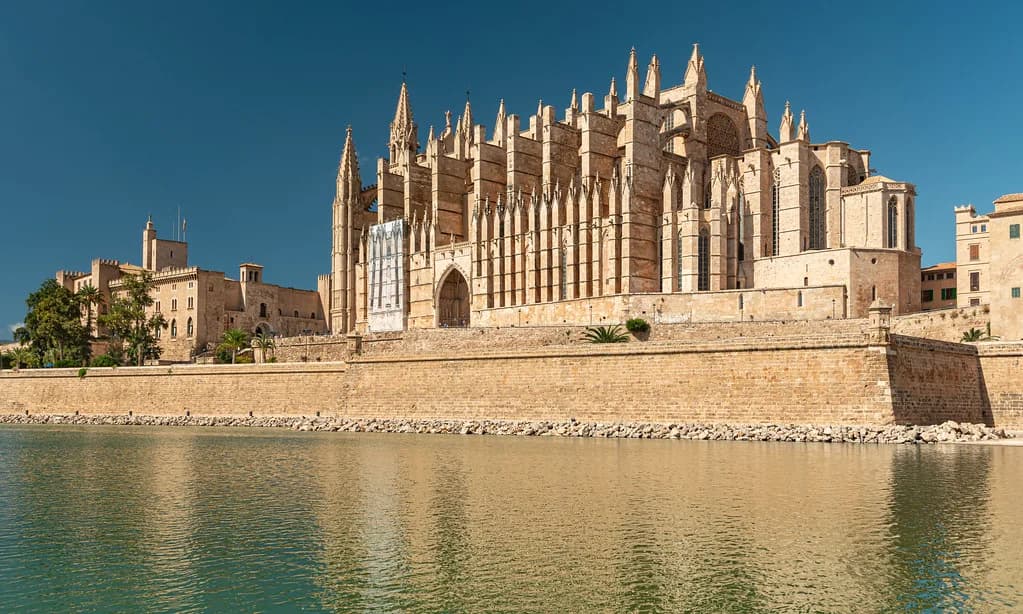
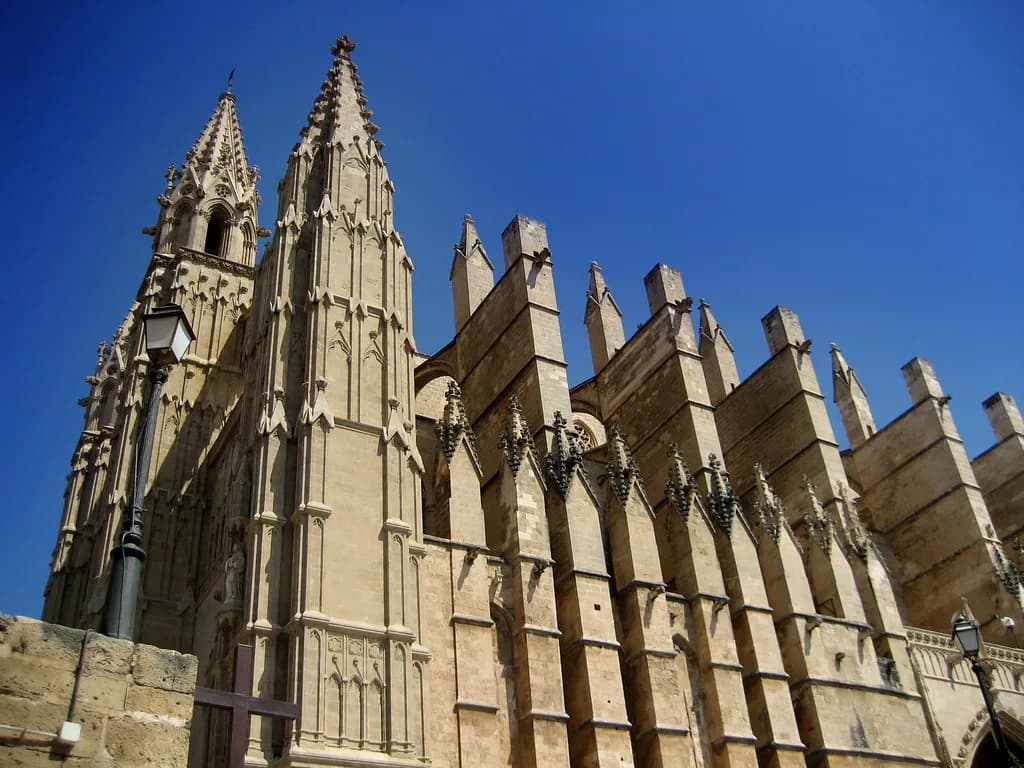
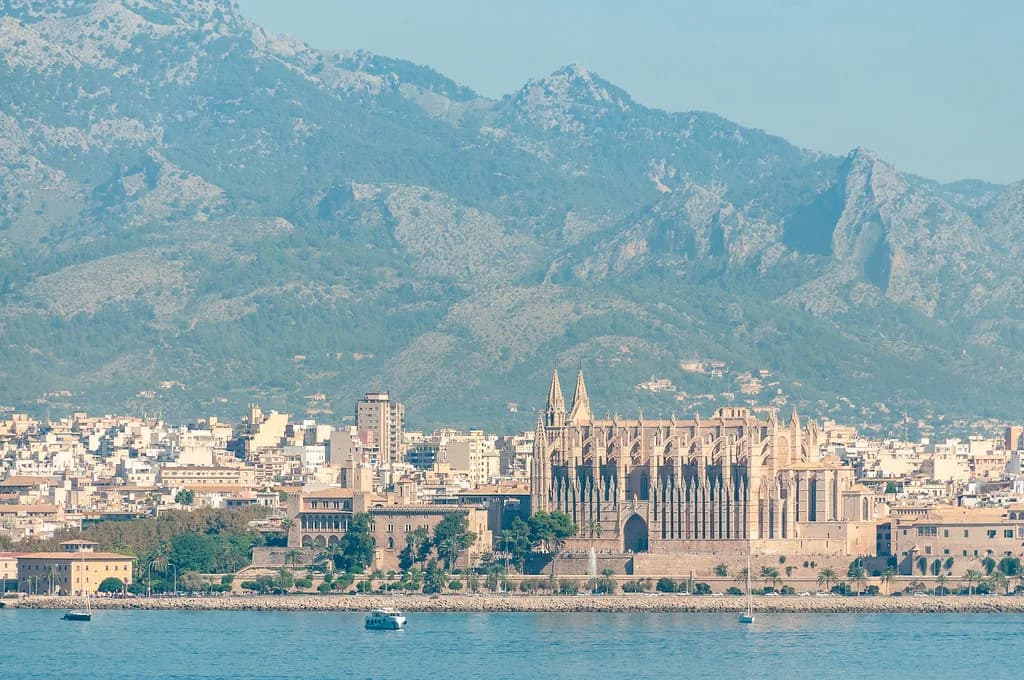
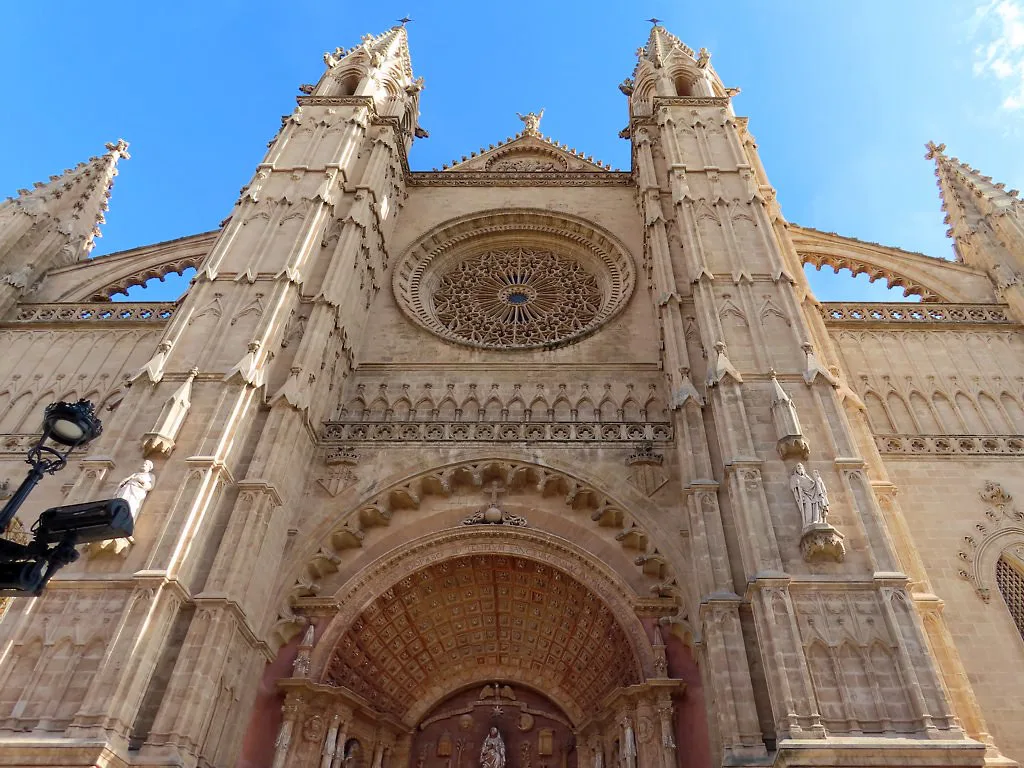
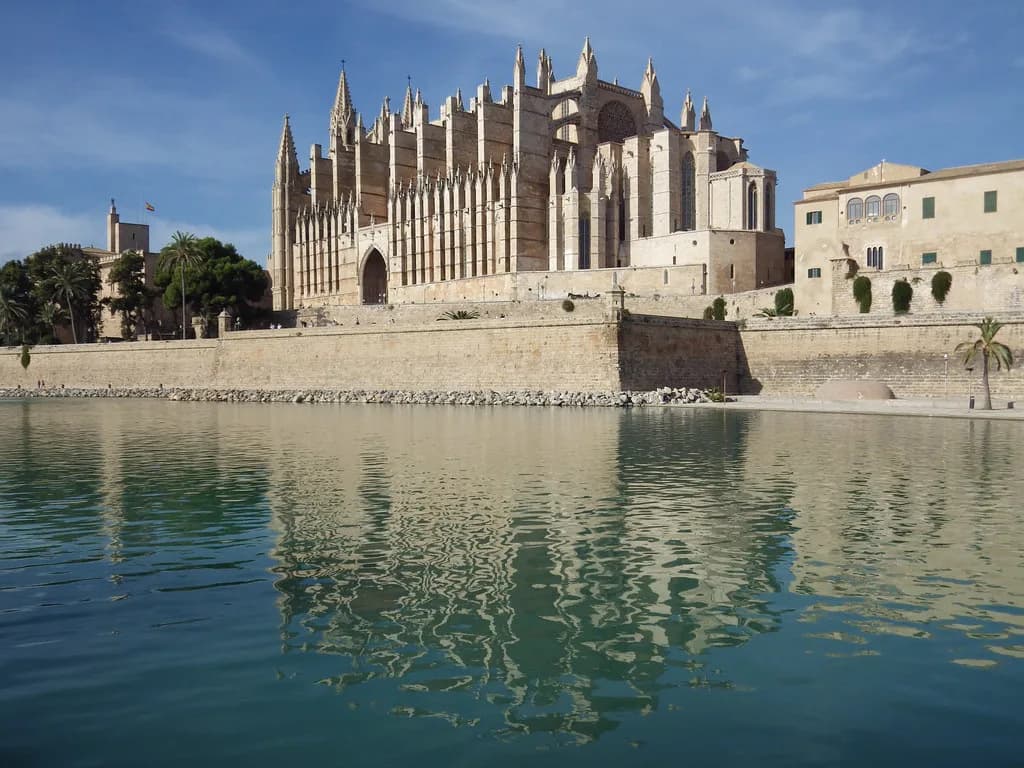
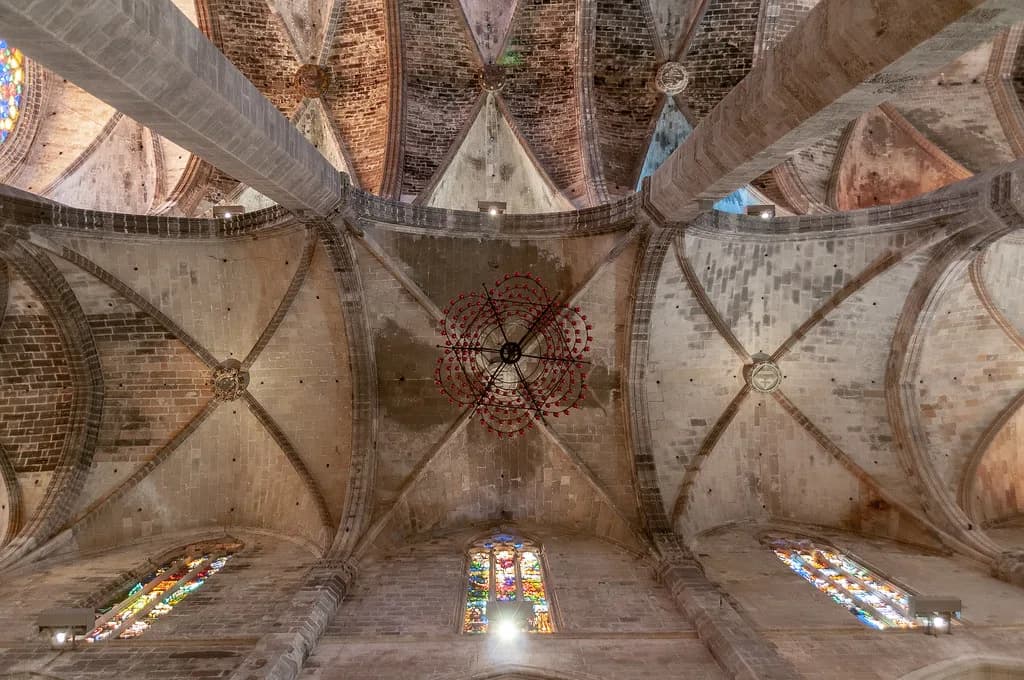
The old town's core sits right behind the cathedral: La Seu, the Gothic landmark with one of the world's largest rose windows, faces the Parc de la Mar and the seafront. The Royal Palace of La Almudaina is directly opposite, and the S'Hort del Rei gardens below it make a shady pause between courses.
Wander the Arab quarter behind the cathedral for narrow lanes, hidden courtyards and small museums, then drop down to Passeig des Born and La Rambla for the city's main shopping stretch. Plaça Cort, with its town hall and ancient olive tree, is a natural point to reorient yourself.
Bellver Castle sits on a hill west of the centre, a 14th-century circular fortress with wide views over the bay and the city. It is a taxi or a long walk from the old town, so pair it with a slow afternoon rather than squeezing it in before lunch.
Beaches and promenade walks after eating
The closest sand to the cathedral is Can Pere Antoni, a stretch of golden beach that starts just beyond the seafront and continues east with a promenade and cycle path alongside. Portixol, a former fishing village about 3km from the cathedral, has a small sheltered beach and a cluster of seafront restaurants.
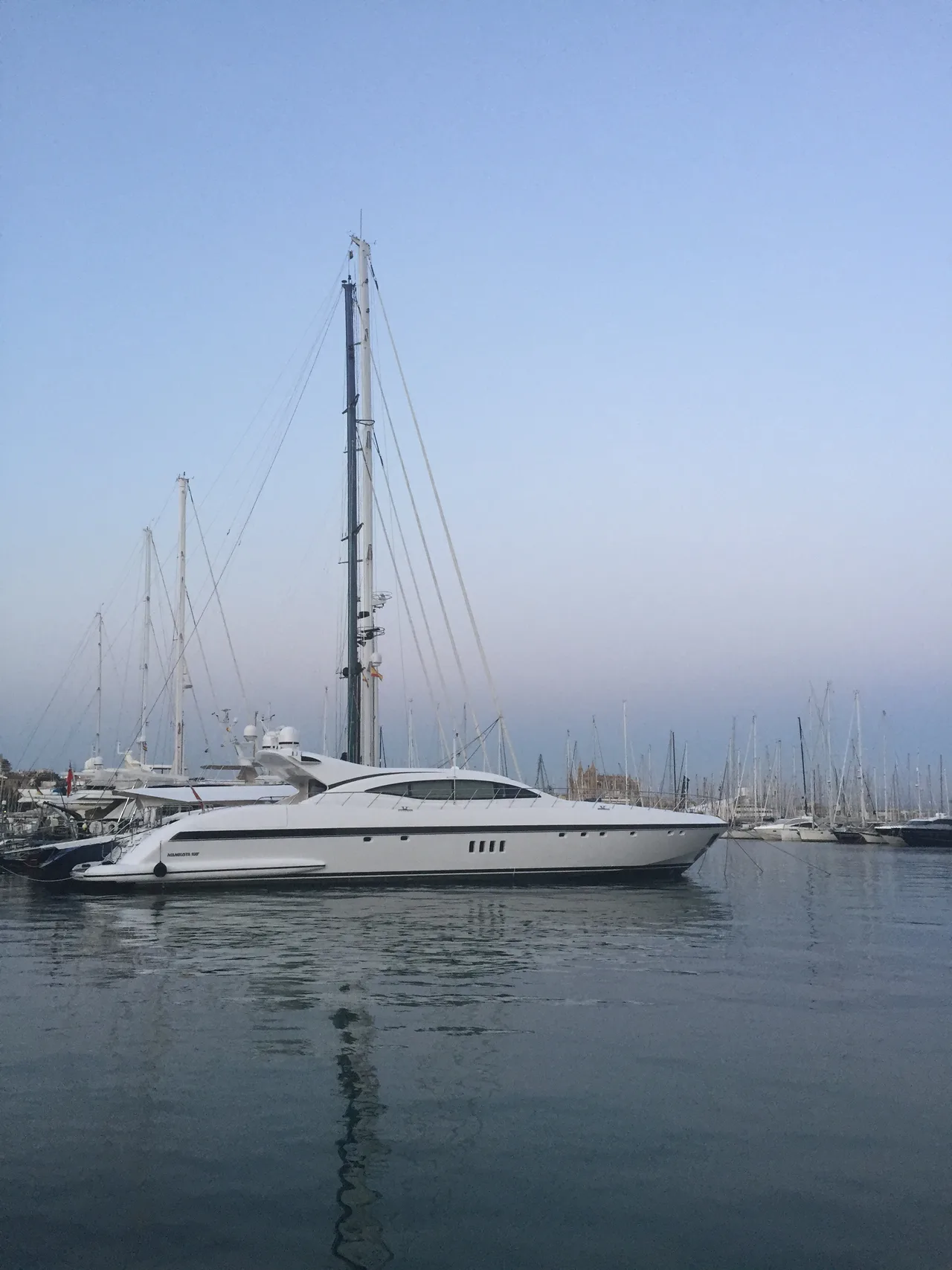
The Passeig Marítim runs from the port past the cathedral towards Portixol and makes an easy flat walk or cycle after a heavy meal, with yacht-spotting along the way. Rent a bike rather than walking if the heat is up, and keep to the marked lane.
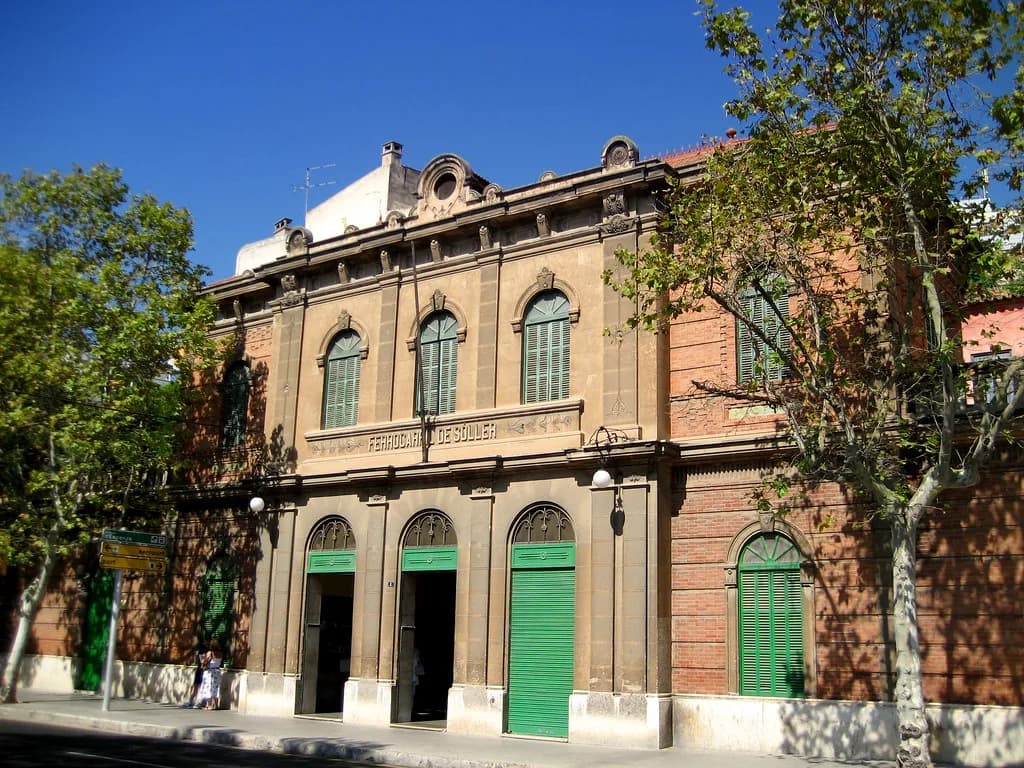
If you want the classic island excursion instead, the vintage train from Palma to Sóller has run through the Serra de Tramuntana since 1912 and takes about an hour through 13 tunnels, with an open-air tram continuing to the port. Pair it with lunch in Sóller rather than brunch in the city.
Plan Your Brunch in Palma
Build the morning around one neighbourhood: Santa Catalina for the market and a sit-down plate, the old town for tapas and a walk past the cathedral. Either way, sit down late and let the meal run towards the afternoon.
Confirm the day's opening hours with the restaurant before you set out, and read the menu board outside before committing to a table.
Explore more Palma guides
Frequently Asked Questions
Does Palma do brunch?
Yes, though not usually as a fixed British-style menu. In Palma brunch works best as a generous late breakfast or an early lunch of tapas, market plates and pastries, eaten in Santa Catalina or the old town between about 11am and 1.30pm.
Where is a good brunch in Palma?
In Santa Catalina, Restaurante Brutal on Carrer de la Fàbrica serves Mallorcan cooking including salt cod with confit tomato, while La Bottega di Michele opposite does generous Italian plates and Rikito does pizza. In the old town, La Bodega on Carrer dels Apuntadors is the pick for small plates.
What do you eat for brunch in Mallorca?
Salt cod in olive oil with garlic and confit tomato, croquettes, braised octopus and crème catalana are reliable orders, and freshly squeezed Sóller orange juice is the drink to start with. In Santa Catalina the market adds cheese, ham, seafood and pastries.
What time do people eat brunch in Palma?
Aim for 11am to 1pm for a relaxed brunch, or book 1.30pm and call it lunch, since Palma's lunch service runs to around 4pm and dinner rarely starts before 8.30pm. Arriving at 3pm usually means you have missed the food window.
Which Palma neighbourhood is best for brunch?
Santa Catalina is the strongest choice, combining the Mercat de Santa Catalina with a cluster of restaurants along Carrer de la Fàbrica. The old town around Carrer dels Apuntadors and La Lonja is the alternative, and the two are within walking distance of each other.
Should I book a table for brunch in Palma?
Yes for the small rooms. La Bodega has around ten tables and Rikito fills quickly, so reserve ahead or call on the morning. Market stalls and bars need no booking, which makes them the flexible option.
Do Palma restaurants close during August?
Some kitchens close for part of August, and many restaurants shut one or two days a week. Check the restaurant's own page or phone before planning a morning around one address.
What is there to do nearby after brunch in Palma?
Walk the old town lanes behind the cathedral, then the Passeig Marítim towards Portixol for a flat seafront stretch. Can Pere Antoni beach starts beyond the cathedral, and Bellver Castle sits on a hill west of the centre.
Sources
Notes for eating well in Spain
Optional updates to our guides.
You might also like
Continue reading
More guides you'll find useful