Menorca in September: Quieter Beaches and Warm Sea
Menorca in September brings warm sea, long days and far fewer cars than August, with calmer towns and terraces in Maó and Ciutadella. Here is what to expect.
On this page
September is the month Menorca stops performing for the crowds and goes back to itself. The days stay long and the sea keeps the warmth it built up over the summer, so swimming and snorkelling remain everyday activities rather than a brave dip. What changes is everything around the water: fewer cars on the lanes, less rush on the terraces and space to decide in the morning where you fancy swimming.
For a UK visitor this is the useful middle ground between peak-summer heat and the windier, shorter days of October. You get the full Mediterranean experience of long lunches by the sea and evenings outdoors, with the pressure of August removed. Build a loose plan around the coast, draw on our things to do in menorca picks for the rest, and leave the detail to the weather.
What September in Menorca is actually like
Treat September as its own season rather than late summer. The island is still profoundly Mediterranean, with long days and warm water after months of sunshine, but the sun sits slightly lower on the horizon, which softens the light and stretches the pleasant part of the afternoon. That shift matters for planning: beaches are at their most rewarding from mid-afternoon onwards, and the harsh middle-of-the-day sun is less of a constraint than in July or August.
Weather data for Cala'n Bosch describes September as pleasant, with moderate rainfall and ample sunshine, which is a fair one-line summary for the island as a whole. Plan for a mix: mostly beach and walking days, with one or two wetter spells as the month goes on.
Traveller threads about Menorca weather in September are best read as anecdote rather than forecast, so check the Balearic meteorological agency's outlook for your travel dates instead.
Why the sea is still the main event
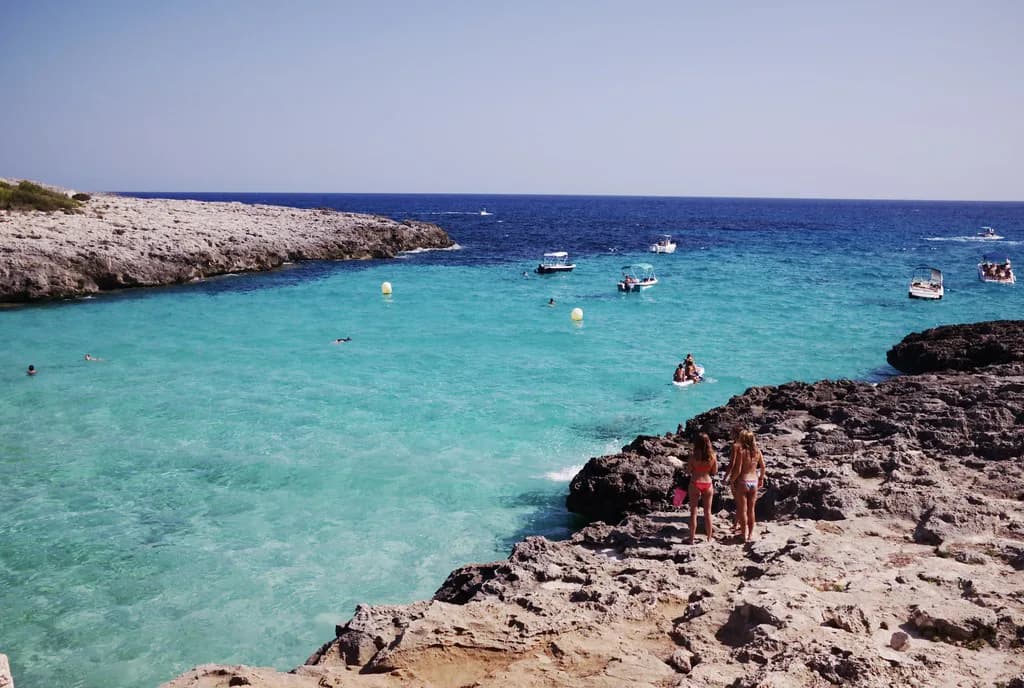
The sea is the reason to come in September. After a summer of sun it stays at an especially pleasant temperature, and swimming, sailing, snorkelling or simply floating about are still part of ordinary daily life on the island. That makes it worth choosing accommodation with easy access to the water rather than relying on a single beach day.
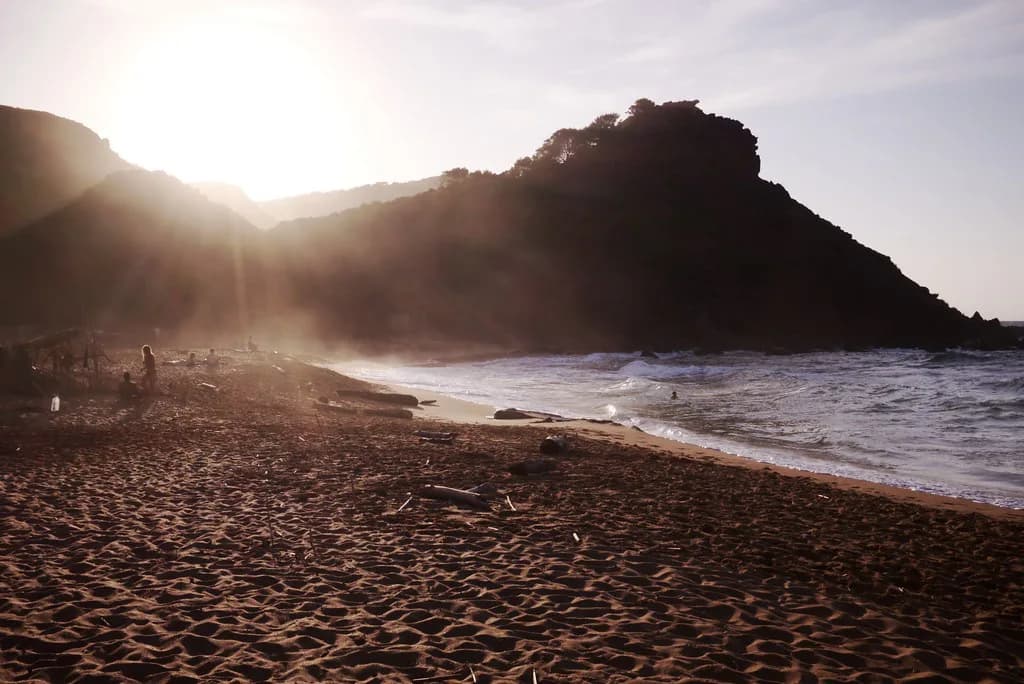
The lower sun also changes how the coast looks: whitewashed walls, dry-stone walls and the blue of the sea take on a different intensity as the light drops. Photographers and painters do well to keep the last three hours of daylight free, and anyone who likes a quiet swim should aim for early morning or late afternoon when the sun is kinder.
The best approach is spontaneous: check the wind first thing, then pick a south-coast cove when it blows from the north and a northern bay when it comes from the south. Menorca's beaches face in different directions, so a little morning judgement turns a windy day into a good one.
How busy it is compared with July and August
July and August are Menorca at full intensity: terraces packed, more traffic on the roads and the best-known coves absorbing thousands of visitors. September is different in degree rather than in kind. Summer continues, but the pressure eases, and it becomes possible again to leave the house in the morning, see which way the wind is blowing and pick a cove without a reservation or a queue.
If you have only ever seen the island in peak season, the contrast is striking. The country lanes calm down and driving through the interior becomes a pleasure again rather than a chore. That makes September a strong month for anyone who wants to cover ground, link coves to inland villages and eat lunch without a schedule.
School holidays still shape the first days of the month in some markets, so the first week can feel busier than the last. If flexibility is on your side, the later part of September is the calmer choice, and our guide to menorca in august shows what you are avoiding.
Maó and Ciutadella at a slower pace
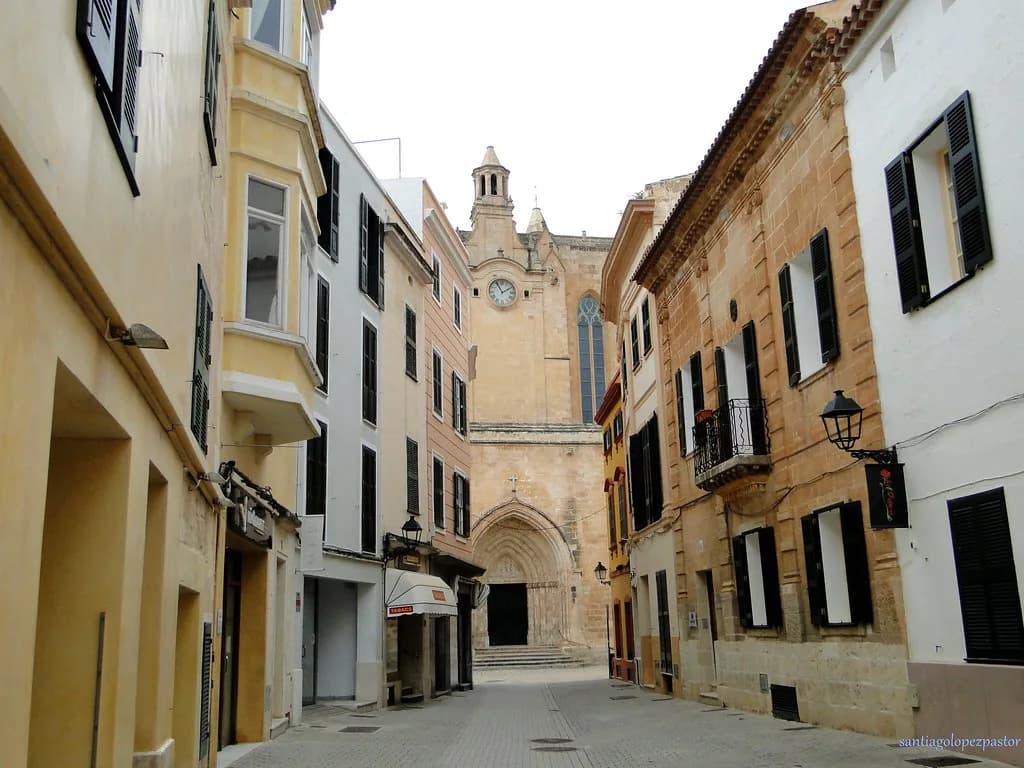
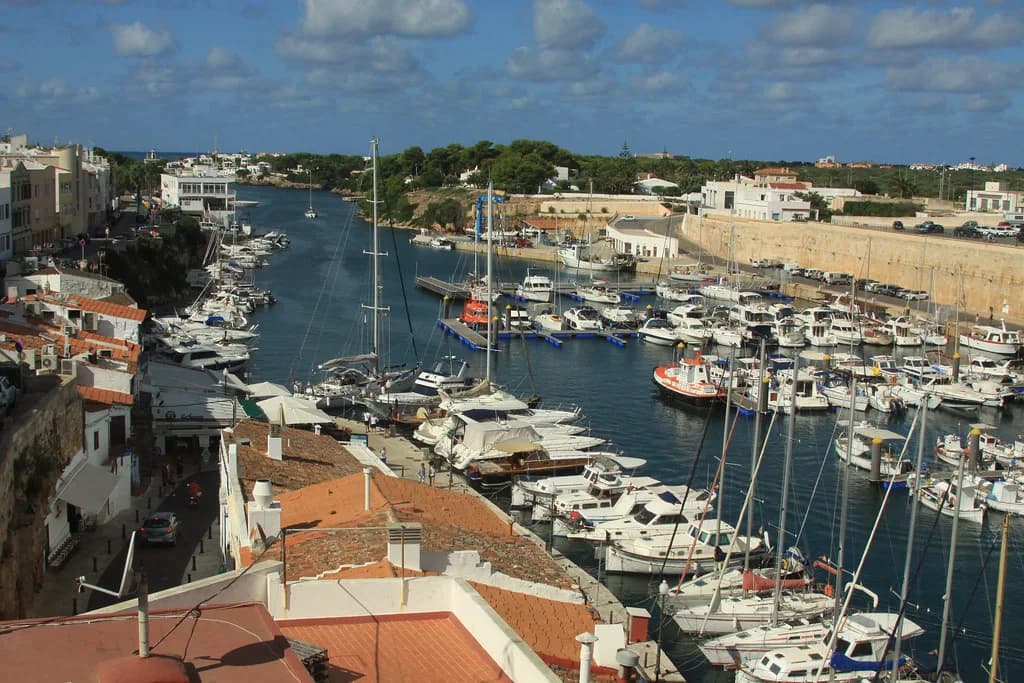
As September progresses the towns return to their usual rhythm. Maó and Ciutadella become easier to explore on foot, and sitting unhurried on a restaurant terrace, dining outdoors or having a glass of wine in one of the small squares of the historic centres is once again tempting rather than a scramble. The evenings stay pleasant but tables are no longer so fiercely sought after.
Both towns reward a slow half-day: the harbour side in Maó for a morning coffee, the old quarter of Ciutadella for an evening wander. Use them as anchors for your trip and fill the days between with coast time.
For a wider choice of places to eat around both towns, work through our guide to the best restaurants in menorca and book the ones you care about rather than leaving dinner to chance.
Beaches and coves without the August crush
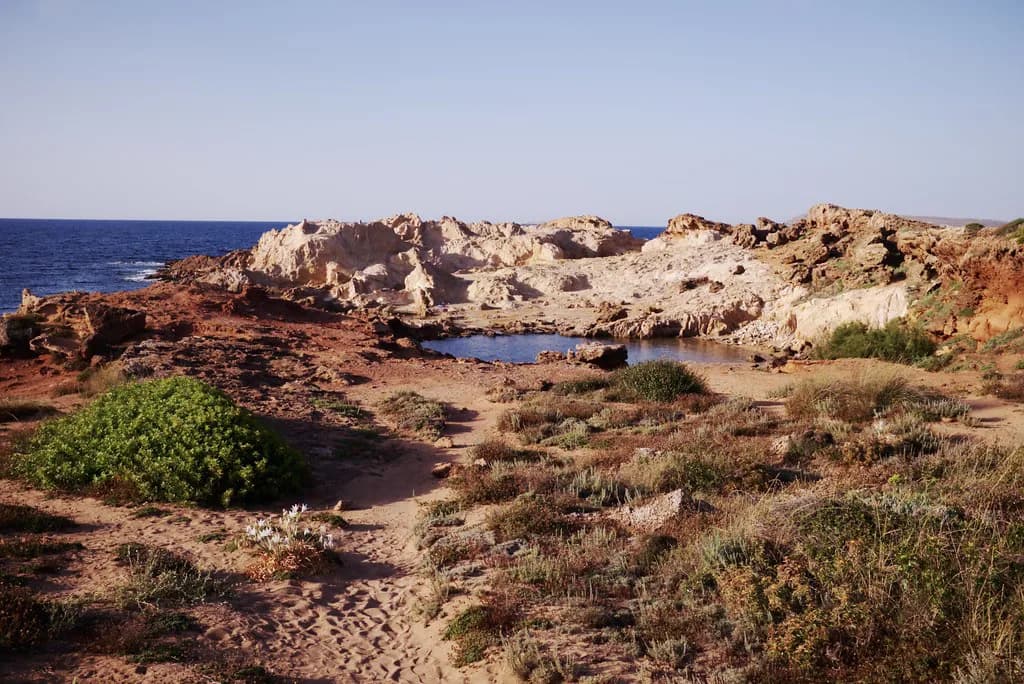
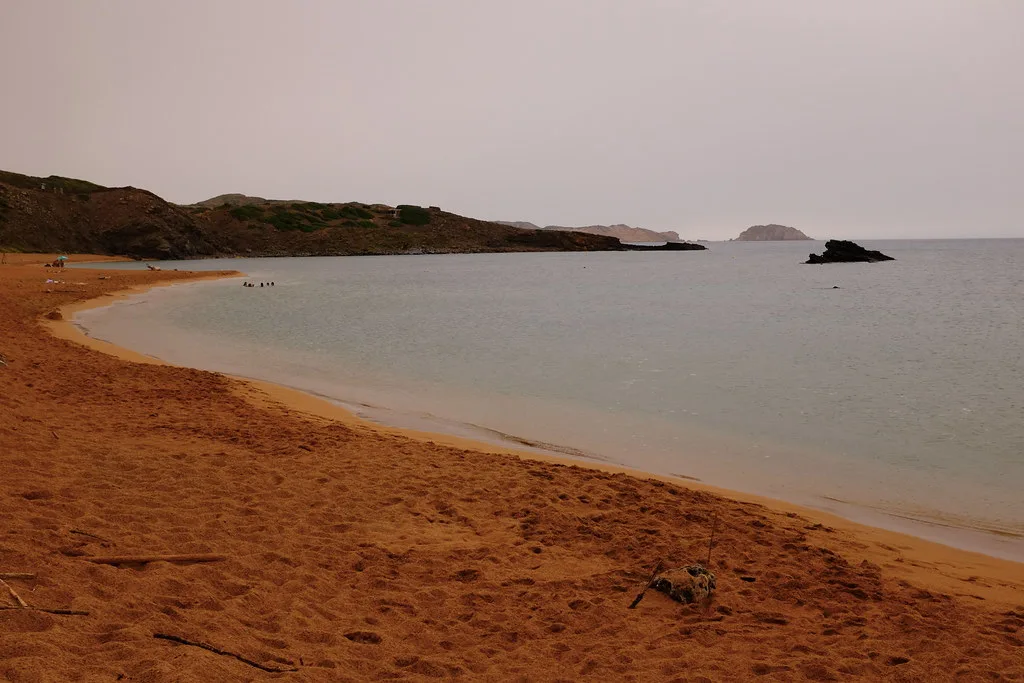
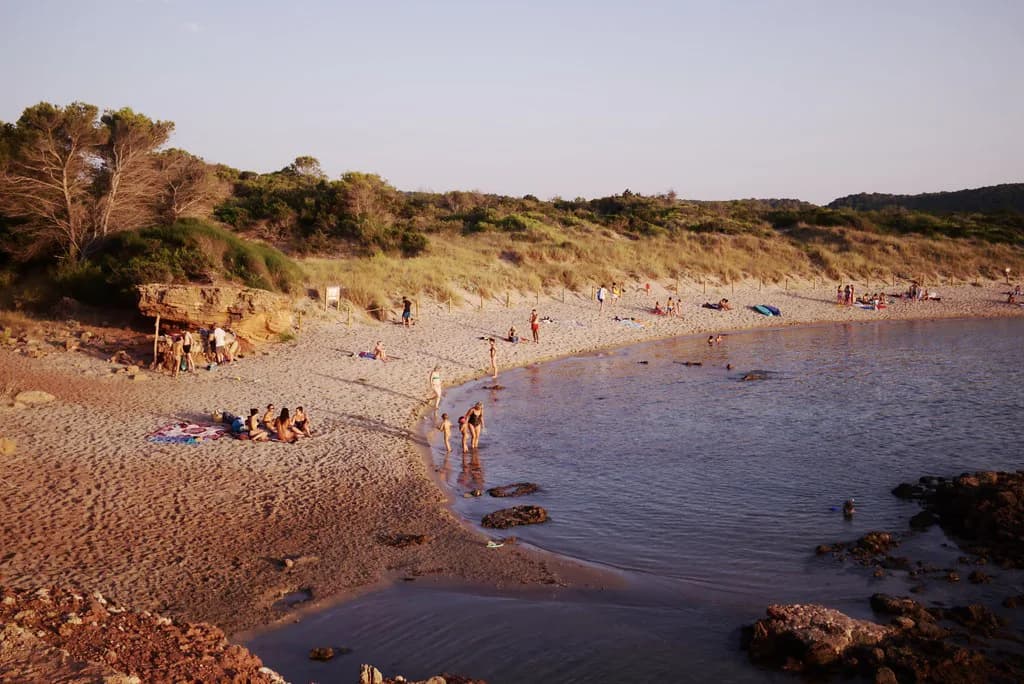
The coves are where September pays off most. Small inlets that fill quickly in August can be found with very few people, and the whitewashed walls, dry-stone walls and fields behind them read differently in the softer light. Go early or go late, and accept that the middle of the day is for lunch rather than for claiming a spot.
Pair a beach morning with a late lunch, then swim again at the end of the afternoon. That rhythm suits the island and keeps you out of the strongest sun, and it leaves the evening free for a town.
If you are comparing months, our guide to menorca in july explains what peak summer looks like on the same beaches, which makes the September trade-off easier to judge.
Walking and the UNESCO Biosphere Reserve
Menorca is a UNESCO Biosphere Reserve, and its paths, coves and natural spaces can be explored far more peacefully once the August pressure lifts. September is a good month for the coast path in particular: long days, warm water for a swim at the end and fewer people on the trail.
Walk in the morning or late afternoon, carry water and treat the heat with respect even though it has eased. The reward is a landscape of dry-stone walls and fields that changes character as the sun drops.
A short break of three to five days covers a lot of ground without rushing, and our breakdown of how many days in menorca you need helps you size the trip.
Eating on Spanish time in September
Spanish meal times do not shift with the season. Lunch runs from around 1:30pm to 4pm, and dinner starts between 8:30pm and 9pm. In September the outdoor terraces are comfortable again for both, which makes eating late a pleasure rather than an endurance test.
You do not need to name a restaurant in advance to eat well, but you do need to match your day to the kitchen: a big lunch, a light afternoon, and dinner after nine. That schedule also frees the middle of the day for a swim when the beaches are quietest.
For lighter, earlier stops, tapas bars fit the September mood of unhurried grazing outdoors. See where to find them in our guide to the best tapas in menorca.
Where to base yourself for a September trip
The right base depends on how much driving you want. Staying near Maó suits harbour mornings and airport convenience; staying near Ciutadella puts the old quarter and the western coast within easy reach. Because the roads are quieter than in August, more distant coves and inland villages are realistic day trips.
Some visitors use September to test whether Menorca suits a longer stay. Visit the areas you like when they are quiet, drive their roads, go into the towns, have a coffee in the morning and swim at the end of the afternoon, and watch how the light changes around a house. Here are the things to do in menorca if you want to test the island properly.
A short itinerary helps you see several bases before committing. Our menorca itinerary builds a sensible loop, and the market days around Es Mercadal and Es Castell add a reason to move between them.
Booking and cost trade-offs
September pricing is not something to guess at: check your airline and hotel directly for the dates you want, and compare the first and last weeks separately, since the school-holiday effect fades as the month goes on.
The broader trade-off is simple. You give up peak-summer certainty of guaranteed heat in exchange for easier roads, less competition for tables and a sea that is still warm. For most UK travellers that is a good deal, and if you are still weighing other shoulder-month options, Alicante in September offers a similar equation on the Costa Blanca.
If you are weighing shoulder months, our guide to menorca in october shows how quickly the season turns after September, which is useful when booking flights on a flexible fare.
What to check before you travel
Check the forecast with the Balearic meteorological agency for the days you will actually be there, and re-check the wind each morning because it decides which coast works best.
Beyond that, confirm anything you are building the trip around directly with the tourist office once you arrive, and keep the plan loose enough to move a beach day if the weather turns.
Plan Your Visit
September gives you the Menorcan summer with the volume turned down: warm water, long light, quiet lanes and towns that have gone back to their normal rhythm. Plan around swimming and late-afternoon walks, eat on Spanish time, and let the wind decide which cove you use each day.
Compare it with the busier months, then choose a base and a loose itinerary that leave room for spontaneity. That is what makes the month work.
Explore more Menorca guides
Frequently Asked Questions
Is Menorca warm in September?
Yes. September is still a firmly Mediterranean month: days stay long and the sea keeps the warmth built up over the summer, so swimming and snorkelling remain everyday activities. Pack for mostly sunny days with room for a shower, and check the forecast for your dates before you go.
Is September a good time to visit Menorca?
It is one of the better months if you want the sea without the August pressure. Terraces are easier to get, the roads are calmer and the historic centres of Maó and Ciutadella are pleasant to explore, while the summer weather continues.
How busy is Menorca in September compared with August?
Noticeably calmer, especially as the month progresses. August is the busiest period, with full terraces, more traffic and heavy use of the best-known coves; in September the pressure eases and it becomes easier to be spontaneous about where you swim.
Can you still swim in the sea in Menorca in September?
Yes. The sea retains the heat accumulated through the summer and is especially pleasant in September. Swimming, sailing, snorkelling and simply floating about remain part of daily life on the island.
Which month is the rainiest in Menorca?
The island's rainfall builds as autumn approaches, so September brings some rain and the months after it are generally wetter. Check the meteorological agency's outlook for your dates rather than relying on averages.
What should I do in Menorca in September?
Prioritise the sea and walk the coast path. The island is a UNESCO Biosphere Reserve and its paths, coves and natural spaces are quieter in September. Use the mornings and late afternoons for beaches and walks, and eat on Spanish time.
Do restaurants in Menorca keep Spanish meal times in September?
Yes. Lunch runs from about 1:30pm to 4pm and dinner begins between 8:30pm and 9pm. In September the terraces are comfortable again for both, so eating late outdoors is a pleasure.
Should I stay in Maó or Ciutadella in September?
It depends on how much you want to drive. Maó suits harbour mornings and easy access from the airport, while Ciutadella puts the old quarter and the western coast nearby. Both are calmer in September than in August.
Sources
Notes for eating well in Spain
Optional updates to our guides.
You might also like
Continue reading
More guides you'll find useful