Alicante in September: Weather, Crowds and What to Do
Plan Alicante in September with typical weather, how busy it gets and what to do as summer winds down. Honest guidance on timing, crowds and exploring the city.
On this page
September in Alicante is still beach weather, but the month changes character as it goes: early September holds onto summer, and late September starts to feel like autumn. Daytime heat is strong enough to push you indoors at the hottest hours, while evenings stay mild enough for long walks along the promenade.
Treat September as a month of two halves. Book the first week for swimming and sand, and the last week for old-town wandering and museums, then decide how many days in alicante you need before you commit to dates.
September in Alicante: the short answer on weather and crowds
September sits in the autumn stretch of Alicante's year, and that season is the most variable of the four. September still clings to summer temperatures, while November can hover as low as 12°C, so early and late September are genuinely different trips.
Crowds follow the same curve. June to mid-September is the most popular window, and once Spanish holidays end the pressure eases noticeably, so late September gives you shorter queues and easier tables. Prices soften too, though hotels set their own rates and you should check them directly rather than assume a September discount.
How warm it is in September and what that means for beach days
Summer in Alicante averages around 26°C and often reaches the early 30s, and September's opening days carry that heat forward. Practical mornings start early: get to the sand or the old-town streets before the sun is high, then retreat during the mid-afternoon peak.
By the final week the pattern shifts towards autumn proper, with cooler days mixed in. Pack for both: light layers for evenings, a hat and high-factor sunscreen for the beach, and a light jacket for late finishes. If you want a hotter, more full-on beach month, alicante in july is the safer bet for guaranteed heat.
Sea conditions and swimming late in the season
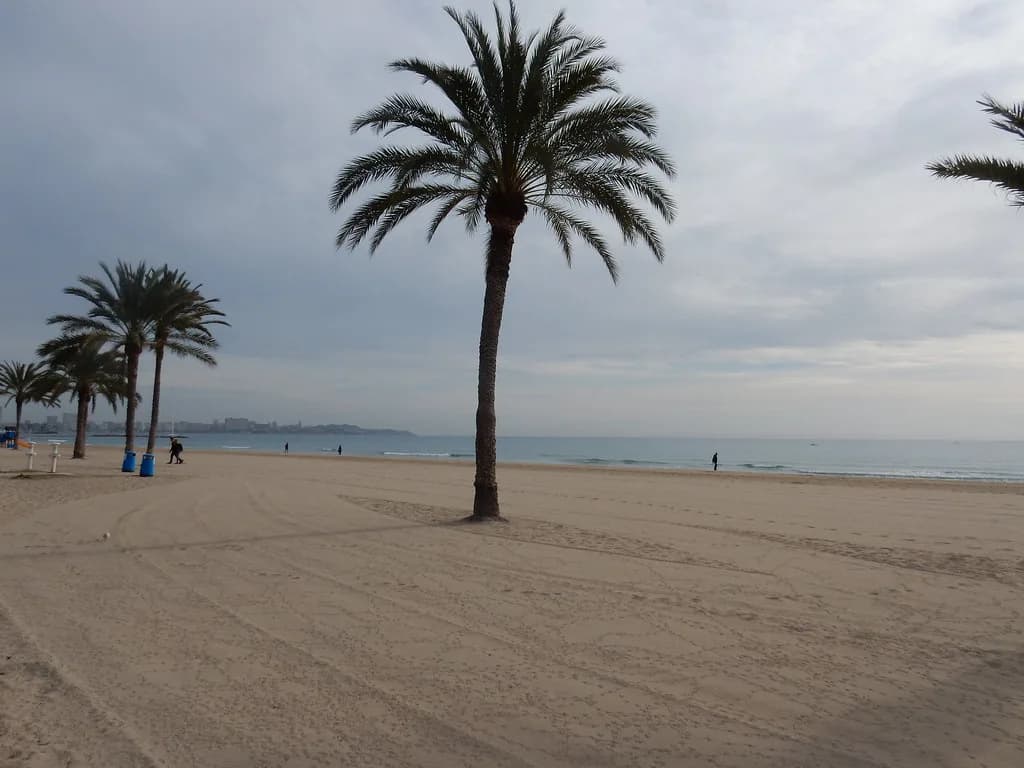
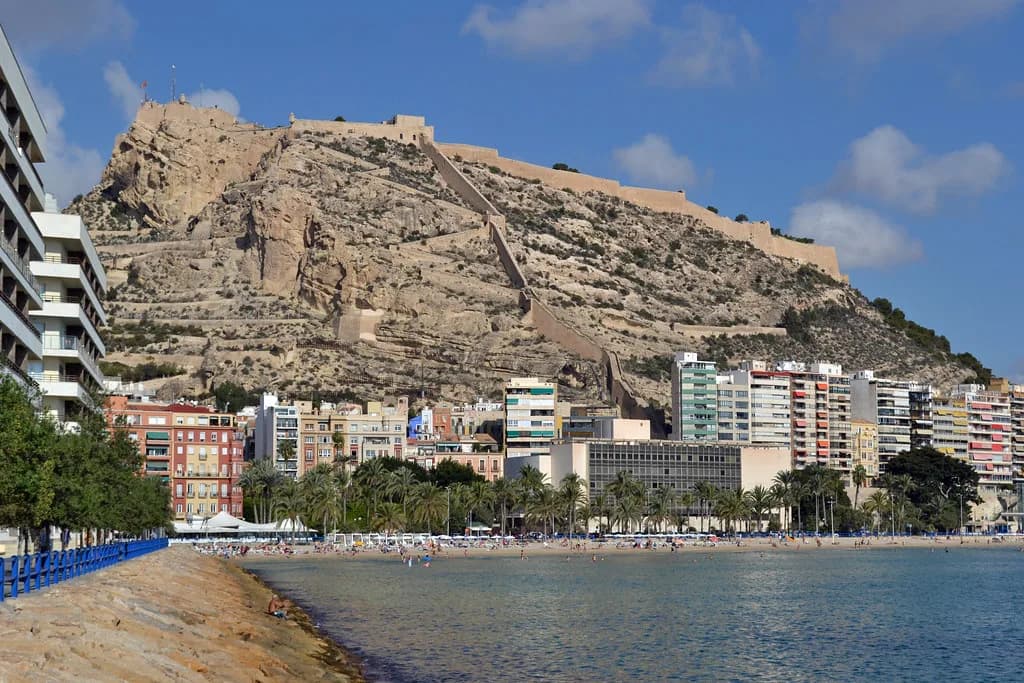
The Mediterranean holds its summer warmth into September, which is why swimming stays comfortable while the air temperature starts to dip. Early in the month, long swims at Playa del Postiguet feel much like August; by the end, a quick dip followed by a towel and a coffee is the more sensible rhythm.
Conditions change day to day with wind and swell, so check the flag on the beach before heading in, and judge the sea by how it feels on the day.
How busy Alicante gets as summer winds down and Spanish holidays end
The busiest stretch runs from June to mid-September, when the city fills with summer visitors and domestic holidaymakers. Once that peak passes, September behaves like a shoulder month: the centre and the beach are still lively, but you are not queueing for everything.
If you dislike heat and crowds equally, split the difference with alicante in october, when the beach crowd thins further but October's wetter reputation comes into play. September is the compromise: warm enough to swim, quiet enough to enjoy the old town. If you are comparing September city breaks, fuerteventura in september offers a similar shoulder-month feel on a very different coast.
Prices in words: what to expect for stays and eating out
Alicante in summer is the most popular time to visit, and the city's own guidance notes prices might be a little bit higher then. September sits just after that peak, so accommodation tends to relax, but individual hotels and apartments set their own rates and you should compare them directly for your dates.
Eating out follows Spanish rhythms rather than tourist ones. A menú del día at lunch is usually the best-value cooked meal of the day, while dinner is ordered later and priced à la carte. Ask for the price of the day's fish before ordering, as market seafood is sold by weight.
Meal times to plan around: lunch 1:30–4pm, dinner from 8:30–9pm
Spanish meal times are the skeleton of a September day. Lunch runs from about 1:30pm to 4pm, which neatly covers the hottest hours, and dinner starts from 8:30pm to 9pm, when the evening has cooled. Build your sightseeing around those two anchors rather than fighting them.
That means a light breakfast, a proper late lunch, and a late dinner with a promenade walk in between. Kitchens in Spain often close between service, so a 5pm hunger pang is best met with a slice of tortilla or a coffee and a pastry rather than a full meal.
Morning: beach or old-town walk before the heat builds
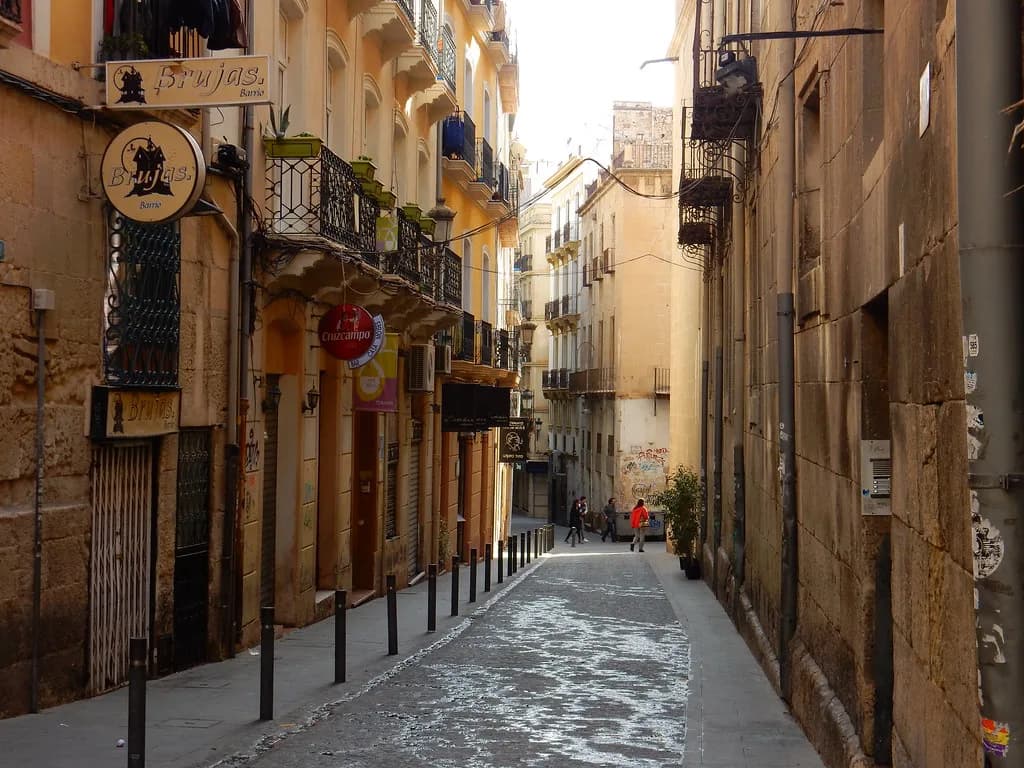
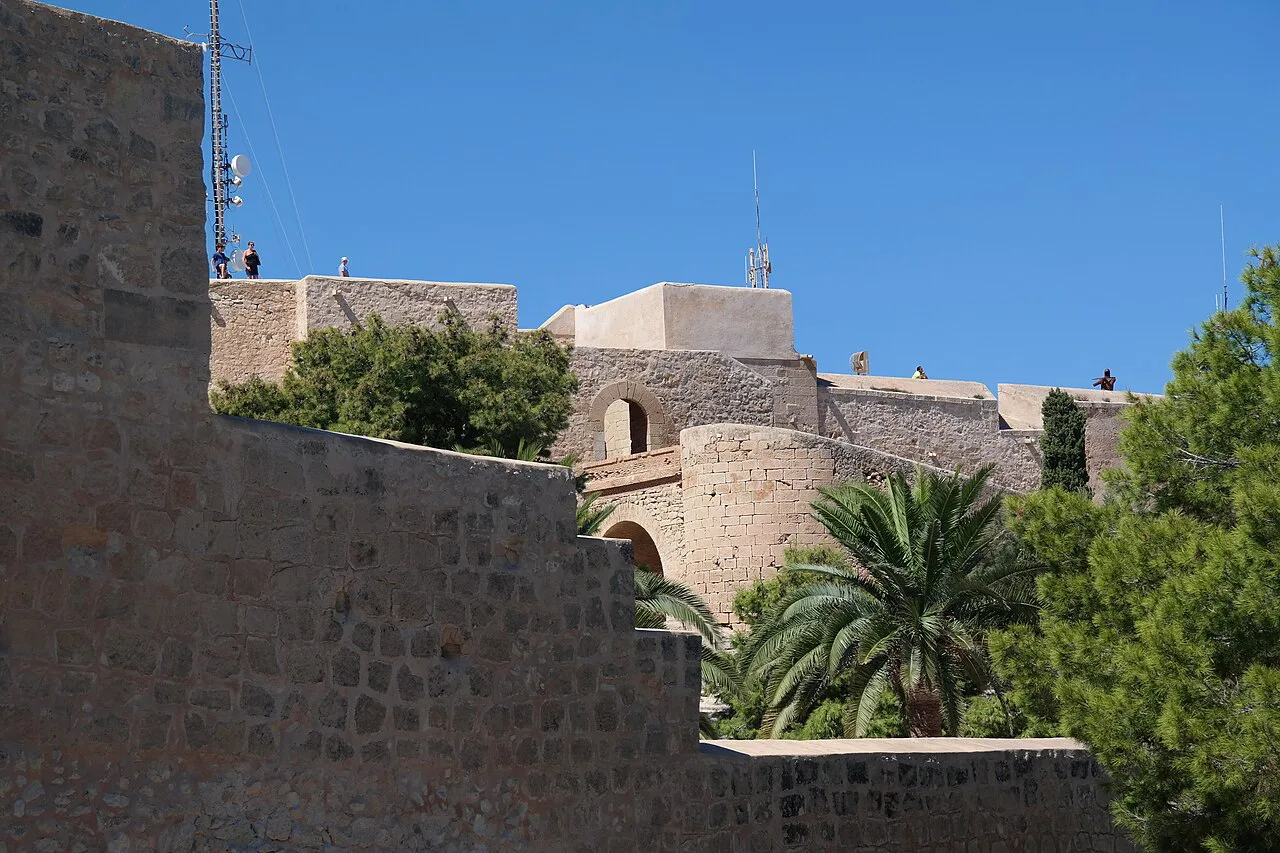
Mornings are for the beach or the old town, not both. Playa del Postiguet is the obvious city beach, close enough to walk from the centre, and it is at its best before the sun gets fierce. Alternatively, climb early to Castillo de Santa Bárbara for the view and the breeze.
For a short break, a one day in alicante plan works well if you keep it tight: beach first, castle second, and lunch at Spanish time. Trying to add a day trip on top of that usually means rushing both.
Afternoon: museums and galleries when the sun is strongest
The middle of the afternoon is when the city's cultural offering earns its keep. Holiday Extras explicitly points culture-lovers towards museums, art galleries and restaurants as the reason to be in Alicante outside the beach months, and that advice holds for a hot September afternoon.
An Alicante itinerary built for September should front-load outdoor sights and reserve the 2pm to 5pm slot for anything with air conditioning. If your budget is tight, free things to do in alicante includes indoor options that cost nothing to enter.
Eating well in September: seafood, rice dishes and market produce
September is a strong month for the city's food, with the summer rush past and the produce still abundant. Alicante markets are where to see the season's fish and vegetables laid out; go in the morning when the stalls are fullest and the crowds are thinner.
Order by rhythm: rice dishes at lunch, lighter tapas in the evening. A seafood rice for two takes time to cook properly, so order it when you sit down rather than after a round of drinks.
Day trips worth the travel: Calpe and the Costa Blanca coast
Calpe, up the Costa Blanca coast, is described as warm but not too hot and generally dry in September, which makes it a comfortable day out from Alicante. The draw is the beaches and the coastal scenery rather than city sights, so go with the intention of swimming and walking.
If you are weighing up a beach resort against Alicante itself, note that august on the Costa Blanca is hotter and busier, so September is the gentler version of the same coast. Give the city a full few days before adding a day trip; cramming both into a short break rarely works.
Evening: promenade strolls, tapas and late dinners
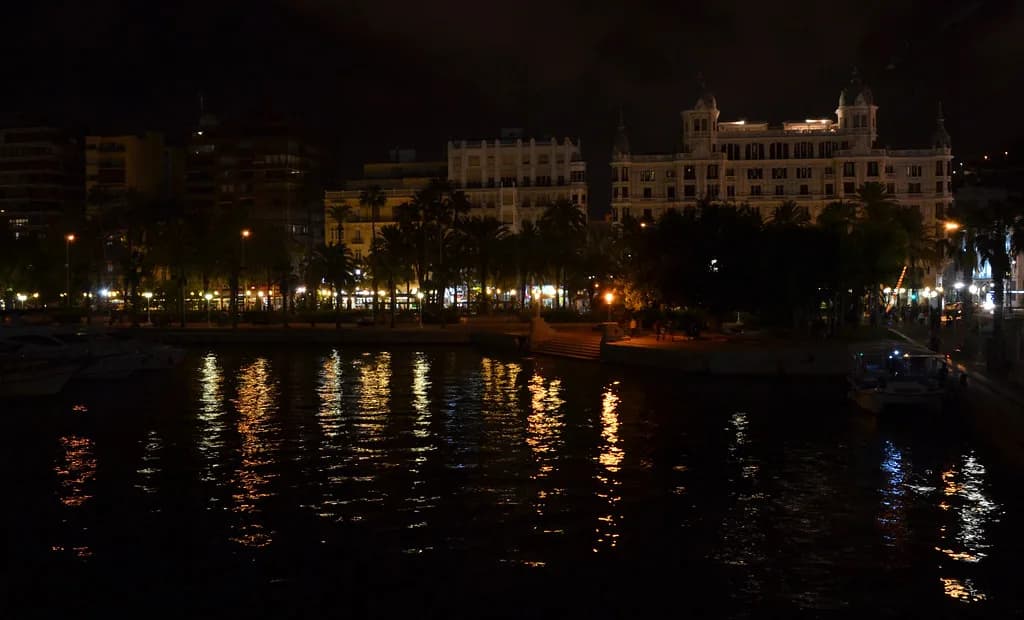
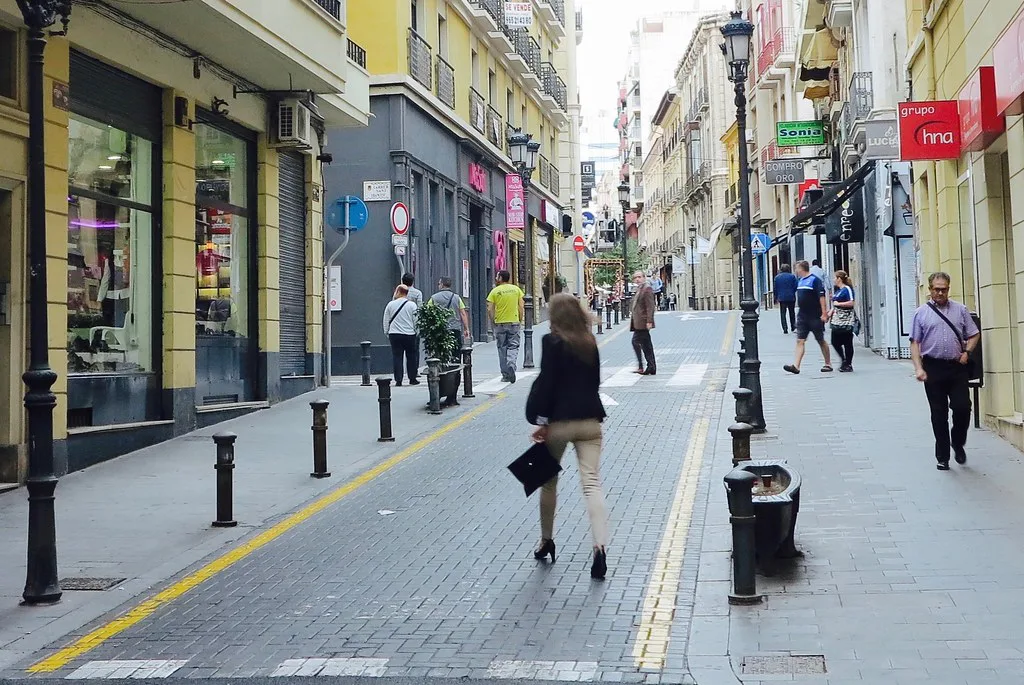
Evenings are the reward for a hot September day. The light softens, the promenade fills, and dinner from 8:30pm to 9pm feels natural rather than forced. Check current opening hours and book a table for a Friday or Saturday night, when walk-ins are least likely to get a seat.
If you want shopping in alicante, late afternoon and early evening are when the centre is at its most pleasant, with Maisonnave Avenue the main retail spine. Then walk back towards the old town for tapas before dinner.
What September does to a short city break vs a beach holiday
For a city break, September is close to ideal: warm but not punishing, with museums and restaurants at their most usable. For a beach holiday, the first half of the month is the stronger bet, and the sea stays swimmable even as the air cools.
Be honest about which one you want. If you need guaranteed wall-to-wall heat and late-night beach life, look at alicante in august instead; if you want a mix of culture and swimming, September is the better compromise.
Who September suits, and who should pick another month
September suits travellers who want warm seas without peak-season crowds, and anyone happy to structure the day around Spanish meal times and a long afternoon indoors. It also suits people who dislike humidity and prefer a sea breeze to a heatwave.
It suits beach-first travellers less if their dates fall late in the month. October is the wettest month in Alicante, so if your trip is late September or early October, plan indoor options and keep them flexible.
Practical packing and sun-safety notes for a warm, changeable month
Pack for two seasons in one trip. Bring swimwear and sunscreen, plus a light layer for cooler evenings and a compact umbrella for the odd shower as the month turns.
Use the Spanish day as your sun strategy: beach or walking before midday, shade or interiors from 2pm to 5pm, then out again for the evening. Drink water regularly, and remember that lunch service ends around 4pm.
Plan Your Visit
September in Alicante gives you a warm, swimmable sea early in the month and a gentler city later on, with the crowds easing once the summer peak passes. It is the month to combine beach mornings with museum afternoons and late tapas dinners.
Fix your dates first, then read Alicante Attractions: 6 Visitor Guides to pick the sights that fit the heat, and check your hotel rates directly for the week you choose.
Explore more Alicante guides
Frequently Asked Questions
Is Alicante good in September?
Yes, particularly for a mix of beach and city. Early September holds summer heat, the sea stays warm enough for swimming, and the crowds thin once the summer peak passes. Late September turns cooler and more changeable, so it suits walking and museums better than long beach days.
How warm is Alicante in September?
September sits in Alicante's autumn stretch. Summer in the city averages around 26°C and often reaches the early 30s, and September's opening days carry that heat forward before cooling later in the month. Pack for warm days and noticeably cooler evenings.
Can you sunbathe in Alicante in September?
Early in the month, yes, with the same care you would take in summer. Mornings are the most comfortable window, and shade in the middle of the afternoon is sensible. By the end of September, sunbathing becomes more intermittent as autumn weather arrives.
How busy is Alicante in September?
June to mid-September is the most popular window, so early September still feels busy. Once Spanish holidays end, the city eases into shoulder-season rhythm, with shorter queues at sights and easier tables at dinner.
Is Alicante in September cheaper than summer?
Alicante is most popular between June and mid-September, when prices tend to run higher. September sits just after that peak and generally feels more relaxed, but hotels set their own rates, so compare your specific dates.
What should I pack for Alicante in September?
Pack swimwear, sunscreen and a hat for beach mornings, plus a light jacket for cooler evenings and a compact umbrella as the month turns wetter. Comfortable shoes matter for the old town's slopes and the climb up to the castle.
Sources
Notes for eating well in Spain
Optional updates to our guides.
You might also like
Continue reading
More guides you'll find useful