Menorca Itinerary: 3-Day Plan for Beaches and Old Towns
Plan three days in Menorca: south-coast calas, Ciutadella and Maó old towns, a sensible base, a hire car and exactly where to eat seafood.
On this page
Three days works on Menorca because nothing is far: the island drives end to end in about an hour, and most hops between a cala and a town take 15 to 25 minutes. That means you can pair one beach with one old town each day instead of choosing between them.
The rhythm that pays off is simple: mornings at a cala before the crowds and the heat, afternoons in an old town when the sun is at its worst, and dinner from 8:30pm or later. Menorca's coastline runs to more than 134 miles with over 200 calas, so a plan built on two or three bases beats one built on the whole map.
What follows assumes a hire car and one base, with a strong case for two. The trade-off is real: Ciutadella puts the west and south coast within easy reach, Maó puts the airport, the capital and the north coast on your doorstep, and trying to do both from a single hotel adds an hour of driving to your day.
Why three days works on Menorca
Menorca rewards a short, well-split trip more than a long, scattered one. The best plan gives each day one coastal objective and one town, so you are not driving end to end for a single beach.
Set your expectations on scale. This is not a week-long island if you only have a long weekend, and the honest trade-off is that three days covers either the west and south or the capital and north comfortably, not both in depth.
Menorca holds UNESCO Biosphere Reserve status, which is why the interior stays a patchwork of drystone walls, olive groves and farmland while the coast keeps its pine-backed coves. Keep that in mind when planning: the appeal is low-key, not built-up.
Best time to go: June and September for weather and crowds
June and September give the best balance of warm weather, hotel choice and lower prices than high summer, with fewer people than July and August. July and August bring the heat and the peak crowds, which changes how early you need to move.
Shoulder months are cheaper and quieter but carry a risk: some businesses close out of season, and April water is generally too cold for swimming. Early October can still be ideal for the sea, so it pays to decide whether you want guaranteed swimming or a quieter island.
If your dates fall in high summer, plan beach mornings and town afternoons rather than the reverse, and treat the midday heat as the thing your day is built around.
How to get around: hire car, old towns on foot and the summer bus
A hire car is the practical choice: the island is small but the beaches and towns are spread out, with drives of 15 minutes to an hour, and all the major rental brands have counters at the airport. Driving is low-stress, mostly country roads and roundabouts.
Public buses run, but they are thinner for remote beaches. The exception that matters for this plan is the summer service to Cala Macarella, where the beach car park is closed from mid-June to the end of September and the easiest access is the bus from Ciutadella, boarding at Via Perimetral and Plaça dels Pins, with a journey of roughly 40 minutes.
Old towns and waterfront promenades are pedestrian zones with parking on the edge, so park once and walk. Ferries also link Menorca to Barcelona, Mallorca and Valencia if you are arriving by sea rather than flying into Maó.
Where to base yourself: Ciutadella, Maó or Cala Galdana
Choose Ciutadella for the west and south coast. It is the former capital, with a cobbled old town of boutiques, cafés, cathedrals and castles, a lively waterfront in the evening and a direct line onto the Camí de Cavalls trail.
Choose Maó for the capital and the airport. The old town has historic squares and a busy waterfront, plus food halls and local markets, and it is the sane base if you land late or leave early.
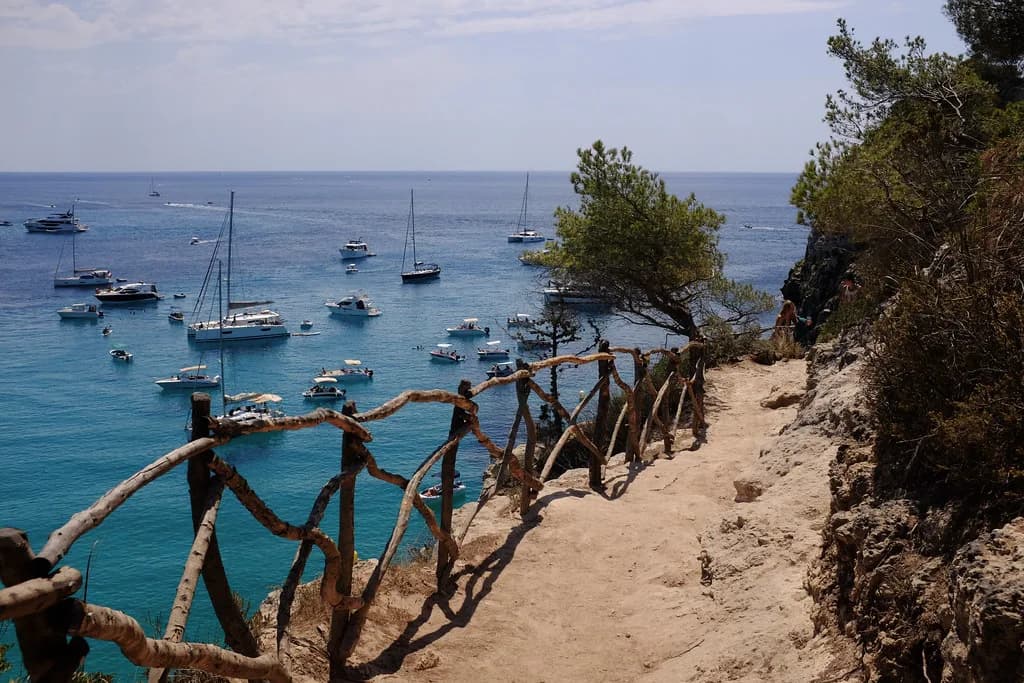
Cala Galdana suits a beach-first trip: it is a horseshoe bay with calm water and the starting point for the coastal walk to Cala Macarella and Cala Macarelleta. The trade-off is that you are committed to the south coast and will drive for the capital and the north.
Day 1: Ciutadella old town, the port and the cathedral
Start in Ciutadella's old town in the morning, when it is calm. Wander the lanes between the cathedral, the palaces and the squares, then drop down to the old port for lunch among the fishing boats and restaurants.
Lunch is the main meal here, so eat properly between 1:30pm and 4pm and keep the afternoon light. The port is where you want to linger, and the evening is the lively stretch, especially on the waterfront.
For dinner, the seafood name most associated with the old town is Café Balear, popular enough to be packed in high season, so reserve ahead. Food is hit and miss, but the waterside atmosphere and people-watching carry the evening.
If you want a lighter evening, there is pizza-adjacent picnic shopping to be done before the beach day: Piqniq in Ciutadella makes made-to-order salads, sandwiches and pastas packaged for a day at a cala. That matters because most beaches on the island have no food options.
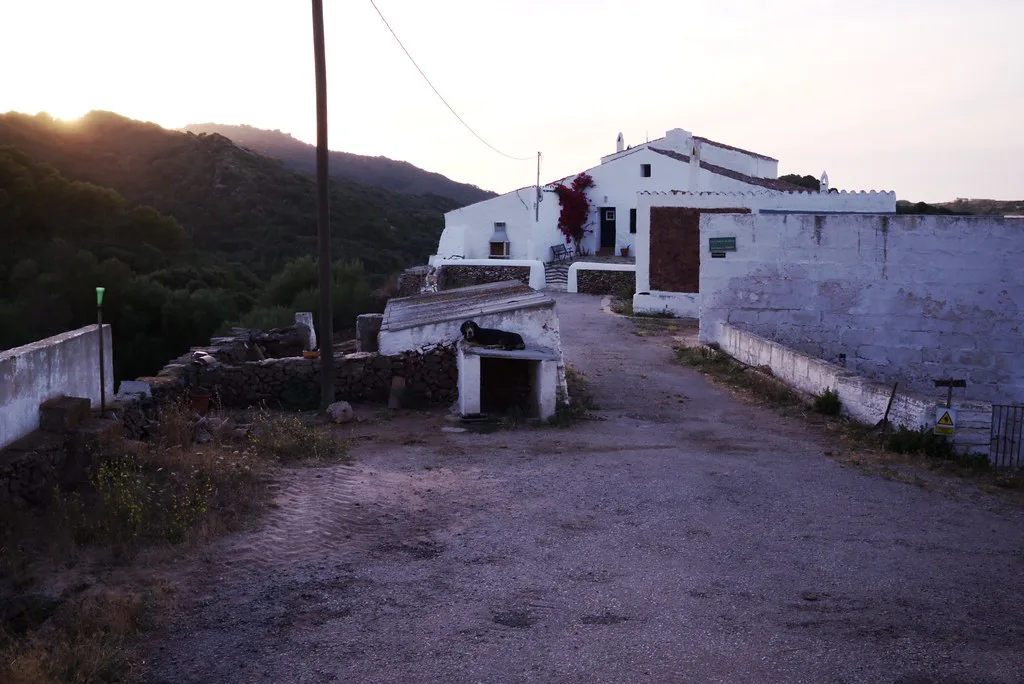
Day 2: the south-coast calas from Cala Galdana
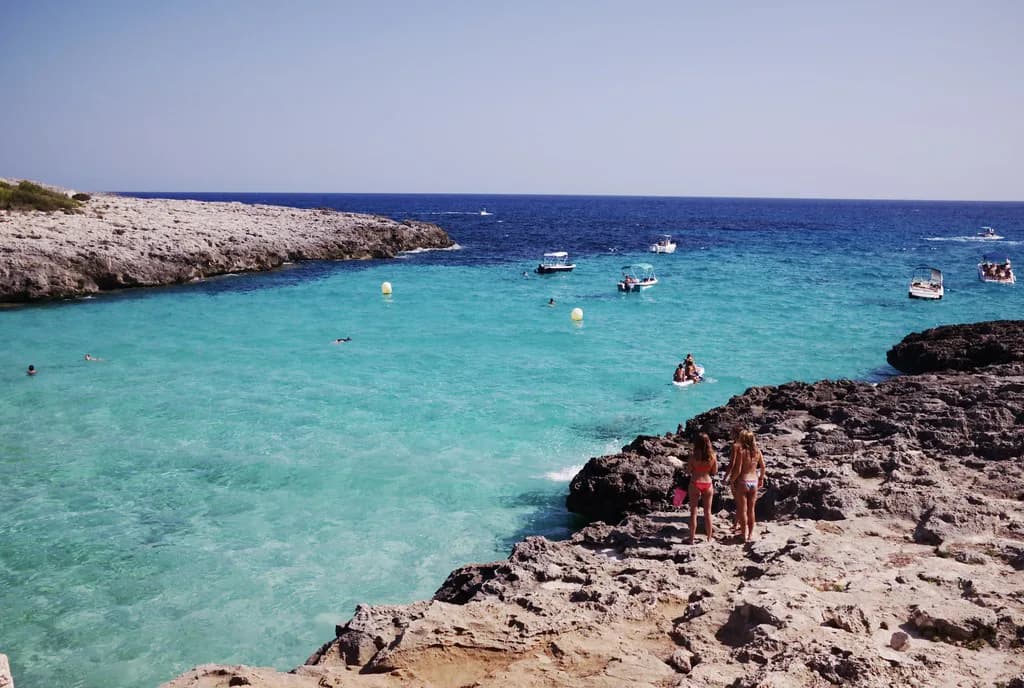
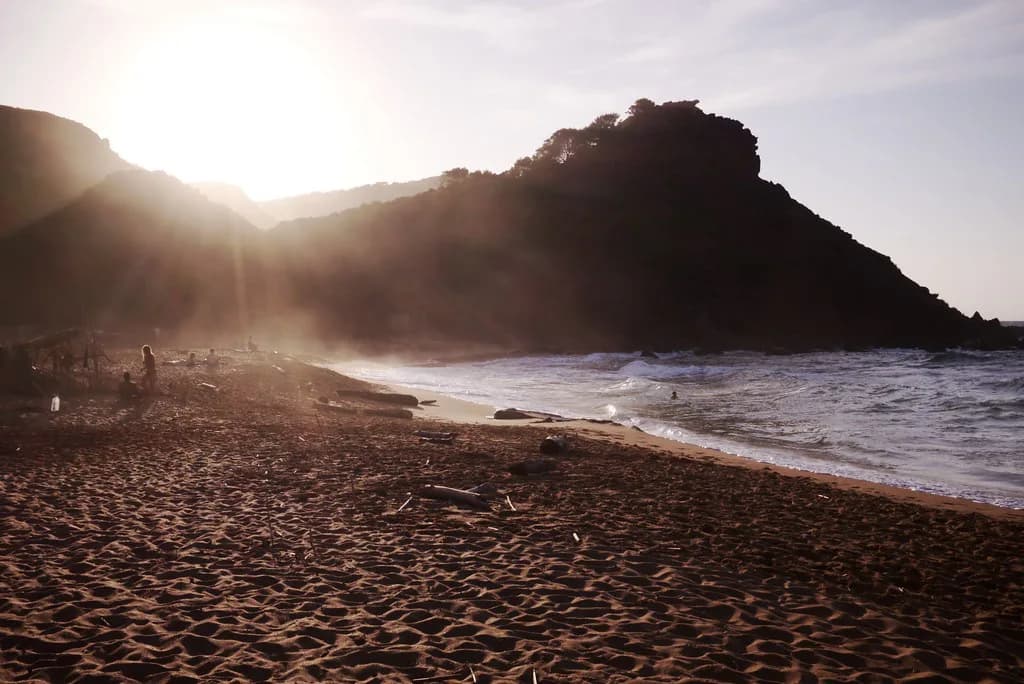
Cala Macarella is one of Menorca's most popular beaches, sheltered by pine forest with clear, calm water for swimming and snorkelling. In summer the access is the constraint rather than the beach, which is why the bus or the coastal walk is the answer.
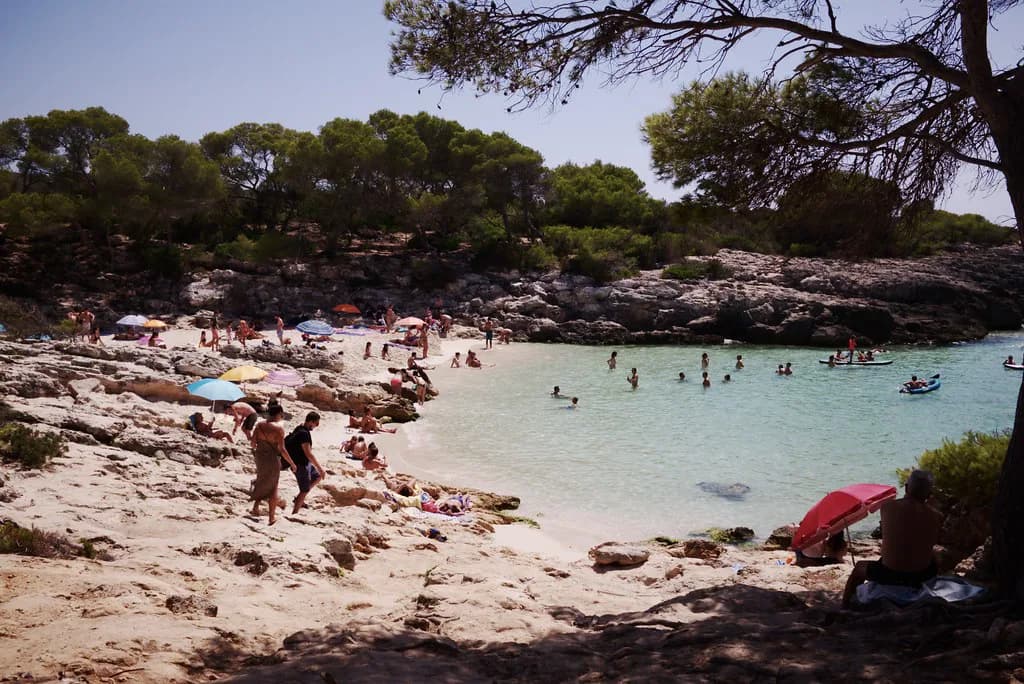
Cala Macarelleta is a 10-minute walk along the coast from its larger sister and, for a beach day, arguably the prettier of the two. Arrive before 11am in summer to secure a spot for your towel and umbrella, and treat both coves as one outing.
The alternative is Cala Mitjana, a south-coast beach of soft white sand and sunbathing rocks reached by a 15-minute walk from the Cala Galdana car park. It is an easy stroll, but hot in summer with beach kit, and there are no facilities.
Whichever you pick, hike a short stretch of the Camí de Cavalls rather than eyeing the whole thing. The historic path has encircled the island for centuries and the Cala Galdana to Cala Macarelleta section takes roughly 90 minutes one way.
Day 3: Maó harbour, the Mercat des Peix and Binibeca Vell
Spend the morning in Maó, walking the old town's Georgian-influenced streets and the harbour, one of the largest natural ports in the Mediterranean. The Santa Maria church and Plaça d'Esplanada are easy anchors for a couple of hours on foot.
Then eat. Ses Forquilles is a well-priced tapas spot in Maó serving oysters, croquettes, grilled prawns, grilled aubergine, fresh fish, lobster, beef tenderloin and pork, open for lunch and dinner with reservations recommended in the evening.
For something more casual, the Mercat des Peix food hall in Maó is worth a stop, and Pigalle in the old town covers pastries, bread, coffee and juice if you want a light start.
Use the afternoon for Binibeca Vell, the whitewashed village on the southern tip, a maze of narrow cobbled lanes, archways and staircases. It looks historic but was designed in the 1960s by FJ Barba Corsini to resemble a traditional fishing village, and it works as a day trip from anywhere on the island.
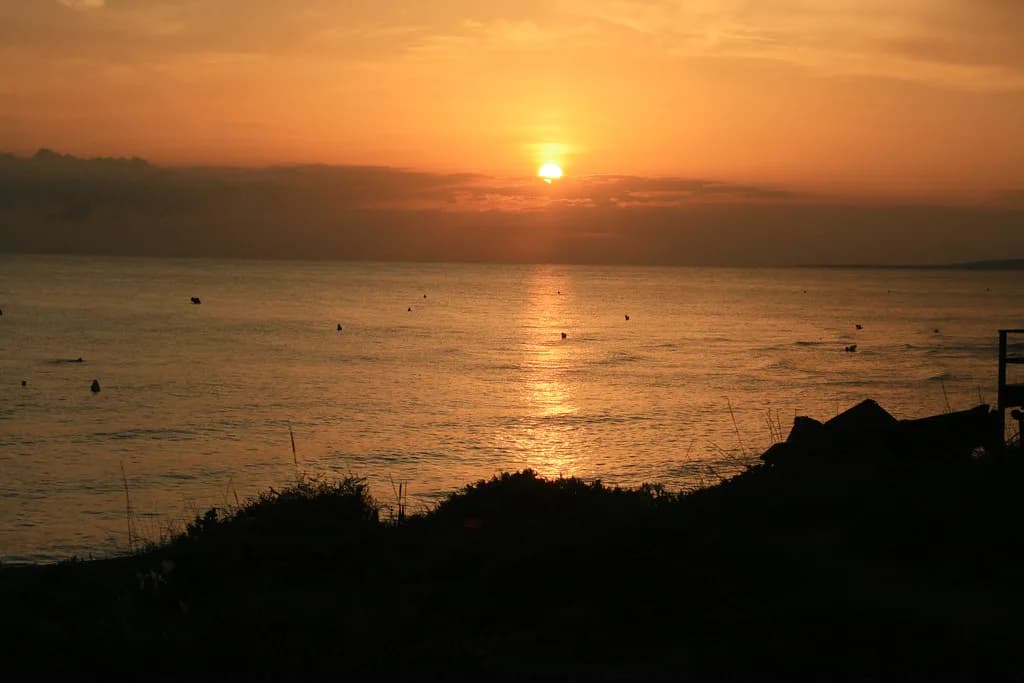
If you would rather eat dinner somewhere with a view, Enricana at Cala Morell sits on the cliff over the water, all in white, and the sunset setting is the reason to go rather than the sushi.
A north-coast alternative
Swap Day 3's town afternoon for the north coast if you want a wilder day. Start at the Favàritx lighthouse, where the landscape turns lunar, then walk the S'Albufera des Grau wetland for birdlife before the heat builds.
Add Torre d'en Galmés, one of the largest Talayotic settlements on the island, and finish in Alaior for the inland town's architecture and cheese. It is a full day, and the trade-off is that you miss Maó's food hall and Binibeca entirely.
A third option for a clear day is Monte Toro, the island's highest point, with 360-degree views and a sanctuary at the summit. The road up is winding but well maintained, and there is a small café and gift shop at the top.
If your trip stretches beyond three days, the extra time is best spent on the water, with kayaking, boat trips or a day on horseback along the coast rather than adding a fourth town.
Where to eat: seafood, tapas and what to order
Trebol, at the end of the harbour in Es Castell, is the seafood pick, with mussels in white wine, garlic prawns and grilled sea bream as the dishes to order. It is the kind of meal that justifies driving across the island for.
In Maó, book Ses Forquilles for tapas and Trebol for a sit-down seafood dinner. Elsewhere, Cathedral Coffee in Ciutadella's old town is a reliable breakfast stop for pastries and fresh orange juice.
Menorcan dishes to seek out are caldereta de langosta, the lobster stew, and Mahón cheese, both of which appear across menus in Maó and Ciutadella. Menorca food is built on seafood, cheese and vegetables from the interior.
Dinner is a choice to plan for rather than improvise. Most restaurants are closed one or two days a week, so call ahead or check the door before you build an evening around a specific place.
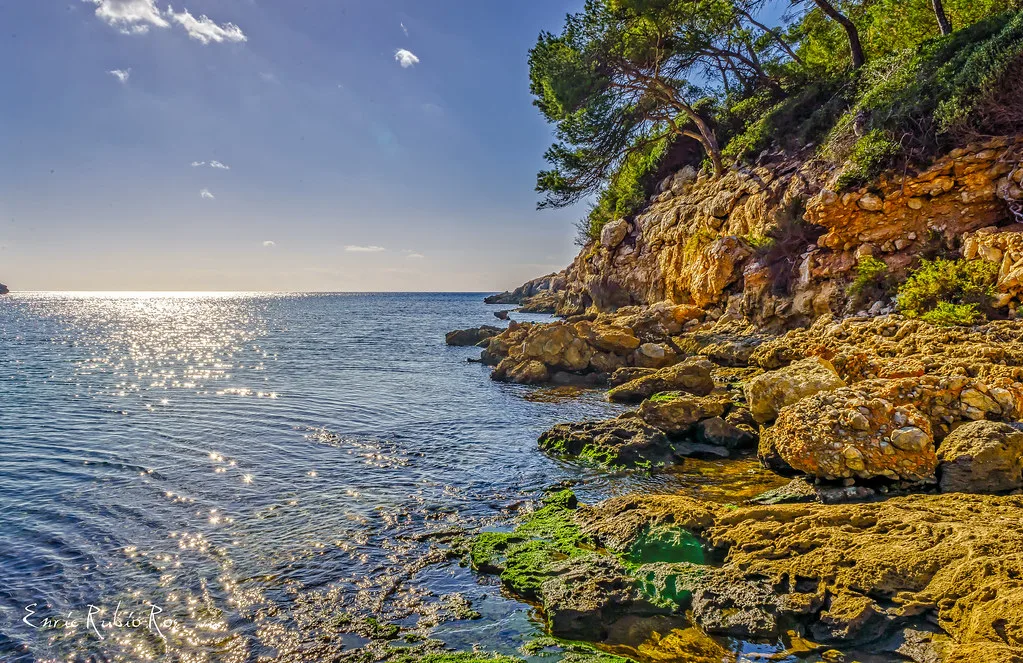
Beach-day logistics: parking, shade and no facilities
Treat parking as the limiting factor, not the driving. Cala Macarella's car park closes from mid-June to the end of September, and the bus or the walk from Cala Galdana is the way in during that window.
Cala en Brut has no facilities and very little shade, so pack an umbrella. Arrive before 10am for a good spot on the rocky platforms, and expect it busiest between 10am and 2pm.
Other coves demand more. Cala Escorxada is reachable only by hiking trail or boat, which keeps the crowds away and the swimming calm on a sunny day. For those, carry water, snacks and shade.
If you want a beach with calmer swimming and a bit of shelter, Cala Binidali's rocky outcrops keep conditions calm, though the beach is small and feels crowded at midday in high season.
Shopping and markets between beach days
Old-town shopping and food markets are the best way to fill a cloudy morning or a late afternoon. Ciutadella's boutiques and Maó's market are the two easiest stops, and both slot into the plan without a detour.
For a proper market day, check what is on in Es Mercadal before you drive.
What to skip with less time, and how to stretch to a week
With two days, cut the north coast and the inland towns. Ciutadella plus one south-coast cala day is the tightest version that still feels like Menorca rather than a transfer.
With a week, add a north-coast day, a boat or kayak outing and a slower morning in Maó. That is also enough time to test whether a second base is worth the move.
If you are drawn to a bigger city rather than a small island, the Alicante itinerary is a useful comparison: it is a mainland Spanish break with a castle at its centre rather than calas.
Plan Your Visit
Book the car for the whole stay, pick one base and let the days breathe. The plan above delivers three different Menorcas, a cala day, an old-town day and a harbour day, without a single rushed transfer.
For dinner, choose one seafood night and one tapas night rather than defaulting to the harbour every evening, and reserve the places that matter. For a wider map of what to see, the Ciutadella page and the island guide cover the rest.
Explore more Menorca guides
Frequently Asked Questions
How many days do you need in Menorca?
Three days covers one strong area well: Ciutadella and the south-coast calas, or Maó and the north coast. A week lets you add the north coast, a boat trip and a slower inland day without rushing between beaches.
Do you need a car in Menorca?
A car is the practical choice because beaches and towns are spread across the island, and airport rental desks are plentiful. The exception is Cala Macarella in summer, where the car park closes from mid-June to the end of September and the bus from Ciutadella is the easier route.
When is the best time to visit Menorca?
June and September give warm weather with fewer people and lower prices than high summer. July and August bring the heat and the biggest crowds, so plan beach mornings and shaded old-town afternoons.
Can you get to Cala Macarella by bus?
Yes. In summer the bus runs from Ciutadella, boarding at Via Perimetral and Plaça dels Pins, and takes roughly 40 minutes. You can also walk in from Cala Galdana along the Camí de Cavalls.
Where should you stay on a first trip to Menorca?
Ciutadella is best for the west and south coast, Maó for the capital and airport, and Cala Galdana for a beach-first base on the south coast. Choose one and accept the extra driving to the other side rather than moving hotels.
What food should you try in Menorca?
Look for caldereta de langosta, the lobster stew, and Mahón cheese, plus fresh seafood such as mussels, garlic prawns and grilled bream. Menorcan menus lean on seafood, farm vegetables and olive oil.
Which calas have no facilities or shade?
Cala en Brut has no facilities and very little shade, so bring an umbrella, water and snacks. Cala Mitjana also has no facilities, and the walk to it from Cala Galdana is hot in summer.
How hard is the Camí de Cavalls?
You do not need to walk the whole island path. Short sections work as beach access, such as Cala Galdana to Cala Macarelleta, which takes roughly 90 minutes one way.
Sources
Notes for eating well in Spain
Optional updates to our guides.
You might also like
Continue reading
More guides you'll find useful