
El Cotillo: A Village Guide to Fuerteventura's Laid-Back West Coast
El Cotillo is a small fishing village on Fuerteventura's west coast, and it is the calmest base on the island for a beach holiday. Surfers and kite surfers take the long sands south of the village, families swim in the sheltered lagoons to the north, and everyone ends up at the old harbour for the sunset. The trade-off is real: there are no nightclubs and only a handful of places to stay, so it rewards people who want a slow week rather than a busy one.
What El Cotillo is like: a fishing village that still feels like a village
El Cotillo grew out of a fishing village, and despite later building it keeps that village feel and charm, with a good spread of restaurants, friendly bars and shops. It is small enough that you run into the same faces on repeat visits, which is part of why regulars come back year after year. The resident mix is Spanish plus British, Irish, German, Dutch, Swiss and Italian, so the place feels cosmopolitan as well as Canarian.
The village sits on the west coast facing straight out across the Atlantic, which is why sunsets are the main evening event here. Sitting outside a bar or restaurant in the old harbour with a drink as the sun goes down is the local ritual, and it is the one thing worth planning your day around.
Who El Cotillo suits, and who should look elsewhere
El Cotillo suits couples, surfers, walkers and anyone who wants natural beaches, seafood and quiet evenings. It is a poor fit for anyone who wants clubs, big resort hotels or a strip of bars: there is no nightclub, and the noise that goes with that scene belongs in Corralejo or CALETA DE Fuste instead.
If your group splits between beach loafers and people who need activity, the village still works, because the water sports, cycling and Segway tours sit alongside the sunbathing. If you want a large all-inclusive complex as the whole point of the trip, look elsewhere on the island, and things to do in Fuerteventura sets out the beaches, dunes and villages that suit a more active base.
The beaches: Piedra Playa and the surf coast south of the village
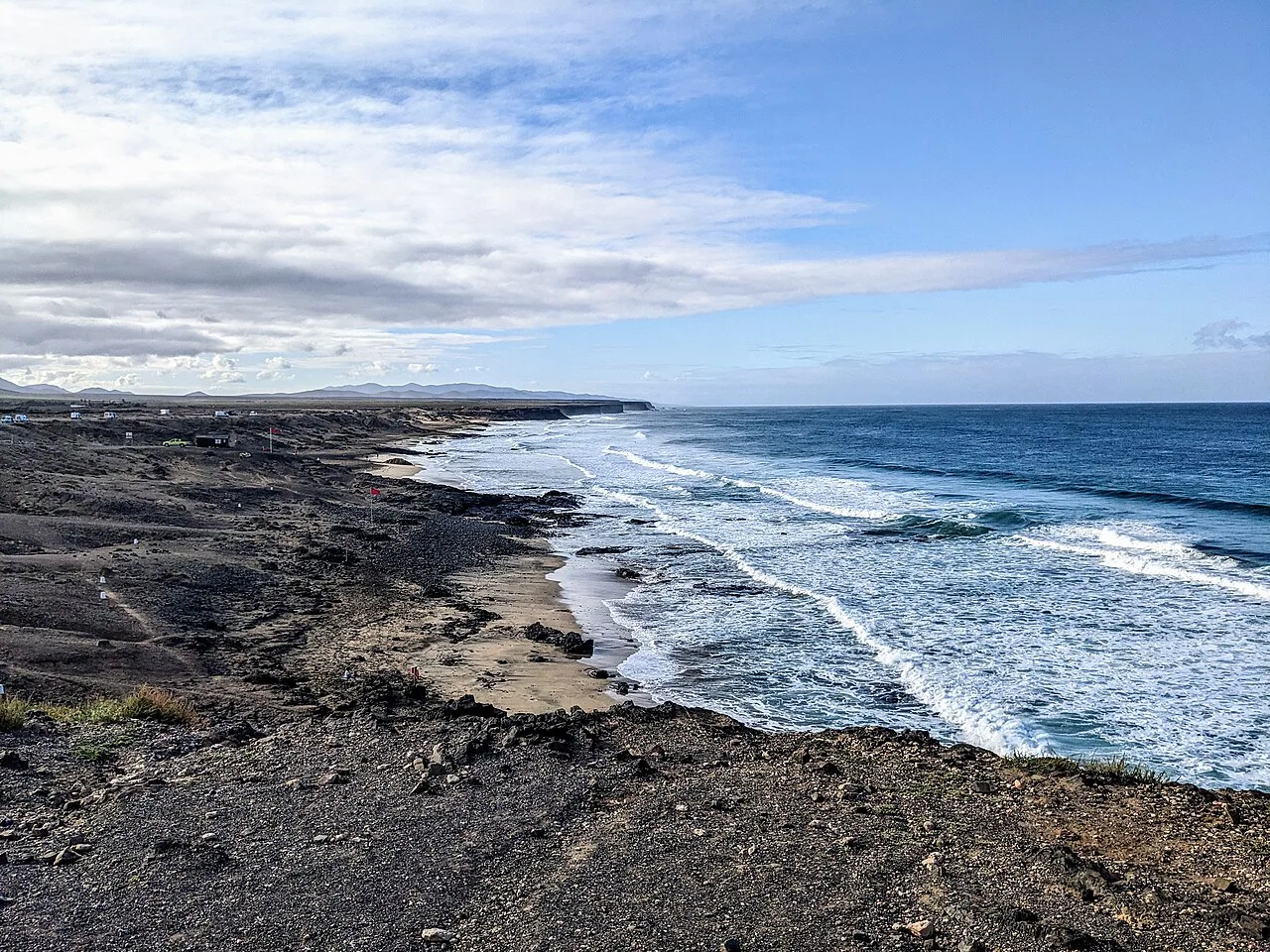
Head south of the village and the first beach is Piedra Playa, also called Surfer's Beach, over a kilometre of soft sand and the largest of the group. This stretch draws surfers, windsurfers and kite surfers, so expect wind and waves rather than a flat paddle.
All the beaches around El Cotillo are completely natural, with no sunbeds or parasols, so bring your own shade, water and a windbreak. That is the bargain you make for clean, uncrowded sand: no service, but no crowds either.
The lagoons: La Concha and the sheltered beaches towards the lighthouse
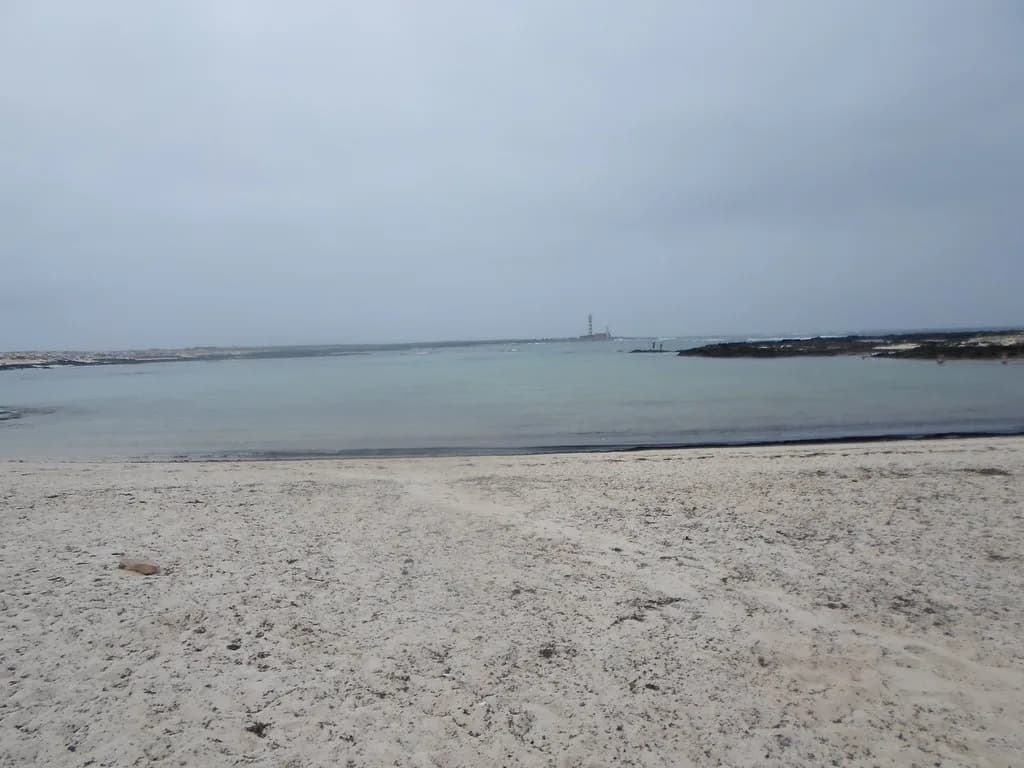
North of the village, the lagoon beaches run all the way to the lighthouse, and La Concha is the one to remember. The lagoons give safe swimming and more privacy than the big southern sands, which makes them the better choice with children or on a windy day.
Between the two coasts you can match beach to mood: surf and space to the south, calm turquoise water to the north. For a full sweep of what else the island offers beyond the village, Fuerteventura Attractions is the place to start.
The two harbours, the fishermen and the sunsets
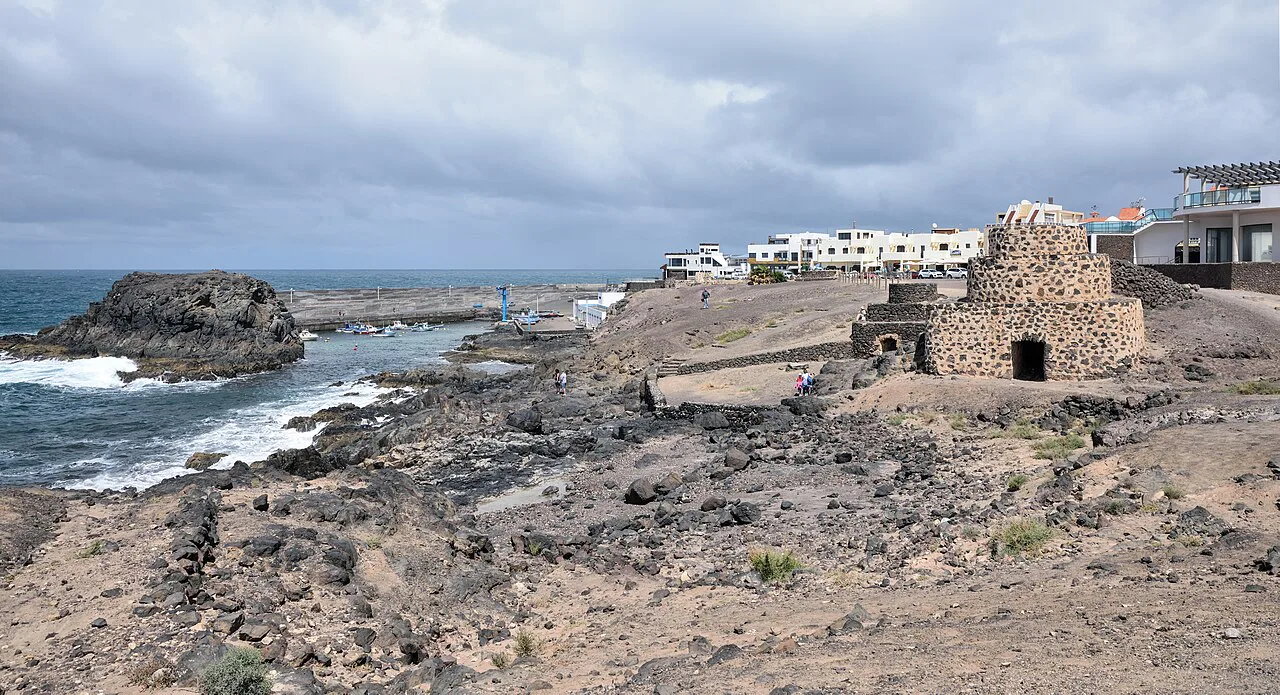
El Cotillo has two harbours: the old harbour, now used only once a year during the fiesta, and the new harbour, still worked by local fishermen and a dive school. A fish market has been built on the new harbour quay but has not yet opened, so do not plan on buying fish straight off the boats.
The old harbour, with its fisherman's statue, is the classic sunset spot, and it is a short walk from the village centre. Arrive early enough to sit outside a bar with a drink before the sun drops, rather than sprinting down at the last minute.

Eating and drinking in El Cotillo: seafood, bars and live music
Eating is the other reason people settle here: the village has plenty of restaurants to choose from across a few weeks' stay, with fresh seafood the thing to order. Many restaurants and bars put on live music once a week, so ask at your apartment or in the bar what is on during your visit.
Spanish meal times apply: lunch runs roughly 1:30 to 4pm and dinner starts around 8:30 to 9pm, so a 7pm hunger pang is best met with a drink and a tapa. For a wider choice of restaurants and a busier evening, Corralejo, Fuerteventura is a short trip away.
For a change of scene, Morro Jable on the south coast shows how differently the island eats further down.
Where to stay: apartments in the village and the two hotels
There are only two hotels in El Cotillo, one of which offers all-inclusive deals, so most visitors rent an apartment in the village and eat in or out as they please. Renting gives you a kitchen for supermarket breakfasts and the flexibility to chase the sunset rather than a dinner sitting.
Book early for peak weeks, because the stock of beds in a village this small is limited and repeat visitors take a large share. Check the current availability and rates with the accommodation directly, since prices and seasons change.
What is within walking distance: old harbour, new harbour, village centre
El Cotillo is compact: the village centre, the old harbour and the new harbour are all walkable, and the beaches begin at the edge of the built-up area. You can base yourself without a car if you are happy to stay local, swim, eat and watch the sunset on foot.
The flip side of that scale is that a car opens up the rest of the island; for a broader menu of outings, things to do in Fuerteventura covers beaches, dunes and villages beyond the west coast.

Getting to El Cotillo: bus from Corralejo, taxi, or hire car
Many visitors first see El Cotillo on a day trip from Corralejo, arriving by bus, on a coach or buggy tour, or in a hire car. The public bus links the two, and a taxi is the other option for an evening out and back.
Check current bus times and taxi fares with the operator or your accommodation before you rely on them, since timetables and fares change. A hire car remains the most flexible way to combine the northern lagoons with the southern surf beaches in one day.
El Cotillo at night: quiet evenings and the Corralejo alternative
Evenings here are about bars, restaurants and live music rather than clubs, and most people are back at their apartment well before midnight. If you want one big night out, take the bus to Corralejo and come back on the last bus or by taxi.
For a resort alternative with a different pace, weigh CALETA DE Fuste against El Cotillo before booking, and if you are still deciding where to base yourself, things to do in Fuerteventura sets out the beaches, dunes and villages island-wide.
Practical points: natural beaches with no sunbeds, and the village's limited size
Pack for a natural coastline: shade, a windbreak, sturdy sandals for the rocks and your own snorkelling kit, because there are no sunbeds or parasols to rent on these beaches. The northern lagoons are the gentler option when the wind picks up, and the southern sands are where the surfers go.
Keep the village's size in mind when you plan: two hotels, a limited number of apartments and no nightclubs mean you should book beds and any special dinner early in peak season. That same smallness is exactly what makes a week here feel like a holiday rather than a schedule.
Plan Your Visit
El Cotillo rewards a simple plan: swim in the northern lagoons, walk or drive south to Piedra Playa for surf and space, then take a drink to the old harbour for sunset and dinner afterwards. Stay in an apartment or one of the two hotels, rent a car if you want the rest of the island, and treat Corralejo as your night out rather than your base.
Before you travel, confirm bus times, accommodation rates and any restaurant opening days directly with the operators, as these change through the year.
Frequently Asked Questions
What is El Cotillo like in Fuerteventura?
El Cotillo is a former fishing village on the west coast that has kept a village feel despite later building. It has natural beaches on both sides, two harbours, a good choice of restaurants and bars, and a mixed resident population of Spanish and northern European nationalities. Evenings are quiet, with sunsets over the Atlantic as the main event.
Is El Cotillo quiet?
Yes. There are no nightclubs and no noisy nightlife scene, so evenings centre on bars, restaurants and occasional live music. If you want a big night out, the usual move is a bus or taxi to Corralejo and back.
How much is a taxi from Corralejo to El Cotillo?
Fares are not fixed in any guide and change with distance, time of day and operator, so confirm the price with the taxi company or your accommodation before you travel. The bus is the cheaper alternative for the same journey.
Which beaches are best in El Cotillo?
Piedra Playa, south of the village, is the largest, with over a kilometre of soft sand and the best conditions for surfing, windsurfing and kite surfing. North of the village, the lagoons towards the lighthouse, including La Concha, offer safer swimming and more privacy. None of them has sunbeds or parasols.
Where can I eat in El Cotillo?
The village has plenty of restaurants for a stay of several weeks, with fresh seafood the thing to seek out, plus bars for sunset drinks and live music some nights. Lunch runs roughly 1:30 to 4pm and dinner from about 8:30 to 9pm, so plan around Spanish meal times.
Where should I stay in El Cotillo?
There are only two hotels in the village, one offering all-inclusive deals, so renting an apartment is the usual choice for most visitors. The village is small, so book early in peak season and confirm rates directly with the accommodation.
What is the nicest town in Fuerteventura?
That depends on what you want. El Cotillo suits people after a quiet village with natural beaches and sunsets, Corralejo offers more life and a bigger choice of restaurants and bars, and Caleta de Fuste is a resort alternative. Compare the three before you book.