
Pedregalejo, Málaga: A Local Fishing Neighbourhood Guide
Pedregalejo is a former fishing neighbourhood on the east side of Málaga, roughly ten minutes by car from the city centre, and it still works as a residential barrio rather than a resort strip. Its draw is narrow and specific: a seafront promenade, small coves of clear water, and a row of beach restaurants grilling fish over open fires. Come for a long fish lunch and a swim, not for monuments.
Who Pedregalejo suits, and who it does not
This is a place for travellers who want to eat well by the sea and walk home along a promenade, and it rewards anyone using Málaga as a base for a few quiet evenings. Couples, families and slower travellers fit naturally: the beach has showers, public toilets, cafés and lifeguard cover, and it tends to be calmer than the city's central sands.
It does not suit anyone who wants a cathedral, an alcazaba and a cocktail bar within five minutes of the hotel. If your evenings need a busy bar scene or your days need major sights on the doorstep, stay central and treat Pedregalejo as a half-day out. The neighbourhood is small and residential, so the night is quiet once the restaurants wind down.
Where Pedregalejo sits in Málaga
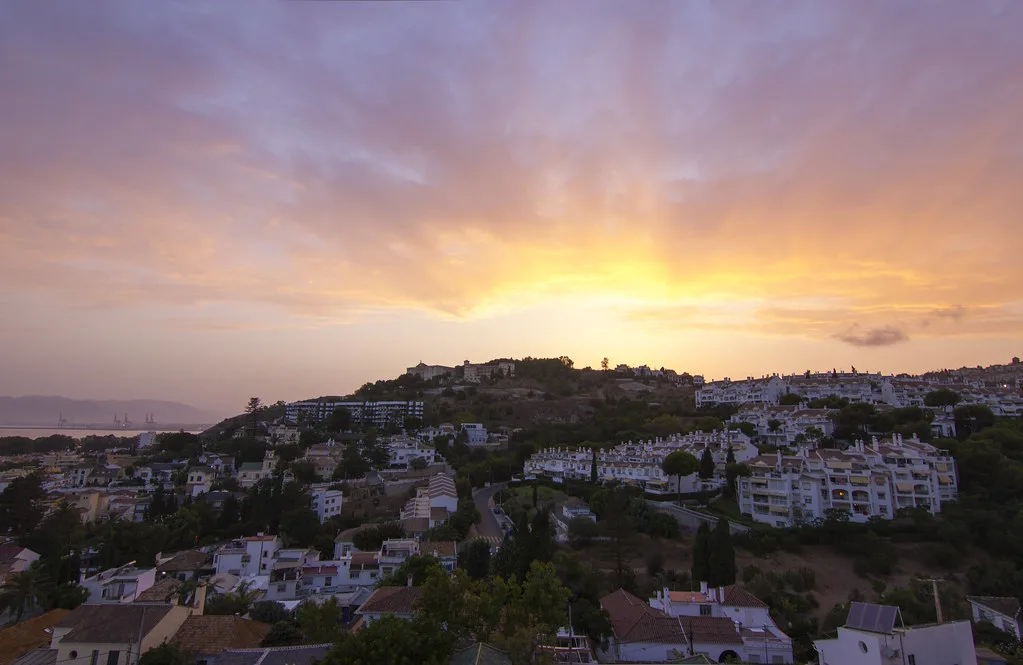
Pedregalejo forms part of the city of Málaga itself, in the eastern district, rather than a separate coastal town along the Costa del Sol. That distinction matters practically: you are inside the city boundary, so a taxi, city bus or a long coastal walk connects you to the centre rather than a regional train or coach. Our Malaga Neighborhoods hub maps the areas worth building a stay around.
Treat it as the third leg of a Málaga stay alongside the historic core and the arty southern barrio, and you get three different evenings from one trip. Our guide to the Centro Histórico, Málaga covers the tapas-and-monuments end of the city, while the streets of Soho Málaga give you the contemporary gallery-and-cocktail counterweight.
If you plan to combine Pedregalejo with the big sights, the Alcazaba and the Castillo de Gibralfaro sit in the centre and are often sold as a combined ticket; the castle is uphill from the Alcazaba, reached on foot, by taxi or on the sightseeing bus. The Picasso Museum and the cathedral fill the rest of a central day.
Walking the beach promenade
The promenade is the neighbourhood's main street for visitors, running beside the water with bougainvillea spilling over walls and small colourful houses on the lanes behind it. Walk it in both directions: the sea side for the view, the back streets for the plants and the ordinary residential detail that most city-centre stays miss.
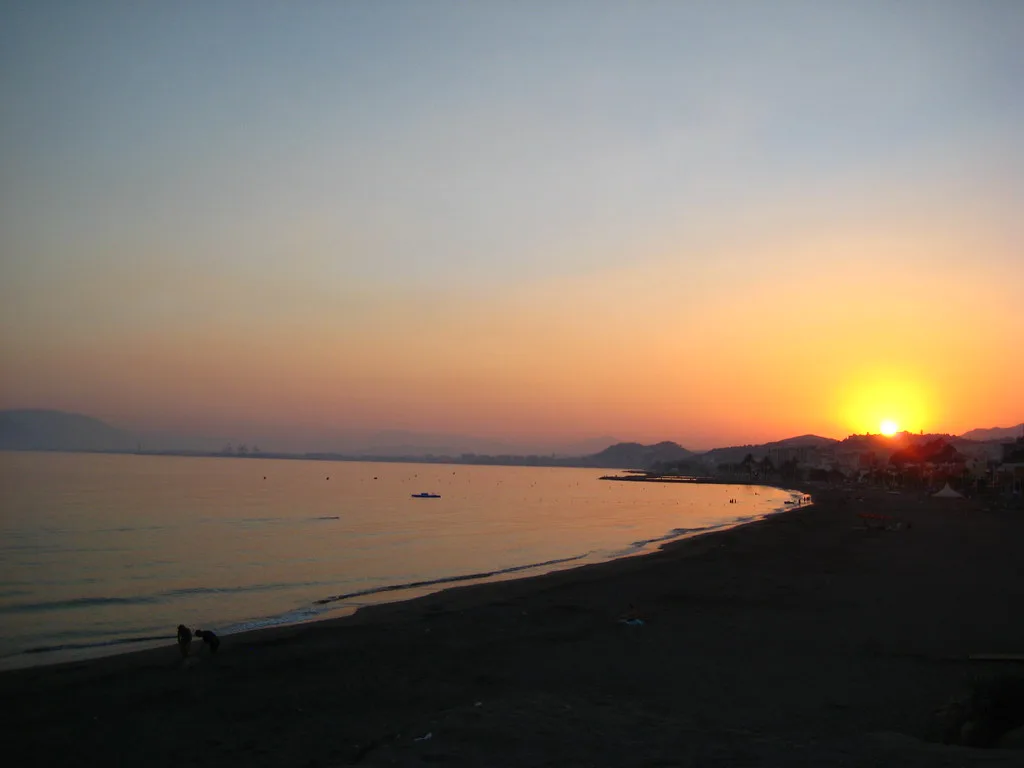
Sunset is the best hour, when the sky shifts against the blue water and families come out for dinner alongside street singers. Plan the walk before you eat rather than after, since Spanish dinner starts at 8:30–9pm and the light goes earlier outside high summer.
Playa de Pedregalejo and the water
The beach itself is a series of small coves with clear water, and it holds a Q Quality Seal awarded in 2018. Showers, public toilets, cafés and restaurants line the sand, with lifeguard cover and accessible facilities for disabled visitors.
It gets busy in summer, but it draws fewer travellers than the central city beaches, so the crowd is largely local. Arrive in the morning for space, or come late afternoon and swim before an early-evening promenade stroll.
Astilleros Nereo: the boatyard museum
Astilleros Nereo is the neighbourhood's one museum, devoted to wooden fishing boats and the craft of building them, from traditional hulls to kayaks. The guided visits go beyond construction into gastronomy and music, which makes it a better rainy-day or culture stop than the name suggests.
You must book the guided visit in advance, so this is not a place to turn up at and wander through on impulse. Build it into the plan a day or two ahead, and pair it with lunch on the promenade since both sit within the same small area.
What to order: espetos and the rest
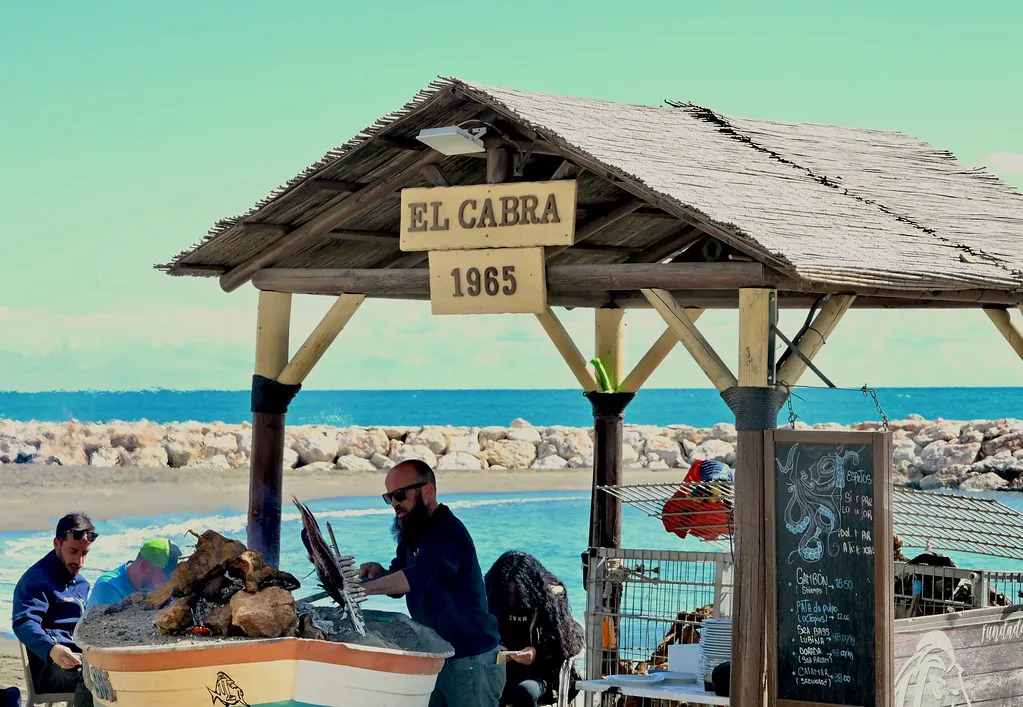
Espetos are the dish to order: sardines and other fish skewered and grilled over a fire built into a small boat, served along the promenade. Eat them the local way, biting into the fish skin-on and leaving the head. If sardines are not for you, ask for pescaito frito, the fried fish that anchors most beach menus, or a tomato salad dressed with olive oil, garlic and salt.
Timing matters more than booking. Lunch runs from about 1:30pm to 4pm and dinner starts around 8:30–9pm, so a 1:30pm arrival at a chiringuito puts you ahead of the afternoon rush and leaves the rest of the day for the beach.
Where to eat in Pedregalejo
Chiringuito Los Cuñao, at Paseo Marítimo el Pedregal 93, is the pick for traditional fish, with grilled sardines finished with lemon and berenjenas con miel — fried aubergines drizzled with cane honey — as the vegetable counterpoint. The chiringuitos stand one after another along the promenade, so compare the boats and the crowds before committing.
Mafalda, at Paseo Marítimo el Pedregal 71, is a classic for camperos: large sandwiches on soft round bread, most popularly filled with ham, cheese, lettuce, tomato and mayonnaise. It is the cheaper, quicker option when you want something other than a full fried-fish spread, and portions are generous enough for a light lunch.
Restaurante Pez Tomillo, at Paseo Marítimo el Pedregal 1, breaks the fried-fish pattern with spring rolls, risotto and prawns, and it has a seafront view to go with a more varied menu. Choose it if someone in your group does not eat fish or wants a break from sardines.
Baños del Carmen: go for the drink, not the dinner
Baños del Carmen, just along from Pedregalejo, is a restaurant and terrace with striking coastal views, and it is the obvious sunset spot in this stretch of the city. Our honest advice is to treat it as a bar with a view: have a drink, alcoholic or not, and watch the light go down on a summer evening.
For the meal itself, you will eat better for less elsewhere on the Pedregalejo promenade, so split the evening: sunset drink at the terrace, then walk back for sardines or a campero.
Getting there from Málaga city centre
The fastest route from the centre is by car, about ten minutes. Buses 3, 8 and 11 cover the same trip in roughly 20 minutes, which is the sensible choice if you are staying central and do not want to park.
Walking takes about an hour along the coast, and cycling is a comfortable alternative on the same shoreline. Either makes a half-day of the journey, with the beach as the reward, so start in the late morning and time your arrival for lunch after 1:30pm.
Where to stay: Hotel La Chancla
Hotel La Chancla is the beachfront three-star option in the middle of Pedregalejo, with rooms that mostly face the sea and come with television, complimentary Wi-Fi, air conditioning and a safe. There is a rooftop jacuzzi, a lively outdoor beach terrace and an on-site restaurant whose signature dish is tuna tartare.
Staying here means trading the convenience of a central hotel for sea air and short walks to dinner, which suits a slow few days but puts the Alcazaba and the Picasso Museum a bus ride away. Room rates move with the season, so check availability and prices for your dates before booking.
Nearby if you want more
Muelle Uno, the port-side promenade in the centre, now hosts street markets through much of the year, with clothing, ceramics and local cheese and wine. It fills an hour or two before or after a central sightseeing day, and Calle Larios is the alternative shopping stop.
Sunset cruises leave from Málaga's port and give you the coastline from the water, sometimes with dolphins. Booking ahead in summer is sensible, and the boats pair naturally with an evening that ends back in Pedregalejo for a late dinner from 8:30pm.
Is Pedregalejo Worth It?
Pedregalejo earns its place as a half-day or a quiet base: book the Astilleros Nereo visit ahead, arrive for a 1:30pm lunch of espetos and berenjenas con miel, swim in the coves, then walk the promenade at sunset with a drink at Baños del Carmen. Skip it if you want monuments on the doorstep or a lively bar scene, because it is a residential fishing barrio and behaves like one.
Bus routes, restaurant days off and seasonal changes shift through the year, so confirm the details of any named place before you travel.
Explore more Malaga guides
Frequently Asked Questions
What is Pedregalejo in Málaga known for?
It is an old fishing neighbourhood on the east side of the city, known for its seafront promenade, small coves of clear water and a run of chiringuitos grilling espetos over boat-mounted fires. It remains residential rather than becoming a resort strip, which is exactly why it feels quieter than the central beaches.
Is Pedregalejo worth visiting?
Yes if you want a long fish lunch, a swim and a sunset walk along the promenade. It is not the place for monument-hopping or a busy bar scene, since the sights of Málaga's centre sit a bus, taxi or hour-long coastal walk away.
How do I get from Málaga city centre to Pedregalejo?
By car it takes about ten minutes; buses 3, 8 and 11 take roughly 20 minutes; walking or cycling along the coast takes about an hour. Choose the bus if you are staying central and would rather not deal with parking near the beach.
What should I order in Pedregalejo?
Start with espetos, the sardines and other fish grilled on skewers over a fire in a small boat, eaten skin-on with the head left. Pescaito frito, a tomato salad with olive oil, garlic and salt, berenjenas con miel and Mafalda's camperos are the other dishes to seek out.
Can you visit Astilleros Nereo?
Yes, but the guided visits must be booked in advance. They cover wooden boat construction as well as gastronomy and music, so plan the visit a day or two ahead rather than turning up and expecting to wander in.
Where can I stay in Pedregalejo?
Hotel La Chancla is the beachfront three-star option in the middle of the neighbourhood, with sea-view rooms, a rooftop jacuzzi and a beach terrace. Rates vary by season, so check availability and prices for your dates directly.
Is Pedregalejo beach good for swimming?
The beach is a series of small coves with clear water, and it holds a Q Quality Seal awarded in 2018. Showers, public toilets, cafés and lifeguard cover are on hand, and it is usually less crowded with travellers than the central city beaches.