
La Malagueta: Málaga's City Beach District
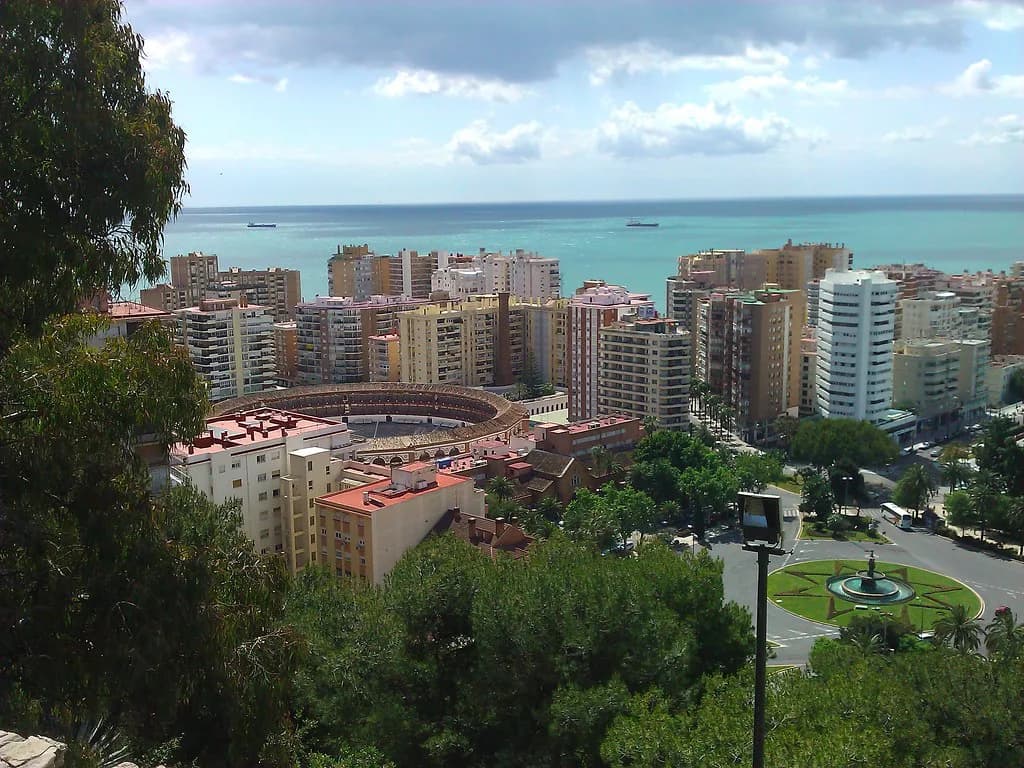
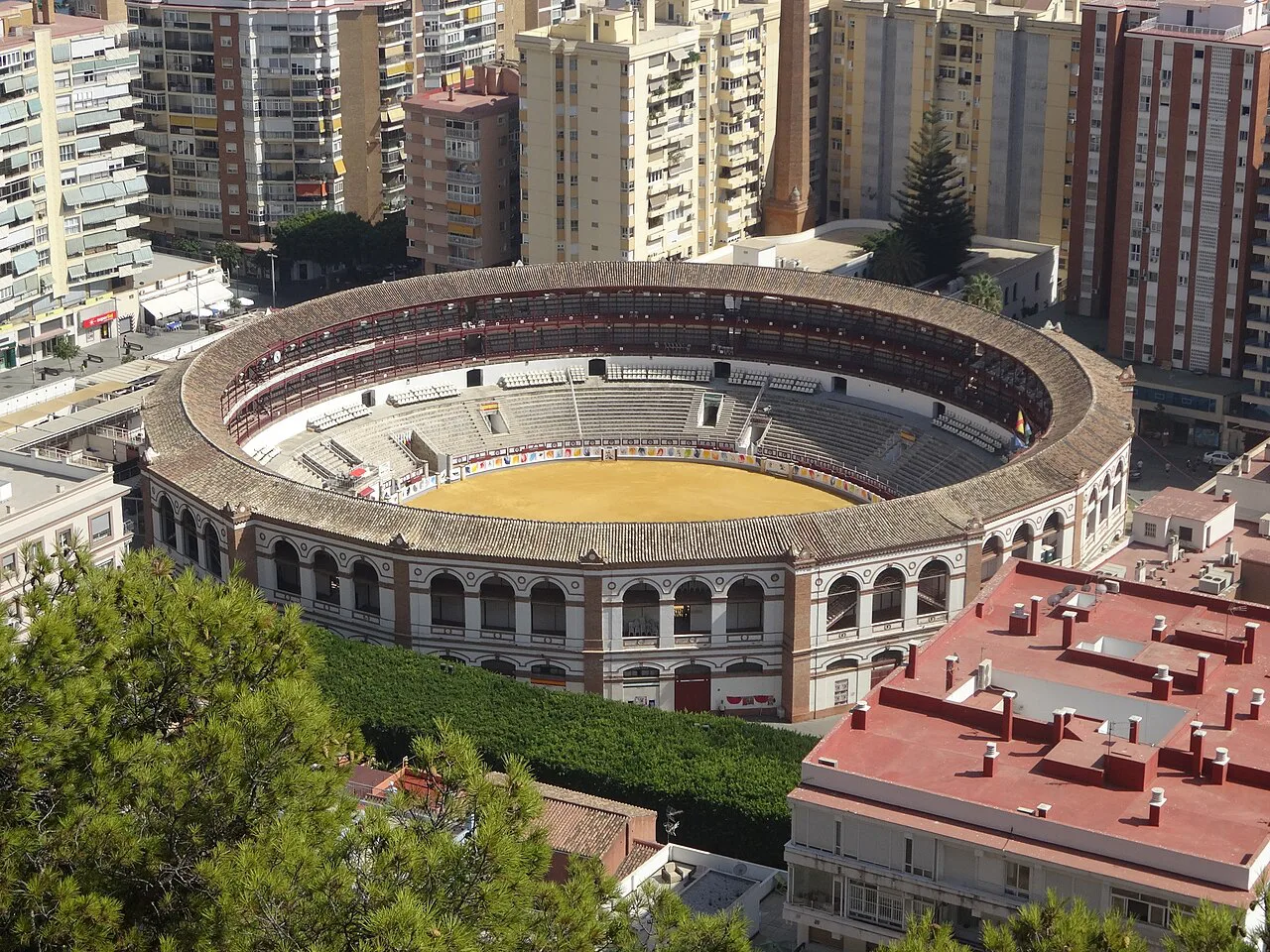
La Malagueta is Málaga's main urban beach, sitting between the Port of Málaga and the La Caleta neighbourhood along the Paseo Marítimo Pablo Ruiz Picasso. It works as a city beach rather than a resort: you walk out of the old town and onto sand in a few minutes, with the bullring behind you and the Alcazaba hill to the west. That geography is the whole appeal, and it is also the thing to weigh up before you book a room here.
What La Malagueta Is and Where It Sits in Málaga
The district runs east from the port along the seafront promenade, with the beach on one side and a dense grid of apartment blocks, hotels and bars on the other. La Malagueta Beach is the most famous urban beach in Málaga, close to both the port and the old town. It is a working part of the city rather than a purpose-built holiday zone, which is why the mix of residents, day-trippers and hotel guests feels different from the Costa del Sol resorts further along the coast.
For orientation, treat three points as your anchors: the port at the western end, the bullring set back from the promenade, and La Caleta to the east, where the beach gives way to a rockier shoreline. Everything else in the district is a variation on those. Compare it with the alternatives in the wider set of Malaga Neighborhoods: 3 Area Guides before you commit to staying here rather than in the centre.
Who La Malagueta Suits, and Who Should Look Elsewhere
La Malagueta suits travellers who want the sea within walking distance and the old town within a fifteen-minute stroll, and who are happy to trade quiet for convenience. It also works well for a short break, because you can swim in the morning and be at the cathedral or the Picasso Museum by lunch. If you want a proper chiringuito scene with grilled fish served at the water's edge, Pedregalejo is the better base and is covered separately.
It suits less well if you want car-free calm, cheap rooms or a village atmosphere. The promenade is a thoroughfare, the beach is busy in high summer, and the streets immediately behind it are built up rather than charming. Travellers who prioritise contemporary art and evening bars over sand often prefer Soho Málaga, which sits back from the water between the port and the Alameda.
Playa de la Malagueta: Swimming, Facilities and the Walk from the Old Town
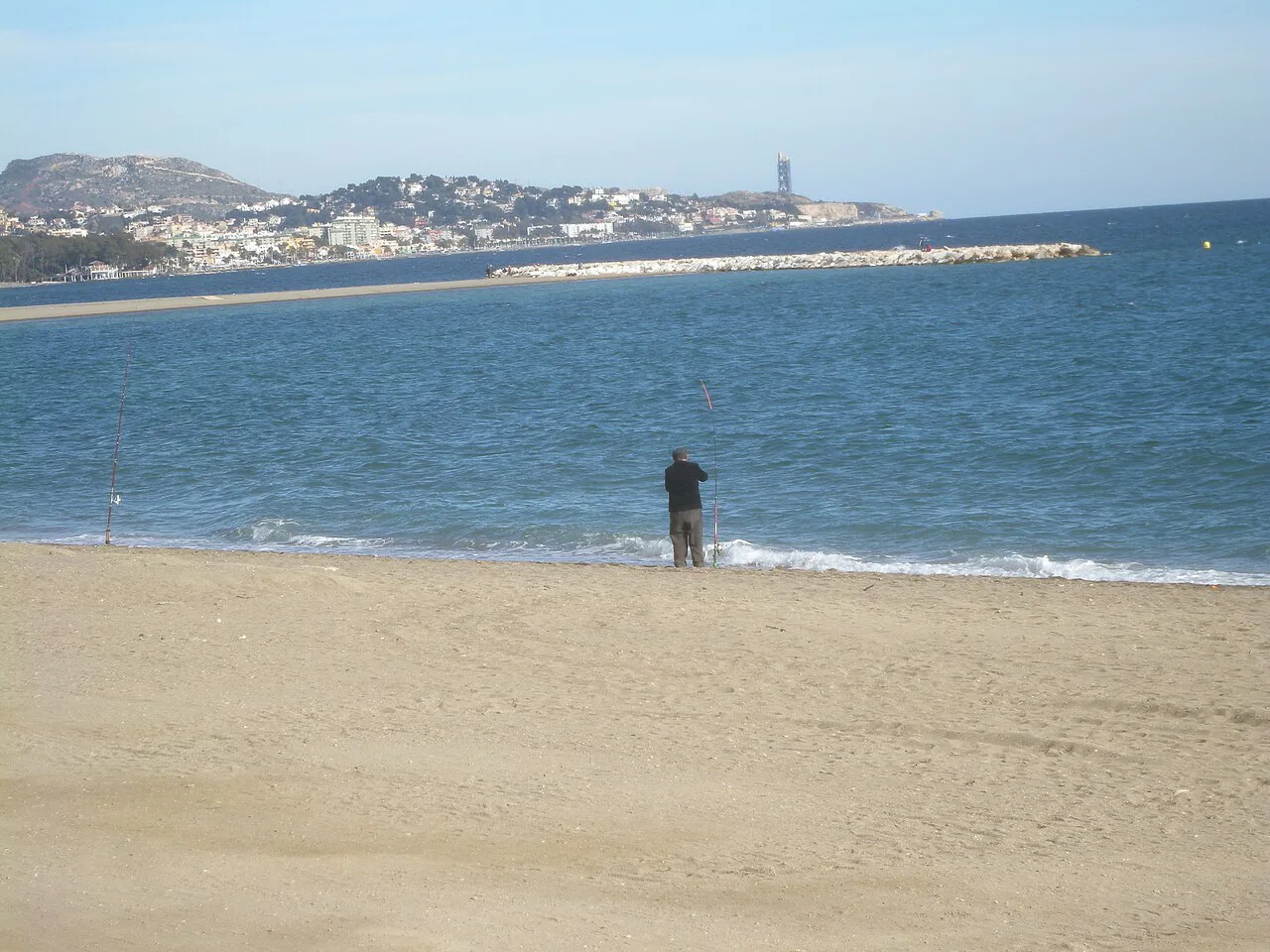
The beach is free to use and is a straightforward place to swim, with the usual city-beach setup: sand, showers, and sunbeds and umbrellas that operators hire out on the spot. Check the posted conditions and lifeguard flags rather than assuming a calm sea, and keep valuables with you on busy afternoons. For equipment prices and beach-club rates, ask at the kiosk or the operator's desk on the day rather than relying on any figure quoted online.
Walking from the old town takes about ten to fifteen minutes: come out at the port end of the centre, cross towards the Paseo Marítimo Pablo Ruiz Picasso and follow the promenade east. The walk itself is the pleasure, especially in the late afternoon when the light softens and the city comes out to run and stroll. In July and August, go early in the morning or after six in the evening; the sand holds heat and shade is scarce.
The Roman Theatre and Alcazaba at the District's Western Edge
Walk west from the beach and you reach Calle Alcazabilla, where the Roman Theatre sits at the foot of the Alcazaba fortress. The theatre was discovered in 1951 after centuries underground, dates to the first century AD and was in use until the third, and it is free to visit. Pair it with the fortress above: the Alcazaba is the palatial citadel the Muslim rulers built on the slope of Mount Gibralfaro in the eleventh century, with courtyards, gardens and viewpoints over the harbour.
Budget around ninety minutes for the Alcazaba at an unhurried pace, and note that the route is not wheelchair-accessible: there are cobbles, steps and constant changes of level, and the public lift on Calle Guillén Sotelo only reaches the upper level. Admission is €7, concessions €3, and a combined ticket with Gibralfaro Castle costs €10 and stays valid for 48 hours, which lets you split the two over separate days. Prices rose in 2025, so older guidebook figures are out of date.
Opening hours run 9.00 to 20.00 from 1 April to 31 October and 9.00 to 18.00 from 1 November to 31 March, with last admission an hour before closing, and the monument closes on 1 January and 24, 25 and 31 December. Entry is free on Sundays from 14.00, on 28 February, 18 May and 27 September, and during European Heritage Days, though Sunday afternoons draw the biggest crowds. If you want the free slot without the crush, take a weekday morning instead.

Gibralfaro Castle Above the Beach: The Walk Up and the Separate Ticket
Gibralfaro Castle was built in the fourteenth century to protect the Alcazaba, and it occupies the ridge above the city with the broadest views in Málaga. The two monuments are not linked internally: the old walled passage between them is not a usable route, so you leave one, climb the hillside path for twenty to thirty minutes or take a city bus, and enter the second through its own gate. Plan them as two separate visits rather than one continuous walk.
Do the castle earlier in the day if you are visiting in summer, when the climb is hot and the ramparts offer little shade. Wear closed shoes for the cobbles and bring water. The €10 combined ticket covers both sites within 48 hours, so the sensible split is the Alcazaba and Roman Theatre one morning and Gibralfaro the next.
Using La Malagueta as a Base
Staying in La Malagueta buys you proximity: sea on the doorstep, the port and its promenade a short walk west, and the cathedral and old town within fifteen to twenty minutes on foot. That makes it a strong choice for a two- or three-night city break where you want beach time without giving up restaurants and museums. The trade-off is noise and summer crowds, so ask for a room away from the promenade if you sleep lightly.
Book direct or through the hotel for current rates; nightly prices swing sharply between winter and August and are not worth quoting here. A room set back one street from the seafront usually costs less than a sea-view one and is quieter at night. If you would rather be in the middle of the tapas bars and churches, the Centro Histórico puts you inland with no beach walk at all.
Eating and Drinking Around the Bullring and the Seafront
The streets behind the promenade and around the bullring are full of bars and restaurants aimed at a mixed local and visitor crowd, with the heaviest concentration along the seafront itself. Expect Andalusian staples: pescaito frito, fried aubergines with cane honey, and plates of jamón, ordered as tapas or raciones. Lunch runs from about 13.30 to 16.00 and dinner rarely starts before 20.30 or 21.00, so an early evening plate at the bar is a normal move rather than an eccentric one.
For the classic beach-restaurant experience, head east out of the district to Pedregalejo, where chiringuitos grill espetos over charcoal in boats on the sand and the pace is slower. Pedregalejo, Málaga has the detail on which places to pick and what to order. Within La Malagueta itself, the seafront terraces are best treated as a drink-with-a-view stop, with a proper meal saved for the neighbourhoods behind.
If you want a wider shortlist of kitchens across the city before committing, browse the restaurant picks in things to do in Málaga and cross-check opening days directly with each venue, since many close one or two days a week. Reserve for weekend dinners in summer, when the seafront fills quickly after nine.
Pedregalejo and Baños del Carmen: The Next Beach East
When La Malagueta is packed, continue east along the coast to Pedregalejo, a fishing neighbourhood about ten minutes away by car or roughly twenty minutes on buses 3, 8 and 11; walking takes about an hour. Its beach is smaller and arranged in coves, with showers, toilets, lifeguards and accessible facilities, and it held a Q Quality Seal in 2018. The point of coming is the food: Chiringuito Los Cuñao on Paseo Marítimo el Pedregal serves grilled sardines and fried aubergines with cane honey, Mafalda is known for its camperos sandwiches, and Restaurante Pez Tomillo offers a more varied menu with a sea view.
Between the two beaches sits Baños del Carmen, a restaurant and terrace with a coastal outlook that works best for a sunset drink rather than a full meal. Further along, Astilleros Nereo is a small museum devoted to wooden boat building, with guided visits that must be booked ahead. For an overnight stay in the area, La Chancla is a beachfront three-star hotel in the middle of Pedregalejo with sea-view rooms and a rooftop jacuzzi.

Getting to La Malagueta and Onward to the Airport
On foot, La Malagueta is a ten- to fifteen-minute walk from the cathedral and the old town, and the port end connects to the Alameda and the city centre. The cathedral itself charges €8 general admission, €6 for seniors and students and €4 for under-12s, and opens Monday to Saturday 10.00–18.30 and Sunday 10.00–14.30, though it is inland rather than in this district. Treat the beach and the cathedral as one loop rather than two trips.
For the airport, the practical option is the city's airport train from Málaga María Zambrano or the Cercanías stops near the centre, or a taxi from the promenade. Allow extra time in summer, when the seafront road is slow. Airport transfer times and fares change, so confirm the current train timetable or ask your hotel to book a taxi the evening before.
Exploring further afield is straightforward: the historic centre, the port and the Picasso Museum all sit within one walkable sweep of the district. Malaga Attractions: 6 Visitor Guides covers the sites most worth your time if you are planning a fuller itinerary around the beach.
How to Spend a Half-Day in and around La Malagueta
Start early at the Roman Theatre on Calle Alcazabilla while it is cool and quiet, then climb into the Alcazaba when it opens and give it ninety minutes among the courtyards and gardens. Come down, walk east along the promenade and have a late lunch between 13.30 and 16.00 in the streets behind the beach. That order puts the walking and the heat in the morning and leaves the afternoon for sand.
Alternatives depending on your energy: swap the Alcazaba for Gibralfaro and take the hillside path up for the view, or skip both and spend the time swimming and walking the promenade towards La Caleta. On a Sunday, entry to the Alcazaba is free for part of the afternoon, but that is also when it is busiest, so a late-afternoon visit works only if you do not mind the crowd. Check the official opening times before you set out. Finish with a drink at one of the seafront terraces as the light goes.
Plan Your Visit
La Malagueta earns its place as a base if you want the beach and the old town in the same walk, and it is honest about what it is: a busy city beach, not a quiet cove. Book a room set back from the promenade, go early or late in high summer, and split the Alcazaba and Gibralfaro across two mornings. Check opening days and ticket prices with each venue before you travel, since both change with the season.
Explore more Malaga guides
Frequently Asked Questions
Is La Malagueta worth visiting?
Yes, if you want a city beach within walking distance of Málaga's old town. It is Málaga's main urban beach, between the Port of Málaga and La Caleta, and the Roman Theatre, Alcazaba and cathedral are all minutes inland. It is less appealing if you want a quiet resort or a traditional chiringuito scene, which you will find further east in Pedregalejo.
Can you swim at Malagueta beach?
Yes. Playa de la Malagueta is a sandy urban beach with the usual city facilities, and swimming is normal there. Check the lifeguard flags and posted conditions on the day, and keep valuables with you when the beach is busy in summer.
Is Malagueta beach free?
Access to the beach is free. Sunbeds, umbrellas and any beach-club services are hired separately, and rates are best confirmed with the operator on the sand on the day you visit.
How far is La Malagueta from Málaga old town?
About ten to fifteen minutes on foot. Walk out of the old town at the port end, cross towards the Paseo Marítimo Pablo Ruiz Picasso and follow the promenade east; the beach runs alongside it.
How do you get from La Malagueta to Málaga airport?
Take a taxi from the promenade, or walk or ride to a Cercanías station and use the airport train. Road traffic along the seafront is heavy in summer, so allow extra time and confirm the current train timetable before you set out.
Where should you eat near La Malagueta?
The streets behind the promenade and around the bullring have plenty of bars serving tapas and Andalusian dishes, with lunch from about 13.30 and dinner from 20.30 or 21.00. For the classic chiringuito experience, go east to Pedregalejo, where Chiringuito Los Cuñao, Mafalda and Restaurante Pez Tomillo are all on Paseo Marítimo el Pedregal.
Do you need a separate ticket for Gibralfaro Castle?
Not necessarily. A combined ticket covering the Alcazaba and Gibralfaro Castle is valid for 48 hours across both monuments, so you can visit them on different days. There is no internal route between the two, so you leave one and walk up the hillside path for twenty to thirty minutes or take a city bus.
What is there to see within walking distance of La Malagueta?
The Roman Theatre and the Alcazaba are at the western edge of the district on Calle Alcazabilla, the bullring sits behind the promenade, and the cathedral and Picasso Museum are a short walk inland. Pedregalejo and Baños del Carmen are the next beaches east.
Sources
- Málaga Roman Theatre in Málaga | spain.info
- The Alcazaba in Málaga: opening hours, admission prices and what to see - Visitanddo
- Malaga Cathedral Tickets | Expert Guided Tours
- Guide To Pedregalejo: Malaga's Fishing Neighbourhood
- PLAYA DE LA MALAGUETA - All You SHOULD Know ...
- La Malagueta Beach - Visit Costa del Sol