
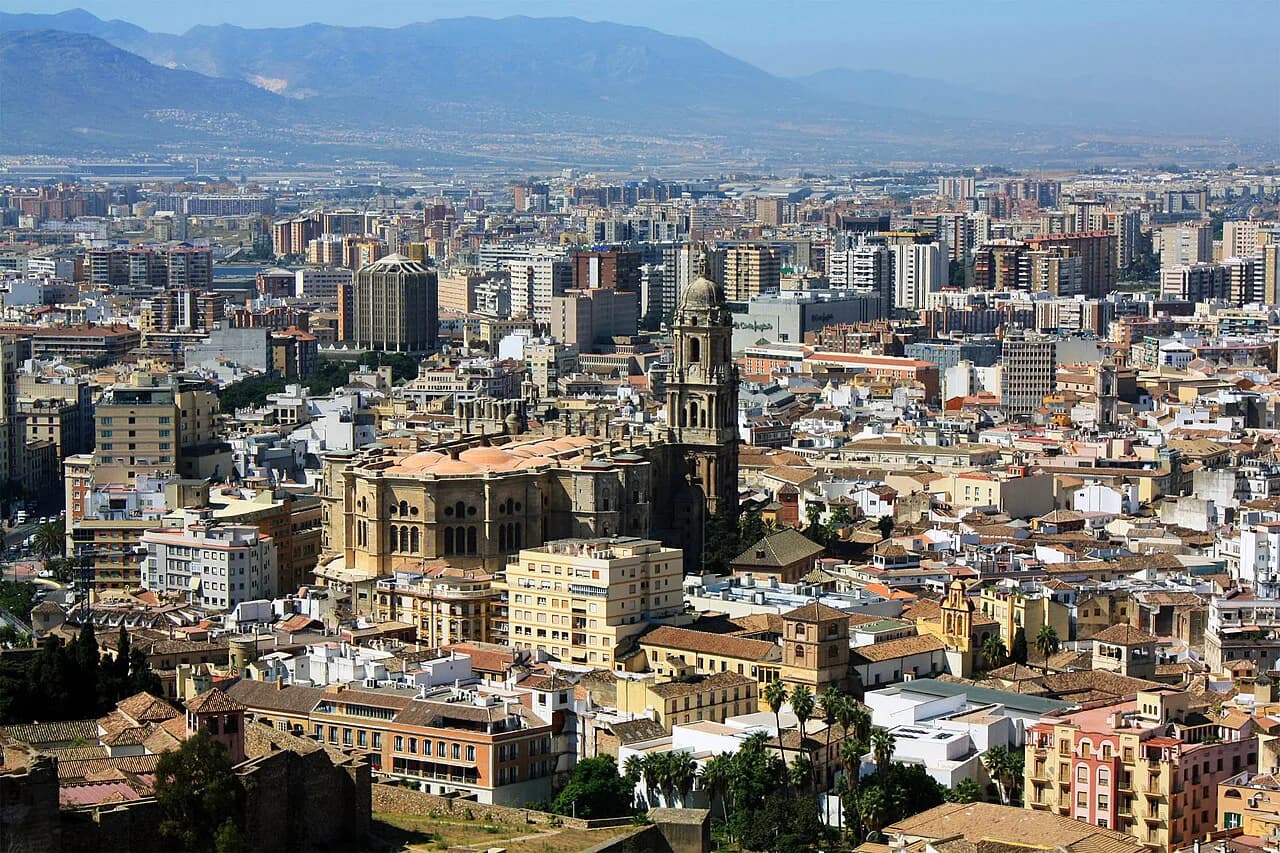
Málaga Attractions: 6 Visitor Guides
Málaga's headline sights are a short walk apart in the historic centre: the Picasso Museum, the Alcazaba, the cathedral and the Roman Theatre, with Gibralfaro Castle above. Each guide covers what to see, how long to allow and practical visiting details.
Málaga attraction guides
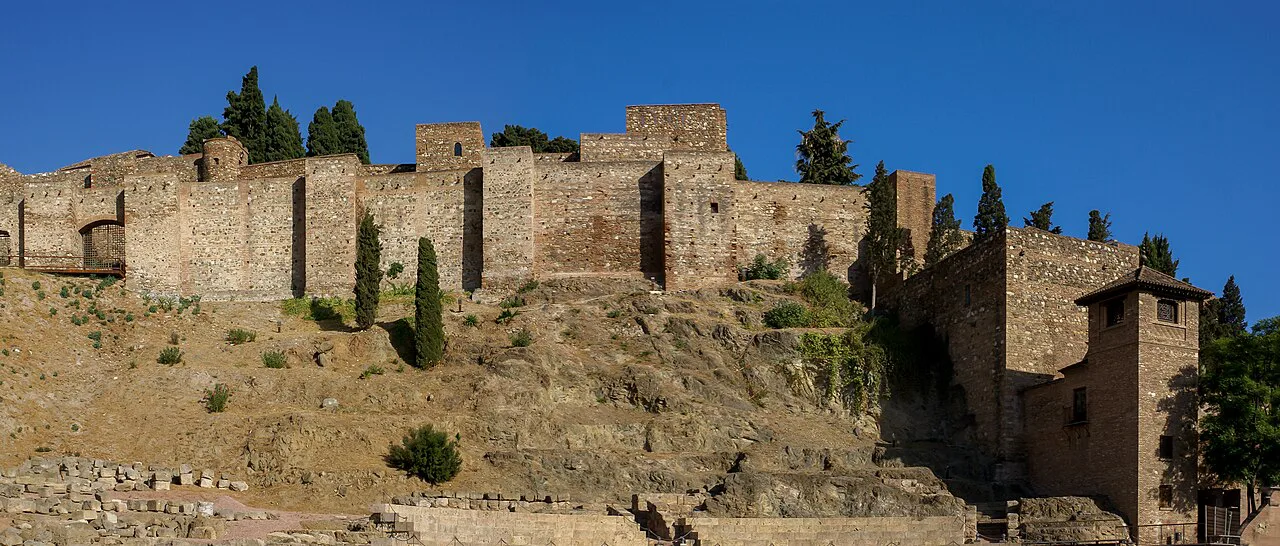
Alcazaba de Málaga: Tickets, Opening Hours and What to See
The Alcazaba de Málaga is a hilltop fortress palace above Calle Alcazabilla, with zigzag gateways, courtyards and gardens that take about 90 minutes to explore. Here are the hours, ticket categories, free entry days and how it fits with Gibralfaro Castle.
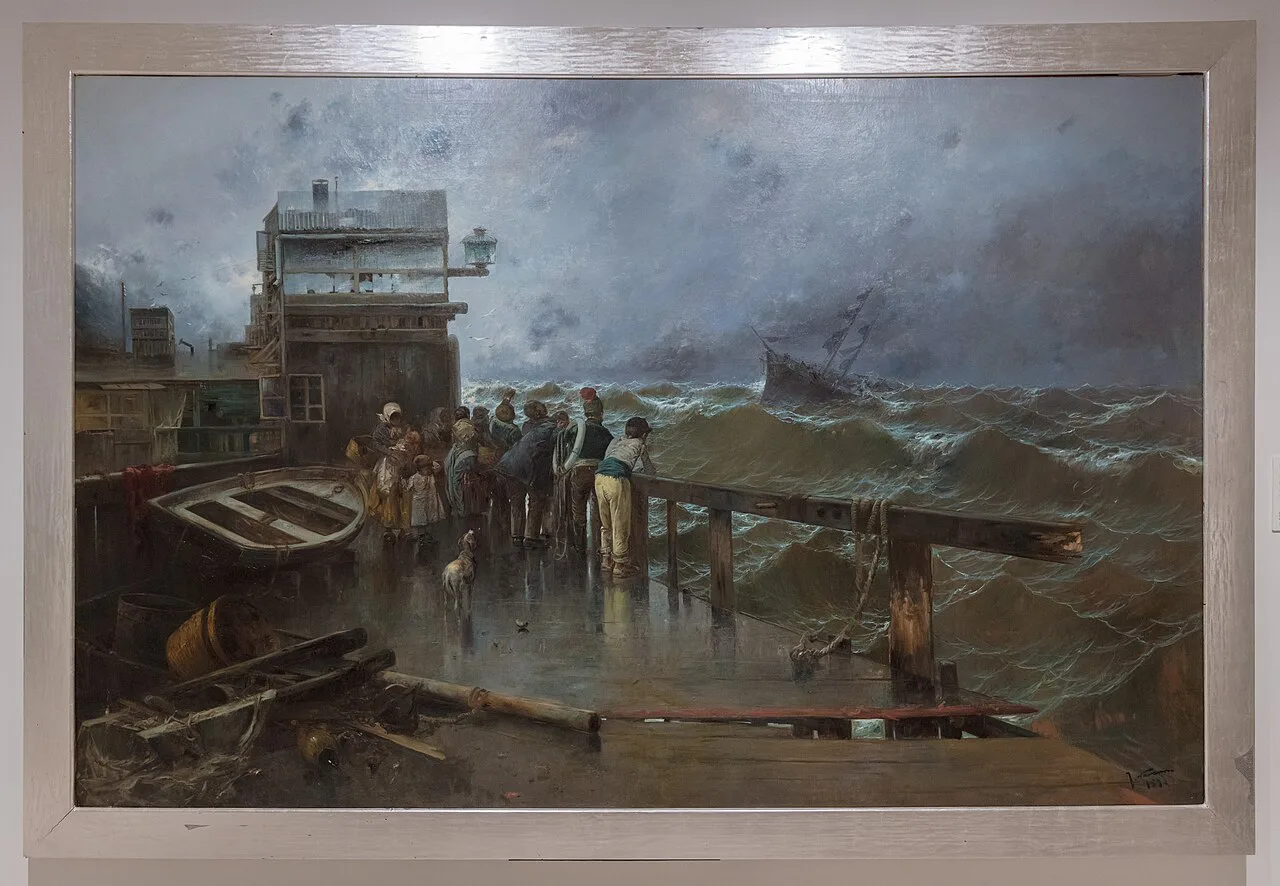
Carmen Thyssen Museum, Málaga: What to See and Ticket Prices
The Carmen Thyssen Museum is a compact old-town art stop built around 19th-century Spanish painting, with Andalusia at its centre. Here is where it is, what hangs inside, what tickets cost and how to fit it between the cathedral and the Alcazaba.
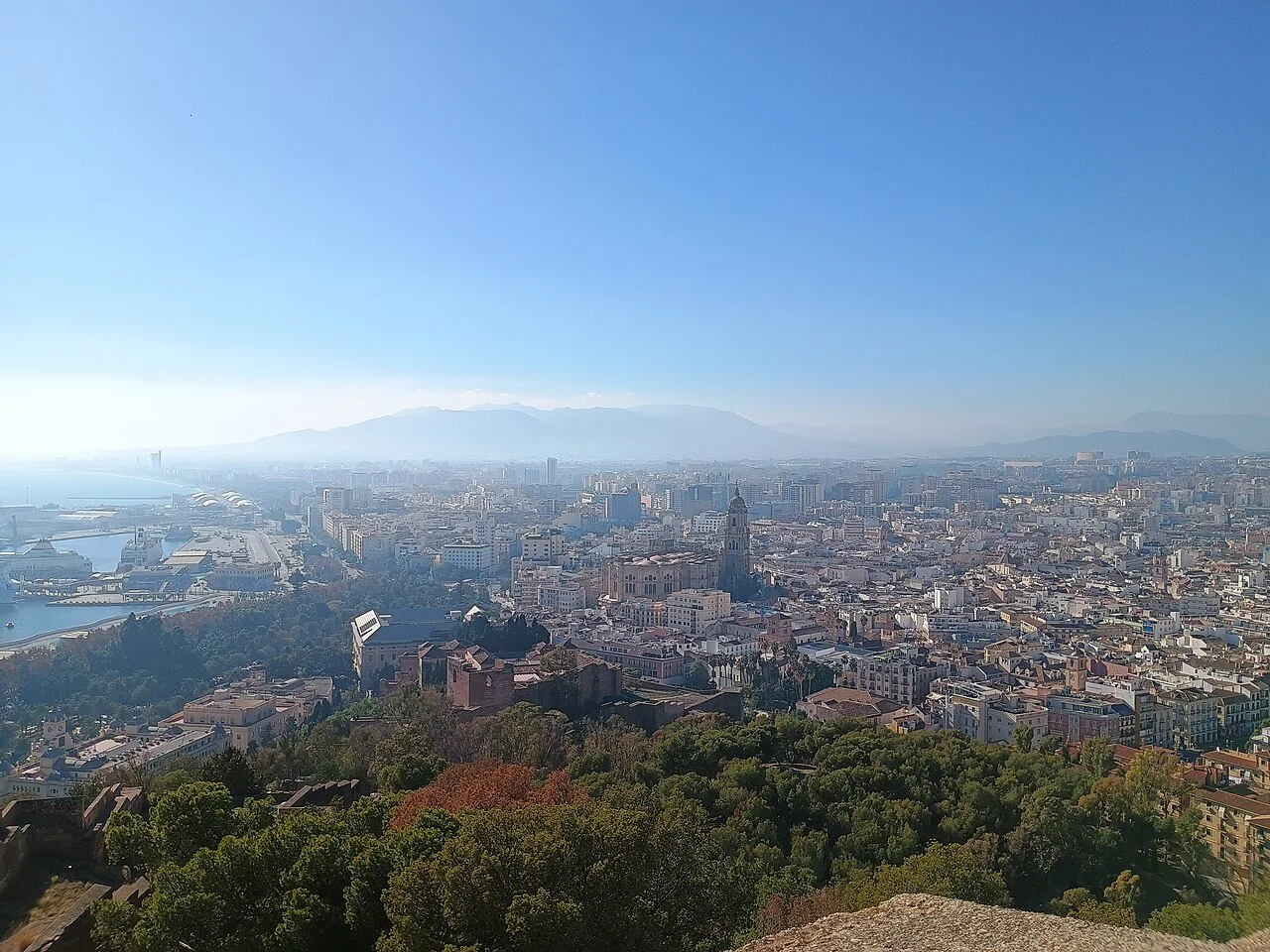
Gibralfaro Castle, Málaga: Tickets, Views and What to See
Castillo de Gibralfaro crowns the hill above Málaga, a 14th-century fortress with a walled perimeter walk, a 40-metre well and wide views over the city and bay. Here is what to see, what entry costs, when it is free and how to fit the climb into a day in Málaga.
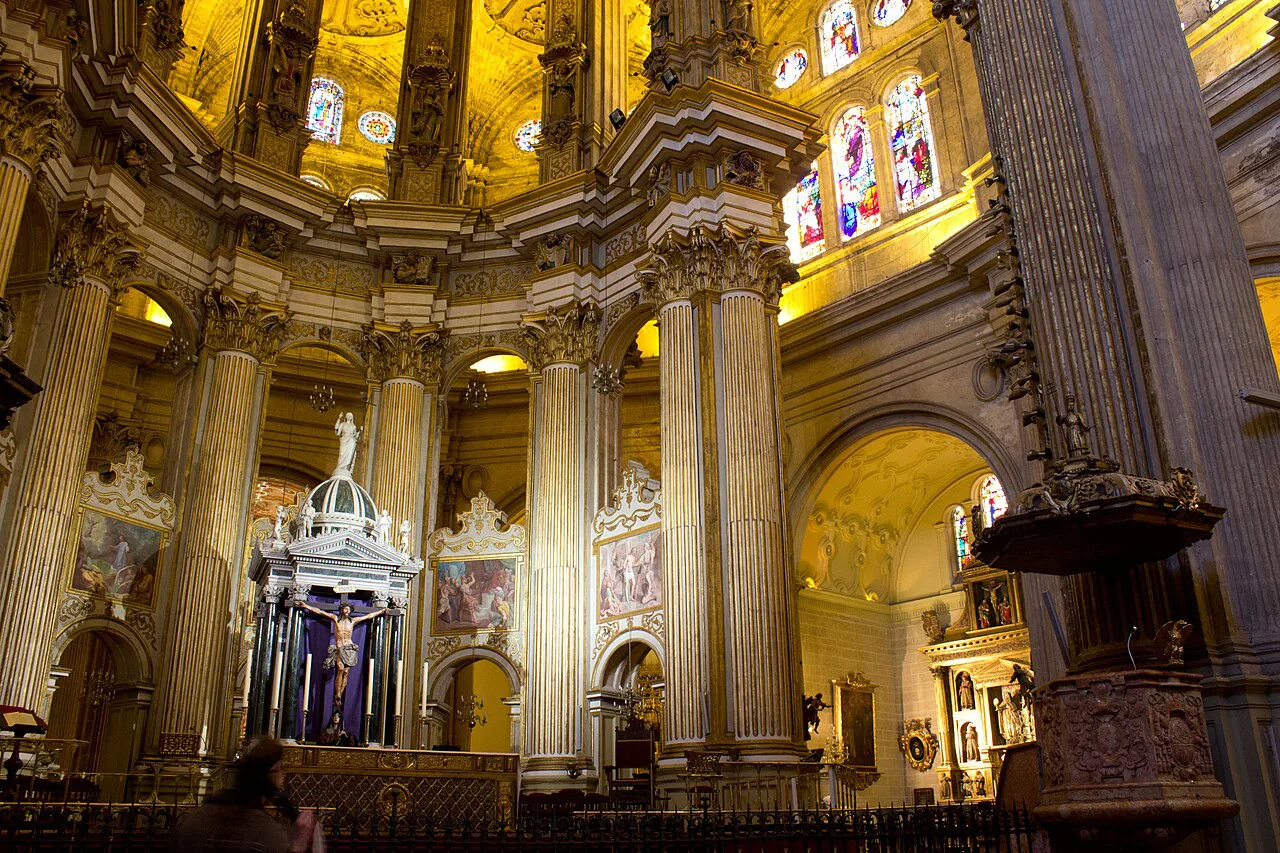
Málaga Cathedral: Tickets, Opening Hours and What to See
Málaga Cathedral anchors the old town on Plaza del Obispo, a few minutes from Calle Larios and the port. A cathedral-only stop takes about an hour, and the choir stalls and La Manquita's unfinished tower are the details that make the façade worth reading before you go in.
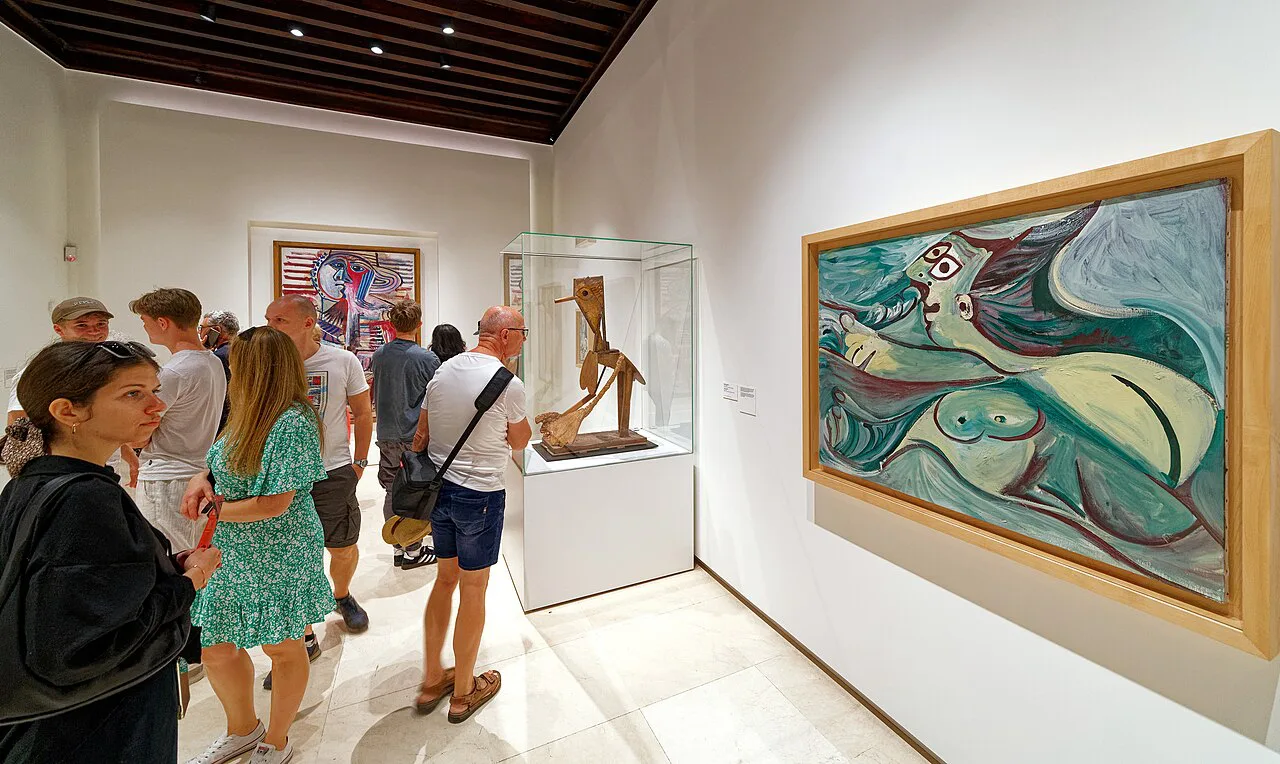
Picasso Museum Málaga: What to See and How Long to Allow
The Museo Picasso Málaga fills the Renaissance Palacio de Buenavista in the old town, a few minutes from the Roman Theatre and the Alcazaba. Here is where it sits, how to reach it on foot, what to see inside and how to pace a morning around it.
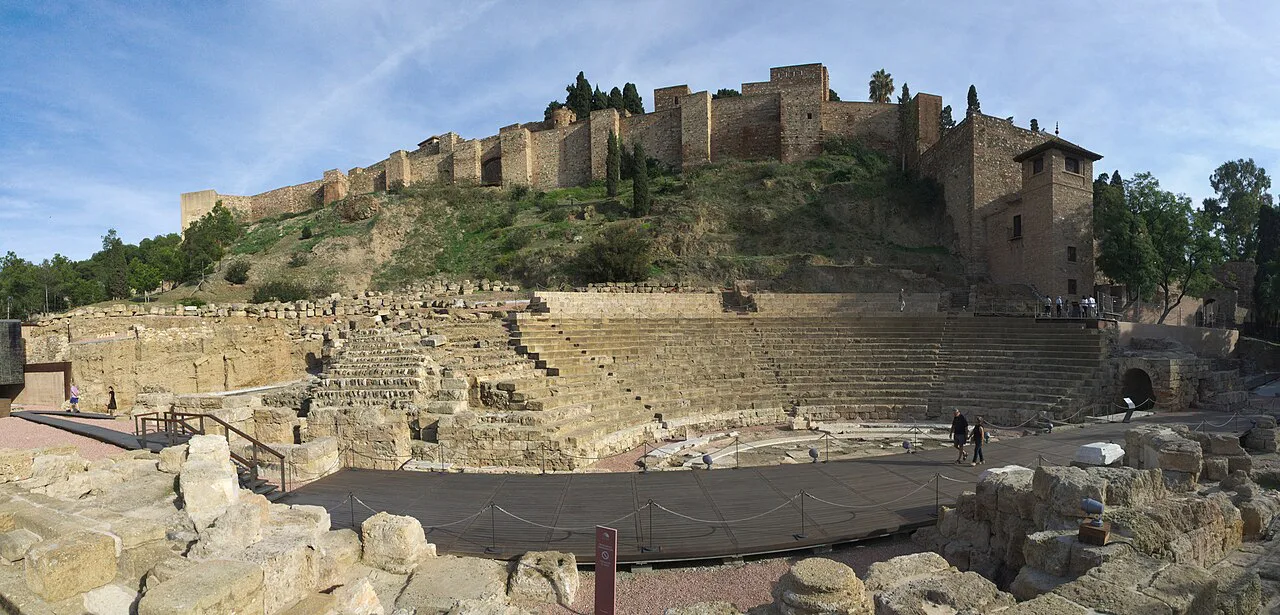
Roman Theatre Málaga: Visiting the Teatro Romano
Málaga's Roman Theatre is a first-century auditorium built under Augustus and dug out of the ground in 1951. It sits on Calle Alcazabilla below the Alcazaba, takes minutes to see, and makes most sense as the first stop before the fortress.